REVIEW · NEW YORK CITY
Walking Tour of 1970’s Music Venues of the East Village
Book on Viator →Operated by Ann McDermott · Bookable on Viator
A walk through the 1970s East Village hits differently. This guided route turns famous names like Fillmore East, CBGB’s, and The Bottom Line into real street corners, then adds lesser-known clubs where scenes were built. I love the way the stops connect famous albums and live shows to the actual blocks you can still walk today, and I like the small-group vibe that keeps the pace human and the stories easier to follow. You’re also guided in English, so you can focus on the music talk instead of decoding directions.
The main thing to weigh is that this is outdoors and tied to good weather, plus one booking reported a no-show issue with no timely response. Still, the overall feedback is strong, with a 4.7 rating and 92% recommending the tour, so it’s worth considering if you’re the kind of person who loves music history you can see with your own eyes.
In This Review
- Quick reasons this East Village music walk works
- Meeting at 105 2nd Ave and ending by Washington Square Park
- Fillmore East, CBGB’s, and The Bottom Line: rock’s East Village power triangle
- Club 82, On the Rocks, and Great Gildersleeves: the rooms where scenes were shaped
- Mercer Arts Center and the New York Dolls: glam punk in motion
- Infinity and disco in 1979: one quick stop that changes the mood
- Why Ann McDermott’s small-group approach matters
- Price and logistics for a $50, 2-hour walk
- Who should book this tour (and who might skip it)?
- Should you book this 1970s East Village music venue walk?
- FAQ
- How long is the walking tour?
- What is the tour price?
- How many people are on the tour?
- Where does the tour start and end?
- What time does the tour begin?
- Is the tour offered in English?
- Do I need a physical ticket?
- Is there a weather requirement?
- Can I cancel for a refund?
- Is the guide a named person?
Quick reasons this East Village music walk works
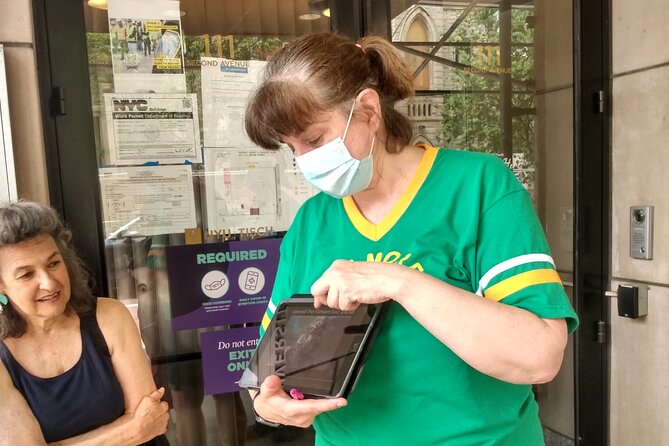
- Capped at 12 people, so you get more than a generic script and can ask questions as you go
- Real 1970s landmarks on foot, including the Fillmore East, CBGB’s, and The Bottom Line area
- More than the biggest names, with sites like Club 82, On the Rocks, and Great Gildersleeves
- Music scenes that overlap, from rock and punk to a quick stop in disco at Infinity’s former site
- Ends near Washington Square Park, right by the R/W trains, which makes it easy to keep the day going
Meeting at 105 2nd Ave and ending by Washington Square Park
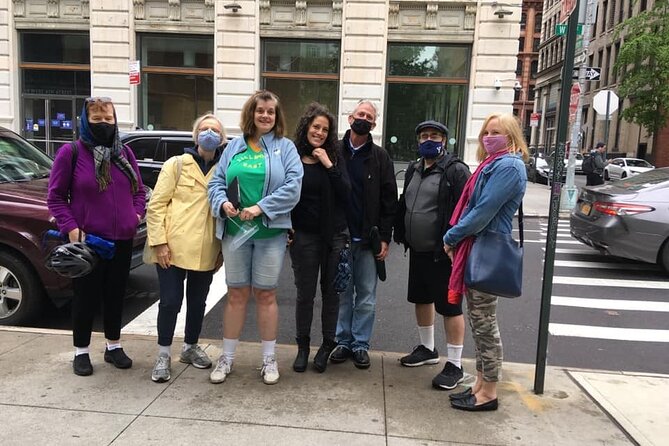
This tour starts at 105 2nd Ave (that’s your anchor point), and it runs for about 2 hours. The start time is 11:00 am, and you end at 15 E 4th St in front of what used to be The Bottom Line—down the block from the R/W trains and close to Washington Square Park.
I like that ending location because it gives you a clean “done here” spot. You don’t get stranded far from transit or stuck in the middle of nowhere; you can roll right into lunch, people-watching, or a self-guided wander while the stories are still fresh in your head.
You’ll use a mobile ticket, and the tour is offered in English. It’s also positioned as near public transportation, which matters in New York—getting to the start with minimal stress makes the whole experience better.
One more practical note: since this is a walking tour, wear shoes you’re happy to move in for a couple hours. If you’ve ever tried to enjoy music history while your feet are plotting a revolt, you already know why this matters.
You can also read our reviews of more walking tours in New York City



Fillmore East, CBGB’s, and The Bottom Line: rock’s East Village power triangle
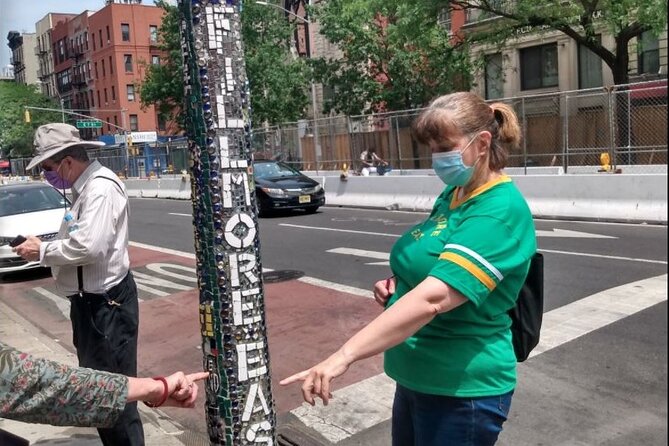
This is the part of the walk where the East Village starts feeling like a live venue again. You’ll visit the sites of the legendary Fillmore East, the long gone CBGB’s, and The Bottom Line—places that helped launch careers and shaped what New York sounded like in the 1970s.
What I find compelling is how the tour frames these locations as more than “cool history.” The guide connects them to the experience of showing up in person to buy tickets back when music culture moved at street speed. And once you’re standing near where those venues were, it’s easier to understand why certain bands caught fire when they did.
The talk also nods to some big moments people associate with those rooms. For example, it references seeing Bruce Springsteen around the time Born to Run exploded the music world in 1975, and it brings in Patti Smith’s CBGB’s era after Horses landed in 1976. Even if those dates aren’t your personal timeline, you can feel how the East Village acted like a meeting point for momentum—rock, punk, and attitude, all in the same neighborhood.
You’ll also revisit famous shows tied to The Who and Pink Floyd at the Fillmore East. That’s a nice reminder that this area wasn’t only about local cult favorites; major acts were part of the same streets, the same nights, the same New York energy.
CBGB’s and The Bottom Line get extra weight in the route too, partly because one is long gone and the other is remembered by what remains. You don’t just learn names—you practice noticing how cities change, and how music memories survive those changes.
Club 82, On the Rocks, and Great Gildersleeves: the rooms where scenes were shaped
After you’ve hit the headline venues, the tour smartly shifts to smaller stops that helped artists sharpen their craft. You’ll walk to sites like Club 82, On the Rocks, and Great Gildersleeves—less famous now, but still part of why the East Village became a launch pad.
This section is valuable because it teaches you how scenes actually grow. Big names get the spotlight later, but the early momentum usually happens in rooms that feel closer, louder, and slightly chaotic—places where performers can build a following without waiting for permission from anyone.
I also like the way this part of the walk encourages you to think like a musician. Instead of treating the 1970s as a finished story, you start imagining the grind: early gigs, word-of-mouth, and learning what kind of crowd showed up on which night.
Real talk: since these are sites of venues (and some are long gone), you’ll mainly be looking at what’s there now and listening to the story of what used to happen on that same corner. That can be either perfect or frustrating, depending on your expectations. If you want dramatic physical remnants, you might wish for more. If you like putting imagination to work, this section is where the tour pays off.
Mercer Arts Center and the New York Dolls: glam punk in motion
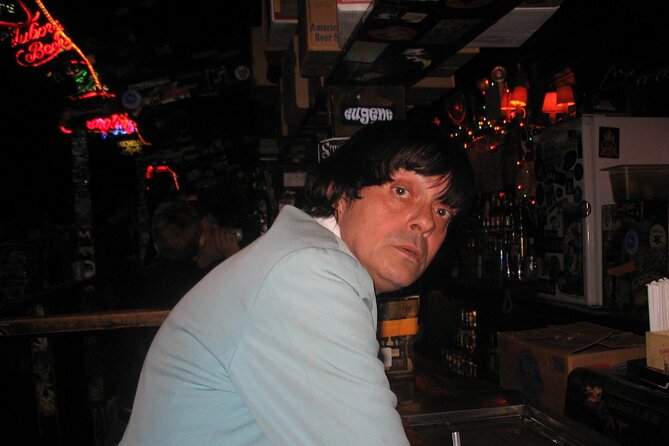
The New York Dolls connection adds a different flavor to the walk. You’ll revisit the New York Dolls at the Mercer Arts Center, and that helps balance the route so it isn’t all straight-ahead rock lore.
What’s useful here is the reminder that the East Village didn’t just produce one style. It churned through glamour, punk energy, and theater-like performance sensibilities. Even if you mostly know the band from later reputations, seeing them tied to the live-culture geography makes it feel more grounded.
This part also reinforces something I think every music fan should consider: a venue isn’t only a building. It’s a social machine. People gather there with certain expectations, and artists respond to what the crowd wants to experience.
So while you’re walking the streets, try to picture the room’s vibe rather than hunting for a specific plaque. You’ll get more out of the tour that way.
Infinity and disco in 1979: one quick stop that changes the mood
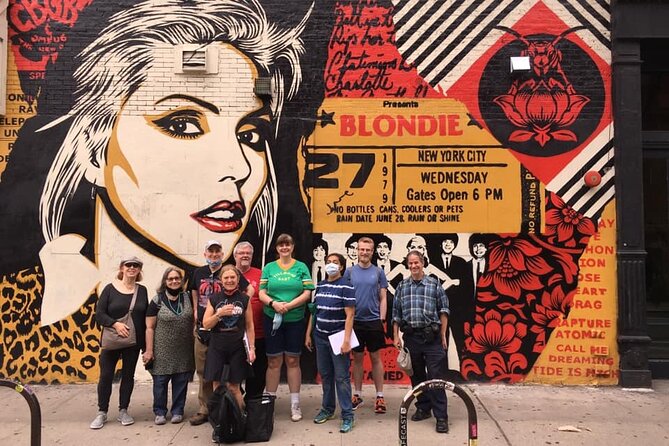
Then the walk takes a pivot into disco. You’ll dip your toe into that world at the site of Infinity, a dance club that was destroyed by fire in 1979.
I appreciate this because it prevents the route from becoming a one-genre museum. Disco was a major thread in New York’s nightlife, and the East Village had its own version of that energy. A stop like this gives you a fuller sense of how mixed the neighborhood could feel, even when you think of it as a rock-and-punk stronghold.
It also adds emotional texture. When a club disappears in a fire, the story doesn’t end with the last night on the calendar. It becomes part of the neighborhood’s memory—how people remember the joy, and how the city moves on.
And since this is a walking tour, the disco segment works like a palate cleanser. You shift from guitar-and-loud-rooms thinking to dancing-and-heat thinking, without needing to change neighborhoods or plan another outing.





Why Ann McDermott’s small-group approach matters
This tour is provided by Ann McDermott, and the experience is capped at a maximum of 12 travelers. That small number is more than a comfort perk—it changes how a tour feels in real life.
In a big group, you usually get rushed through the interesting bits and spend more time watching everyone else than hearing the story. With a group this size, you’re more likely to get the “street-level” kind of explanation where the guide can connect the dots between bands, venues, and the neighborhood.
It’s also a good fit if you like learning at human speed. A two-hour walk can pass fast, but it’s long enough to absorb details when you’re not fighting the noise of 30 people.
The overall rating backs up the format: 4.7 out of 5 with 12 reviews, and 92% recommending the tour. That’s a strong signal that most people felt they got what they paid for—stories, context, and a route that makes the East Village feel alive.
Still, I’ll mention the one serious caution from the feedback you should take seriously. One booking reported a no-show by the guide, with no response to messages, and the follow-up offered came too late for that specific situation. If you’re the type who hates uncertainties, I’d recommend you save your confirmation details and plan to contact the organizer promptly if anything seems off near departure time.
Price and logistics for a $50, 2-hour walk
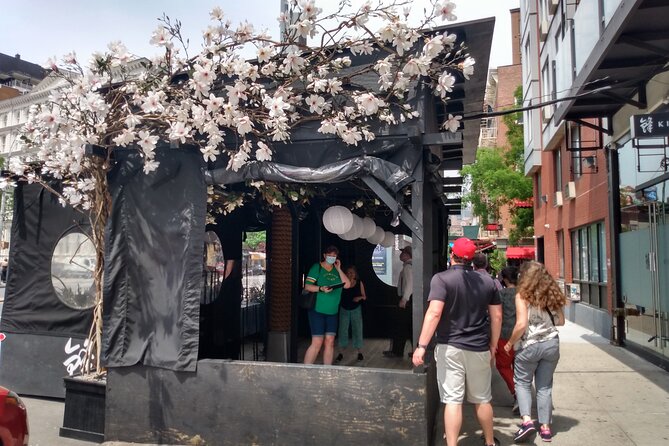
At $50 per person for about 2 hours, this lands in the “guided experience” category rather than “cheap and cheerful.” The question is whether you’re buying the right value.
Here’s how I’d judge it. First, it’s focused: you’re not paying for broad sightseeing, you’re paying for music-specific storytelling connected to a tight geography. Second, it’s small-group. Third, there’s no separate admission listed, and the tour is presented as mobile-ticket based.
So if you want a guided walk that speaks directly to 1970s rock, punk, and disco culture—especially through iconic names like Fillmore East and CBGB’s—this price can feel fair. If you’re hoping for a museum-style experience with lots of interior viewing, you might not feel the same value, since the core of the tour is walking to sites.
For timing, you’re locked into the 11:00 am start. That’s convenient for a day plan, but it also means you should be early enough to settle in before you begin.
The tour also requires good weather. If it’s canceled due to poor weather, you’ll be offered another date or a full refund. There’s also a minimum number of travelers, so occasionally the tour could be canceled if that minimum isn’t met.
Who should book this tour (and who might skip it)?
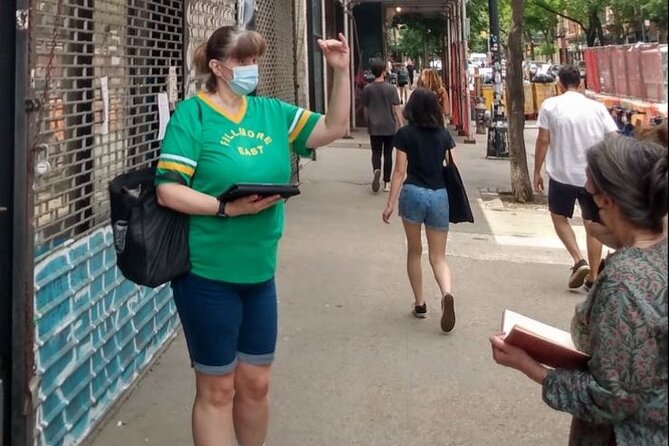
This walk is for you if you:
- Love 1970s music and want the stories tied to specific places you can stand on
- Prefer small-group guiding over large crowded tours
- Like combining a guided experience with free time afterward (the end point by Washington Square Park is great for this)
It might not be your best match if:
- You dislike walking outdoors for about two hours
- You need surviving buildings or inside access at each stop
- You’re very sensitive to the small risk of operational hiccups, since one past booking reported a no-show problem
Should you book this 1970s East Village music venue walk?
I’d book it if you’re a music fan who enjoys place-based history. The route’s strongest feature is how it links big names—Fillmore East, CBGB’s, The Bottom Line—to the feel of the neighborhood, then backs it up with lesser-known stops like Club 82 and Great Gildersleeves. Add the disco moment at Infinity, and you get a surprisingly rounded snapshot of nightlife culture rather than a one-note playlist.
The price is reasonable for a two-hour, capped group tour in New York, and the meeting/ending points make it easy to build a half-day plan without complicated logistics. My only real caution is weather and the small chance of a missed departure, especially given the one no-show report.
If you want a guided walk that turns iconic 1970s music into real streets, this is one of the better ways to spend a morning in the East Village.
FAQ
How long is the walking tour?
It’s about 2 hours.
What is the tour price?
The price is $50 per person.
How many people are on the tour?
The tour has a maximum of 12 travelers.
Where does the tour start and end?
It starts at 105 2nd Ave, New York, NY 10003, and ends at 15 E 4th St, New York, NY 10003, in front of what used to be The Bottom Line.
What time does the tour begin?
The start time is 11:00 am.
Is the tour offered in English?
Yes, it’s offered in English.
Do I need a physical ticket?
No. The tour uses a mobile ticket.
Is there a weather requirement?
Yes. The experience requires good weather. If it’s canceled due to poor weather, you’ll be offered a different date or a full refund.
Can I cancel for a refund?
Yes. You can cancel up to 24 hours in advance for a full refund.
Is the guide a named person?
The experience provider is Ann McDermott.