REVIEW · NEW YORK CITY
Central Park Tour with Complimentary Photo Album
Book on Viator →Operated by Central Park Touring Experience · Bookable on Viator
Central Park can feel like a maze. This tour gives you the clean route and the stories behind the scenery. I like that it mixes classic stops with quieter corners, and you’ll end up at Strawberry Fields with photos ready to share, thanks to a complimentary photo album.
Two things I really value here are the pacing and the guide quality. With a small group (up to 12 people) you get time to ask questions, and the guides (including Patrick and Katy, when available) bring clear, personal Central Park perspective—not just dates and plaques.
One consideration: you’ll be walking a lot on uneven park paths. If you don’t do well with a moderate pace and some hills, plan for slower moments and comfortable shoes.
In This Review
- Key Highlights You’ll Actually Feel on the Walk
- Entering Central Park the Right Way: 2.5 Hours That Don’t Feel Cramped
- Where You Start (6th Ave) and Why You’ll Like the Finish at Strawberry Fields
- The Pond and Gapstow Bridge: Your First Classic “Photo Stop”
- Quiet Woods Close to Midtown: Hallett Nature Sanctuary and the Ramble
- Walkway of American Elms and the Mall: New York’s Tree-Lined Social Scene
- Bethesda Terrace and Bow Bridge: The Romantic Hits (With Real Viewpoints)
- The Center of the Park: Belvedere Castle and the Great Lawn
- Shakespeare Garden and a Detour into Big-City Culture: The Central Park West Story
- Strawberry Fields: The Lennon Tribute Finish You’ll Remember
- Price, Value, and Who This Walk Is Best For
- Should You Book This Central Park Tour?
- FAQ
- How long is the Central Park tour?
- How much does the tour cost?
- Where do we meet, and where does the tour end?
- Is the tour offered in English?
- How big is the group?
- What do I get besides the walk?
- Is this tour physically demanding?
- Are there admission fees for the sights on the route?
- What if the weather is bad?
- Can I cancel and get a refund?
Key Highlights You’ll Actually Feel on the Walk
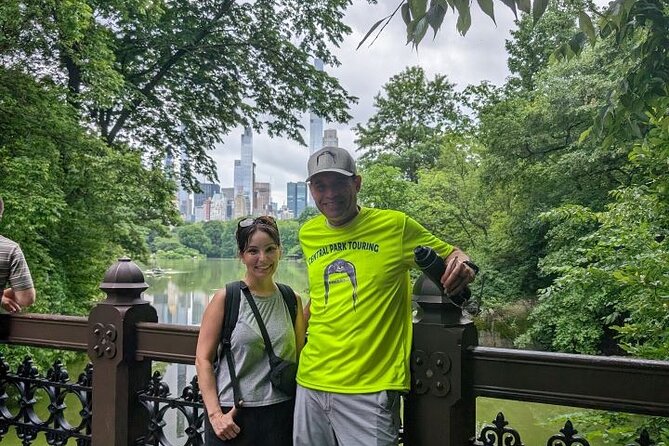
- A guide-led route through famous and lesser-known areas so you don’t “wander” by accident
- Photo stops built into the day, plus a complimentary photo album so you don’t lose the best shots
- Small group size (max 12), which makes it easier to hear, move, and pause when you want
- Mix of landmarks and nature: from the Mall of American Elms to the Ramble’s bird-watching paths
- A strong ending at Strawberry Fields near the Imagine mosaic, with an easy transition to more sightseeing afterward
- Family-friendly Central Park details like the Dairy and classic attractions such as the Carousel and Wollman Rink (season-dependent)
Entering Central Park the Right Way: 2.5 Hours That Don’t Feel Cramped
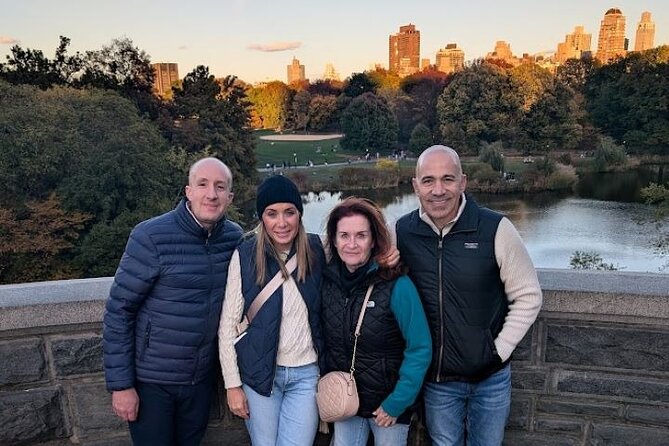
Central Park is too big to “see it all” in one go. That’s why I’m a fan of this format: about 2 hours 30 minutes with a guided flow that hits the highlights without turning it into a sprint. You get a route that makes sense on foot, with time for viewing, short stops, and photo moments.
The $45 price is also easier to judge once you know what you’re getting. Yes, it’s not a free stroll—this is a guided experience—but it includes a complimentary photo album, and the guide will actively help you capture key viewpoints as you go. For many people, that alone nudges the value in the right direction versus paying for a separate photo session or trying to manage everyone’s photos solo.
One more practical plus: the tour is in English, and it’s designed for moderate physical fitness. That wording matters. You’re not doing extreme hiking, but you are walking through real park terrain.
You can also read our reviews of more tours and experiences in New York City.



Where You Start (6th Ave) and Why You’ll Like the Finish at Strawberry Fields
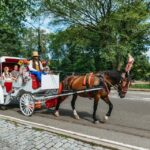
The tour starts at NYC Adventures – Central Park Horse Carriage Rides, at 6th Ave. and in front of José Julián Martí Statue (Central Park South). That start point is handy because it puts you close to the south side of the park, where you can build your route north with less backtracking.
The ending spot is right outside Strawberry Fields at Central Park West & 72nd Street, specifically near the Imagine mosaic. This is a strong finish for two reasons:
1) Strawberry Fields is the emotional finale of many Central Park visits.
2) It also puts you in a good position to keep moving afterward along Central Park West or into nearby stops.
The provider also says they’ll give recommendations for what to do next once you’re done. That’s a small detail, but it often makes a big difference when you’ve only got one day.
The Pond and Gapstow Bridge: Your First Classic “Photo Stop”
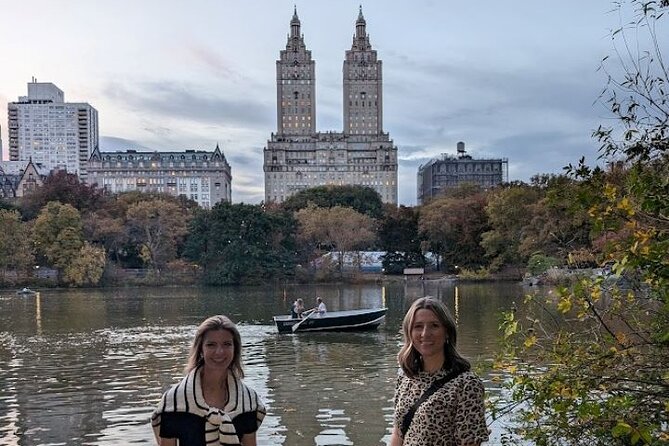
You begin at The Pond, the man-made water feature on the southeastern corner of Central Park. This is a smart first stop because it gives you an instant sense of calm before the tour starts stacking landmarks on top of each other.
Expect a peaceful walking break, with time to photograph Gapstow Bridge spanning the water. The tour also includes a chance to feed ducks and swans here. That’s not just cute—it helps break the ice with the group and gives you a natural reason to slow down, look around, and notice reflections and angles you might miss on your own.
A quick note for your expectations: the time is short (about 15 minutes at the Pond), so come ready with your phone/camera charged. You’re getting a highlight, not hanging out for half a day.
Quiet Woods Close to Midtown: Hallett Nature Sanctuary and the Ramble
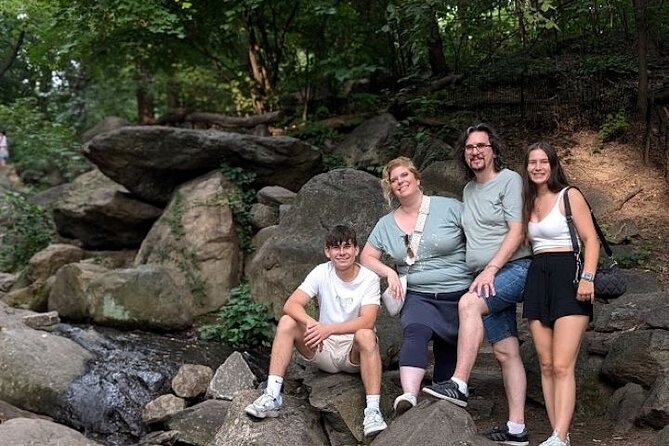
After the Pond, you head toward Hallett Nature Sanctuary, described as the smallest of Central Park’s three woodland landscapes. It’s a great contrast to the nearby busy streets: rustic trails, hill views, and shoreline sitting areas near the Pond.
What I like about this stop is that it’s not just “trees.” It has a real story:
- It was originally called The Promontory by the park designers.
- In the 1930s, it was fenced off and designated a bird sanctuary.
- In 1986, it was renamed for George Hervey Hallett, Jr., an activist, nature enthusiast, and birder.
Then the tour brings you into the Ramble, a larger woodland area between 73rd and 78th Streets. The Ramble is known as a wild garden, and it’s often where people find the park’s most “in-between” feeling—half hidden paths, bird-watching attention, and the contrast to the formal terraces nearby.
A specific detail I’d bank on: the Ramble’s man-made stream called the Gill runs through the area, and bird-watching is a big draw here, with reference to about 230 species found in the woods.
One practical consideration: these are walking paths in wooded areas. If you’re sensitive to uneven ground, bring grippy shoes and expect occasional slower steps.
Walkway of American Elms and the Mall: New York’s Tree-Lined Social Scene
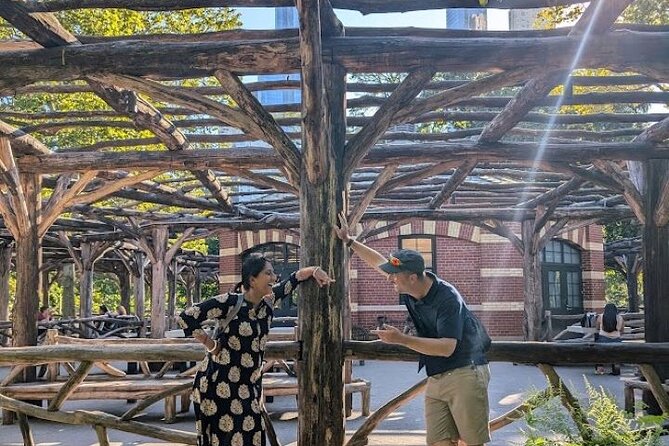
Next up is the Mall and Literary Walk, with the Walkway of American Elms as the focal point. This is a straight, tree-lined promenade known for a Quadruple Row of American Elm trees.
I like this stop because it’s both cinematic and human. Along the way, you can spot the park’s role as a stage for daily life—artists, musicians, and performers. It’s one of those places where Central Park doesn’t feel like a museum. It feels like a neighborhood common.
The tour gives this part around 15 minutes, which is enough time to take in the long perspective and then move on before the group stretches out.




Bethesda Terrace and Bow Bridge: The Romantic Hits (With Real Viewpoints)
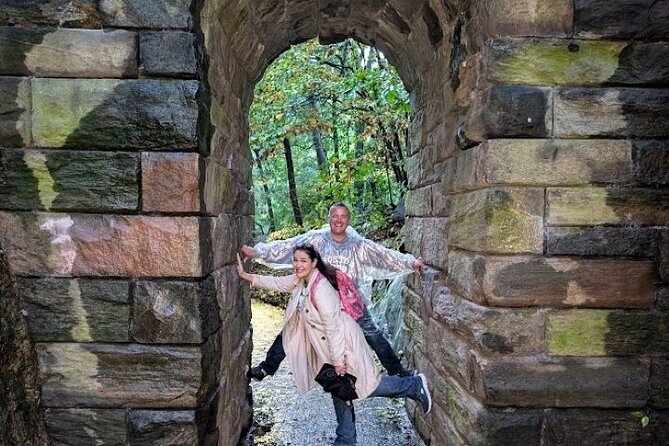
If you want the “classic Central Park photo” without hunting for angles for an hour, these next two stops do the job.
First is Bethesda Terrace, often called the heart of the park’s built features. The structure is two-tiered and it houses the iconic Angel of Waters statue at Bethesda Fountain. You’ll also get time to look over lake views, with ornate carvings that make this feel special even if you’ve seen photos before.
Then comes Bow Bridge, described as Central Park’s most photographed and filmed cast-iron bridge. The appeal here is the blend: Victorian-style bridge details plus a city skyline backdrop, framed by park foliage.
Both stops are about 15 minutes each. That’s a good pace. You can shoot a few photos, pause for a moment, and still keep the flow toward the park’s quieter center.
The Center of the Park: Belvedere Castle and the Great Lawn
From Bow Bridge, you head into a part of the park that feels like the park is secretly bigger than it looks.
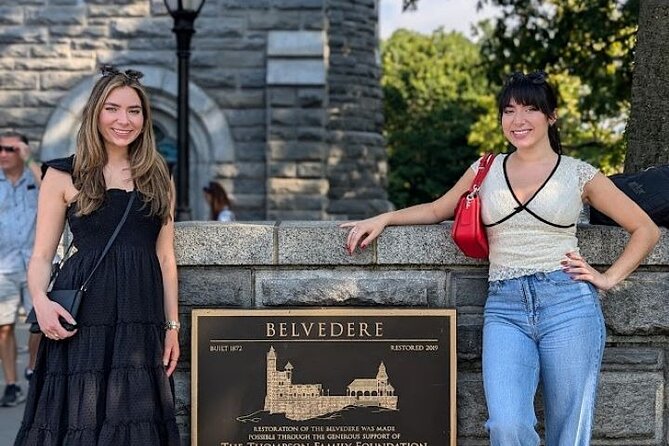
Belvedere Castle sits atop Vista Rock and is described as whimsical. The big draw is the panoramic view: the Great Lawn, Turtle Pond, and the Ramble. Inside, it’s also a nature observatory where you can learn about wildlife and bird-watching opportunities.
Then you reach the Great Lawn, centered in the park and often considered one of the most recognizable lawns in the world. It’s 55 acres, used for everyday recreation like picnicking and sunbathing, and also for organized sports—there are permit requirements for organized games.
What makes this stop feel real is how it’s used, not just admired. The Great Lawn hosts performances and public events, including annual New York Philharmonic Concerts in the Parks and the Global Citizen Festival.
You don’t need to be into sports or concerts to appreciate it. It’s the moment where you understand how Central Park can hold both quiet and major crowds in the same space.
Shakespeare Garden and a Detour into Big-City Culture: The Central Park West Story
After the park’s main scenic sequence, the tour shifts into a more urban-feeling segment along Central Park’s edge.
The Shakespeare Garden is four acres of a cottage-garden style space with trees, shrubs, flowers, and herbs referenced in Shakespeare’s work. Bronze plaques carry quote references to plants. It’s located near the Delacorte Theater, but the garden predates it.
Here’s the kind of detail that turns a stop into a memory: the garden was first created in 1912 by Dr. Edmond Bronk Southwick, an NYC Parks entomologist. It was meant for public school children to study plants and natural history and was called the Garden of the Heart. Planting beds were based on flowers found in Shakespeare’s literature, and the focus shifted more directly to Shakespeare in 1916 for the tricentennial of his death.
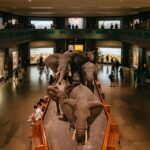
Next is a stop that looks out toward the American Museum of Natural History (AMNH) across from the park in Theodore Roosevelt Park. The description is impressive—interconnected buildings, exhibition halls, planetarium, collections numbering in the millions of specimens, and a large scientific staff. Even if you don’t go inside during the walk, this stop helps you connect Central Park to the larger culture belt around it.
Then you move along the Central Park West Historic District, a stretch between 61st and 97th Streets recognized on the national register and known for architecture spanning late 19th century through early 1940s.
And of course, you hit one of the most talked-about buildings along the route: the Dakota. It was built between 1880 and 1884 and is described as the oldest remaining luxury apartment building in NYC, a National Historic Landmark. It became famous worldwide after John Lennon—a resident and former Beatle—was shot outside on December 8, 1980. The tour notes how the area became a makeshift memorial and how it also led to increased security, including the fact that visitors were required to pass through a security booth on 72nd Street.
If you’re the kind of person who likes context while you walk, this segment can hit harder than you expect. It turns the park’s edge into a timeline.
Strawberry Fields: The Lennon Tribute Finish You’ll Remember
You wrap up at Strawberry Fields, a 2.5-acre section dedicated to John Lennon. The centerpiece is the iconic Imagine mosaic. The design is meant for quiet reflection, so you don’t feel rushed even though the tour schedule moves you here at the end.
This stop is also tied to the reality of the neighborhood. The tour description suggests you may hear local acoustic tributes while you’re there—small moments that make the place feel alive rather than purely memorial.
And because the tour includes a complimentary photo album, this is where you benefit from the planning. You don’t just take one or two quick shots; you get a set of photos associated with the day’s key views.
Price, Value, and Who This Walk Is Best For
At $45 per person, the question isn’t just what you see—it’s how you see it. Central Park is free to walk, but it’s hard to know what you’re looking at, where to pause, and how to stitch together a route that makes sense in a single morning.
This experience helps with:
- A guided sequence through high-demand landmarks like Bethesda Terrace, Bow Bridge, and Belvedere Castle
- Time at nature stops like the Pond, Hallett Nature Sanctuary, and the Ramble
- Built-in photo support, plus the complimentary photo album
- A group size that stays small enough to stay together (up to 12)
It also has a practical edge for first-timers. If you’ve never walked Central Park before, the guide helps you avoid the common problem of seeing only the “postcard” spots and missing the park’s quieter identity.
Who should book it? This is ideal for you if you:
- Want a smart route without spending your whole trip studying maps
- Enjoy storytelling alongside the sights
- Like walking and can handle moderate terrain
- Care about photos but don’t want to manage a dozen self-timer attempts
Should You Book This Central Park Tour?
If you want Central Park the way locals often experience it—walking, pausing, and learning what you’re standing on—this is a strong pick. The small group size, the guide’s personal connection (including Patrick and Katy, when available), and the photo album make it feel more “planned” than a generic walking tour.
I’d skip it only if you’re looking for a long, slow self-guided day. This is paced for momentum. You’ll see a lot, but it won’t feel like you’re lingering for hours in one exact spot.
If you’re visiting for the first time and want a memorable spine through Central Park, I’d say yes—book it and let the route do the work.
FAQ
How long is the Central Park tour?
It runs for about 2 hours 30 minutes.
How much does the tour cost?
The price is $45.00 per person.
Where do we meet, and where does the tour end?
You meet at NYC Adventures – Central Park Horse Carriage Rides at 6th Ave. and in front of José Julián Martí Statue. The tour ends right outside Strawberry Fields at Central Park West & 72nd St.
Is the tour offered in English?
Yes, it’s offered in English.
How big is the group?
The tour has a maximum of 12 travelers.
What do I get besides the walk?
The experience includes a complimentary photo album.
Is this tour physically demanding?
It’s listed as requiring moderate physical fitness.
Are there admission fees for the sights on the route?
Several stops are specifically marked as admission ticket free in the schedule, including Central Park, The Pond, Hallett Nature Sanctuary, The Walkway of American Elms (Mall and Literary Walk), Bethesda Terrace, Bow Bridge, The Ramble, Belvedere Castle, and Strawberry Fields.
What if the weather is bad?
The experience requires good weather. If it’s canceled due to poor weather, you’ll be offered a different date or a full refund.
Can I cancel and get a refund?
Yes. You can cancel up to 24 hours in advance for a full refund. If you cancel less than 24 hours before the start time, the amount paid won’t be refunded.