REVIEW · NEW YORK CITY
True Crime NYC: Mafia Walk w/Ret. NYPD Detective and Local Food
Book on Viator →Operated by NYPD Police Tours · Bookable on Viator
Mafia stories meet real police experience on foot. This 3-hour walk from the East Village to Little Italy pairs retired NYPD storytelling with real neighborhood landmarks, plus full-sized cannoli at the end of the route. You get street-level context on Cosa Nostra, the hierarchy inside the families, and even some The Sopranos filming locations.
I especially like two things: first, the guide framing the Mafia through the lens of law enforcement work, not just headlines; second, the food stops feel like part of the trip rather than a token snack. One consideration: a lot of the route is outdoors, so winter can be a serious factor—dress warm and plan for a slower walking pace.
In This Review
- Key takeaways before you go
- East Village meet-up at 302 E 12th St: where the tour’s tone starts
- The red-sauce joint, spaghetti welcome, and why it’s better than a snack
- East Village Mafia origins and family hierarchy: the names make sense here
- Second Avenue Prohibition history: the era behind the appetite
- Liz Christy Bowery Houston Community Garden: a surprising connection
- Mulberry Street and the Gambino social club story
- Little Italy sweet finale: dolce at a long-running pastry shop
- La Bella Ferrara: why the tour includes a large cannoli
- Food on this walk: what’s included and what to expect
- Price and value: is $75.65 reasonable for 3 hours?
- Who should book this Mafia Walk (and who should skip it)
- Booking timing and the small practical details that matter
- Should you book True Crime NYC: Mafia Walk with a retired NYPD detective?
- FAQ
- Where does the tour start and end?
- How long is the Mafia Walk?
- What’s included in the food?
- Are drinks included?
- Does the tour run in bad weather?
- How big is the group?
- Is the tour wheelchair or mobility friendly?
- What’s the meeting-point format for tickets?
- Is alcohol included, and is there an age limit?
- What’s the cancellation policy?
Key takeaways before you go
- Retired NYPD detectives as guides: you’re not just hearing folklore, you’re getting case-based perspective.
- Full-sized cannoli finish: you’ll get proper portions, not the mini-tour version.
- East Village to Little Italy route: you’ll connect the early Mafia groundwork to the later neighborhood power centers.
- Two included tastings: spaghetti welcome plus a sweet finale at long-running pastry shops.
- All-weather operation: the tour keeps moving, even when the weather is not friendly.
East Village meet-up at 302 E 12th St: where the tour’s tone starts
Plan to start at 302 E 12th St. It’s a good neighborhood launch point because it sets expectations: this isn’t Midtown “tour bus” New York. It’s the kind of area where old storefronts and ordinary streets help the past feel close.
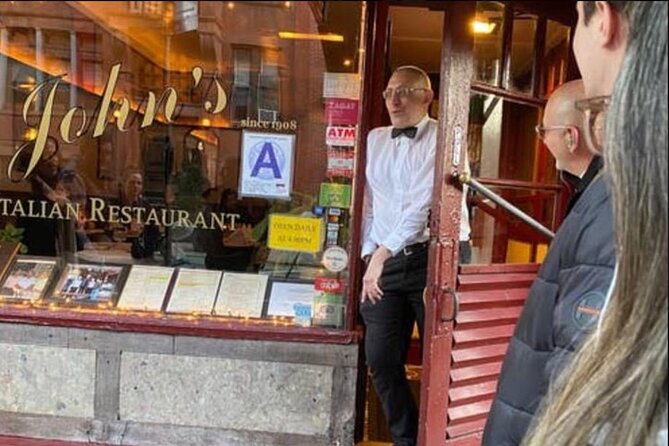
From the jump, your guide points you toward the criminal history that grew out of these blocks. The group begins at a NYC red sauce restaurant that’s described as a spot frequented by mafia members, and it’s the setting for your spaghetti welcome. This matters because it turns the story from abstract names into something tied to actual places people ate and gathered.
If you like straight talk and strong storytelling, this start usually hits the right note. You’ll also get used to how the guide structures the walk: short story, then street context, then the next connection.
You can also read our reviews of more food & drink experiences in New York City



The red-sauce joint, spaghetti welcome, and why it’s better than a snack
The tour’s first food moment isn’t a cookie-cutter stop. You’re served spaghetti with tomato sauce, and the way it’s described by past guests suggests it’s the kind of portion that keeps you going for the next blocks.
Why I think that matters: on walking tours, hunger makes the city feel louder and the stories feel harder to follow. Here, the food is timed to keep you comfortable while your guide lays out the basics—who rose, how the groups operated, and where the influence showed up in daily life.
Also, the guide is the main event. Some recent guides named in guest feedback include Frank, Dennis, Louie, Jane, and Mike, and the consistent theme is that they connect the story to what you can actually see on the street. That’s rare, and it’s a big reason this tour has such a strong rating.
East Village Mafia origins and family hierarchy: the names make sense here
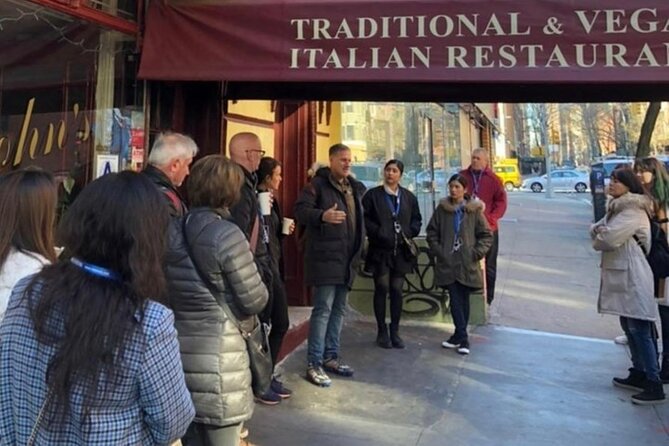
After the spaghetti start, you head deeper into the East Village. This is where the tour slows down conceptually and speeds up in detail. You learn how the Mafia took shape in New York City and how the internal ladder worked—foot soldiers, captains, and the boss level.
You’ll also walk in the footsteps of major figures tied to the neighborhood timeline. The tour highlights names like Lucky Luciano and John Gotti, plus other big operators tied to the city’s crime families. Instead of treating them like movie characters, your guide explains them as parts of a larger system—alliances, rivalries, and power shifts.
If you’re a film fan, keep an ear open for The Sopranos filming locations. Even if you don’t remember every scene, the street-to-screen connection adds a fun layer to how you look at the city afterward.
One small reality check: the pace is relaxed, but it still means you’re outside for much of the day. If you’re sensitive to cold or have stiff knees, plan accordingly.
Second Avenue Prohibition history: the era behind the appetite
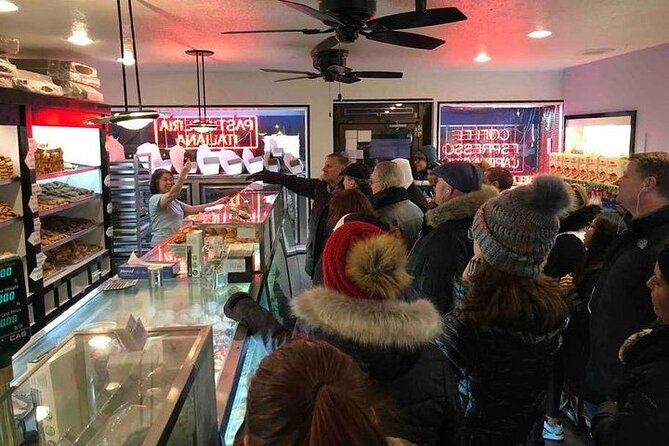
Between East Village blocks, the tour includes a stop focused on Second Avenue’s Prohibition history. That’s not just trivia. Prohibition is the kind of historical trigger that turns organized crime into big business, because it creates demand, profit, and illegal supply routes.
On a walk like this, you don’t need to memorize dates. What you want is the cause-and-effect. Your guide’s job is to show you how laws change behavior, and how criminal groups exploit the gap.
This section also helps the whole story click: you’re seeing why neighborhoods became crucial, why certain groups gained influence, and why the Mafia developed structures that looked suspiciously like corporate management.
Liz Christy Bowery Houston Community Garden: a surprising connection
Next comes a thoughtful stop: Liz Christy Bowery Houston Community Garden. This is where the tour adds a layer beyond the usual mob-tour script by tying an urban community space to the area’s criminal history.
Even if you’re not looking for “pretty park” photos, this part is useful. It reminds you that cities are layered. The same block can hold both old violence and new civic life, and the tour uses that contrast to keep the story grounded in real New York.
Expect a short stop here—about 15 minutes—so focus on listening rather than scanning for every view angle.
You can also read our reviews of more tours and experiences in New York City

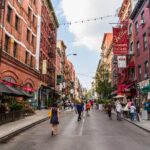

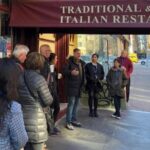
Mulberry Street and the Gambino social club story
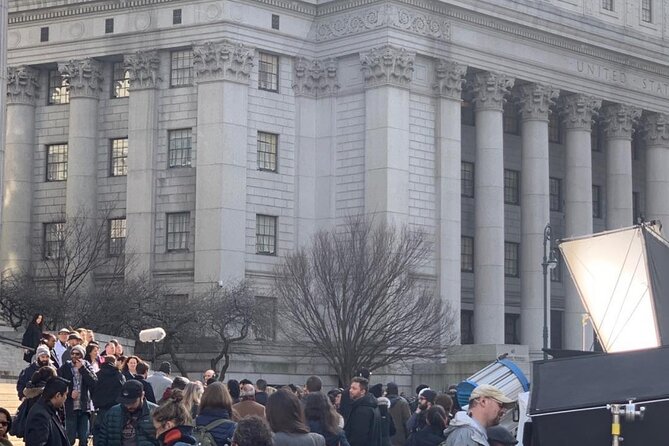
From there, you move toward Mulberry Street, and the guide focuses on the Gambino crime family and John Gotti. The tour includes firsthand accounts style storytelling, framed by the fact that the guides come from NYPD work experience.
This is also where Little Italy starts to become more than a dessert stop. Mulberry Street is presented as a place where the city’s mafia power turned into something social—clubs, networks, and patterns that were hard for outsiders to see.
The stop itself is brief—about 5 minutes—but it’s a turning point. You’re moving from early-building blocks and big eras into the later neighborhood centers where certain families were linked with specific hubs.
Little Italy sweet finale: dolce at a long-running pastry shop
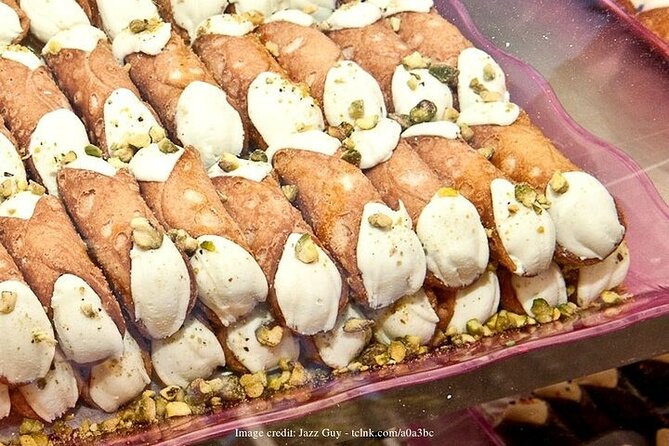
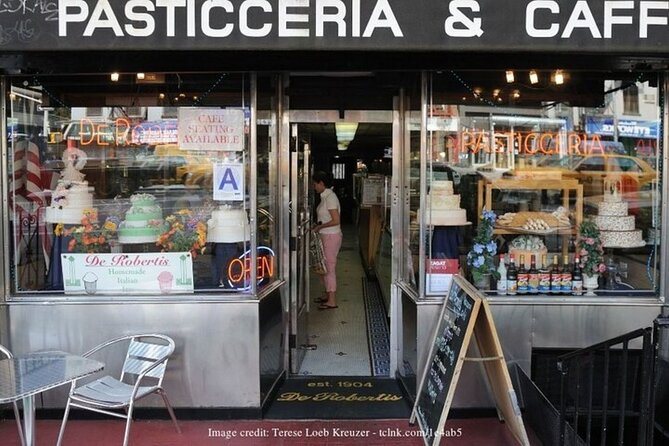
The tour ends in Little Italy, and the final act is food that matches the hype in a very practical way. The experience includes a cream-filled Sicilian cannoli at a pastry shop described as opened nearly 100 years ago, with close friends who own and operate the place.
You’ll have around 30 minutes here, which is enough time to eat, catch your breath, and ask questions while your guide wraps up the story. The tour also positions this stop as the best pastry shop in town, run by locals and frequented by nearby regulars—so it’s not just about the cannoli, it’s about experiencing a slice of the neighborhood’s rhythm.
La Bella Ferrara: why the tour includes a large cannoli
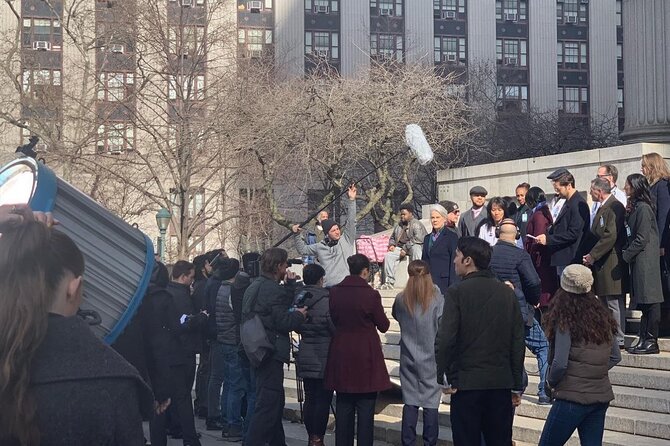
After the main pastry stop, there’s an additional cannoli stop at La Bella Ferrara, with a focus on getting the best cannoli and ensuring it’s not a mini portion. This final 10 minutes is short on time but strong on payoff if your idea of a good walking tour ending is simple: eat something great, then go do something else.
In the feedback you’ll see a theme: people praise the cannoli portion size and the fact that it’s not the tiny, overpriced “tour” candy. That matters for value. A walk can feel expensive if the food portion is weak. Here, the tour seems built to stop that complaint before it starts.
Food on this walk: what’s included and what to expect
Let’s spell out what you’ll eat, because it affects whether the $75.65 price feels fair.
You’re served:
- Spaghetti welcome at the red sauce joint
- Lunch pasta with tomato sauce
- A full-sized cannoli as part of the included meal
- Additional cannoli snacks in Little Italy, including a large cannoli at La Bella Ferrara
- An Italian pastry dessert element described as a cream-filled Sicilian cannoli for the dolce portion
Drinks are not included. You can purchase drinks on the day.
Why I like this setup: you get a salty start and a sweet finish. You also avoid the awkward food timing that sometimes happens on city walks where you’re stuck waiting until the end to eat anything.
Price and value: is $75.65 reasonable for 3 hours?
At $75.65 per person for about 3 hours, the value comes from three things working together:
- A retired NYPD detective style guide (story + street context, not just narration)
- A route with multiple story landmarks across East Village and Little Italy
- Food that’s repeatedly described as full-sized rather than “sample-sized”
Also, this isn’t a giant crowd situation. The tour caps at 35 travelers, which usually helps keep the guide’s attention on the group instead of turning it into a microphone chorus.
Could it be overpriced if you’re mainly hungry? Maybe. This is primarily a history and true crime walk with food stops. If you’re expecting a full-on “food tour” where you try lots of different dishes, you might feel it’s more history-forward than food-forward. But if you want the city story plus real cannoli, the price looks more balanced.
Who should book this Mafia Walk (and who should skip it)
This tour is a strong fit if you:
- Love organized crime stories grounded in real places
- Want a guide with law enforcement perspective
- Enjoy walking neighborhoods and picking up local context fast
- Want one clear “anchor” experience in East Village + Little Italy
It may not be ideal if you:
- Have walking or leg conditions, since it’s a walking tour with outdoor time
- Don’t like cold weather and you’re visiting in winter without proper layers
- Expect lots of beverages or a wide menu beyond pasta and cannoli
Service animals are allowed, and the tour runs in all weather, which is helpful if your trip includes rain or cold snaps.
Booking timing and the small practical details that matter
Tours are booked in advance, with an average booking window of about 28 days. If you’re traveling in a busy month or on a weekend, lock in a spot early.
You’ll also get a mobile ticket, and the tour runs in English. It’s set up near public transportation, so you shouldn’t need a car to make the meet-up work.
If you care about alcohol: the tour notes that anyone under the legal age for alcohol consumption (18) will not be served alcoholic beverages. If you’re planning to drink, you’ll want to confirm what’s available on the day since drinks are not included.
Should you book True Crime NYC: Mafia Walk with a retired NYPD detective?
If you’re choosing between a generic mafia-themed walk and one led by a retired NYPD guide with multiple landmark stops, I’d book this one. The mix of East Village and Little Italy makes the story feel like it moves with the city, not just recited facts. And the repeated emphasis on full-sized cannoli is the kind of detail that affects real satisfaction.
Book it when you can wear warm layers and you’re ready to listen while walking. Skip it only if you need a very short outdoor time, have mobility limits, or want a bigger variety of food than pasta and cannoli.
FAQ
Where does the tour start and end?
The tour starts at 302 E 12th St, New York, NY 10003. It ends at the corner of Mulberry and Canal Street, listed as 108 Mulberry St, New York, NY 10013.
How long is the Mafia Walk?
It’s listed as about 3 hours.
What’s included in the food?
You get lunch pasta with tomato sauce, plus full-sized cannoli and additional Italian pastry/cannoli tastings in Little Italy.
Are drinks included?
No. Drinks are not included, but you can purchase drinks on the day.
Does the tour run in bad weather?
Yes. The tour operates in all weather.
How big is the group?
The tour has a maximum of 35 travelers.
Is the tour wheelchair or mobility friendly?
It’s not recommended for travelers with walking/leg conditions, and you should have a moderate physical fitness level.
What’s the meeting-point format for tickets?
You receive a mobile ticket.
Is alcohol included, and is there an age limit?
Alcohol is not mentioned as part of the included items. The tour states that travelers who have not reached the legal age for alcohol consumption (18) will not be served alcoholic beverages.
What’s the cancellation policy?
Cancellation is free up to 24 hours in advance for a full refund. Canceling within 24 hours does not receive a refund.