REVIEW · NEW YORK CITY
Financial Crisis Tour
Book on GetYourGuide →Operated by The Wall Street Experience · Bookable on GetYourGuide
Wall Street can feel like a movie set. This tour turns it into the plot of the 2008 crash, told by a Wall Street-experience guide who connects what you’re seeing to what actually went wrong.
I especially like the way the guide frames the story from the people close to trading and risk, so you get the human side of the collapse—not just charts. And I also like the smart pacing: you’re out in the open downtown for photos and context, then you leave with a clearer “how this happened” picture.
One drawback to plan for: it’s outdoors and Downtown Manhattan gets windy, and the New York Stock Exchange is closed to visitors—so you’re looking from the outside only.
In This Review
- A Few Things You’ll Notice Fast
- Why This 2-Hour Wall Street Crisis Walk Makes Sense
- Meeting at 22 Broad Street: Where Your Tour Starts (and Where You Won’t)
- The New York Stock Exchange Photo Stop: Close Enough to Feel the Weight
- Wall Street Proper: The Guided Part That Turns Sights Into Meaning
- Federal Hall: A Classic Downtown Landmark With Financial Roots
- Stone Street Historic District: Where the Human Scale Sneaks In
- Charging Bull: Photo Fun, Plus a Real Crowd Tip
- Trinity Church: Old New York Meets Modern Finance
- One More Stop for Context: Security and the Darker Side of Downtown
- How You’ll End: Federal Reserve Bank of New York Drop-Off
- Pricing and Value: Is $59 for Two Hours a Good Deal?
- Who This Tour Fits Best (and Who Might Want Something Else)
- Practical Tips for a Smooth, Wind-Proof Walk
- The Guide Can Make or Break It: What to Expect From the Storytelling
- Should You Book the Financial Crisis Tour?
- FAQ
- How long is the Financial Crisis Tour?
- Where do I meet the guide?
- Can I enter the New York Stock Exchange during the tour?
- What should I wear or bring for the outdoor walking tour?
- What’s included in the ticket price?
- Is transportation included?
A Few Things You’ll Notice Fast
- Insider-style storytelling that explains 2008 in plain English, not just finance jargon
- Landmark photo stops across Lower Manhattan, from the NYSE area to Trinity Church
- Lower Manhattan history woven in, so the crisis sits inside a longer financial story
- Small-group energy and hearing support, with some guides using a microphone on-site
- Better photo strategy at Charging Bull if you time it well (early is calmer)
Why This 2-Hour Wall Street Crisis Walk Makes Sense
I like tours that respect your time. Two hours sounds short, but it’s a sweet spot for this part of Manhattan because the area is dense: you can see major institutions without spending half your day in transit.
The real value here is the way the guide tells the financial crash as a sequence of decisions and pressure points. You’re not memorizing acronyms for sport. Instead, you’re learning why the crisis became the most significant financial meltdown since the Great Depression—and why it spread globally.
And since this experience has been recommended by The New York Times, you can expect a “do we actually learn something?” format, not a generic history walk. You’ll still get plenty of landmarks, but the point is the crisis: what happened, who was involved, and why the outcomes were so brutal.
You can also read our reviews of more tours and experiences in New York City.



Meeting at 22 Broad Street: Where Your Tour Starts (and Where You Won’t)
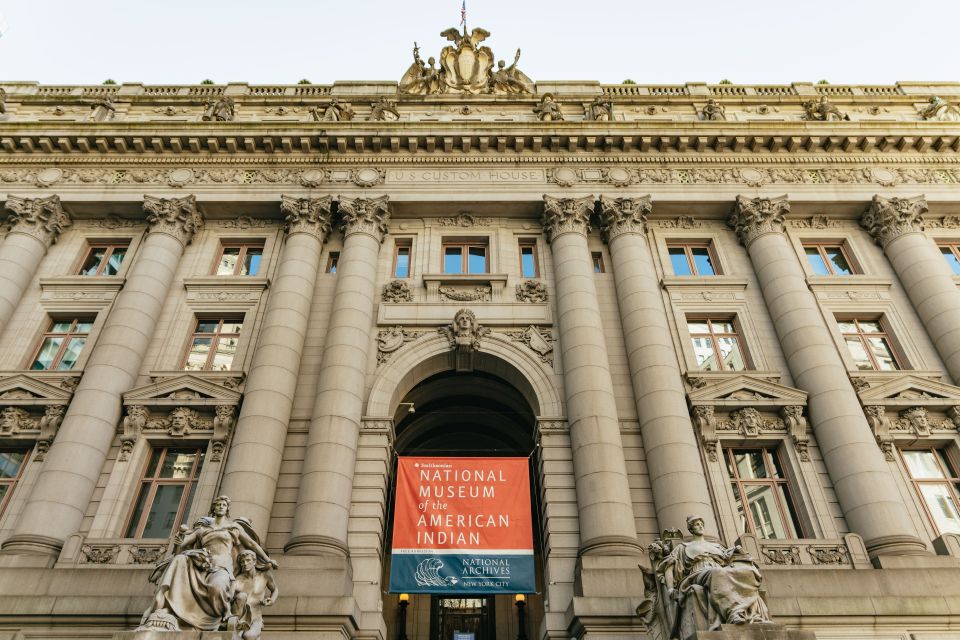
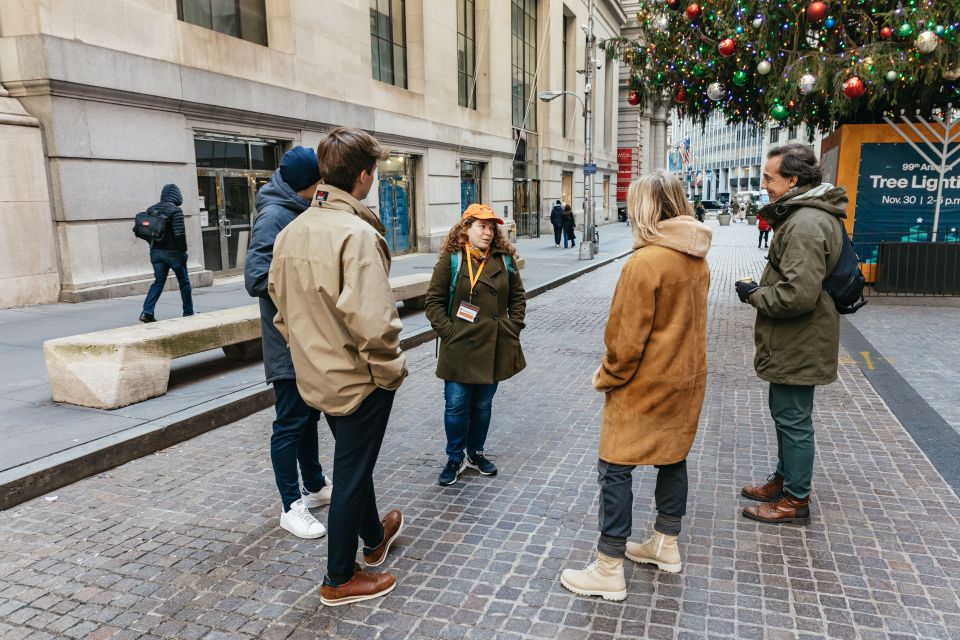
The meeting point is easy to miss if you show up late. Meet your guide at 22 Broad St, in front of Blue Bottle Coffee, and across from 15 Broad St. The guide stands out in an orange hat.
Arrive about 10 minutes early. This is outdoors, and Downtown Manhattan waits for nobody. Also, don’t wander into nearby buildings—this stop is strictly the starting area.
What I like about starting here: it puts you right in the Financial District flow. Within minutes you’re in the right mindset, with the architecture and street grid doing part of the explanation for you.
The New York Stock Exchange Photo Stop: Close Enough to Feel the Weight
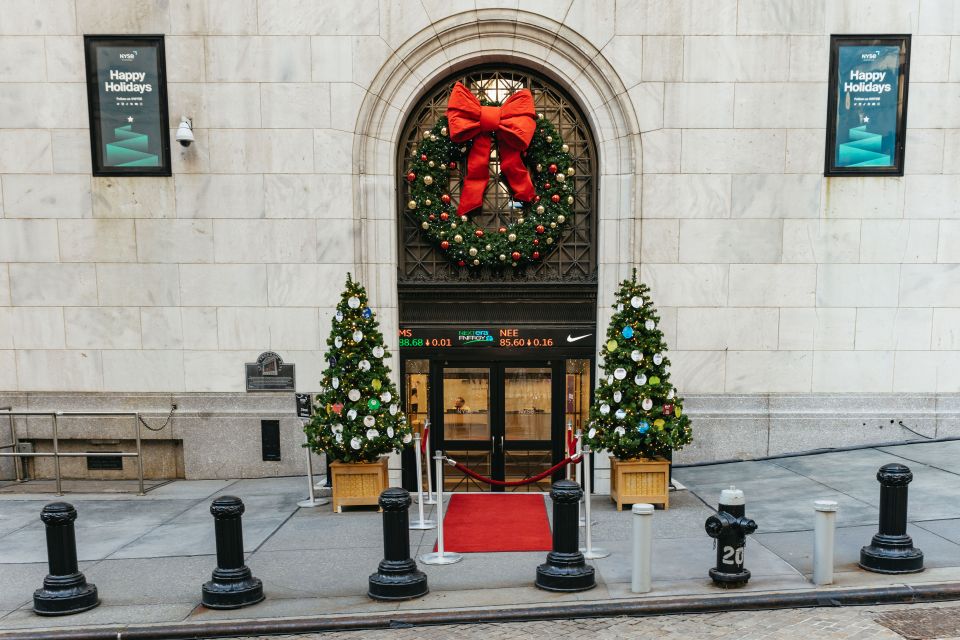
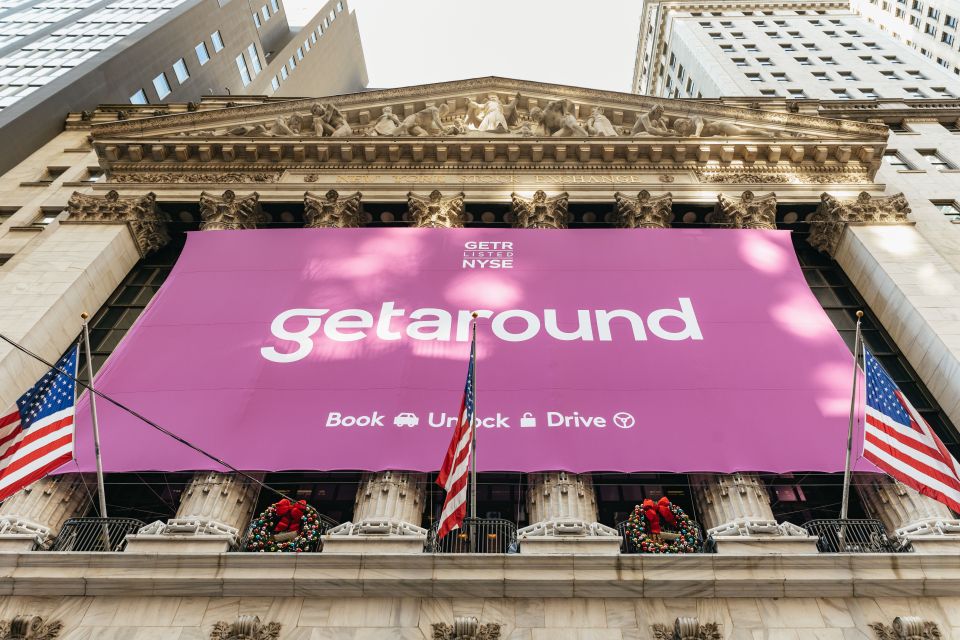
You’ll get a photo stop around the New York Stock Exchange area, plus sightseeing context. Here’s the key practical point: the NYSE is closed to visitors, so there’s no inside visit.
That sounds like a loss, but it actually sharpens the experience. Seeing the building from the outside helps you understand the tone of Wall Street—formal, powerful, and built for authority. Then the guide connects that atmosphere to the reality of 2008: decisions made behind secured doors, risk moving fast, and consequences showing up when trust breaks.
If you came hoping to tour the trading floor, you’ll need to recalibrate. Think of this stop as a “stage setting” moment—then the guide supplies the backstage story.
Wall Street Proper: The Guided Part That Turns Sights Into Meaning
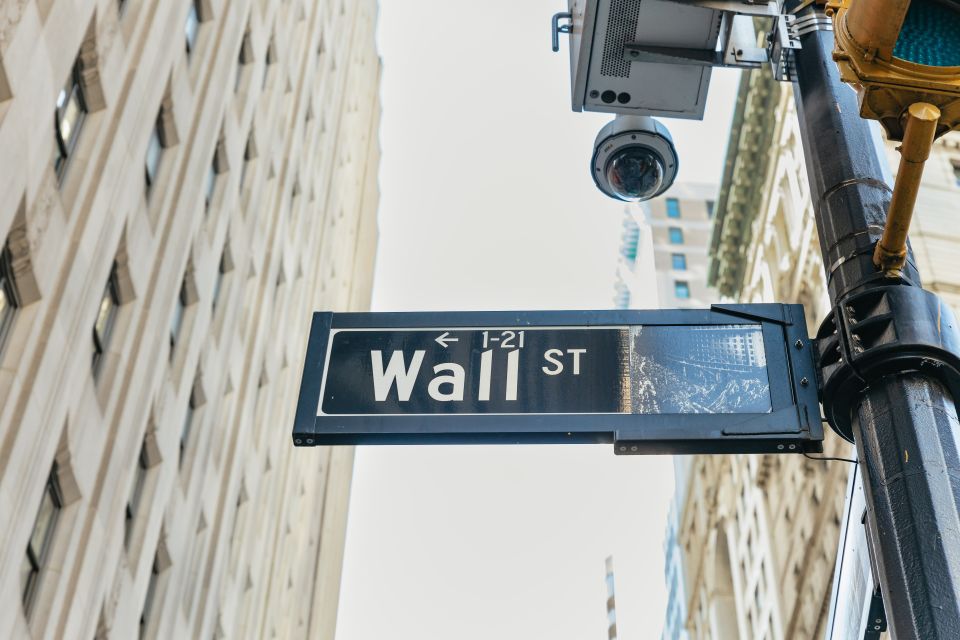
This is where the tour shifts from “see the street” to “understand the street.” You’ll spend time along Wall Street with guided commentary and photo stops.
The guide’s focus is the 2008 global financial crisis: how pressure on markets, complex financial products, and failures in risk understanding piled up until major institutions collapsed. Along the way, you’ll hear how some traders built massive fortunes while others were watching the floor drop out from under major firms.
That contrast matters. It’s not just doom-and-gloom. It’s also a lesson in incentives—how people can behave rationally inside a system that’s drifting toward irrational outcomes.
If you’re worried about it being too “finance lecture,” you’ll likely be okay as long as you enjoy stories with stakes. Some guides can get a bit technical at moments, but the overall goal stays clear: make the story make sense.
Federal Hall: A Classic Downtown Landmark With Financial Roots
Next up is Federal Hall for a photo stop and sightseeing. This is a smart inclusion because it reminds you that New York’s financial power didn’t start with 2008.
The guide uses landmarks like Federal Hall to connect past and present. You’re walking through a district where finance and government have always had an uneasy relationship, where laws, institutions, and money move in tight circles.
Even if you know the basics of American history, the viewpoint here is different. Instead of focusing only on the past event, you’re watching how the physical geography of power influences the story of money.


Stone Street Historic District: Where the Human Scale Sneaks In
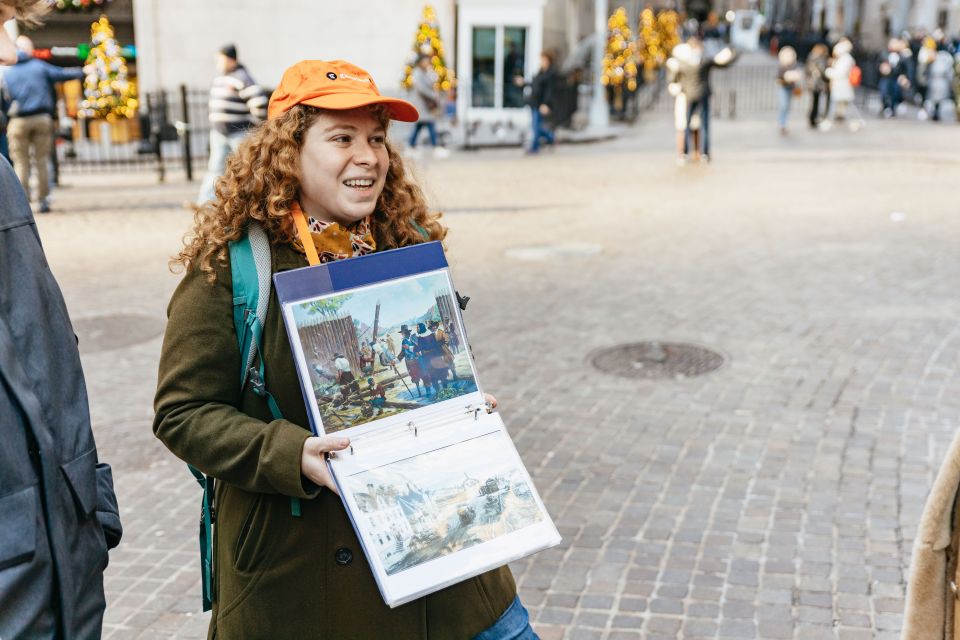
A photo stop at the Stone Street Historic District adds texture. This part of Lower Manhattan feels less like a wall of offices and more like a place with personality.
The benefit is that it gives your brain a breather. After hearing about high-speed financial collapse, you get a slower, older streetscape with cobblestones and historic surroundings. That contrast helps you remember the crisis as something that happened in real places, not just in trading rooms.
It’s also a nice moment for photos, since the architecture and street feel built for images.
Charging Bull: Photo Fun, Plus a Real Crowd Tip
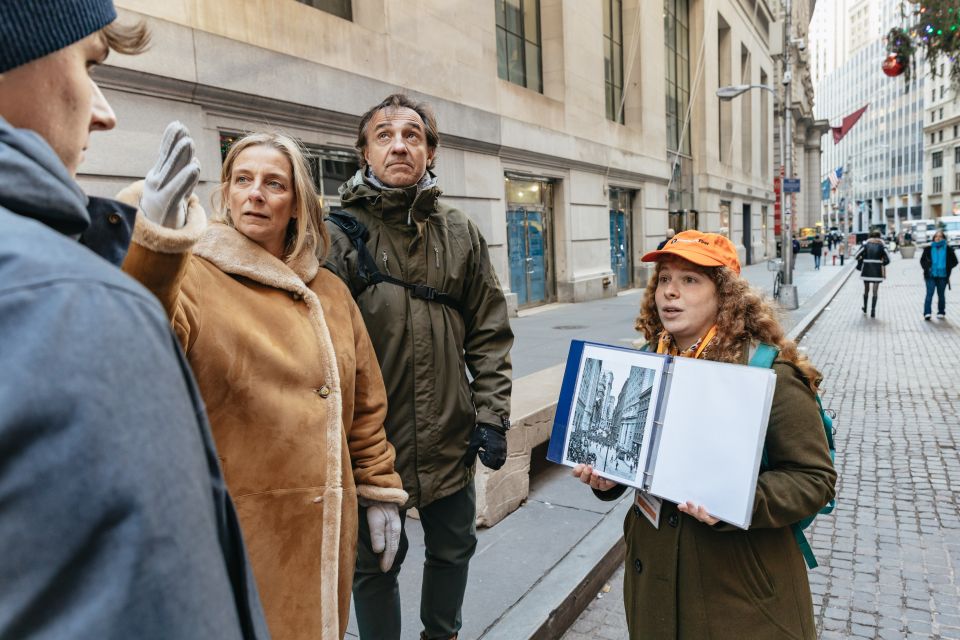
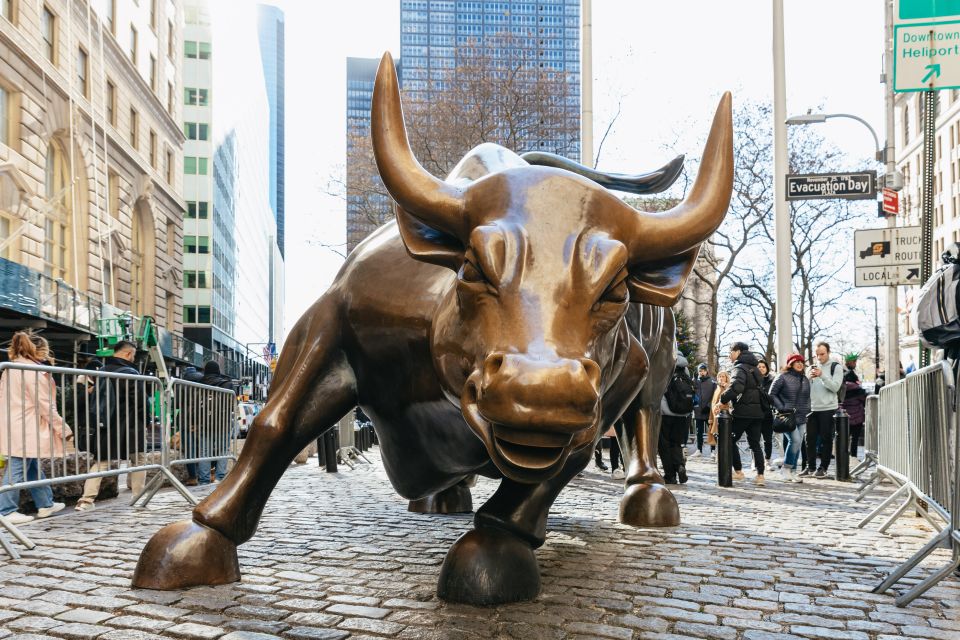
Yes, you’ll see Charging Bull. It’s a quick photo stop with guided context.
Here’s the practical tip I’d follow: if you want a photo without fighting the crowd, go earlier in the day. A calmer moment after an early breakfast makes a big difference, especially for family groups or anyone who hates long waits.
Also, don’t rush this stop. The guide’s story around the bull’s location ties the modern Wall Street symbol to the bigger theme: money, swagger, and the emotional side of markets. Even if you’ve seen the statue before, it lands differently after hearing the crisis narrative.
Trinity Church: Old New York Meets Modern Finance
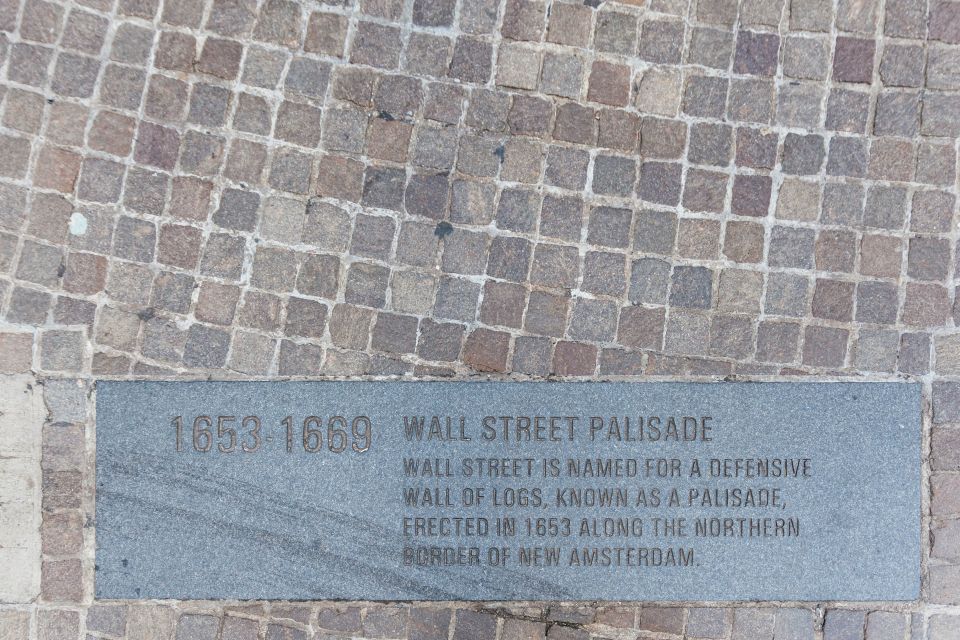
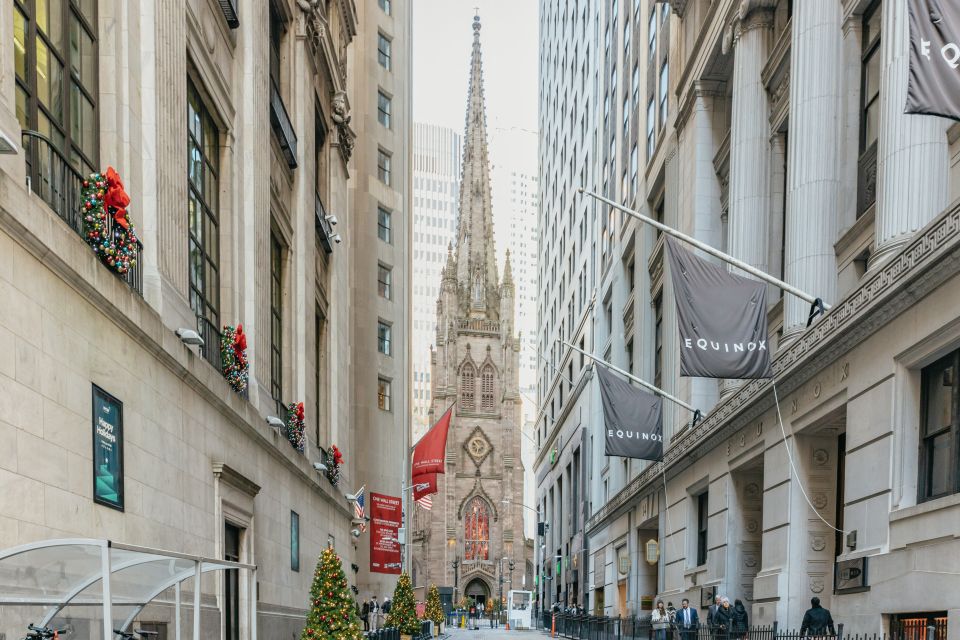
Another photo stop is Trinity Church. This is one of those Downtown landmarks that makes the area feel larger than it first appears.
For me, it works because the guide can point to how the crisis played out amid institutions that have long shaped the city’s identity. It’s not just about 2008; it’s about how New York keeps reinventing its role as a financial hub.
If you like architecture and atmosphere, you’ll appreciate this moment. If not, you’ll still get something: a reminder that Wall Street sits on top of centuries of civic and community structures.
One More Stop for Context: Security and the Darker Side of Downtown
The route includes an additional photo stop before the tour ends. One standout detail the guide may connect here is the spot tied to Lower Manhattan’s first terrorist attack—described as a horse-and-cart bomb.
This matters because it changes how you think about “insider access” in Lower Manhattan. After 9/11, security reshapes what the public can see. The NYSE remains off-limits for visitors, and the atmosphere feels tighter. That context helps explain why you’re learning through guided viewing and storytelling rather than inside access.
It’s heavy information, but it fits the overall theme: when big systems fail—financial or security-based—the consequences become very real, very fast.
How You’ll End: Federal Reserve Bank of New York Drop-Off
The tour wraps with two drop-off locations, including the Federal Reserve Bank of New York, 36 Liberty St.
Ending near the Fed is a strong final note. It reinforces the point that the crisis wasn’t only about private firms. It was also about the wider financial system and how central banking and regulators respond once the damage becomes obvious.
You’ll leave with a clearer mental map of the district’s major institutions—and how they connect to the story you just heard.
Pricing and Value: Is $59 for Two Hours a Good Deal?
At $59 per person for 2 hours, this is fairly priced for an area where guided time is expensive and where access is limited. You’re paying for two things: a guide with specific Wall Street-experience storytelling and a route that hits major landmarks efficiently.
If you’re the type who likes street-level learning—seeing buildings, then hearing the human story behind them—this can be excellent value. The alternative is trying to piece the 2008 story together yourself from books and half-understood videos while you’re standing outside the NYSE anyway.
On the flip side, if you’re hoping for a hands-on financial workshop or full interior access to institutions, you may feel the price is less justified. The tour is about understanding and context, not about entering restricted buildings.
Who This Tour Fits Best (and Who Might Want Something Else)
This works especially well for:
- Anyone who wants the 2008 crisis explained with clarity, not math
- People who enjoy history tied to place—especially in Lower Manhattan
- First-time Wall Street walkers who want the important landmarks connected to real events
It may not be ideal if:
- You want quiet, minimal walking in strong wind (it’s outdoors)
- You need to go inside the NYSE or other secured institutions (that’s not part of the experience)
A good sign: the tour is built around sightseeing photo stops and guided narration, so it doesn’t depend on interior entry to deliver its main message.
Practical Tips for a Smooth, Wind-Proof Walk
Downtown Manhattan can be seriously windy. That affects comfort more than anything else, since you’re mostly outside.
Bring:
- Your camera (you’ll want photos at multiple major points)
- A jacket you can handle outdoors
- Something for wind—hoods help, hats help more
Also, don’t plan a tight schedule right after. Two hours goes by fast once you’re walking, stopping, and listening closely to the crisis narrative.
If you get anxious about hearing details outdoors, you’ll be glad to know some guides use a microphone for clarity, which helps a lot when the wind is doing its thing.
The Guide Can Make or Break It: What to Expect From the Storytelling
One of the most praised parts of this experience is the guide’s ability to make complex events feel understandable. You’ll hear accounts shaped by real-world trading and institutional focus, and the narration often includes humor and adaptability.
Names that show up in standout guide feedback include Emily, Jared, James, Peter, Tom, and Mr. Van Buren. The common thread: strong storytelling and pacing that keeps the group engaged.
If you’re lucky with your guide, the crisis story clicks quickly. If your style preference is heavy and purely analytical, you might still appreciate the structure, but it could feel a bit story-forward.
Either way, you’ll leave with a more organized mental timeline of 2008 instead of scattered facts.
Should You Book the Financial Crisis Tour?
Book it if you want a clear, place-based explanation of the 2008 financial crisis with major Lower Manhattan landmarks, strong guide storytelling, and a format that fits into a short visit window.
Skip or look for a different option if you mainly want museum-style exhibits, or if interior access is a must for you—because the NYSE is closed to visitors and most of what you’ll do is view and listen outdoors.
If you do book, dress for wind, bring your camera, and treat the tour as a story map. You’re not just seeing Wall Street. You’re learning why it broke—and why it changed everything.
FAQ
How long is the Financial Crisis Tour?
The tour lasts 2 hours.
Where do I meet the guide?
Meet at 22 Broad St, in front of Blue Bottle Coffee and across from 15 Broad St. The guide will be wearing an orange hat.
Can I enter the New York Stock Exchange during the tour?
No. The New York Stock Exchange is closed to visitors, so you’ll have a photo stop and sightseeing from outside.
What should I wear or bring for the outdoor walking tour?
Wear weather-appropriate clothing and expect it can be particularly windy downtown. Bring your camera too.
What’s included in the ticket price?
Included is a guide with Wall Street experience.
Is transportation included?
No. Transportation is not included, so you’ll plan to get there and depart on your own.