REVIEW · NEW YORK CITY
Ground Zero Tour with One World Observatory Access
Book on Viator →Operated by New York Tours · Bookable on Viator
A visit to Ground Zero can be heavy, fast, and personal. This tour keeps the pace smart: you start at the Oculus, get guided context around the 9/11 Memorial and the World Trade Center complex, then roll right into the One World Observatory for city views. I love that you’re not just looking at buildings—you get survival and heroism stories from the people who lived through them, with guides like Andrew and Christopher bringing real-world detail and a steady tone. I also love the design mix: modern architecture up close, then Manhattan from 102 stories up. One drawback to plan for is the emotions here run deep, so if you want a purely upbeat NYC day, this one may feel intense.
The other thing that makes this easy is how tight the timing feels for first-timers. You’ll get a mobile ticket, a guided walking route with extra-large visuals, and skip-the-ticket-line access for the Observatory. The group stays small (up to 25), and you can choose morning or afternoon departures.
In This Review
- Key highlights you’ll actually care about
- Meeting at 20 Dey St and getting oriented at the Oculus
- Oculus, FDNY Captain John Jonas, and the Dragon Fighters
- Memorial Plaza overlook: seeing the whole complex at once
- Brookfield Place and Operation Aegis by sea
- Winter Garden glass pavilion and the Eleven Tears Memorial
- World Trade Center complex: design choices, Building Four, and the Survivor Tree
- One World Observatory: fast elevators, HD timelines, and clear-day views
- Value check: $109 for a guided route plus Observatory access
- Who this Ground Zero + One World day trip suits best
- Should you book it?
- FAQ
- How long is the Ground Zero tour with One World Observatory access?
- What is included in the $109 price?
- Where does the tour start and where does it end?
- Do you offer morning and afternoon departures?
- What happens when you go to One World Observatory?
- What views are possible from One World Observatory?
- How large are the groups?
- Can I cancel and get a refund?
Key highlights you’ll actually care about
- Oculus start point: You begin at the Starbucks across from the Oculus, a major subway hub.
- FDNY history on the route: The tour introduces FDNY Captain John Jonas and the Dragon Fighters.
- Operation Aegis at Brookfield Place: You learn about the sea evacuation and the scale of civilians moved.
- Winter Garden + Eleven Tears Memorial: The glass pavilion and the tribute to the 11 American Express employees.
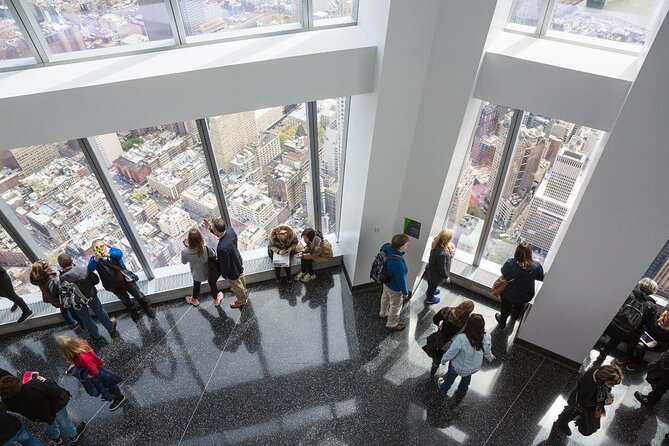
- One World Observatory with skip-the-line: Fast elevator ride (under 48 seconds) plus HD screens during ascent.
- Clear-day viewing: See up to four states from the observation level.
Meeting at 20 Dey St and getting oriented at the Oculus
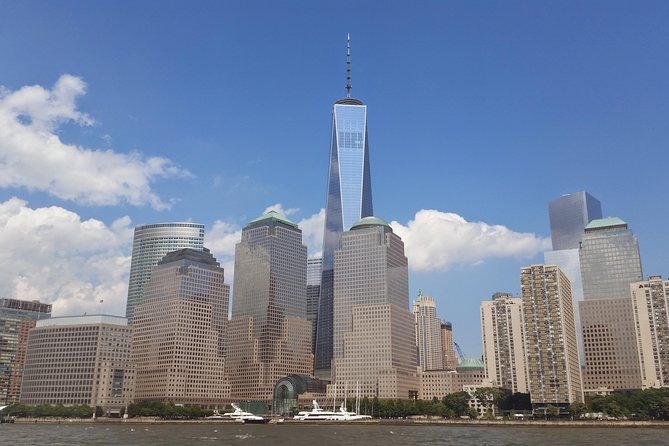
This tour starts at 20 Dey St, in Lower Manhattan, and it’s a smart place to begin. The Oculus is impossible to miss, and it gives you an immediate sense of the new World Trade Center area—clean lines, huge interior volume, and the feeling of a busy transport hub rebuilt for the future. It’s also close enough to everything you’ll walk to next, so you spend time seeing, not crisscrossing.
Expect a guided start right away. You’ll meet near the Starbucks across the street, then head into the story of what happened on Sept. 11, 2001—plus what came after. That early orientation matters. Without context, the area can feel like just another set of impressive buildings. With context, it becomes a map of choices: how the city honored loss, how it rebuilt, and how it tried to keep moving.
One more practical note: the tour is designed for regular people in small groups, with a maximum of 25. That keeps things from turning into a herd, especially around memorial moments when you’ll want space to look and think.
You can also read our reviews of more tours and experiences in New York City.



Oculus, FDNY Captain John Jonas, and the Dragon Fighters
The Oculus stop is more than a photo-op. The guide uses the location to introduce FDNY Captain John Jonas and his team, the Dragon Fighters. That detail helps because it grounds the history in specific people and roles, not just broad tragedy.
I like this approach for two reasons. First, the 9/11 story is easy to reduce to headlines. Second, Captain Jonas and his team give you a different lens: organized courage, leadership, and teamwork under pressure. You’re standing in a modern transit wonder, but you’re also learning how first responders were trying to move through the chaos.
If you’re a first-timer in New York, you’ll also appreciate the way the Oculus anchors your bearings. It’s a landmark you can return to later, which helps when you’re planning your next subway ride or your post-tour stroll.
Memorial Plaza overlook: seeing the whole complex at once
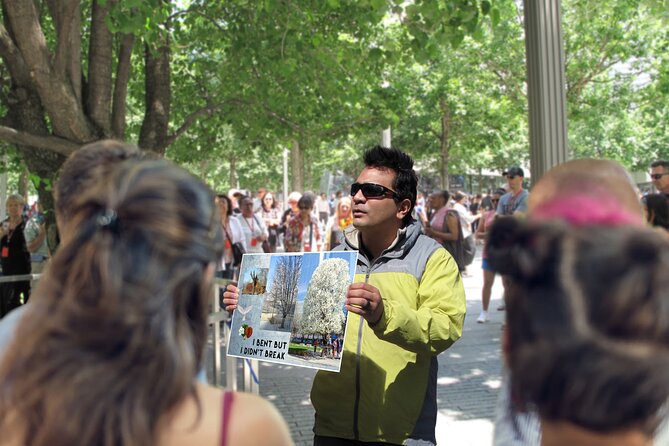
Next you’ll move to an overlook of the World Trade Center Memorial Plaza. This part is set up for clarity. From the right vantage, you can take in the larger complex—One World Trade Center, the reflecting pools, and the museum—without losing the thread of what you’re looking at.
This overlook is valuable because it changes how you experience the memorial. When you see the buildings all together, it becomes easier to understand the rebuilding plan: where structures rose, what spaces were designed for reflection, and how the area was re-shaped into a place that holds memory while still functioning as part of the city.
The tone here is typically respectful and focused. You’ll have a chance to step in, look around, and absorb the symbolism without having to read every plaque on your own. It’s also a good moment to slow down if you’ve come in expecting a quick “see-and-go” attraction.
Brookfield Place and Operation Aegis by sea
Then the tour moves to Brookfield Place, and the story shifts in a very specific way. You’ll hear about Operation Aegis, described as the largest rescue by sea in history, where more than 500,000 civilians were evacuated using watercraft of all sizes.
This is one of those facts that can surprise people, because the common mental picture of 9/11 is air and impact, followed by recovery on land. Operation Aegis puts the river and the harbor into the narrative, and it highlights a different kind of heroism: moving large numbers of people quickly, under pressure, with limited time and tons of uncertainty.
I also like that the stop feels “in the city,” not trapped in museum walls. Brookfield Place has that slick downtown energy, and pairing it with an evacuation-by-water story gives you a fuller picture of what happened beyond the immediate crash zones.
Practical tip: take a few minutes here just to orient visually. Once you’ve learned the sea evacuation story, you’ll start seeing the waterfront differently the rest of your trip.
Winter Garden glass pavilion and the Eleven Tears Memorial
The next stop is Winter Garden, the reconstructed glass pavilion. The tour frames it as a $60 million, 10-story glass space that was devastated during the attacks and then rebuilt.
That reconstruction detail matters. When you see a place rebuilt as a bright, airy interior, it’s not just architecture. It’s a signal: the city wanted a functional public space again, not only a permanent wound. You’ll also get guided attention to the Eleven Tears Memorial, dedicated to the 11 American Express employees lost on that day.
This combination works well: the glass pavilion makes the space feel human-scale and modern, while the memorial anchors it back to real names and real loss. If you’re the type who needs both the story and the setting to feel complete, this stop will land.
Drawback to consider: this is one of the most emotionally direct parts of the route. If you’re visiting with kids, teens, or someone who gets overwhelmed, it helps to know you may need a quiet moment to reset.



World Trade Center complex: design choices, Building Four, and the Survivor Tree
The tour concludes the walking portion at the new World Trade Center complex. Here the guide focuses on the design and construction—how these buildings were shaped, and what they’re trying to communicate through form, layout, and memorial integration.
You’ll also hear two fascinating story threads:
- The mystery of the lost gold and silver reserves of Building Four.
- The Survivor Tree—its resilience, survival, and rebirth.
That Survivor Tree moment is the emotional peak for many people. It’s a real-world object that survived when so much didn’t, and it becomes a living shorthand for endurance. The guide’s framing helps you connect the tree to the larger idea of rebuilding: not erasing damage, but responding to it with time, labor, and care.
The Building Four gold/silver story adds a different flavor—part mystery, part reminder that even amid large-scale tragedy, there are lingering details that still spark questions. If you like your history to include “wait, what really happened?” threads, you’ll enjoy hearing the guide walk you through it.
One World Observatory: fast elevators, HD timelines, and clear-day views
After the walking tour, the pace changes for the better. You get One World Observatory access included, with skip-the-ticket-line entry. That matters in practice because this is a busy attraction, and saving time keeps your day from turning into long waits.
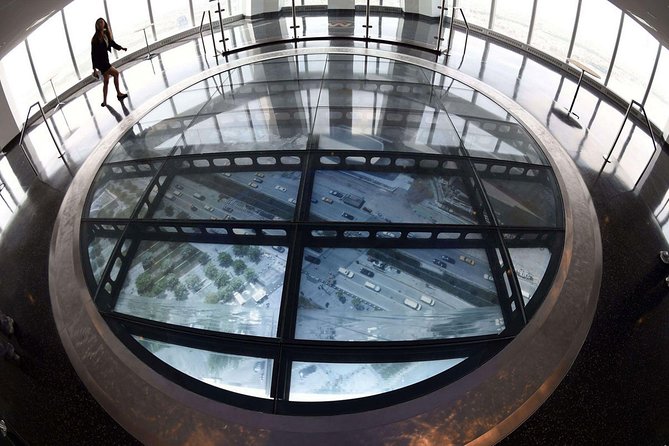
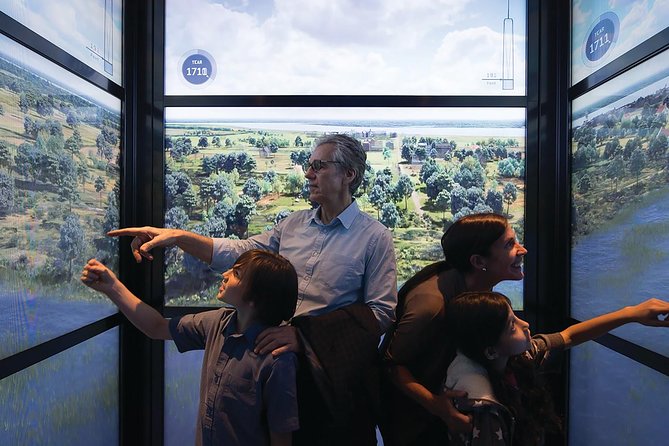
You’ll take the super-fast elevators up to the observatory level on the 100th floor in under 48 seconds. During the ride, you watch a timeline transformation of Manhattan on HD monitors. This is a clever use of in-between time. Instead of standing in a line thinking about what you’ll do next, you’re absorbing a visual story while you rise.
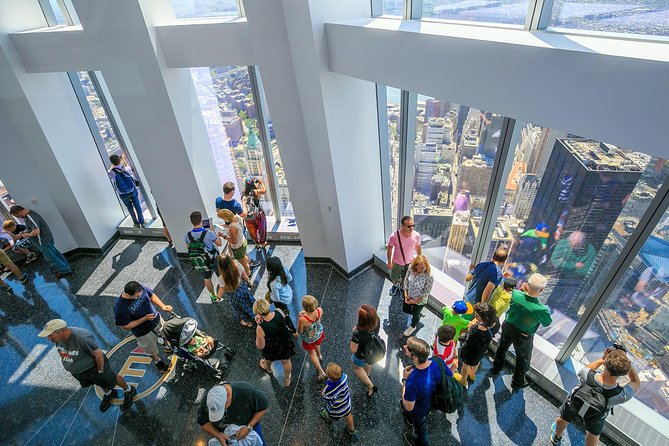
Once you’re up, the views do the job you came for: Manhattan spread out, streets turning into patterns, and the bridges and water shaping the geography of the city. On a clear day, the tour info notes you can see four different states. Even if the weather isn’t perfect, you’ll still get a strong sense of the city’s scale.
One more practical point: you’re invited to enjoy the Observatory until closing. That’s helpful if your group timing runs a bit behind on the walk, or if you want extra minutes to re-check the horizon once your eyes adjust.
Value check: $109 for a guided route plus Observatory access
At $109, the value comes from packing two things into one ticketed plan: guided Lower Manhattan context and One World Observatory entry with skip-the-ticket-line access.
A standard NYC day often means paying for the major attraction and then separately figuring out how to learn the story behind it. Here, the guided walking portion gives you a human explanation for what you’re seeing, and the Observatory payoff gives you the skyline reward right afterward.
The tour timing also makes sense. Total time runs about 3 hours approx., with the guided walking portion around 2 hours and then about 1 hour at the Observatory. That’s long enough to feel like you did more than a drive-by, yet short enough to still keep evening plans open.
Who gets the best match?
- First-timers who want a respectful, guided start in Lower Manhattan.
- History and architecture fans who like understanding how and why places are rebuilt.
- People who want both emotional grounding and the “wow, New York from above” effect in one package.
Who this Ground Zero + One World day trip suits best
This experience is a good fit for most travelers, and it’s described as well organized with a maximum group size of 25. If you’re traveling solo or with a small group, you’ll likely appreciate the guide-led pace without feeling like you’re locked into someone else’s plan.
If you’re traveling with family, the tour is designed so it can work for a wide range of ages. It’s also the kind of outing where a good guide can make the topic heavy without making it confusing. Expect to spend time both looking and listening.
If you hate crowds, plan smart. The route includes major downtown landmarks and a high-demand Observatory, so you should expect some foot traffic. The upside is that the tour controls the timing so you’re not trying to guess what to do next in a complicated area.
Finally, if you’re planning around public transportation, the start point is near transit. A service animal is allowed, which helps with planning for many visitors.
Should you book it?
Yes—if you want Ground Zero done right, with context and structure, and you also want a skyline reward that feels connected to the day’s story. The biggest reason to book is simple: you’re not just touring attractions. You’re getting a guided walkthrough that explains what you’re seeing, then you get One World Observatory access included right after, with skip-the-ticket-line entry.
Skip this option if you’re looking for a purely light, casual sightseeing day or if you prefer to read everything at your own pace without a guide’s framing. For most visitors, though, the combination of guided Lower Manhattan learning and the observatory view from the 100th floor is a solid use of your time in New York.
FAQ
How long is the Ground Zero tour with One World Observatory access?
The total experience is about 3 hours. The narrated walking portion is described as 2 hours, and One World Observatory time is about 1 hour.
What is included in the $109 price?
You get all fees and taxes, a narrated 2-hour walking tour with extra-large visuals, and One World Observatory access. Skip-the-ticket-line access is included for the Observatory.
Where does the tour start and where does it end?
The tour starts at 20 Dey St, New York, NY 10007. It ends inside the 9/11 Memorial, with the end point listed as 180 Greenwich St, New York, NY 10006.
Do you offer morning and afternoon departures?
Yes. You can choose between morning and afternoon departures to fit your schedule.
What happens when you go to One World Observatory?
You’ll take super-fast elevators to the observatory on the 100th floor in under 48 seconds, with HD monitors showing a timeline transformation of Manhattan during the ride. Once there, you can enjoy the Observatory until closing.
What views are possible from One World Observatory?
On a clear day, the information notes you can see four different states.
How large are the groups?
The tour is limited to a maximum of 25 travelers.
Can I cancel and get a refund?
Free cancellation is available. You can cancel up to 24 hours in advance for a full refund, and cancellations made less than 24 hours before the start time are not refundable.