REVIEW · NEW YORK CITY
First Class Central Park Tour – Iconic Views & VIP Photo Moments
Book on Viator →Operated by CENTRAL PARK TRAVEL ™ · Bookable on Viator
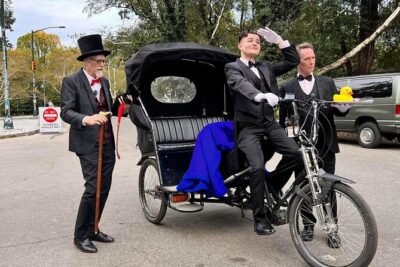
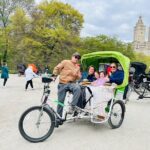
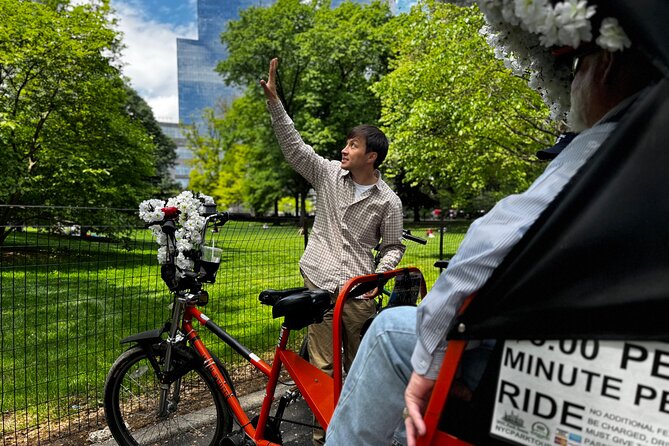
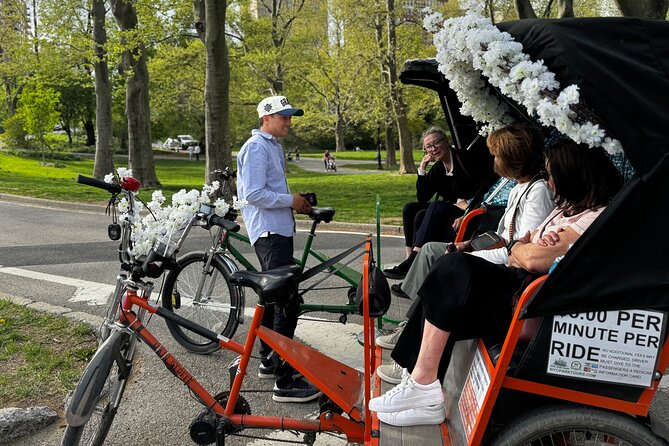
Central Park on wheels feels like a shortcut. I love the private pedicab ride that keeps you comfortable while you cover big distances, and I love how guide Ricky builds in photo stops at the exact spots that make the park look like New York on film.
One possible drawback: this is a fast, highlights-focused route. If you want to linger for long stretches, you may find some stops feel brief.
In This Review
- Key highlights you’ll notice right away
- Riding start: the private pedicab that makes Central Park easier
- How the tour earns its First Class title (without the fluff)
- Bethesda Fountain and Bethesda Terrace: where the park looks like a postcard
- The Mall, Strawberry Fields, and the icons you’ll recognize instantly
- Bow Bridge, Gapstow Bridge, and The Pond: the water views that steal the show
- Central Park Zoo, Conservatory Water, and boating moments
- Carousel, chess, checkers, and the fun stops families love
- Sheep Meadow, Rumsey Playfield, and the big-open-air feeling
- North and east landmarks: Dakota, Cleopatra’s Needle, the Met, and Belvedere Castle
- Quick practical tips so you enjoy every stop
- Should you book this Central Park tour?
- FAQ
- What does this Central Park tour cost?
- How long is the tour?
- Is the tour private or shared?
- What language is the tour offered in?
- Do I get a mobile ticket?
- Is Central Park admission included?
- Where do we meet, and where does the tour end?
- Is tipping included in the price?
- What if the weather is bad?
- Can service animals join?
Key highlights you’ll notice right away
- Private pedicab only for your group so you can move without merging into other schedules
- Ricky’s photo help so you’re not just sightseeing, you’re also leaving with better pictures
- Season-ready comfort with shade in summer and blankets in winter
- Icon stops packed together including Bethesda Fountain, Bow Bridge, and Strawberry Fields in one run
- Many quick, ticket-free photo moments like The Mall and the Pond areas
Riding start: the private pedicab that makes Central Park easier
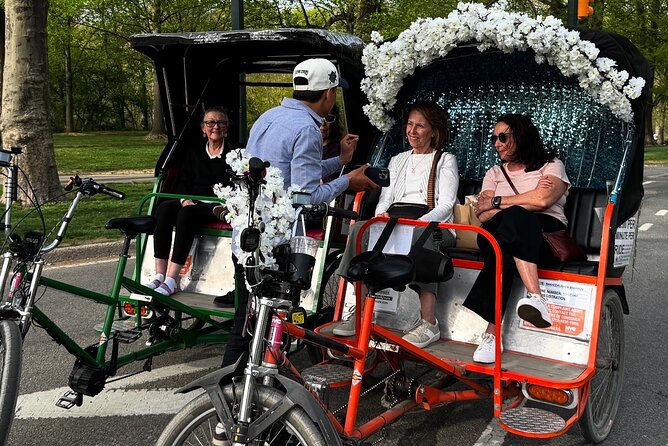
The tour meets at 1415 6th Ave, New York, NY 10019, and it ends back at the same spot. From there, you’re on a pedicab, not on foot, which is a big deal in Central Park when you want to see a lot without turning the day into a footrace.
This is a private setup, meaning your group stays together and you do not get shuffled with strangers. That matters most if you have kids, if anyone in your group has limited walking stamina, or if you just hate waiting around while other people figure out where they’re standing.
You’ll also feel the season. The ride is designed for comfort, with shade in summer and blankets in winter—a small detail that makes the whole experience less annoying when the weather swings.
You can also read our reviews of more tours and experiences in New York City



How the tour earns its First Class title (without the fluff)
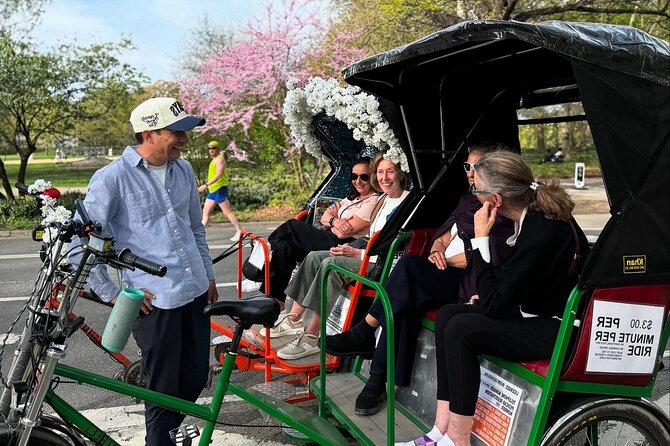
The price is $39.20 per person, for about 1 to 3 hours depending on which option you choose. On paper, that might sound like a lot for a park tour. In practice, it’s value because you’re buying three things at once: time, guidance, and an efficient route.
Central Park is huge. If you try to plan it yourself, you end up backtracking or missing landmarks that are obvious only when someone points them out. Here, you get an organized loop through major icons—plus “pause here” moments—so you spend your effort on looking and photographing, not on figuring out where to go next.
Also, the tour includes photo assistance. That means you’re not stuck with shaky hands and a random stranger holding your phone. Ricky helps you frame shots at key viewpoints and keeps the stops moving at a pace that still feels relaxed.
Bethesda Fountain and Bethesda Terrace: where the park looks like a postcard
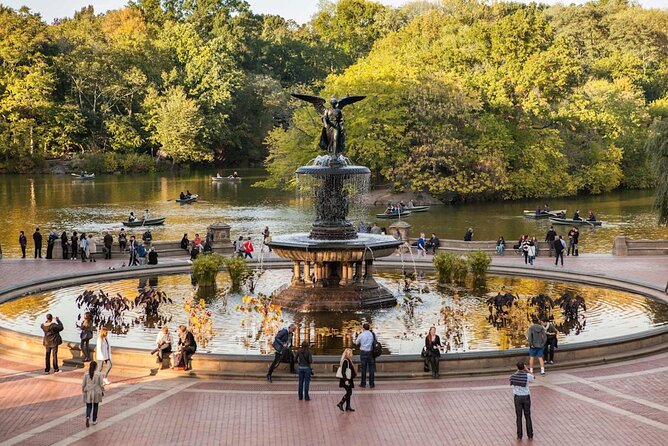
If you only know Central Park from TV and movies, this part will feel familiar fast. The route includes Bethesda Fountain and the Bethesda Terrace, two of the park’s most photographed architectural moments.
At Bethesda Fountain, the star is the Angel of the Waters statue, designed by Emma Stebbins and unveiled in the 1870s. It has strong religious symbolism tied to the story from the Gospel of John, plus design details like the cherubs representing health, purity, temperance, and peace. This is one of those stops where the guide’s storytelling helps you notice things you’d otherwise glide past.
Then you move to Bethesda Terrace, famous for the arcade ceiling covered with Minton encaustic tiles. These tiles were removed during a renovation for cost reasons and later restored with help from a private donation, with the restoration completed in the mid-2000s. Even if you’re not an architecture nerd, standing under the restored ceiling gives you a “wait, that’s in Central Park?” moment.
Quick caution: because these are popular photo spots, you’ll get the most out of the stop if you keep your timing tight—listen, shoot, and move with the group.
The Mall, Strawberry Fields, and the icons you’ll recognize instantly
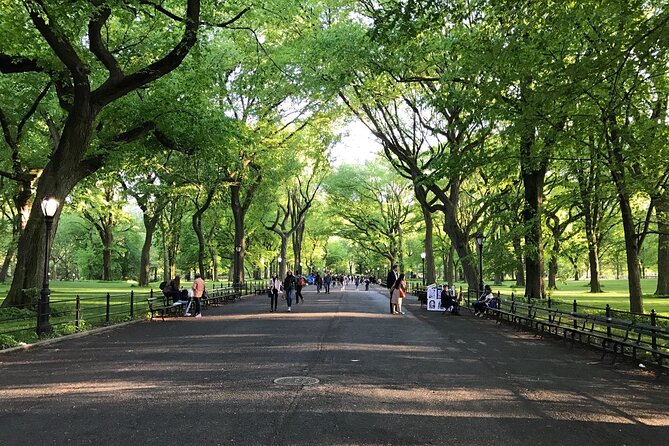
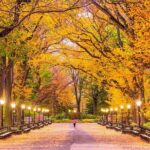
Next comes The Mall—also known as Literary Walk—a long promenade under towering American elm trees. It’s one of the park’s signature design moments because it’s the only intentionally straight line in an area otherwise shaped by winding paths. You also get statues connected to famous writers, which is a nice twist if you want more than just scenic views.
Then you’re at Strawberry Fields, the John Lennon memorial. What makes this stop more meaningful than a casual landmark is the Imagine mosaic, inspired by Lennon’s vision of peace. People often pause here with a mix of reverence and curiosity, because it feels personal even if you’re not a hardcore Beatles fan.
The tour also works in photo-friendly stops near other big-name landmarks. For example, the route passes major Central Park sights tied to film culture and classic New York visuals, so you’re not only seeing history—you’re seeing why Central Park is constantly used as a movie set.
Bow Bridge, Gapstow Bridge, and The Pond: the water views that steal the show
Central Park does not need skyscrapers to deliver big-city drama, but it uses the skyline perfectly when it can. You’ll see Bow Bridge, a cast-iron bridge completed in the 1860s with a graceful bow-like curve. It’s a favorite for photos because it frames the scene like a stage set—bridge, water, and skyline all in one.
You also visit Gapstow Bridge, known for views of The Pond and the Midtown skyline. It’s a stone bridge with ivy, plus little nature details nearby like turtles and ducks around the water. This stop tends to feel calmer than the fountain areas, because the setting is more about reflection than crowds.
The route includes The Pond itself, where the park’s design blends changing scenery, wildlife, and a sense of quiet escape from the city noise. If you want a break from heavy walking, this is a great “sit and reset” section where you can look, take a few shots, and just enjoy the air.
One practical note: water areas can get slippery around edges or paths in bad weather. Wear grippy shoes and keep your footing steady.
You can also read our reviews of more tours and experiences in New York City



Central Park Zoo, Conservatory Water, and boating moments
You’ll also pass through areas tied to animals and leisurely outdoor recreation. The Central Park Zoo is one of the park’s oldest attractions, starting as a menagerie in the 1860s and later evolving into more habitat-style exhibits. Today it’s managed by the Wildlife Conservation Society and has a variety of themed areas that range from temperate to polar settings.
The tour also includes Conservatory Water, a pond used for model boat sailing. It’s a peaceful stop with cherry trees, benches, and statues connected to children’s literature themes, plus it appears in film scenes where the setting matters.
And if you like the idea of seeing the park from the water, the route includes the Central Park Boathouse area. The boathouse is a well-known film location, and it offers year-round dining with heated outdoor seating. That’s useful if you’re hungry or you want a warm break without leaving the park scene.
Carousel, chess, checkers, and the fun stops families love
Central Park isn’t only monuments. The tour includes classic playful landmarks that add variety, especially if you’re traveling with kids—or if you’re an adult who still gets excited by a good carousel.
One standout is the Central Park Carousel, with a long timeline behind it. The carousels in Central Park have changed over time, and the one you see today is tied to 20th-century craftsmanship. The detail you can spot right away is the painted horses—there are dozens of them—and the whole place feels like a time capsule.
Then there’s the Chess & Checkers House, an octagonal brick building designed for outdoor game tables shaded by a trellis. It’s also tied to pop culture, including scenes from Searching for Bobby Fischer. Even if you never play chess, watching people gather at the tables gives you a real sense of how the park functions as a community space.
You also pass the Dairy House, a Gothic cottage-style building that started as a refreshment spot and later became a visitor information center after restoration. It’s one of those “wait, this is in the park?” buildings, and it works well as a stop for maps, orientation, or just a quick architectural look.
Sheep Meadow, Rumsey Playfield, and the big-open-air feeling
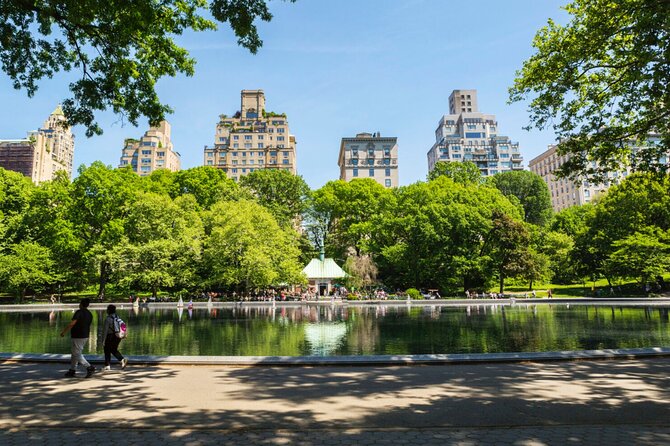
A tour that only stops at statues can feel like a museum. Here, you get broad open spaces too—important if you want the park’s emotional feel, not just its famous structures.
You’ll see Sheep Meadow, a huge lawn area known for picnicking, reading, sunbathing, and hanging out with skyline views as a backdrop. It’s also used for concerts and events, which helps explain why the meadow feels both natural and slightly staged, like an outdoor living room.
You’ll also pass Rumsey Playfield, which is tied to SummerStage outdoor performances. This adds a performance-and-community angle to the tour. If you’re visiting when concerts are happening, you’ll likely spot why this area became a go-to for older kids’ sports and later live events.
And there are more “park day” moments mixed in, like the Wollman Rink area in winter, plus photo-friendly bridge moments that keep the day from feeling repetitive.
North and east landmarks: Dakota, Cleopatra’s Needle, the Met, and Belvedere Castle
As the route continues, you get a mix of Central Park architecture and famous Manhattan neighbors. The tour includes the Dakota, the legendary residential building at 72nd Street and Central Park West, known for its Renaissance Revival style and its place in cultural memory, including John Lennon and Yoko Ono.
Then you reach Cleopatra’s Needle, the ancient obelisk that arrived from Egypt and was installed in Central Park in the late 1800s. If you like history, the scale is the point. It turns the park into a place where deep time sits right beside everyday New Yorkers going about their day.
You’ll also see the Metropolitan Museum of Art—the iconic museum building that sits on the park’s edge. Even from outside, it’s a major visual anchor, and it helps you understand why Central Park’s eastern boundary feels like a front porch to some of the city’s biggest cultural institutions.
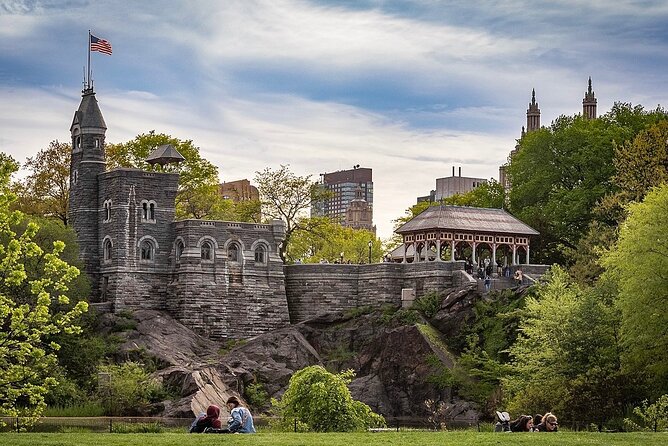
Finally, there’s Belvedere Castle perched on Vista Rock. It’s a decorative folly with observation views, plus it has served as the location for Central Park’s official weather station data since 1919. This is the kind of stop where you can look around and feel why Central Park was engineered for changing views, not just one view.
Quick practical tips so you enjoy every stop
- Wear comfortable shoes. The ride helps, but you still walk a bit at key photo stops.
- Bring layers. Even in warm months, the park can feel cooler in shaded areas; in winter, blankets help but your outfit still matters.
- Use the guide’s timing. If Ricky tells you to stand here for the shot, it’s usually because that spot lines up views better than the next one over.
- If you’re short on time, choose the shorter option. You’ll get the core icons without adding extra distance and extra waiting.
Booking for this experience tends to happen about 31 days in advance, which is a good sign the schedule can fill up near peak dates.
Should you book this Central Park tour?
If you want classic Central Park sights without spending hours mapping routes, I think this is a solid pick. The private pedicab, seasonal comfort (shade and blankets), and photo assistance make it feel more like a guided day in the park than a checklist.
Book it especially if your group includes kids, if anyone needs a break from long walks, or if photography matters to you. If you’re the type who loves slow wandering and long stops at every bench, you might prefer extra unstructured time in Central Park after the tour—because this experience is built to move.
FAQ
What does this Central Park tour cost?
The price is $39.20 per person.
How long is the tour?
The duration is listed as about 1 to 3 hours.
Is the tour private or shared?
It’s a private activity for your group only, with no sharing.
What language is the tour offered in?
The tour is offered in English.
Do I get a mobile ticket?
Yes. The tour uses a mobile ticket.
Is Central Park admission included?
The details you provided list Central Park admission ticket included for the Central Park stop.
Where do we meet, and where does the tour end?
You meet at 1415 6th Ave, New York, NY 10019, and the activity ends back at the same meeting point.
Is tipping included in the price?
No. Tipping is not included and is optional.
What if the weather is bad?
This experience requires good weather. If it’s canceled due to poor weather, you’ll be offered a different date or a full refund.
Can service animals join?
Yes. Service animals are allowed.