REVIEW · NEW YORK CITY
NYC: Bagel-Making Workshop with an Award-Winning Baker
Book on GetYourGuide →Operated by NYC Bagel Tours · Bookable on GetYourGuide
Bagels taste better when you make them. This workshop is a hands-on way to learn rolling and boiling like a pro, then bite a bagel fresh out of the oven. The one hitch: you do not mix the dough yourself, so you start once the dough is already ready.
I like that you get guided, step-by-step instruction in a real working bagel shop setting, not a classroom demo. You’ll also leave with your own baked bagels plus a recipe you can use later, so the class actually sticks. If you are hoping for a full from-scratch, knead-everything session, adjust your expectations.
In This Review
- Key Things I’d Bet You’ll Care About
- Bagel Market Mezzanine: Getting Started in a Real NYC Shop
- Rolling, Shaping, Boiling, and Seeding: The Skills That Make Bagels Bagels
- Dough Expectations: What You Learn Versus What You Don’t
- Baking, Cream Cheese, and the Moment the Oven Opens
- The Bagel Story Behind the Steps
- What’s Included, and Why the Price Can Make Sense
- Who This Workshop Is Best For (and Who Might Want to Skip It)
- Should You Book This Bagel Workshop?
- FAQ
- How long is the NYC bagel-making workshop?
- What does the $150 per person price include?
- Is dough mixing included?
- What is the meeting point?
- What language is the instruction offered in?
- Is the workshop wheelchair accessible?
- Is cancellation allowed, and how far in advance?
Key Things I’d Bet You’ll Care About
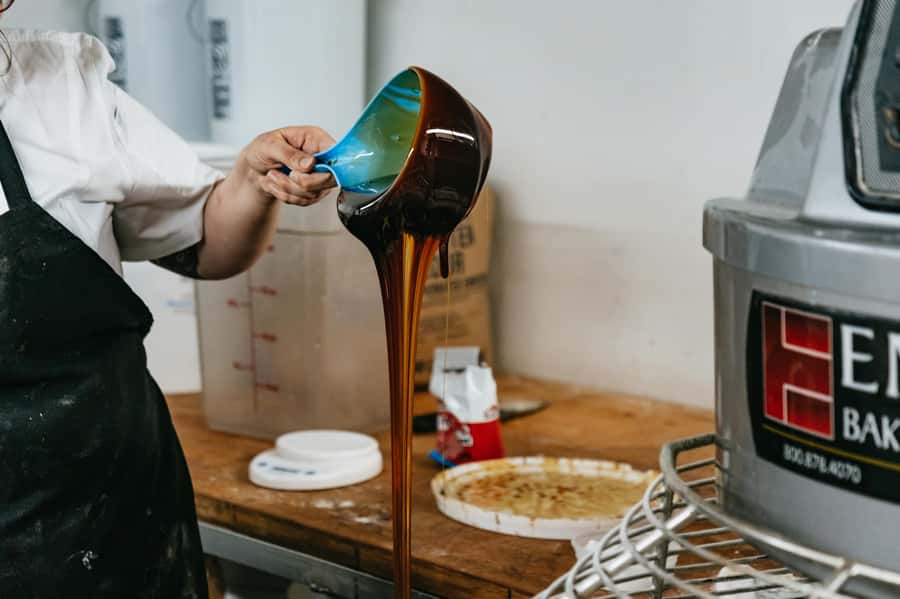
- Award-winning baker instruction with practical, teachable steps
- Rolling, boiling, seeding, and baking done the traditional NYC way
- Warm tasting straight from the oven during class
- Take-home bagels and recipe so you can repeat it at home
- NYC bagel shop energy that feels like the real deal
- Bagel history in New York tied to the techniques you’re learning
Bagel Market Mezzanine: Getting Started in a Real NYC Shop
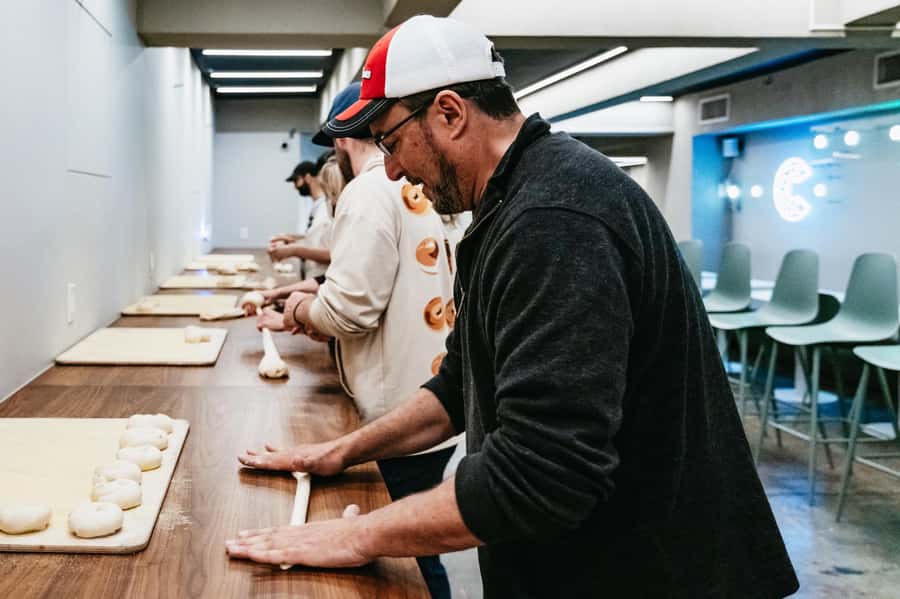
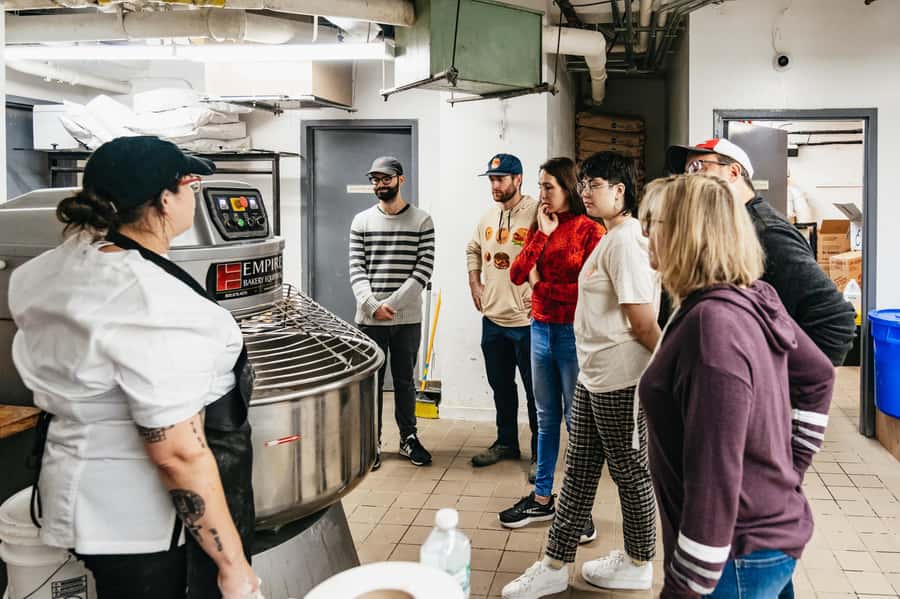
The experience meets at Enter Bagel Market, and you head upstairs to the mezzanine where the class begins. Right away, the setting matters. You are not in a studio kitchen pretending to be a bakery. It’s an actual bagel shop environment, so you pick up the rhythm of the place as much as the technique.
In the first stretch, the workshop frames what you’re about to do: making New York-style bagels through the classic sequence. You’ll learn about key ingredients and how each one supports the end result, then you move into the physical skills. Even if baking is new to you, the structure keeps it from feeling chaotic.
You’ll also have some light bites, plus beer, wine, and soft drinks included. That turns the class from a strict cooking session into something more social and relaxed, while still hands-on. If you’re the kind of traveler who likes food experiences with real atmosphere, this format delivers.
You can also read our reviews of more tours and experiences in New York City

Rolling, Shaping, Boiling, and Seeding: The Skills That Make Bagels Bagels
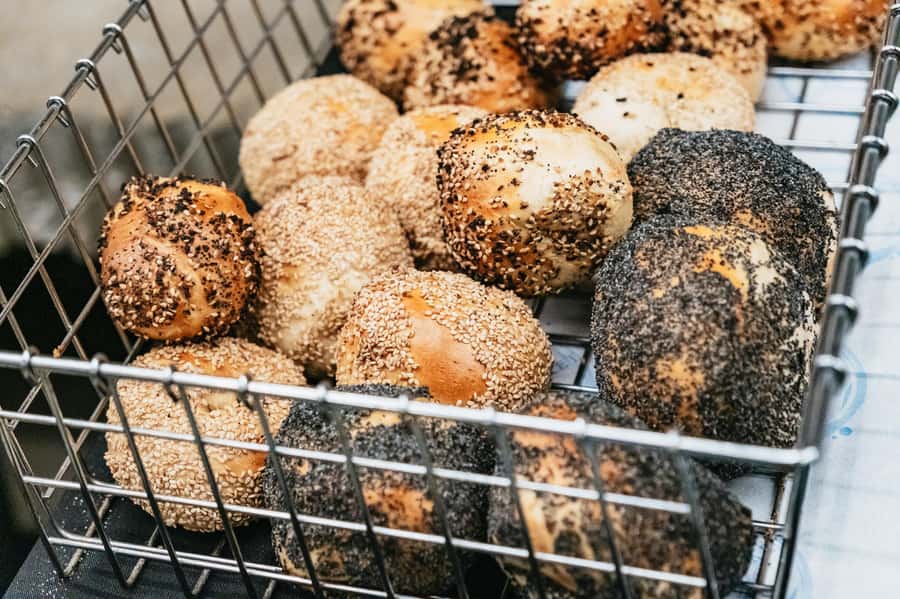
This is the heart of the workshop. You get guided instruction on the traditional methods that define New York-style bagels: rolling, shaping, boiling, and seeding/topping. The goal is to understand the process, not just copy a final shape.
Here’s why those steps matter for your future at-home bagel attempts:
- Rolling and shaping set the bagel’s structure. If the form is off, the boil and bake can’t save it. You’ll practice the method so the bagel holds up and looks like what you expect from a proper NYC bagel.
- Boiling is where the texture gets its classic chew and that glossy crust. The workshop’s focus on the boil means you’re learning the step that separates bagels from other breads.
- Seeding and toppings aren’t decoration. They affect surface texture and give you that unmistakable bagel look. You get to handle this part directly rather than watching it happen.
You’ll also get the satisfying moment of opening the oven and tasting the bagels you made. That warm, just-baked bite is one of the easiest ways to understand what you did right (and why it worked). It’s also a great reality check if you’ve ever had store-bought bagels that taste more like bread than bagels.
Dough Expectations: What You Learn Versus What You Don’t
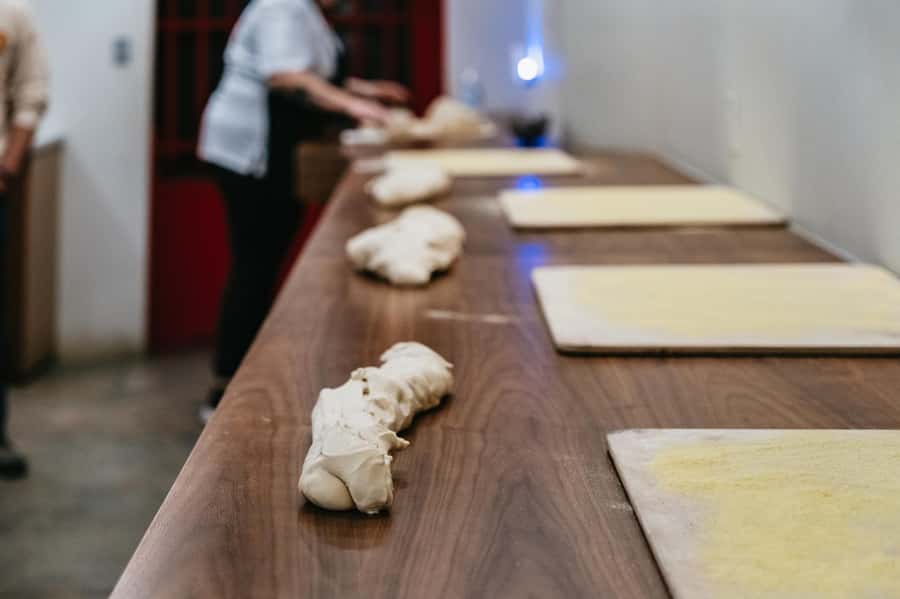
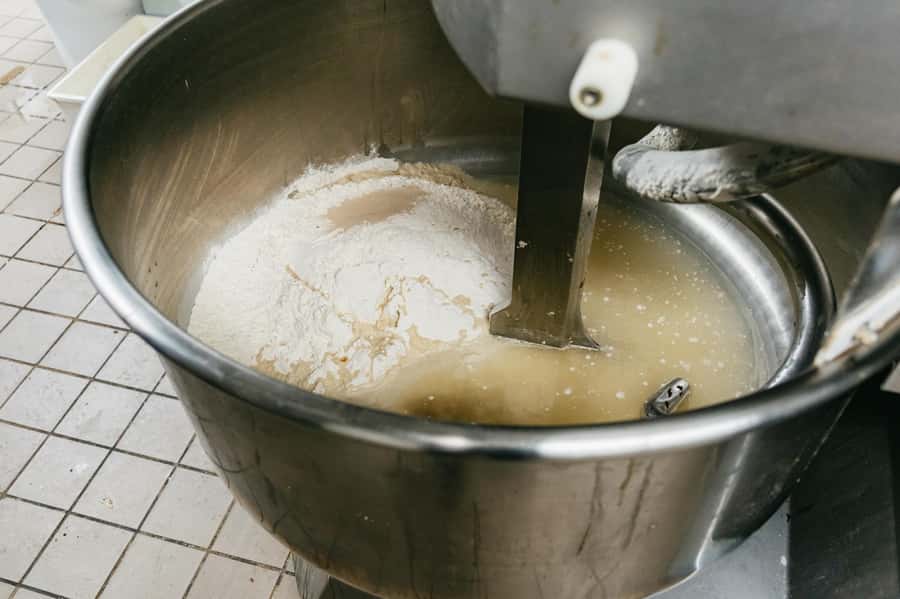
One detail to plan around: mixing the dough is not included. That means you’re not doing the full start-to-finish kneading and mixing process. In a way, it keeps the workshop on track and more focused on shaping, boiling, and baking—the steps that are hardest to nail quickly.
Still, it’s worth saying plainly. If you’ve dreamed of making bagels like an old-school bakery day, you may feel a little teased at the dough stage. One recurring wish is that participants want to mix the dough themselves.
If you’re okay with that tradeoff, you’ll likely like the workshop even more, because it gives you the high-impact techniques you can actually repeat at home. Most people can knead a dough. Fewer people know how to shape it properly, boil it correctly, and bake it for that classic crust and interior chew.
Baking, Cream Cheese, and the Moment the Oven Opens
The baking stage is where the learning clicks into something you can eat. After you handle shaping and boiling, you’ll bake your bagels and then taste them right after they come out of the oven. That gives you immediate feedback on your work.
Cream cheese is also included, which makes sense. Bagels are rarely just bread to eat standing over a tray. This is the classic pairing, and it lets you enjoy your bagels the way you actually want to eat them—simple, rich, and satisfying.
Because the class is scheduled around a live shop environment, it feels more like learning inside a craft than learning at a distance. You can smell the bread and feel the pace of production as you go. That atmosphere is hard to fake, and it’s a big part of why this workshop feels like more than a generic cooking class.
The Bagel Story Behind the Steps
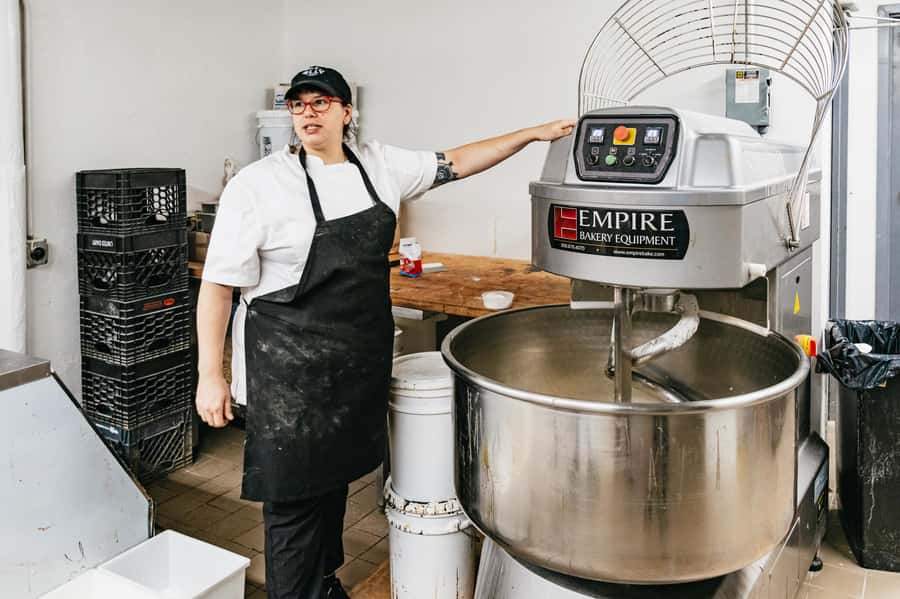
You also learn about bagel history in New York—how it became a staple and why the methods stuck. This isn’t just trivia thrown in at the end. It’s connected to what you’re doing with your hands.
That connection matters because it changes the way you think about the process. When you understand that bagels became part of New York food culture for specific reasons, you’re more likely to respect the technique. Boiling isn’t random. It’s functional. Seeding isn’t just for looks. It’s part of the bagel’s identity.
By the time you’re shaping and boiling, you’re also building a sense of why New York bakers do things the way they do. That’s the kind of lesson that lasts longer than a single meal.






What’s Included, and Why the Price Can Make Sense
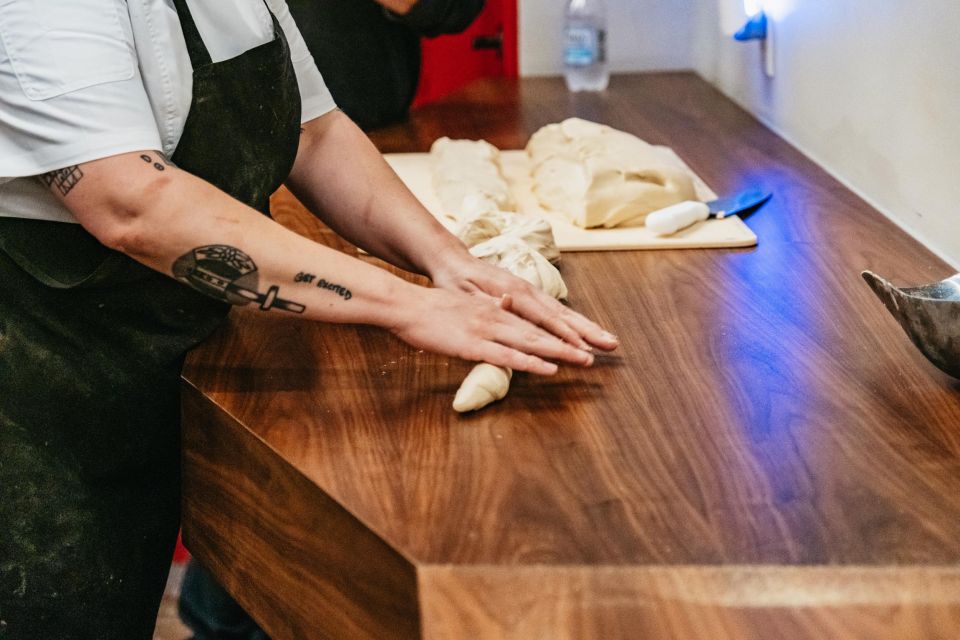
The price is $150 per person for a 2-hour workshop. At first glance, that’s not cheap. But here’s how I’d weigh the value based on what’s included:
You get:
- instruction from the workshop team and equipment
- bagel recipes
- light bites
- beer, wine, and soft drinks
- bagels and cream cheese as part of the experience
- and most importantly, bagels you prepared that you take home
Food classes often charge for instruction alone. This one also includes ingredients, tasting, and alcohol/refreshments. Plus, you leave with your own bagel results, not just a small sample.
Is it expensive? Yes, compared to picking up bagels on a street corner. But it’s a different experience: you’re learning a skill you can repeat, and you’re taking home a box of the real output. If baking is a hobby for you—or you want a one-time skill builder that turns into future breakfasts—this can feel like good value.
Who This Workshop Is Best For (and Who Might Want to Skip It)
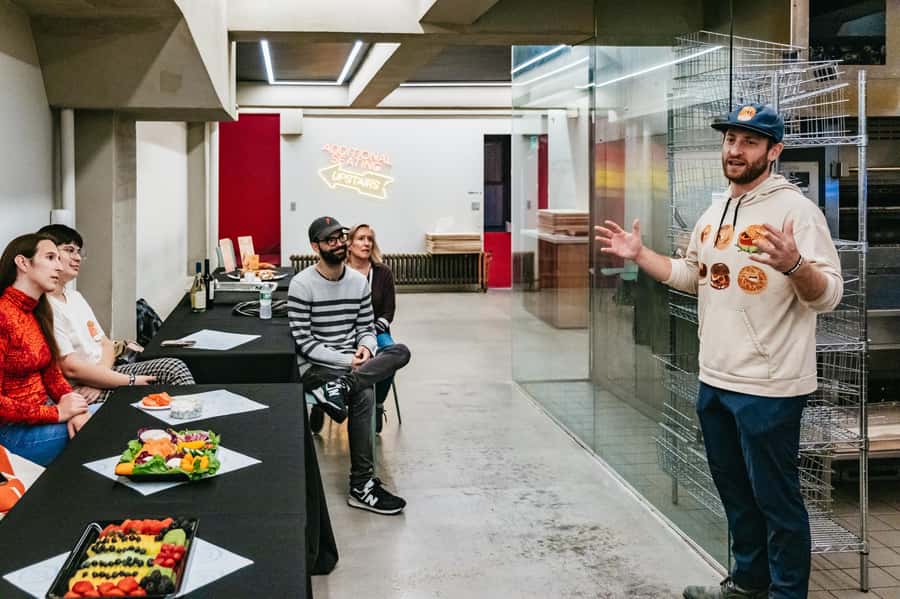
This workshop is ideal if you want an authentic NYC food experience with real technique. It’s especially good for you if you like hands-on cooking, enjoy learning process, and want to eat something immediately after making it.
You might want to reconsider if:
- you specifically want to mix and knead dough from scratch in class
- you’re looking for a purely history-focused tour with minimal cooking
It’s also a good fit if you’re coming to New York for food and want something interactive rather than yet another tasting walk. The combination of workshop, shop atmosphere, and take-home results makes it feel like you’re leaving with more than memories.
Should You Book This Bagel Workshop?
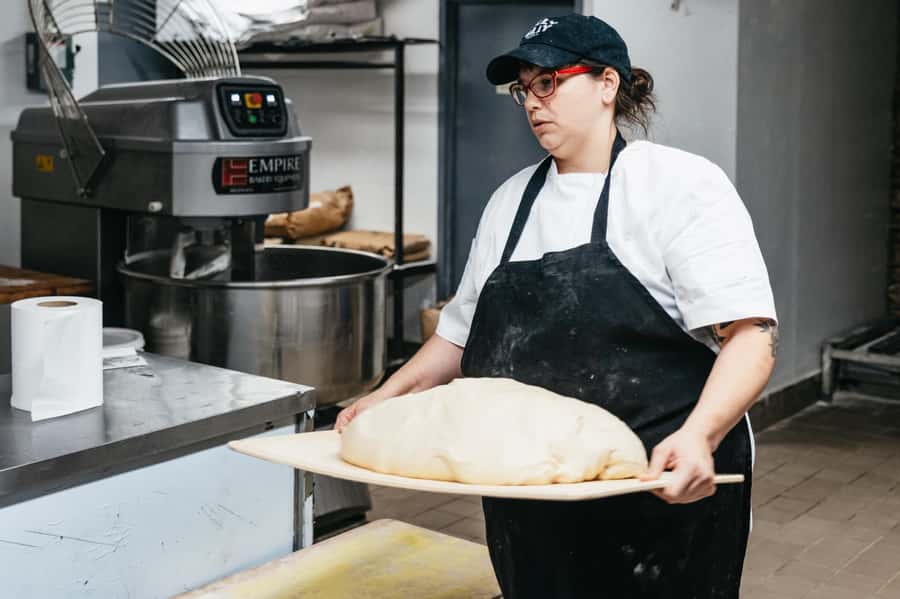
Yes, I’d book it if you like learning practical food skills and eating the result while it’s still hot. The strongest reasons to go are the step-by-step traditional bagel methods and the fact that you take home your own bagels plus a recipe—so it’s not only a one-and-done activity.
If your top priority is full dough mixing from scratch, you may find the workshop a bit limiting. But if you’re excited about rolling, boiling, seeding, and baking in an actual NYC bagel shop environment, this is the kind of class that pays you back every time you try again at home.
FAQ
How long is the NYC bagel-making workshop?
The duration is 2 hours. Start times vary, so you’ll want to check availability for your preferred slot.
What does the $150 per person price include?
The workshop includes instructors, the workshop itself, equipment, bagel recipes, light bites, beer, wine, soft drinks, and bagels with cream cheese. You also take home the bagels you make.
Is dough mixing included?
No. Mixing the dough is not included, so you focus on the traditional rolling, boiling, seeding/topping, and baking steps.
What is the meeting point?
The start location is Enter Bagel Market, where you head upstairs to the mezzanine to begin the class. The activity ends back at the meeting point.
What language is the instruction offered in?
The instructor teaches in English.
Is the workshop wheelchair accessible?
Yes, this activity is listed as wheelchair accessible.
Is cancellation allowed, and how far in advance?
Free cancellation is available up to 24 hours in advance for a full refund.