REVIEW · NEW YORK CITY
Garbage and Rats in New York City Walking Tour
Book on Viator →Operated by Off the Beaten Subway Track Walking Tours · Bookable on Viator
Rats run New York. This small-group walking tour makes the city’s trash history feel like real street science. You can ask questions and hear your guide clearly as you move through Lower Manhattan.
I like how the stories mix history, sanitation, and the science of what attracts rats, with Suzanne’s sharp humor driving it. Just keep in mind: it’s 2.5 hours of walking and there’s no bottled water, so bring a little patience (and a bottle) if you’re sensitive to the topic.
In This Review
- Key things you’ll notice right away
- Why this tour is such a different way to see Lower Manhattan
- The value of $45: what you’re paying for (and what you should expect)
- Stop 1: Wall Street and the trash origin stories of Nieuw Amsterdam
- Stop 2: South Street Seaport Historic District, landfill logic, and rat pit lore
- Stop 3: DeLury Square, the 1968 garbage strike, and labor as a sanitation story
- Stop 4: City Hall area streets, the 1979 rat attack, and more trash-y facts
- What Suzanne’s guide style brings to the tour
- Practical tips so you enjoy the walk (even if the topic makes you squirm)
- Who this tour is best for
- Should you book Garbage and Rats in New York City?
- FAQ
- What is the duration of the Garbage and Rats walking tour?
- How much does the tour cost?
- Where does the tour start?
- Does the tour include bottled water?
- How large is the group?
- Is the tour offered in English?
- What’s included in the ticket price?
- What about weather—does the tour run in bad weather?
- Are service animals allowed?
- How does cancellation work?
- Is it easy to reach by public transportation?
Key things you’ll notice right away
- Small-group setup means more conversation and clearer explanations as you walk
- Suzanne’s storytelling blends history, sanitation, and rat facts with humor
- A trash-focused history of NYC that connects big landmarks to landfill reality
- Four distinct stops across Lower Manhattan, each with a different rat-and-garbage angle
- Lots of walking over the Lower Manhattan streets, so wear comfortable shoes
- Weather matters since this is a good-weather walking experience
Why this tour is such a different way to see Lower Manhattan
Most NYC tours race through famous buildings like they’re on rails. This one takes a sideways route—down into the systems that keep a city functioning, and the mess that happens when those systems fall behind.
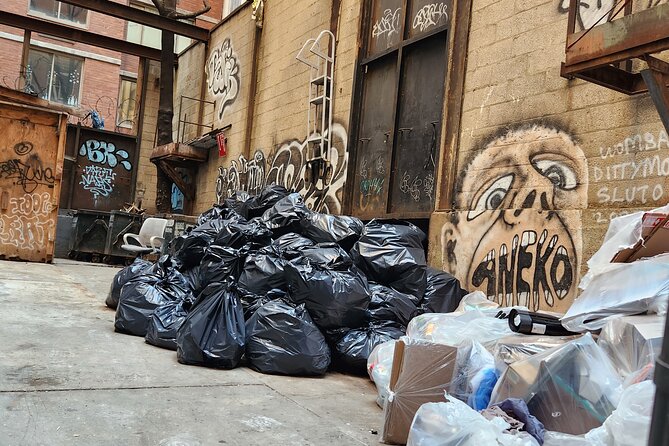
It’s called Garbage and Rats for a reason. You’ll spend the walk connecting trash to history, and history to what cities choose to ignore. That sounds odd until you see how often NYC’s big moments—economics, labor, public health—show up in the garbage story. The “rat” part isn’t just gross-out comedy. It’s a living reminder of how humans shape the city’s food sources, shelters, and habits.
And if you’re hoping for a standard slideshow with vague talking points, you’ll probably feel differently here. The tour is built for interaction. The group stays small, and the format encourages questions. That matters because the topic is weird in the best way, and you’ll likely want clarification as the guide connects science to old city practices.
You can also read our reviews of more walking tours in New York City



The value of $45: what you’re paying for (and what you should expect)
$45 for about 2 hours 30 minutes is in the normal range for a specialized guided walking tour in NYC. What makes this one feel like good value is the focus: you’re not just paying for “a guide,” you’re paying for a guide with an organized story.
Here’s what you get for your money:
- A guided walking route with multiple stops and a clear theme
- A guide who explains how trash practices changed over time and what that means for rats
- A small group (max 15), which keeps the Q&A from feeling like a lecture
What you don’t get is comfort extras. There’s no bottled water included. And since this is a walking tour, you should plan for steady movement rather than a sit-down format.
If you enjoy practical city thinking—how cities actually work and what happens when they don’t—this tour is worth the price. If you only want postcard New York, it might feel too “under the hood.”
Stop 1: Wall Street and the trash origin stories of Nieuw Amsterdam
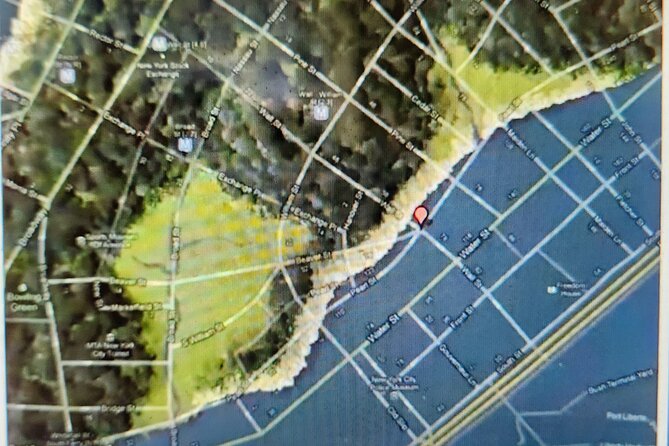
You start right at Wall Street & Pearl Street, and you’ll quickly learn this area has a much older relationship to garbage than you’d guess.
The guide ties Wall Street to the early garbage realities of Nieuw Amsterdam—suggesting the area’s role as a dumping ground rather than a tidy financial district. From there, the tour also brings in a darker historical thread: the official market for buying and renting enslaved African people.
That’s not random shock value. It sets up the tour’s larger idea: cities are built on choices—economic and political choices—and those choices affect sanitation, public spaces, and who is treated as disposable. It also explains why the “trash story” is never only about trash.
What I like about this opening: it anchors the tour in a location everyone recognizes, then flips the meaning. Wall Street isn’t just finance here. It becomes a starting point for how cities handled waste and human lives long ago.
Possible drawback: if you’re not ready for heavy history early in the walk, this first stop can feel intense. It’s worth being aware so you can pace yourself.
Stop 2: South Street Seaport Historic District, landfill logic, and rat pit lore
From Wall Street you move toward the South Street Seaport Historic District. As you walk up South Street, you’re in for a longer stop with several connected themes.
You’ll hear about:
- How garbage and landfills shaped the neighborhood’s development
- Rats as an outcome of food availability and shelter
- The former Fulton Street Fish Market
- And a stop connected to Sportsman’s Hall, described as a notorious rat pit
Rat pits are the kind of detail that sounds like urban legend—until the guide frames them as part of how people tried to control pests (and sometimes how they exploited the idea for entertainment or spectacle). You also get stories about rat fights, which can feel macabre, but they fit the theme: people treated rats as both a problem and a resource, depending on the era.
This is also where the tour’s science-and-history balance shows up most clearly. Instead of treating rats as random villains, the guide focuses on what created the conditions. That makes the stories stick.
If you want the most memorable stretch, this is often it—partly because it’s the longest stop and partly because it braids together the economic life of the waterfront with the “waste mechanics” underneath it.
Stop 3: DeLury Square, the 1968 garbage strike, and labor as a sanitation story
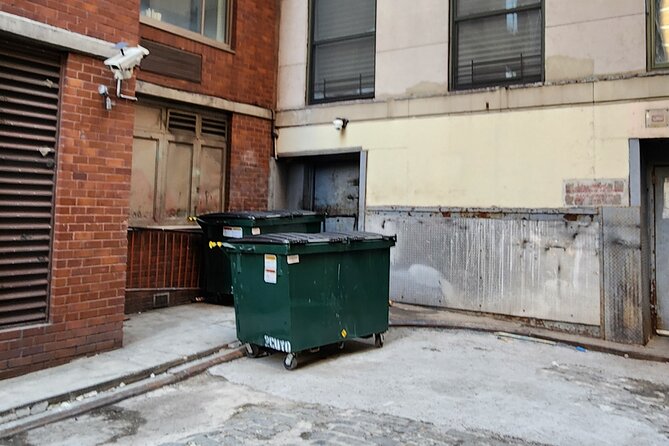
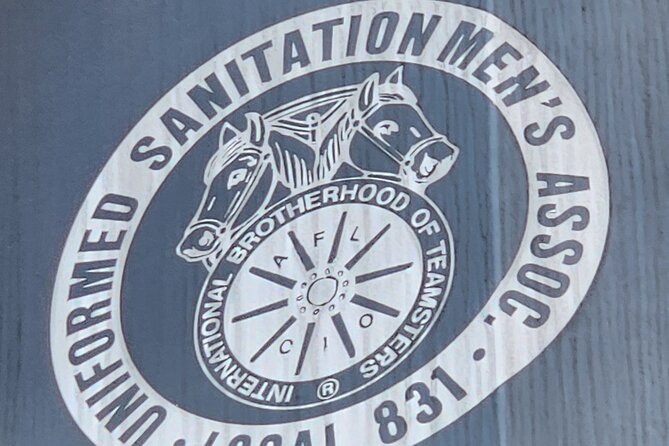
At DeLury Square, the tour shifts from older dumping-and-market history into labor and politics. You’ll talk about the garbage strike of 1968 and the role of John DeLury and the Sanitation Union.
That matters because sanitation isn’t only an engineering problem. It’s also a workforce, a budget, and a public service. When labor action happens, it changes how waste gets collected and how quickly problems surface.
Then you stroll down the historic Ryder and Eden Alleys. Even if you don’t know the alley system well, you start to see the logic of how dense neighborhoods create convenient hiding places for pests. The tour uses these small street corridors to connect “then” and “now”—showing how city form influences animal survival.
This stop is a good reminder that the “rat problem” isn’t just about whether the city cares. It’s also about timing, staffing, and systems working together.
Small consideration: this stop leans more toward history and labor context. If you came mostly for fast, scary rat facts, you might need to listen closely to catch how it all connects.
You can also read our reviews of more city tours in New York City






Stop 4: City Hall area streets, the 1979 rat attack, and more trash-y facts
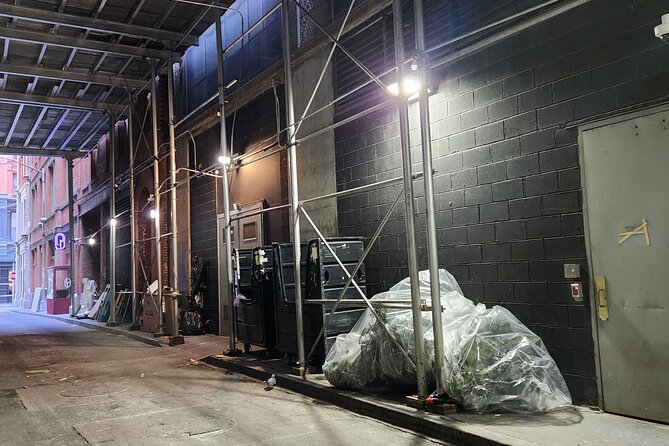
The final stretch moves up through the City Hall area, and the guide keeps stacking local stories on top of each other.
You’ll hear about an infamous rat attack in 1979 on Ann Street, then walk into Theatre Alley toward City Hall Park. Along the way, the guide shares more rat lore and trash facts—tying together earlier themes into a bigger picture of why rats persist in cities.
This part works because it’s geographically close to government power. You’re not just thinking about gutters and alleys. You’re thinking about public policy, public health, and how cities respond when the problem is already everywhere.
One thing I especially like about this ending section is the “systems” feeling. The tour has been building toward the idea that trash management is a chain: collection, disposal, infrastructure maintenance, and public cooperation. Rats slip in where chains are weak.
What Suzanne’s guide style brings to the tour
The guide—Suzanne—is repeatedly described as enthusiastic and funny, with strong communication. You’re not left guessing. You get clear explanations and a lot of story energy.
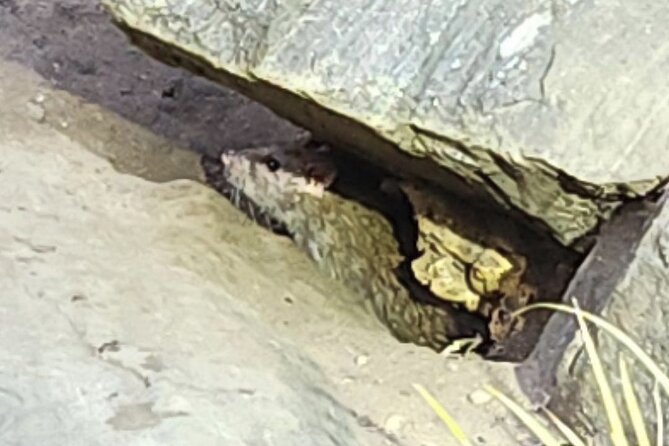
From the tour content described, you should also be ready for macabre humor and very specific rat topics. One review highlights rat poop, rat sex, rat bait, and rat fights. Another mentions the tour includes moments where you look out for rats and even references rat tunnels.
I wouldn’t frame it as educational in the dry classroom sense. It’s more like street-level science, told with a grin. And because the group is small, you can ask follow-up questions rather than just accept the story and move on.
That combination—interactive Q&A plus sharp storytelling—turns a “gross subject” into a thoughtful look at how NYC works.
Practical tips so you enjoy the walk (even if the topic makes you squirm)
A good tour can still be uncomfortable if you plan poorly. Here’s how to set yourself up:
- Bring water. Bottled water isn’t included.
- Wear shoes you trust. It’s a walking tour and the pace matters.
- If you’re uneasy about pest-related details, you’ll still likely enjoy the tour if you treat it like urban ecology and history. Just know the subject matter includes very specific rat facts.
- Check the weather before you go. The experience requires good weather.
- Expect a small-group format. With a max of 15 people, the tour keeps moving and the guide can maintain conversation.
Also, with a mobile ticket and English delivery, it’s straightforward to join. And it’s near public transportation, so you can connect easily if you’re starting or finishing elsewhere.
Who this tour is best for
This tour fits best if you:
- Like history that feels grounded in how cities actually function
- Enjoy odd but teachable topics—trash systems, public health, urban ecology
- Prefer small-group tours where you can ask questions
- Want a Lower Manhattan experience that isn’t just landmarks for landmarks’ sake
You might skip it if you:
- Want a classic “photo and skyline” tour only
- Dislike heavy or dark historical context early in the walk
- Can’t handle long stretches of walking
Should you book Garbage and Rats in New York City?
I’d book it if you’re the kind of traveler who enjoys learning the hidden logic of a place. NYC is famous for money and monuments, but it’s also a place where garbage policy, public health, labor, and human behavior all collide. This tour makes that collision easy to understand.
If you’re curious, comfortable with a bit of dark humor, and willing to walk through Lower Manhattan like you’re solving a city mystery, you’ll probably have a memorable time. Just remember to bring water and good shoes, since this is a “move your legs” experience.
FAQ
What is the duration of the Garbage and Rats walking tour?
The tour runs for about 2 hours 30 minutes.
How much does the tour cost?
The price is $45.00 per person.
Where does the tour start?
It starts at Wall Street & Pearl Street (Wall St & Pearl St, New York, NY 10005).
Does the tour include bottled water?
No. Bottled water is not included, so plan to bring your own.
How large is the group?
The tour has a maximum of 15 travelers.
Is the tour offered in English?
Yes, it’s offered in English.
What’s included in the ticket price?
The experience includes a guided walking tour.
What about weather—does the tour run in bad weather?
This experience requires good weather. If it’s canceled due to poor weather, you’ll be offered a different date or a full refund.
Are service animals allowed?
Yes, service animals are allowed.
How does cancellation work?
You can cancel for free up to 24 hours in advance for a full refund. If you cancel less than 24 hours before the start time, the amount paid is not refunded.
Is it easy to reach by public transportation?
Yes. The tour is near public transportation.
If you want, tell me your travel dates and whether you prefer lighter or darker history, and I can suggest how to fit this into a Lower Manhattan day (before or after your other stops).