REVIEW · NEW YORK CITY
Greenwich Village LGBTQ+ Pride Walking Tour
Book on GetYourGuide →Operated by Christopher Street Tours · Bookable on GetYourGuide
Revolutions and Pride share the same sidewalks. This 2-hour Greenwich Village LGBTQ+ Pride Walking Tour strings together major turning points—so you leave with names, places, and the through-lines connecting generations of activists. I love the way it anchors big moments at landmarks like the Stonewall Inn, and I also love that it keeps the story intersectional, linking LGBTQ+ rights with the social and political movements that shaped daily life.
One thing to consider: this is a history-heavy route, not a party-style Pride event. If you want mostly entertainment or light sightseeing, you may find the tone more serious than expected.
In This Review
- Key highlights you’ll actually remember
- Greenwich Village LGBTQ+ Pride Tour: what it is and why it hits
- Starting point at McCarthy Square: easy to find, easy to settle in
- How the route connects major LGBTQ+ eras in one loop
- Stonewall Inn: the moment that changed history
- Gay Liberation Monument: seeing movement beyond one night
- NYC AIDS Memorial: grief and activism in the same geography
- LGBT Community Center: where the story becomes everyday support
- Pride all year round: why this neighborhood matters
- Price and value: is $49 worth 2 hours?
- What I suggest you bring (and how to get the most out of it)
- Should you book this Greenwich Village LGBTQ+ Pride Walking Tour?
- FAQ
- Where is the tour meeting point?
- How long is the Greenwich Village LGBTQ+ Pride Walking Tour?
- What major stops are included on the tour?
- Is entry to the LGBT Community Center included?
- Is the tour wheelchair accessible?
- Is there free cancellation?
Key highlights you’ll actually remember
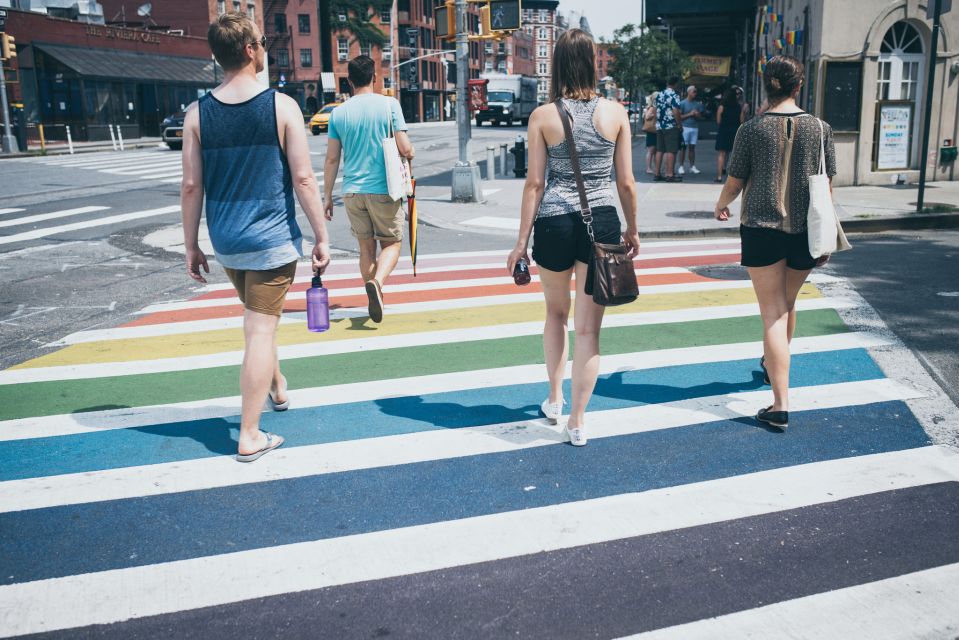
- Stonewall Inn storytelling that connects on-the-street activism to long-term change
- Pride all year round in one of the most significant LGBTQ+ neighborhoods in the US
- Intersectional understanding of LGBTQ+ rights across different eras and communities
- Stop-by-stop context at the Gay Liberation Monument, NYC AIDS Memorial, and more
- An in-person, live English guide (Michael is a standout name from past groups)
Greenwich Village LGBTQ+ Pride Tour: what it is and why it hits
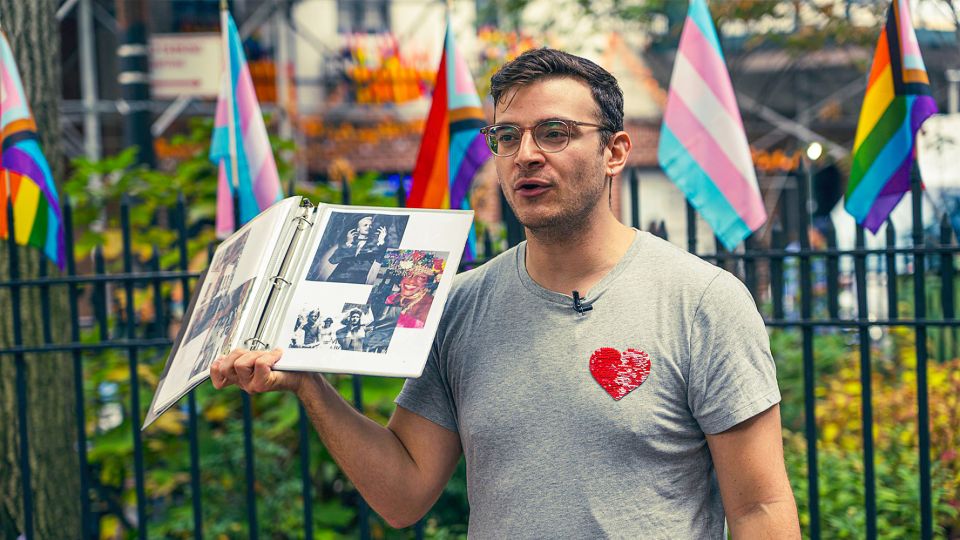
This tour is built around the idea that history doesn’t just live in books. It’s printed into street corners, storefronts, monuments, and memorials—places where real people made real choices under real pressure. You’re walking through Greenwich Village, but you’re also tracing the rhythm of LGBTQ+ life across time: organizing, backlash, visibility, grief, and new waves of activism.
The best part is how the tour ties together LGBTQ+ generations. Instead of treating each era like a separate chapter, you’re guided toward common threads: the hunger for safety and dignity, the drive for community, and the constant push to turn local moments into broader change. That’s what makes the experience feel more useful than a simple landmark loop.
And yes, it centers the Stonewall Inn, which is the obvious headline. But it doesn’t stop at the headline. You also get other touchpoints that show how the movement kept evolving—especially through the years shaped by public policy, public health crises, and community rebuilding.
You can also read our reviews of more walking tours in New York City



Starting point at McCarthy Square: easy to find, easy to settle in
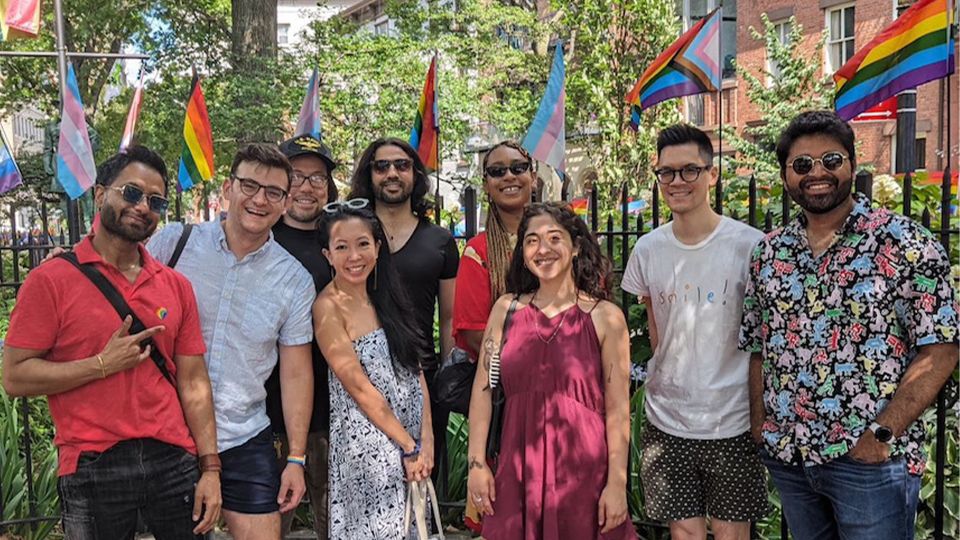
Your meetup is McCarthy Square, across from Morandi Restaurant at 211 Waverly Place. If you spot the flagpole and the birdhouses, you’re in the right place.
This kind of clear meeting spot matters more than people think. In a place like Greenwich Village, one wrong turn can cost you valuable minutes. A good start sets a calm tone so you can focus on listening, not sprinting.
It’s also scheduled for roughly 2 hours, usually in the morning and afternoon. That timing is a sweet spot: long enough to cover several meaningful stops, short enough that you can still enjoy the rest of your day in the neighborhood afterward.
How the route connects major LGBTQ+ eras in one loop
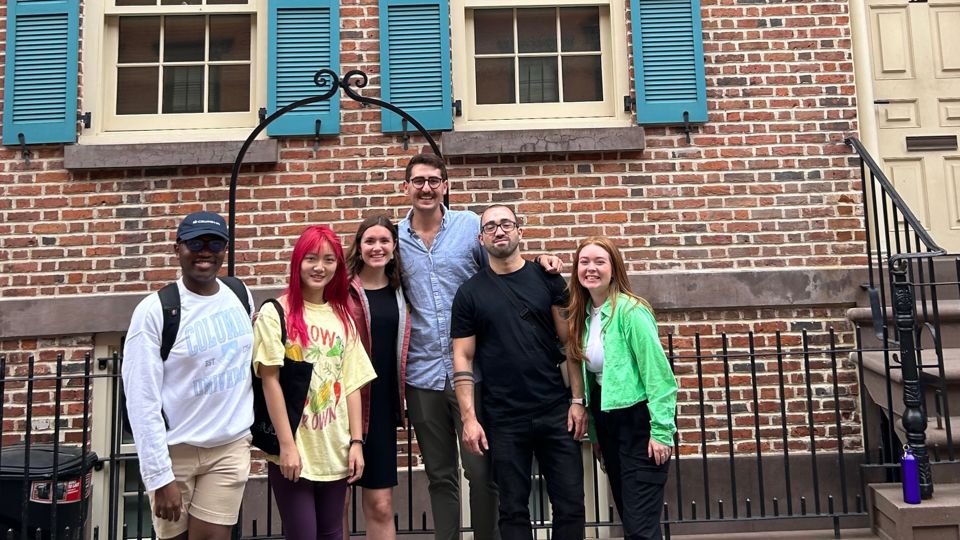
The tour visits historic sites connected to revolutions, riots, and political shifts. That might sound intense—but it’s exactly why the route works. You see how confrontation and organizing can lead to lasting institutions and public memory.
Here’s what you’ll carry as you walk: the sense that LGBTQ+ history isn’t one straight line. It’s a series of responses to the moment you’re in—sometimes hopeful, sometimes brutal, often both at the same time. The intersectional framing helps you understand why progress never affects every person equally or instantly.
You’ll also get plenty of story detail from the guide. In past groups, Michael has been singled out for being friendly and answering questions in a way that makes the subject stick. That’s a big deal on a walking tour, where curiosity usually spikes when you’re standing right in front of a place.
Stonewall Inn: the moment that changed history
No stop gets you the same gravitational pull as Stonewall Inn. It’s not just iconic—it’s a marker of a turning point when activism became visible in a way that could not be ignored.
What I like about this approach is that you’re not just presented with a date and a location. You learn about the activists who changed history, and you connect their actions to what came next. That perspective helps prevent the common mistake of treating Stonewall as a single event instead of a spark inside a wider struggle.
Practical note: because the Stonewall stop is such a draw, you’ll want to stay attentive and ready to listen at each moment rather than getting distracted by the surrounding buzz. The tour’s value comes from you hearing the story while the place is right there in front of you.
Gay Liberation Monument: seeing movement beyond one night
After Stonewall, the Gay Liberation Monument helps you zoom out. It places the movement in a broader public context—one that’s about more than the initial explosion of action.
This kind of stop does two things for you. First, it reminds you that activism didn’t vanish after the headlines. Second, it makes the movement feel physical and ongoing, not like a legend that belongs to the past.
The tour’s strength is that it doesn’t treat the monument as a generic photo spot. You’ll get meaning for why it exists in public space, and how it reflects shifts in goals and tactics over time.
You can also read our reviews of more tours and experiences in New York City

NYC AIDS Memorial: grief and activism in the same geography
Then comes one of the most emotionally grounded stops: the NYC AIDS Memorial. This is where the tour moves from origin stories toward the hard years shaped by the AIDS crisis, and the community work that followed.
If you’ve ever wondered why LGBTQ+ history includes memorials and not just celebrations, this is the answer. The AIDS Memorial helps you understand that activism isn’t only about protest—it’s also about care, community support, and demanding dignity in the face of fear and stigma.
You’ll likely leave thinking about how public memory works. Monuments and memorials don’t just honor loss; they also pressure society to change. That’s what makes this stop feel both heavy and practical.
LGBT Community Center: where the story becomes everyday support
One of the best-value pieces of the tour is the visit and entry to the LGBT Community Center. It’s not only a place to look at plaques. You’re walking into an institution tied to community life.
This is where the intersectional threads become more than a phrase. The Center represents the idea that movements rely on infrastructure: meeting spaces, services, advocacy, and the daily work of keeping community connected.
And because the tour includes entry, it tends to feel less like a photo scavenger hunt and more like learning with your feet still moving—but your attention also held by what you see inside.
Pride all year round: why this neighborhood matters
The tour describes Greenwich Village as one of the gayest neighborhoods of the US, and the route makes that claim feel grounded. Pride here isn’t only a parade date. It’s visible in how history is remembered, how communities formed, and how landmarks mark what people fought for.
When you walk past these sites in sequence, you start to see how local identity builds collective power. You also get a clearer sense of why LGBTQ+ rights progress often comes from communities organizing locally, then pushing outward into policy and public opinion.
If you love travel that’s both meaningful and specific, this is the kind of experience where your brain keeps connecting dots after the tour ends—between activism, institutions, and public memory.
Price and value: is $49 worth 2 hours?
At $49 per person for 2 hours, the value depends on how you like to travel.
If you enjoy walking tours with a strong narrative, this price can make sense fast. You’re paying for a live guide, a focused route with multiple major stops, and—importantly—entry to the LGBT Community Center. That combination goes beyond “stand and point.”
Also, a guided explanation matters on this topic. LGBTQ+ history isn’t always presented clearly in general sightseeing. A good guide helps you interpret what you’re seeing and connect it to the wider movement, which is exactly what this tour is built to do.
The one trade-off: it’s still only a 2-hour format. You’ll learn a lot, but you won’t get the depth of a full museum-style day. If you’re a detail hunter, plan to do a bit of your own follow-up afterward.
What I suggest you bring (and how to get the most out of it)
Since this is a walking tour, bring comfortable shoes and plan for weather. Keep water on hand if you tend to get thirsty on walks.
On the listening side, come with one question you care about—like how activism changed over time, or how different challenges shaped strategies. Then when your guide answers naturally during the route, you’ll catch more than the facts. You’ll catch the logic behind them.
Most of all, give yourself permission to feel it. Stops like the Stonewall Inn and the NYC AIDS Memorial aren’t just informational. They’re emotional markers. Let the seriousness land, because that’s part of the point.
Should you book this Greenwich Village LGBTQ+ Pride Walking Tour?
I’d book it if you want LGBTQ+ history that’s practical—names, places, and the connections between eras—while still being walkable and time-efficient. It’s especially a strong choice if you value an intersectional lens and you like your sightseeing guided by real stories rather than quick facts.
I’d skip it (or at least temper expectations) if you’re looking for a purely celebratory Pride vibe. This route is built to teach, and the teaching includes serious chapters.
If you do book, show up ready to ask questions. A live guide can make the difference, and past experience with Michael suggests the Q&A can be a highlight.
FAQ
Where is the tour meeting point?
Meet at McCarthy Square, across from Morandi Restaurant at 211 Waverly Place. The right spot is marked by a flagpole and birdhouses.
How long is the Greenwich Village LGBTQ+ Pride Walking Tour?
It lasts 2 hours.
What major stops are included on the tour?
The route includes Stonewall Inn, the Gay Liberation Monument, the NYC AIDS Memorial, the LGBT Community Center, and more.
Is entry to the LGBT Community Center included?
Yes. The tour includes visit and entry to the LGBT Community Center.
Is the tour wheelchair accessible?
Yes, it is wheelchair accessible.
Is there free cancellation?
Yes. You can cancel up to 24 hours in advance for a full refund.