REVIEW · NEW YORK CITY
Harlem and Gospel Tour with Transportation on Sundays
Book on Viator →Operated by MAD Tours and Events · Bookable on Viator
Harlem feels bigger on Sunday mornings. This 4-hour bus tour pairs classic Harlem landmarks with a gospel church service, so you don’t just see history—you hear it. Expect a licensed guide and a clear route that hits the spots many visitors skip.
I especially like two things: the chance to get local context on Harlem’s changing story and the way the Sunday mass brings the neighborhood to life beyond photos. Guide Martine, mentioned in past groups, stood out for turning clichés into real understanding, with energy that keeps the morning moving.
One drawback to think about: several notable stops have admission not included, so if you want to go inside (or pay for something), you may need extra money. Also, the church visit can be subject to change, so plan to be flexible.
In This Review
- Key highlights to look for
- Why Harlem and a Sunday gospel service work so well together
- What you get for $95: guide, timing, and ticket value
- Getting to 810 8th Ave and making the 9:00am start count
- Stop-by-stop: St. John the Divine and the quick Columbia University pass
- From Morris-Jumel to Hamilton Grange: early America in Harlem
- Striver’s Row details and Mt Olivet Baptist Church Sunday mass
- Apollo Theater and the final Harlem time on your own
- Who this Harlem and Gospel tour suits best
- Should you book this Harlem and Gospel tour?
- FAQ
- How long is the Harlem and Gospel tour on Sundays?
- What is the price per person?
- Where does the tour start?
- What time does the tour begin?
- Is the gospel church admission included?
- Are the Apollo Theater and other landmark admissions included?
- Do I need tickets on my phone?
- How big is the group?
- What happens if the weather is bad?
- Can I cancel for a full refund?
Key highlights to look for
- A Sunday gospel mass with included admission at Mt Olivet Baptist Church
- Harlem in one route, including Striver’s Row and time for a neighborhood look
- Iconic stops like Apollo Theater with free admission
- Early America sights tied to Washington and Hamilton (Morris-Jumel and Hamilton Grange)
- Small-group feel with a max of 45 travelers and a licensed guide
Why Harlem and a Sunday gospel service work so well together
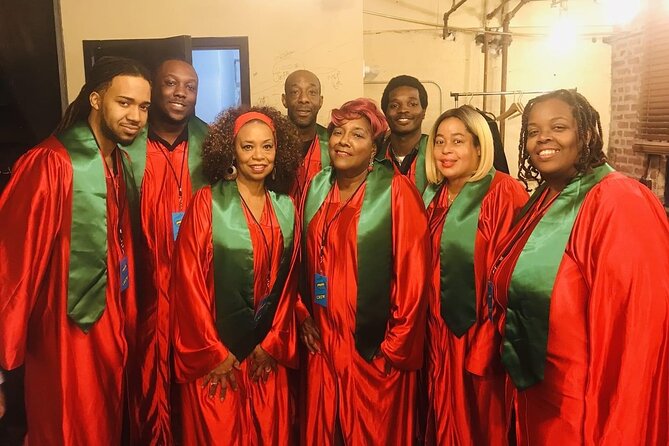
This tour is built around a simple idea: Harlem isn’t only about buildings. It’s also about voice, community, and faith in action. When your route includes a church service on Sunday, the neighborhood stops feeling like a museum. Even if you’re new to Harlem, you get a firsthand sense of why so much music, leadership, and resilience grew here.
You also get a guided narrative that connects what you’re seeing to what happened next. The tour aims to cover Harlem from the Harlem Renaissance to later waves of change and gentrification, which matters because Harlem today reflects several eras at once. You’ll come away with a framework that helps you notice details on your own afterward.
The morning does require you to go with the flow. There’s a set itinerary, but the church stop is noted as subject to change. That’s not a dealbreaker, but it is a reminder to treat this as a live community experience, not a rigid checklist.
You can also read our reviews of more tours and experiences in New York City.



What you get for $95: guide, timing, and ticket value
At $95 per person for about 4 hours, the value comes from three places: transportation by bus, a licensed guide, and admission to the gospel mass. On top of that, Apollo Theater has free admission on the stop list, which helps keep costs in check.
Here’s the practical ticket reality: you’ll spend time at several big-name landmarks where admission is not included. For example, stops at St. John the Divine, Morris-Jumel Mansion, and Hamilton Grange are listed as not including admission tickets. That doesn’t mean you can’t enjoy them—it often means you’ll be viewing exterior details or using the time for context rather than a paid interior visit.
So the smartest way to think about the price is this: you’re paying for the guided route and the included Sunday service, not for a guaranteed lineup of paid museum interiors. If you like learning on the street and in historic settings, it’s a solid fit.
Also, you’ll use a mobile ticket, which tends to be easier than messing with printouts. The tour is capped at 45 travelers, which usually means less chaos than some large city sightseeing buses.
Getting to 810 8th Ave and making the 9:00am start count
The tour begins at 810 8th Ave, New York, NY 10019, and it starts at 9:00am. It ends back at the meeting point, so you’re not dealing with a long scramble to get home after the last stop.
It’s marked as near public transportation, which is helpful. Since tips and personal expenses aren’t included, you’ll want to bring some cash or card just in case you decide to add tickets at the non-included stops.
Timing matters because this is a tight route: you’re stacking short landmark visits plus longer moments inside and in the neighborhood. If you want photos, plan to move quickly at each stop. If you’re more focused on listening, keep your attention on the guide’s explanations—this tour is designed for understanding, not just sightseeing.
Stop-by-stop: St. John the Divine and the quick Columbia University pass
Your first big visual moment is Cathedral Church of Saint John the Divine. It’s described as the largest cathedral in the world, and it’s also the seat of a bishop. Even if you don’t go inside, the stop is worthwhile because you’re looking at art from the outside, and the scale alone helps you picture how different parts of NYC connect—religious, civic, and cultural life all in one view.
Then you’ll pass Columbia University. You don’t park here for an extended visit; you’re given a perspective of how large and prominent the campus is. That pass helps you mentally map where Harlem sits relative to major institutions downtown, which makes the rest of the neighborhood stops feel more grounded rather than random.
One small consideration: St. John is a short stop, and admission isn’t included. If you’re hoping for a long interior experience right away, this won’t be that kind of morning. It’s more about orientation and standout architecture.
From Morris-Jumel to Hamilton Grange: early America in Harlem
Next up is Morris-Jumel Mansion, built in 1765 for Roger Morris. This spot is a National Historic Landmark and is tied to the Revolutionary War era, including service as headquarters for General George Washington. The tour framing also connects it to modern culture, noting that Hamilton was written at this location.
Even if you’re not a deep-history person, this stop helps you understand that Harlem’s story didn’t start in the 1920s. Before the Harlem Renaissance, this area had major political and architectural importance. It’s a reminder that American cultural history has layers, and Harlem is one of those places where layers overlap.
Admission isn’t included here either, so your enjoyment will depend on what you choose to do with the allotted time. If you’re content with the setting and the guide’s context, it still works. If you want deeper access, expect you might need to budget for tickets later.
Then you move to Hamilton Grange National Memorial. It’s described as a faithful testament to early American architecture, and it’s also a memorial linked to Alexander Hamilton, the first Secretary of the Treasury. This stop is a nice balance to Morris-Jumel: both are historic, but Hamilton Grange leans more toward architecture and personal legacy, which helps round out your understanding.
Again, admission tickets aren’t included for this stop, so treat it like a guided landmark moment more than a guaranteed museum time.




Striver’s Row details and Mt Olivet Baptist Church Sunday mass
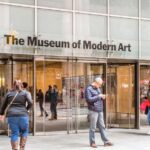
The tour’s Harlem-focused storytelling starts to sharpen around Striver’s Row. You’ll see “two beautiful streets” described as built by renowned architects in New York. Striver’s Row is the kind of place where the buildings tell you there was ambition, style, and money moving into a neighborhood—sometimes as opportunity, sometimes as pressure.
Then comes the centerpiece for most people booking a Sunday gospel option: Mt Olivet Baptist Church. This is where you get one hour inside for the service, and admission is included. The church stop is noted as subject to change, but the intent is clear: you’re going to experience a Sunday mass with the energy of a choir-led congregation.
This is the moment that tends to stick. It’s not just a cultural add-on. It’s a live event, and it gives your guide’s historical points a human soundtrack. If you’re the type who likes learning through more than plaques and brick facades, this is your payoff.
Practical advice for the church hour: be ready for a seated experience, and follow whatever guidance the congregation staff offers once you’re inside. If your schedule is tight, this stop is the one you shouldn’t try to rush.
Apollo Theater and the final Harlem time on your own
After the church, you head to the Apollo Theater, one of Harlem’s best-known performance spaces. The time block is short—about 15 minutes—but admission is listed as free. Even in a quick visit, Apollo carries weight because it represents the entertainment side of Harlem’s influence, especially for music and stage performance.
From there, you’ll get a larger Harlem portion on the schedule—about 2 hours. This is where the tour shifts from fixed landmark stops to a more neighborhood-centered experience. You’ll be able to see more of Harlem’s everyday feel with the guide’s context running in the background.
This is also where you can ask yourself a useful question: what part of Harlem are you responding to—architecture, community institutions, music history, or the way modern changes show up on the street? Use the two-hour window to look for your answer, because it’s the time most likely to help you continue exploring on your own later.
Who this Harlem and Gospel tour suits best
This tour fits well if you want structure but not a cookie-cutter checklist. You’ll like it if:
- You want a single morning route that covers Harlem’s major landmarks.
- You care about cultural context, not just photos.
- You’re excited by the idea of a Sunday gospel service as part of the itinerary.
- You prefer a small-ish group (max 45) with a licensed guide.
It might be less ideal if you’re mainly hunting for fully ticketed museum interiors at every stop. Since multiple stops list admission as not included, you’ll want either to be content with exterior viewing and guide-led explanations—or to be willing to pay extra if you decide to enter places on your own.
Should you book this Harlem and Gospel tour?
I’d book it if your goal is to understand Harlem in a way that feels more like meeting a neighborhood than checking off sights. The combination of landmark stops plus an included Sunday mass is the key reason this stands out. For $95, you’re also getting guided transportation and help connecting what you see to what came before.
Skip it or switch plans if you need long interior ticket experiences at every stop. The itinerary is time-smart, and some admissions aren’t included, so it’s not designed as an all-inclusive ticket tour.
If you do book, do one thing before you go: decide how you want to spend your energy—listening to the guide, taking photos quickly, or focusing on the neighborhood stop to plan your next hours after the tour ends. This tour rewards the people who choose a focus and stay present.
FAQ
How long is the Harlem and Gospel tour on Sundays?
It runs for about 4 hours.
What is the price per person?
The price is $95 per person.
Where does the tour start?
It starts at 810 8th Ave, New York, NY 10019, USA, and ends back at the same meeting point.
What time does the tour begin?
The start time is 9:00am.
Is the gospel church admission included?
Yes. Admission to the gospel mass is included, with the church stop at Mt Olivet Baptist Church for about 1 hour.
Are the Apollo Theater and other landmark admissions included?
Apollo Theater admission is listed as free for the stop. For other stops like St. John the Divine, Morris-Jumel Mansion, and Hamilton Grange, admission tickets are noted as not included.
Do I need tickets on my phone?
You’ll use a mobile ticket.
How big is the group?
The tour has a maximum of 45 travelers.
What happens if the weather is bad?
The tour requires good weather. If it’s canceled due to poor weather, you’ll be offered a different date or a full refund.
Can I cancel for a full refund?
Yes. You can cancel up to 24 hours before the experience for a full refund. If you cancel less than 24 hours before the start time, it won’t be refunded.