REVIEW · NEW YORK CITY
Stonewall and Gaslight: A Self-Guided Tour of Greenwich Village
Book on Viator →Operated by VoiceMap Audio Tours · Bookable on Viator
A street can feel like a timeline. This self-guided Greenwich Village walk uses a VoiceMap app to connect music spots, gay rights landmarks, and odd local legends into one mostly 90-minute-to-2-hour route.
I especially like the offline setup: maps, audio, and geodata work without data. I also love the pacing control—hit play, take breaks when you want, and keep your group together since it’s a private activity.
One thing to consider: this is fully app-based, so you’ll need a smartphone and headphones. If you prefer an in-person guide (or you hate staring at a screen while walking), this may feel less satisfying than a live tour.
In This Review
- Key Things You’ll Notice on This Greenwich Village Walk
- What This Is, In Plain Terms (And Why It Works)
- Start on Christopher Street and Build Momentum Fast
- MacDougal Street’s Music Scene: More Than a Name on a Map
- Hess Triangle and the OddFather Legend
- Patchin Place: Finding the Hidden Alley
- Jefferson Market Library and the Streets You’d Walk Past
- Stonewall Inn: The Moment Everything Gets Real
- Café Wha? and Café Society: Dylan to Strange Fruit
- The Cage and Streetball Culture
- IFC Movie Theater: Rocky Horror and Punk Influences
- Provincetown and More Dylan Couch Lore
- Comedy Cellar: Where Comedy Got Serious
- Gaslight Cafe: Hendrix and Clapton in the Same Five-Night Stretch
- How Long It Takes and How to Fit It Into Your Day
- Price and Value: $14.99 for a Scripted Walk You Can Repeat
- Practical Tips So the App Feels Effortless
- Who This Is Best For
- Should You Book It?
- FAQ
- Where does the tour start and end?
- How long is the self-guided walk?
- Does the tour work offline?
- What do I get for $14.99?
- What devices and apps are supported?
- What’s not included in the experience?
- Is this a group tour?
Key Things You’ll Notice on This Greenwich Village Walk
- Offline audio and navigation so you can wander without worrying about cell service
- Lifetime access to the tour in English, which lets you repeat it whenever you return
- A story mix that goes beyond Stonewall, tying in folk, rock, comedy, and early LGBTQ activism
- Music-world stops you may miss—places like Café Wha? and Gaslight Cafe get real context
- Short landmark-by-landmark pacing from Christopher Street all the way to Sullivan Street
What This Is, In Plain Terms (And Why It Works)
This is a self-guided, app-based tour of Greenwich Village with VoiceMap Audio Tours. Instead of meeting a person at a specific time, you start at 52 Christopher St, New York, NY 10014, follow the on-screen guidance, and listen to the narration as you walk. The whole experience is designed to move at your speed, with the option to pause whenever you want.
At $14.99 per person, the value is mostly about convenience and context. You’re not just paying for directions. You’re paying for a built-in walking script that turns streets you already know into places with names, motivations, and scenes attached.
The route also covers two big Village themes at once. First, the music pipeline—from early folk nights around MacDougal Street to clubs where new sounds took hold. Second, the LGBTQ history that culminates at the Stonewall Inn, with the surrounding neighborhood serving as more than a backdrop. For a lot of visitors, Village history can feel like a list. This tour tries to make it feel like an unfolding story.
You can also read our reviews of more walking tours in New York City



Start on Christopher Street and Build Momentum Fast
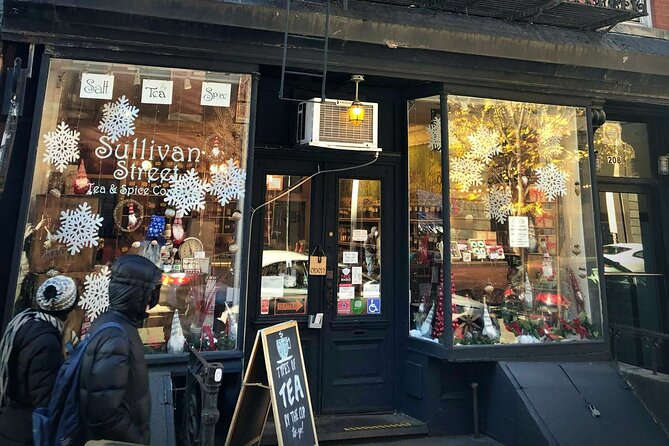
You begin where a lot of Village storytelling starts: Christopher Street. The experience frames what you’re walking through as a set of turning points rather than a random neighborhood stroll. That matters, because the Village can be easy to get lost in—especially when you’re busy reading signs, architecture, and street life.
From there, the tour guides you through the area with a steady rhythm. You get narration as you reach key sites, and the app helps you stay oriented without constantly asking where you are. And because maps and geodata work offline, you can keep moving even if your phone signal fades.
It’s also built for real walking behavior. You’re not forced into a strict group schedule. If you want to pause for photos, duck into a storefront to check an item, or just stand still for a minute, you can.
MacDougal Street’s Music Scene: More Than a Name on a Map
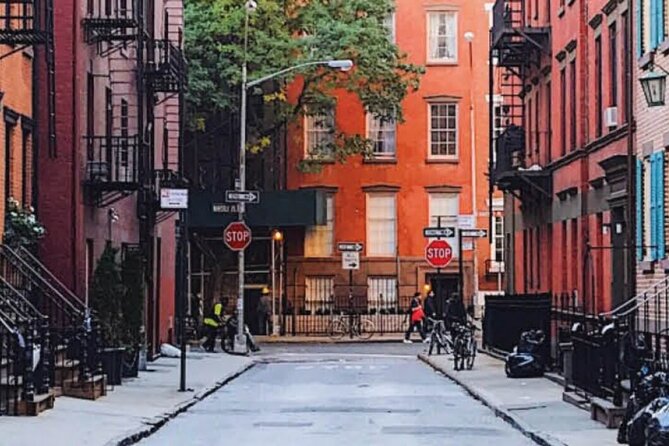
One of the tour’s early strengths is how it treats music venues as part of daily life. You hear about the birth of the folk music scene along MacDougal Street, which is important because that era didn’t happen in a vacuum. The neighborhood’s energy fed the performers, and the performers amplified the neighborhood’s identity.
If you know the names already, you’ll still get a useful shift: instead of thinking of it as famous stages and famous faces, you get the sense of how the streets and venues connected. If you don’t know much about the scene, don’t worry. The tour’s approach is built to help you make sense of why those clubs mattered in the first place.
Hess Triangle and the OddFather Legend
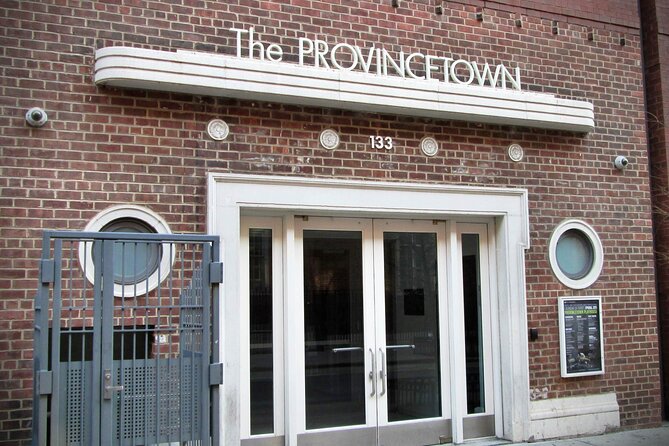
Next you start with a strong landmark point: Hess Triangle. From there, you work your way through the Village toward Sullivan Street, where you’ll hear the tale of the OddFather, a mafia boss who avoided arrest for decades by faking insanity.
This is the kind of story that makes self-guided tours feel worth it. A lot of people walk past a public space like Hess Triangle without thinking about what played out around it. Here, the narration gives you a reason to look at the building lines and street turns more carefully.
Patchin Place: Finding the Hidden Alley
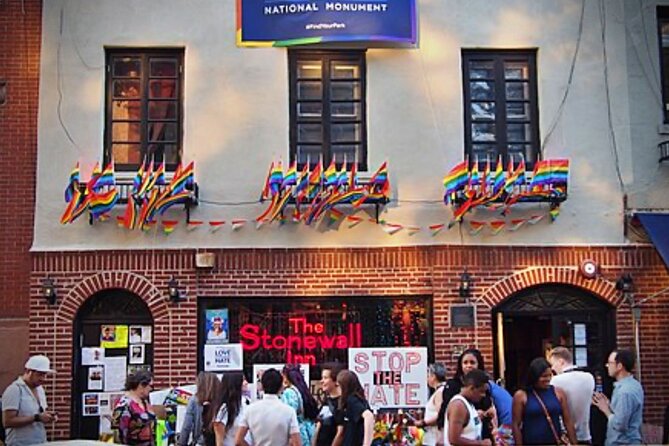
You’ll also reach Patchin Place, described as a hidden alley where Marlon Brando spent time while studying. This stop is a reminder that the Village’s best stories often live one doorway or one lane away from the obvious route.
You’ll likely notice how the neighborhood layout creates these pockets of quiet. Even when the street feels busy, alleys like Patchin Place can change the mood fast. That effect is exactly what makes these stops work on foot: you can feel the difference between the “main” Village and the lived-in corners.
You can also read our reviews of more guided tours in New York City






Jefferson Market Library and the Streets You’d Walk Past
The tour doesn’t just chase famous stops. It includes sites many people speed by, like the Jefferson Market Library and Gay Street. It also guides you to the Northern Dispensary and Christopher Park.
Here’s why I think this matters: the Village isn’t only famous because of big headline events. It’s famous because it held constant under-the-surface life—cultural, social, and political. When you get the stories behind everyday landmarks, the whole walk stops feeling like a scavenger hunt and starts feeling like you’re watching the neighborhood change over time.
And because the narration is location-based, you’re not left trying to remember where you read something later. The meaning arrives while you’re standing in front of the building or street.
Stonewall Inn: The Moment Everything Gets Real
Then comes the stop that most people come for: Stonewall Inn. The narration sets the scene with riot police facing off against a kickline of drag queens during the Stonewall Rebellion.
This part is the backbone of the tour. It’s also where the Village streets stop being just scenic. You’re standing in the place where conflict and organizing collided in a way that changed history.
The practical benefit of an app here is simple: you can take your time. You’re not being pulled along by a group tempo. If you want to listen closely to the details before you move on, you can. If you want a quiet minute to look around, you can do that too.
Café Wha? and Café Society: Dylan to Strange Fruit
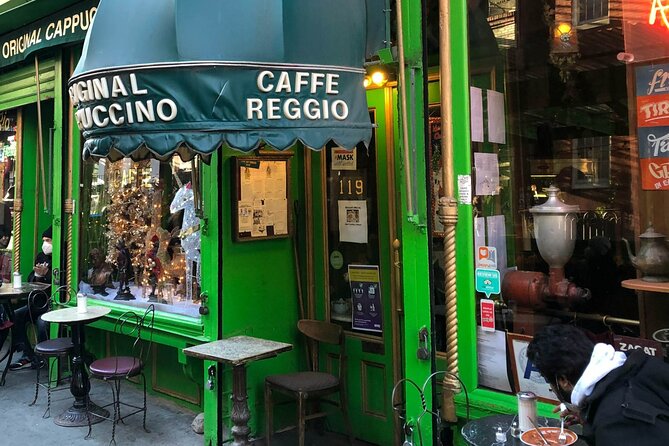
The music stops keep rolling. You’ll visit Café Wha?, where Bob Dylan performed on his first night in NYC. The tour also includes Café Society, described as America’s first mixed race nightclub where Billie Holiday debuted Strange Fruit.
What I like about including these two in the same route is contrast. You get a sense of how performance spaces could shape careers, but also how the social climate of the venue mattered. And because these are real buildings in an active neighborhood, the stops feel grounded. You’re not just hearing about art. You’re seeing where that art landed.
If you’re a music fan, you’ll probably get the most satisfaction here. If you’re not, you’ll still learn why these venues weren’t just entertainment—they were meeting points for culture and change.
The Cage and Streetball Culture
Another fun pivot: you’ll hear about the Cage, one of the most famous streetball courts in the world, and home to legendary pickup basketball games.
This stop works because it widens the definition of what “history” means in the Village. It’s not only protests and clubs. It’s also local culture, competition, and community play—stuff that keeps showing up every day even when the famous names change.
IFC Movie Theater: Rocky Horror and Punk Influences
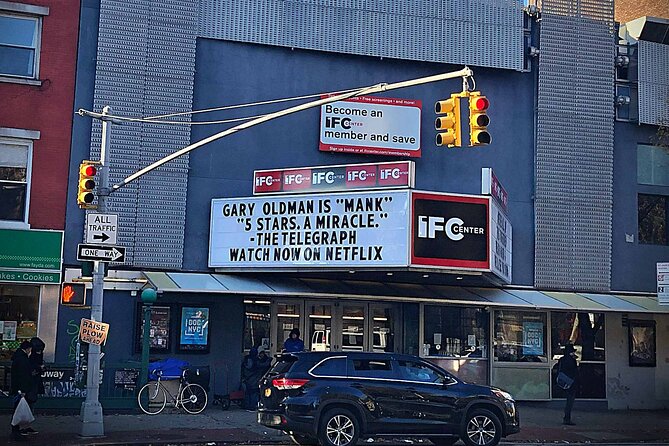
The tour guides you to IFC Movie Theater, where Rocky Horror madness began and where the first punk rock look was inspired. This is one of those places where the building itself doesn’t scream the story, which is exactly why an app narration helps.
The theater stop gives your walk a different flavor. Instead of live music, you get the theatrical shockwaves that helped shape visual style and attitude. It’s also a nice break from clubs, since you’re moving into a pop-culture lane.
Provincetown and More Dylan Couch Lore
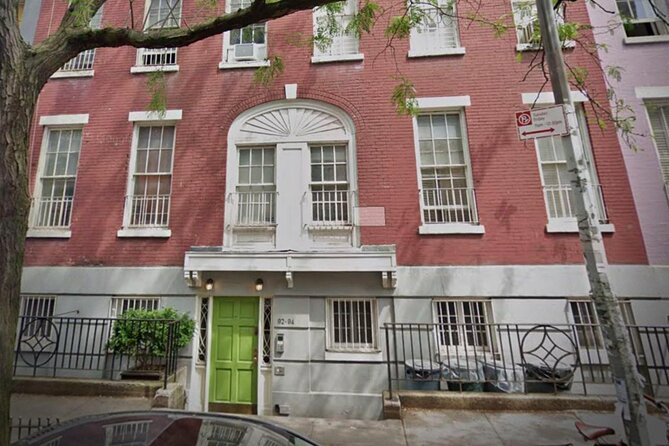
You’ll also see Provincetown, tied to the birthplace of off-Broadway theater. On the same street, you’ll hear about a building where Bob Dylan crashed on one of many couches during his stays in NYC.
This is a detail that makes a famous figure feel reachable. It’s also a reminder that artists travel light—or at least, they used to. A couch is not a concert hall, but it can lead to the same kind of life story.
Comedy Cellar: Where Comedy Got Serious
Then the route points you to Comedy Cellar, described as the most influential comedy club on earth. Even if you don’t plan to sit down for a show, this stop gives you context for why the Village’s comedy scene became a model for other places.
For me, this is a key “Village full-spectrum” moment. People often think of Greenwich Village as either music or politics. Comedy belongs in the mix too, because the club scene grew alongside the same neighborhood freedoms and creative risks.
Gaslight Cafe: Hendrix and Clapton in the Same Five-Night Stretch
The tour also includes Gaslight Cafe, where unknown musicians Hendrix and Clapton played together for five straight nights.
If you love the way careers evolve from early, almost anonymous stages, this stop will land well. The narration reframes the cafe as a starting point—less about legend, more about momentum. It’s a great example of how the tour uses famous names without making the whole thing feel like a biography. It keeps returning to place.
How Long It Takes and How to Fit It Into Your Day
The route is estimated at 1 hour 30 minutes to 2 hours. That makes it easy to combine with other Village wandering: grab coffee after, loop back for street photos, or continue north for more neighborhoods.
Because it’s offline and self-paced, your timing comes down to how long you linger at stops. If you listen to every story straight through without pausing, expect closer to the shorter end. If you stop for photos, read street details, or take breaks, plan closer to 2 hours.
Also note the tour end point: it finishes on Sullivan Street, near City Sweets & Confections (appointment-only address listed as 218 Sullivan St). So plan for a natural exit from the route into dinner or dessert nearby.
Price and Value: $14.99 for a Scripted Walk You Can Repeat
For $14.99 per person, you’re buying a lot more than a map pin. You’re getting:
- Lifetime access to the tour in English
- Offline audio, maps, and geodata
- A structured route with story-based stops that you don’t have to plan yourself
That lifetime access is a real value lever. Greenwich Village is the kind of neighborhood you revisit—especially if you’re mixing museum days, Broadway plans, or just walking. With lifetime access, this becomes something you can reuse on a second trip.
The only “cost” beyond the ticket is what you bring: a smartphone and headphones. Those aren’t included, so budget for them if you’re traveling light.
Practical Tips So the App Feels Effortless
A self-guided walking tour lives or dies by your setup. A few habits make it much smoother:
- Bring headphones that work well outdoors (noise matters on busy streets).
- Start with a charged phone. Offline doesn’t mean battery-free.
- When you arrive, let the app load and get your bearings before you start walking.
- Wear shoes you can live in for a full 1.5–2 hours. This is a walking-focused experience.
And one more tip: if you’re emotionally moved by the Stonewall material, give yourself time before you rush to the next stop. The route moves fast enough that you may want to control the pace yourself.
Who This Is Best For
This experience is a strong match if you like:
- Neighborhood history told through real places, not just lecture-style explanations
- Music culture, LGBTQ history, comedy, and pop-culture stops in one route
- Flexible timing and private, no-pressure wandering with your own group
It may feel less ideal if you want a live guide, Q&A, or deep museum-style context inside buildings. The tour is built around walking and listening outside, and it doesn’t include tickets or entrances.
Should You Book It?
I’d book this if you’re heading to the Village and you want your walk to mean something. For the price, the offline setup plus the story density is a practical win, and the mix of music venues, everyday landmarks, and the Stonewall Inn stop makes it more than a single-theme tour.
If you don’t like app-based navigation or you don’t want to use your phone while walking, skip it and look for a live guided option instead. But if you’re comfortable with a phone-led walk, this is a smart way to experience Greenwich Village as a chain of real moments.
FAQ
Where does the tour start and end?
The tour starts at 52 Christopher St, New York, NY 10014. It ends on Sullivan Street near City Sweets & Confections at 218 Sullivan St, New York, NY 10012.
How long is the self-guided walk?
The duration is estimated at 1 hour 30 minutes to 2 hours.
Does the tour work offline?
Yes. The experience includes offline access to audio, maps, and geodata, so you don’t need data for the navigation and listening.
What do I get for $14.99?
You get lifetime access to the tour in English, plus the VoiceMap App for Android and iOS and the offline audio and navigation content included with that tour.
What devices and apps are supported?
It’s available on both Android and iPhone using the VoiceMap App.
What’s not included in the experience?
You’ll need to bring your smartphone and headphones. The tour also does not include food/drink, tickets or entrance fees, or transportation.
Is this a group tour?
This is listed as a private tour/activity, meaning only your group participates.