REVIEW · NEW YORK CITY
Hell Gate Walking Tour
Book on Viator →Operated by Purefinder New York · Bookable on Viator
Hell Gate has a reputation for danger, and this tour turns that legend into something you can see with your own eyes. I like the small group and relaxed pace, and I love how the guide’s storytelling pulls together engineering, crime, and strange New York lore in one walk. One thing to plan for: it’s mostly outdoors on an island, so you’ll want comfortable shoes and be ready for weather.
You’ll spend about 2 hours 30 minutes moving between vantage points, where the view does half the work. I also appreciate that you don’t just get a couple photos and a quick history—your guide (Krombie) connects the area to real, specific threads like psychiatric patients, river pirates, Typhoid Mary, and the prisons around the East River. The only drawback I can see for some people is that the “dark” stories can be a bit intense if you prefer strictly cheerful city history.
This is a smart choice if you already know the usual Manhattan highlights and want something that feels off the map. The views are genuinely useful, too: you’ll look across Hell Gate waters and line up multiple bridges and islands in the same frame, so the history lands in context instead of feeling like a lecture.
In This Review
- Key highlights to look forward to
- Why Hell Gate feels like a Manhattan side quest
- Stop 1 at Wards Island Park: Hell Gate, Mill Rock, Roosevelt Island
- Stop 2 around Randalls and Wards Islands: bridges, Astoria Park, Triborough Bridge
- Stop 3 at Hell Gate Bridge: engineering plus a plot to blow it up
- Stop 4 at Randall’s Island Park: truss bridge, covered strait, film locations, and more
- The $34 value: why this pricing works for a 2.5-hour story walk
- Logistics that matter: where you meet, where you end, and how to keep it easy
- Who this walk suits best (and who might want to skip it)
- Quick tips so you enjoy every stop
- Should you book the Hell Gate Walking Tour?
- FAQ
- How long is the Hell Gate Walking Tour?
- What does the tour cost?
- Is the ticket digital?
- What’s the maximum group size?
- Where does the tour start and end?
- Is coffee or tea included?
- What if the weather is bad?
- Is the tour suitable for everyone physically?
Key highlights to look forward to
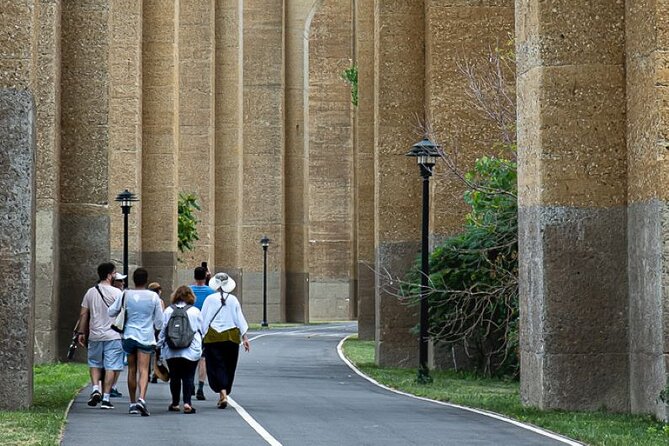
- Tight group size (max 15) keeps the pace comfortable and the Q&A real
- Krombie’s narrative style links Hell Gate’s waters to New York’s big true-story characters
- Multiple vantage points across Hell Gate, Mill Rock, Roosevelt Island, and beyond
- A story stop at Hell Gate Bridge that includes the engineering and a plot to blow it up
- Island views you won’t get from typical Manhattan viewpoints, including sights tied to film locations
- A strong 5/5 reputation across the small set of ratings, with praise for both fun and accuracy
Why Hell Gate feels like a Manhattan side quest
Hell Gate is one of those names that sounds mythic. But on this walk, it becomes practical: you stand where ships once faced brutal water conditions, then you look outward as your guide explains why the area earned its fearsome reputation. The best part is that you’re not stuck inside a museum. You’re learning while the city keeps showing itself around you.
I also like that the tour doesn’t treat the East River as generic scenery. You’ll focus on the specific maze of straits, islands, and bridge lines between Harlem and Astoria, which makes New York’s geography feel like a character in the story.
And yes, it gets fun. You’re going to hear about everything from river pirates to Typhoid Mary, plus darker themes connected to places like Rikers Island. Even if you already know Manhattan history, the connection to Hell Gate adds a fresh angle.
You can also read our reviews of more walking tours in New York City



Stop 1 at Wards Island Park: Hell Gate, Mill Rock, Roosevelt Island

Your first stop is Wards Island Park, and it’s all about setting context. You get an early vantage point over Hell Gate and nearby features, including Mill Rock and Roosevelt Island. It’s short—about 15 minutes—but it works like a mental map. You start the walk understanding what you’ll be looking at the whole time.
If you like tours where the guide teaches you how to look, this is a good start. You can stand, orient yourself, and then let the later stops snap into place. For photo fans, it’s also a good moment to capture the bridge and water geometry without feeling rushed.
One practical note: since it’s on an island, this is where you’ll want to be ready for wind or sun. Bring layers if the weather is finicky.
Stop 2 around Randalls and Wards Islands: bridges, Astoria Park, Triborough Bridge
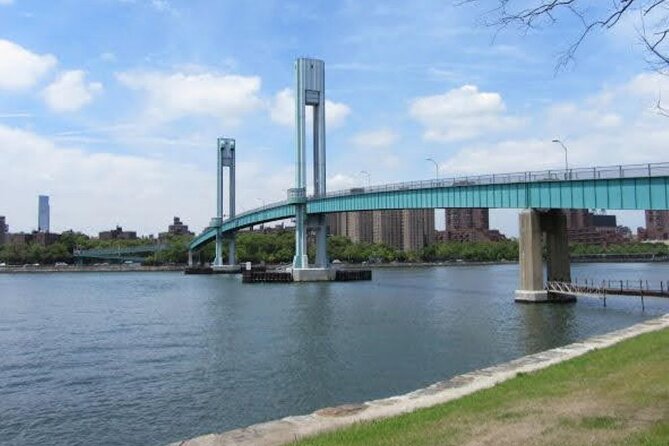
Next you shift to the broader area between Randalls and Wards Islands, still centered on views. This leg is about 20 minutes, and the payoff is the perspective: you’ll get a vantage point toward Astoria Park and the Triborough Bridge, plus specific features on Wards Island.
This is where the tour starts to feel like more than a history lesson. The bridge lines matter. From here, it’s easier to understand how Hell Gate sits in the city’s transportation and industrial web—because you’re not just told that it mattered. You can see the roads, rail connections, and bridge spans that still shape the river crossing today.
Also, because the group is limited (max 15), the pacing stays calm. You’re not shoulder-to-shoulder craning for a view.
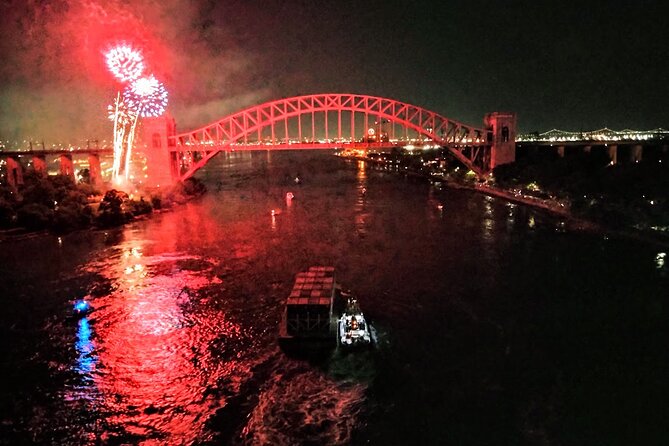
Stop 3 at Hell Gate Bridge: engineering plus a plot to blow it up

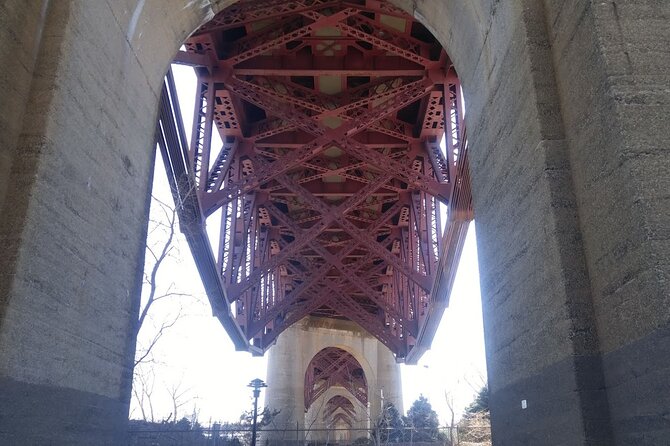
At the Wards Island end of Hell Gate Bridge, the tour turns into a story about design and sabotage. This stop is about 15 minutes, and you’ll hear about the bridge’s unusual engineering and the plot to blow it up.
Even if you’re not a civil-engineering person, the way this kind of story lands outdoors is different. When you’re standing near the structure, the details feel more real. The guide can point to the bridge’s features and explain why the engineering choices mattered—then connect it to the human drama of the plot.
This is also a great stop if you’re the type who likes historical “what ifs.” It’s not just a tale of past danger; it’s a reminder that the people building big infrastructure also lived with big risks.
Stop 4 at Randall’s Island Park: truss bridge, covered strait, film locations, and more

The final stop is the longest at about 35 minutes, and it’s packed. At Randall’s Island Park, you’ll see more of Little Hell Gate, the stretch that once separated the islands. The guide focuses on the truss bridge over the covered strait, plus classic film locations tied to the area.
You’ll also get multiple sightlines that help the story feel anchored in place:
- a northern view of Hell Gate from Sunken Meadow
- the former islands that used to connect toward Astoria
- the power plants along the East River
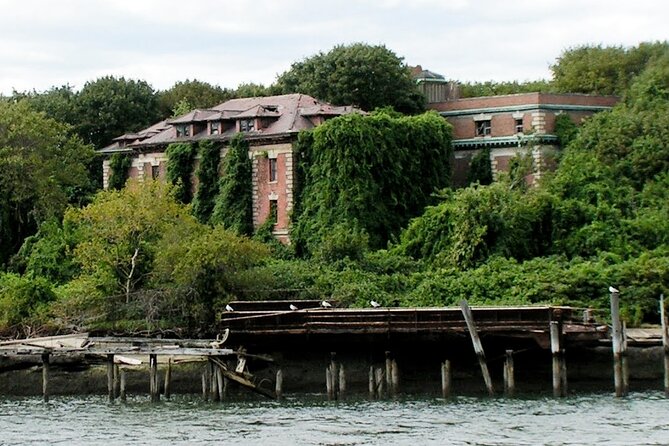
- viewpoints toward Rikers Island and North and South Brother Islands
- and a look at the biggest prison barge in the world
That last part is a blunt, memorable detail. It’s the kind of real-world contrast that makes Hell Gate feel like more than a spooky name. This is where the tour blends the mythic (“treacherous waters”) with the very modern (“prisons and power plants”).
If you’re sensitive to heavy topics, you may want to decide ahead of time how you want to handle the darker stories. The guide’s tone stays engaging, but the subject matter includes real-life harshness.






The $34 value: why this pricing works for a 2.5-hour story walk
At $34 per person for about 2 hours 30 minutes, you’re paying for three things: a guide, access to the right viewpoints, and a format that turns geography into narrative. The tour includes all fees and taxes, which matters in a city where costs can sneak in at the last step.
The “small group” piece is also part of the value. With a maximum of 15 travelers, you can hear the guide without competing for space at every stop. That alone often justifies a few extra dollars versus larger walking tours.
One small detail you’ll want to plan around: coffee or tea isn’t included. If you’re doing this at a time when you’ll usually want a caffeine break, bring your own.
Logistics that matter: where you meet, where you end, and how to keep it easy
The tour starts at Randall’s Island Athletic Field #8340,7848166 -73.9352736, on E River Ln. It ends at Randall’s Island Field #4141 Randalls Island Road, and the final stop is at Sunken Meadow, close to the M35 bus stop.
From Sunken Meadow, you can reach 125th Street and Lexington Avenue by bus, and you’ll find subway connections via the 4, 5, or 6. Your guide can also help you get to the right pedestrian exits off the island.
This matters because islands can be confusing at street level. When the tour ends at Sunken Meadow, you’re not stuck wondering how to get back—you have a clear next step.
Who this walk suits best (and who might want to skip it)
This is a good fit if you:
- want a New York experience that isn’t the usual Midtown routine
- enjoy storytelling that’s specific, not vague
- like the East River’s industrial side as much as the skyline view
- don’t mind hearing about grim chapters as part of real city history
It may be less ideal if you:
- hate walking outdoors for stretches at a moderate fitness level
- prefer history that stays light and upbeat
- expect a purely scenic tour with no “dark story” themes
A note on fitness: the tour asks for moderate physical fitness. That doesn’t mean athletic, but it does mean you should be comfortable walking on uneven island paths and standing at viewpoints for short stretches.
Quick tips so you enjoy every stop
Bring comfortable walking shoes—you’ll be on islands and you’ll stand for viewpoints. Wear layers if the weather shifts, because waterfront wind can change fast. And if you think you’ll want coffee afterward, plan to get it after, since coffee or tea isn’t provided.
Also, since this is small-group and mostly outdoors, I’d arrive a few minutes early so you can get oriented at the start point without rushing.
Service animals are allowed, and it’s near public transportation, so you’re not dealing with a remote location.
Should you book the Hell Gate Walking Tour?
I think you should book it if you want a walking tour that feels like New York itself is doing the storytelling. The combination of Hell Gate waters, multiple bridge and island viewpoints, and the guide’s ability to tie together real characters and real events makes the $34 price feel fair for what you’re getting.
If you’re on the fence, here’s my simple test: do you like history that includes true crime, public health tragedies, and hard edges—plus engineering details you can see with your own eyes? If yes, this is an excellent way to spend an afternoon. If you only want gentle facts and skyline postcards, you might find the tone more intense than you expected.
Either way, it’s one of those rare NYC tours where the place isn’t just the background. It’s the point.
FAQ
How long is the Hell Gate Walking Tour?
It’s listed at about 2 hours 30 minutes.
What does the tour cost?
The price is $34.00 per person.
Is the ticket digital?
Yes, you receive a mobile ticket.
What’s the maximum group size?
The tour has a maximum of 15 travelers.
Where does the tour start and end?
It starts at Randall’s Island Athletic Field on E River Ln. It ends at Sunken Meadow near the M35 bus stop.
Is coffee or tea included?
No, coffee and/or tea are not included.
What if the weather is bad?
The experience requires good weather, and if it’s canceled due to poor weather you’ll be offered a different date or a full refund.
Is the tour suitable for everyone physically?
It’s geared toward travelers with moderate physical fitness.