REVIEW · NEW YORK CITY
How Money Was Made: Wall Street Walking Tour
Book on GetYourGuide →Operated by Inside Out Tours · Bookable on GetYourGuide
Wall Street is more than finance. This 2-hour guided walk connects money and power to real-world events, from early trading roots through stock crashes and Lower Manhattan’s rebuilding. I really like how the tour mixes politics with markets, and I also enjoy the architecture-and-landmark stops that make the history feel tangible. The one thing to consider is the pace: it’s a fast, information-dense walk, so plan for a lot of standing and walking in comfy shoes.
You’ll start in a place that reframes the whole story. From the start, the guide frames Wall Street as a long chain of decisions—Native American trade origins, European merchant influence, and the rise of the American financial system—rather than a single era. Then the tour pushes into the consequences, including how stock market crashes trigger financial crises and how aggressive growth affected different communities.
There’s also a human side that you don’t usually get on typical skyline walks. The conversation includes visionaries and innovators, women pioneers, Robber Barons, and the forgotten enslaved laborers who helped shape the system. If you want a relaxed stroll with lots of time to linger at each corner, this might feel too jam-packed.
In This Review
- Key Highlights Worth Showing Up For
- Where the Tour Starts and What That Setting Means
- The Story Arc: From Early Trading to Wall Street Power
- Stock Market Crashes and Financial Crisis: What to Watch For
- Seeing the Heart of Wall Street Through Landmarks and Architecture
- Lower Manhattan After 9/11: Rebuilding as Part of the Money Story
- The People Who Built (and Profited From) the System
- Price and Value for a 2-Hour Wall Street Walk
- Rain or Shine Logistics and What to Bring
- Who This Tour Suits Best
- Should You Book This Wall Street Walking Tour?
- FAQ
- Where is the meeting point for the Wall Street walking tour?
- How long is the tour?
- How much does it cost?
- What’s included in the price?
- Is hotel pickup or drop-off included?
- What language is the tour guide speaking?
- Does the tour run in bad weather?
- Is the tour wheelchair accessible?
- What should I bring?
- FAQ
- Can I cancel for a refund?
- Is there any food or drinks included?
Key Highlights Worth Showing Up For
- Native trade origins to American finance: a broader starting point than the usual Wall Street origin story
- Crisis + consequences, not just winners: stock crash impacts and who paid the price
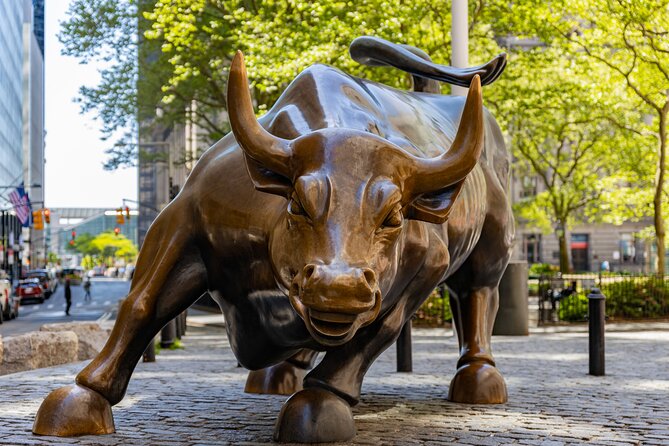
- Landmark architecture stops: you see the built environment behind the big ideas
- Lower Manhattan rebirth after 9/11: rebuilding as part of the financial narrative
- Told through many players: women pioneers, Robber Barons, and enslaved laborers
Where the Tour Starts and What That Setting Means
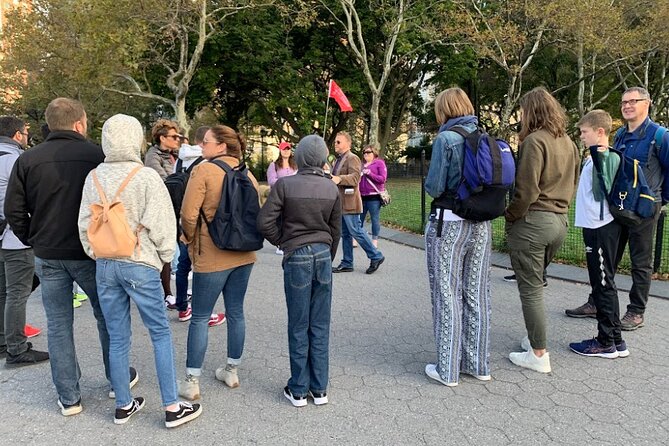
Your tour meets outside the Museum of the American Indian, with the guide holding up a Red, Inside Out Tours Flag. That first step matters because it signals the tour won’t treat Wall Street like a sealed bubble of modern banking. It’s framed as part of a longer story of trade, politics, and power in the Americas.
If you’re trying to maximize value in just two hours, this start is a smart move. It anchors you in context before you even get close to the financial district’s biggest buildings. I’d plan to arrive a few minutes early so you can get oriented without rushing.
One practical note: there’s no hotel pickup or drop-off. That’s normal for city walking tours, but it does mean you’ll want your navigation lined up ahead of time. Also, you’re not buying tickets for a museum as part of this experience—this is about walking and listening, guided by someone who’s there to connect the dots.
You can also read our reviews of more walking tours in New York City



The Story Arc: From Early Trading to Wall Street Power
The core of the tour is the way it builds a timeline with cause-and-effect. You’ll hear how early trading in the Americas has Native American origins, then how European merchants influenced the path toward a more formal American financial system. The takeaway is simple: money systems don’t appear out of nowhere. They evolve from trade rules, political decisions, and who gets to profit.
Then the tour shifts from origins to disruptions. Stock market crashes aren’t treated as isolated events. You’ll connect them to financial crises and to how economic shocks can hit different populations in very different ways.
This kind of framing is valuable because it helps you read the financial district like a map. Instead of memorizing facts, you start noticing patterns: who influences policy, how markets create incentives, and how fear or speculation can turn into real-world damage. Even if finance is not your hobby, the tour keeps returning to human outcomes.
Stock Market Crashes and Financial Crisis: What to Watch For
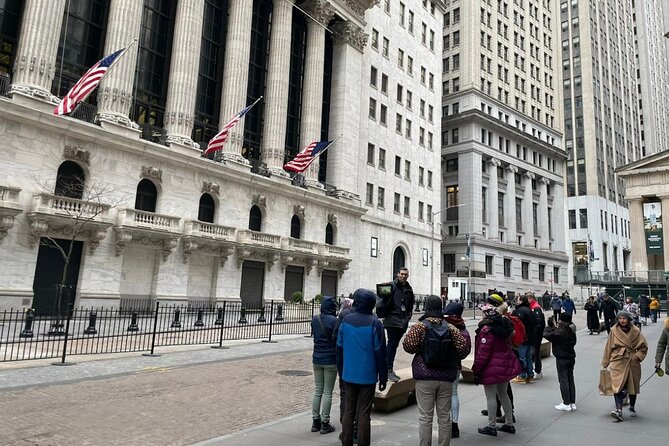
The tour spends time on the financial crisis that stock market crashes can trigger. You’ll also hear about the impact of aggressive economic growth on diverse populations. That combination is what makes the story feel grounded rather than abstract.
Here’s why it’s worth your attention: crashes are usually discussed in numbers. But the real story is what happens next—who gets protected, who gets squeezed, and how quickly the system can change. When you understand that, the headlines make more sense, and you can better connect modern finance to older cycles.
If you’re the type who likes stories with a clear arc, you’ll probably appreciate this section. It moves from the mechanism (crashes) to the fallout (crises and social impact). If you’re expecting a pure architecture tour, you might be a little surprised by how much the focus stays on markets and political power.
Seeing the Heart of Wall Street Through Landmarks and Architecture
One of the most enjoyable parts of this tour is that it doesn’t stop at talking. You also get out and look at New York’s architecture and iconic Wall Street landmarks. Even if you’ve walked around Lower Manhattan before, seeing buildings while someone explains the financial and political backdrop makes a difference.
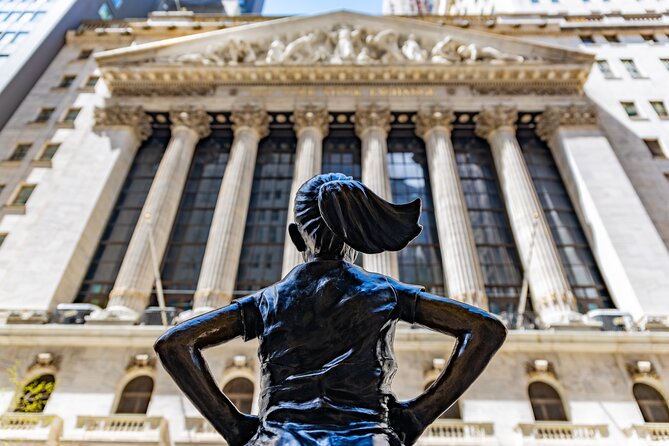
The district’s architecture can feel like a set of props unless you know the story behind it. This tour helps you connect those facades to the institutions and decisions they represent. You’ll be in the heart of Wall Street looking at sites that show how power gets built into the skyline.
Practical tip: because you’re walking in a compact area for two hours, your route will likely involve repeated close-ups of buildings and corners. That’s great for photos, but it also means you’ll want comfortable, supportive shoes. This tour stays rain or shine, so bring weather-appropriate gear.
Lower Manhattan After 9/11: Rebuilding as Part of the Money Story
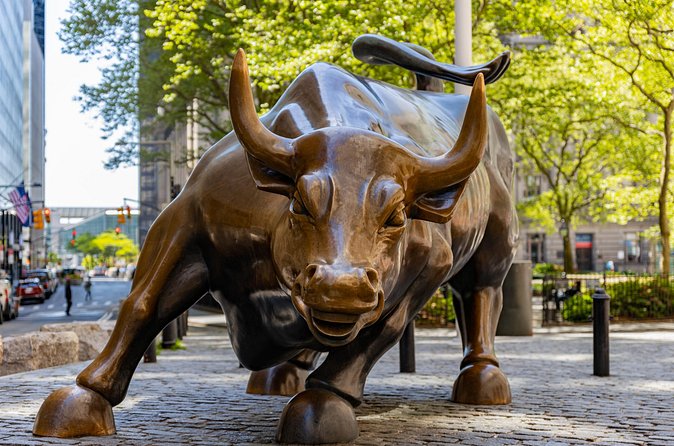
The tour includes the rebirth of Lower Manhattan after the devastating events of 9/11. That might sound like a separate topic, but here it’s treated as part of the longer financial narrative. Rebuilding isn’t just construction—it’s decisions about what to restore, what to change, and what the city’s economic future looks like.
I like that this section adds emotional weight without turning the tour into a moment of silence that loses momentum. Instead, it connects tragedy to the practical question of recovery—who returns, what institutions move forward, and how the district’s identity shifts.
If you’ve ever wondered why certain parts of Lower Manhattan feel different today than they did years ago, this is the portion that helps you make sense of that feeling. It gives you a lens to see rebuilding as another kind of economic chapter, not only a historical one.






The People Who Built (and Profited From) the System
Wall Street didn’t form through one perfect blueprint. This tour highlights a whole cast: visionaries, financial innovators, women pioneers, Robber Barons, and forgotten enslaved laborers who helped shape the history of Wall Street.
This is one of the most praised parts of the experience because it broadens what Wall Street history usually includes. It’s easy to get stuck on famous names—then miss the labor, the inequality, and the human cost. Having enslaved laborers explicitly part of the story changes how you see the origins of wealth in the system.
And the inclusion of women pioneers is equally important. The financial world is often portrayed as male-only, especially in older eras. You’ll get that viewpoint challenged as the tour connects who had influence, who opened doors, and who got erased.
A note on guide quality: one verified booking from Thomas in Austria specifically called out that the guide Jess was very very interesting and very nice. Another booking flagged the tour as fast paced and jam-packed with lots of history. That matches what the tour is aiming for—storytelling that moves and covers a lot of ground in a short time.
Price and Value for a 2-Hour Wall Street Walk
At $49 per person for a 2-hour tour, you’re paying for a guided, high-density story built around walking, landmark viewing, and context. It’s not a cheap coffee stroll, and it’s also not trying to be a long, slow museum-like experience.
So what does the price buy you? It buys you a guide who can link:
- early trade roots to American financial growth
- stock crashes to real financial crisis patterns
- architecture and Lower Manhattan landmarks to the story of institutions
- the people involved, including women pioneers and enslaved laborers
If you like walking tours that teach you how to think—rather than tours that simply point out buildings—this cost can feel fair. But if you want lots of downtime, or you’re hoping for only surface-level facts, the pace may make the value feel worse.
One practical consideration from a low rating: the experience wasn’t considered worth the price by at least one person. That doesn’t mean it’s bad, but it’s a reminder to match your expectations. If you’re sensitive to fast pacing, check whether you prefer a slower pace before booking.
Rain or Shine Logistics and What to Bring
This tour runs rain or shine, and it’s built for walking. The biggest item on your packing list is simple: comfortable shoes.
Also, since there’s no food or drinks included, plan to eat before or after. Two hours in Lower Manhattan can pass quickly, but you may still want fuel if you’re sensitive to walking hunger.
Because there’s no hotel pickup and drop-off, you’ll need to get yourself to the Museum of the American Indian area on time. And since the guide is holding the Red, Inside Out Tours Flag, keep an eye out so you don’t drift into the wrong group.
Who This Tour Suits Best
This experience is a strong fit if you:
- want Wall Street history that includes politics, consequences, and inequality
- like guided context that turns landmarks into meaning
- enjoy fast pacing and don’t mind walking while learning
It may be less ideal if you prefer:
- long stops to linger on one building at a time
- a lighter tone focused mainly on skyline photos
In short: it’s for people who like “useful information per minute.” You’ll come away with a clearer mental map of how money systems connect to society and power.
Should You Book This Wall Street Walking Tour?
I think this is a solid booking choice if you want Wall Street explained as a story of trade origins, political influence, crises, and rebuilding, all stitched to architecture in Lower Manhattan. The combination of landmark viewing and a wide set of people in the narrative—including women pioneers and enslaved laborers—gives it more depth than a basic financial district walk.
Book it if you’re comfortable with a fast-paced two hours and you’re excited to walk and learn. Skip it if you’re hoping for a relaxed pace, lots of sitting breaks, or a purely sightseeing-focused tour. For the right mindset, it offers real value.
FAQ
Where is the meeting point for the Wall Street walking tour?
Meet the guide in front of the Museum of the American Indian. The guide will be holding up a Red, Inside Out Tours Flag.
How long is the tour?
The tour lasts 2 hours.
How much does it cost?
The price is $49 per person.
What’s included in the price?
A live tour guide is included.
Is hotel pickup or drop-off included?
No. Hotel pickup and drop-off are not included.
What language is the tour guide speaking?
The live tour guide speaks English.
Does the tour run in bad weather?
Yes. The tour will take place rain or shine.
Is the tour wheelchair accessible?
Yes, the tour is wheelchair accessible.
What should I bring?
Bring comfortable shoes.
FAQ
Can I cancel for a refund?
You can cancel up to 24 hours in advance for a full refund.
Is there any food or drinks included?
No. Food and drinks are not included.