REVIEW · NEW YORK CITY
New York Central Park Guided Pedicab Tour
Book on Viator →Operated by Central Park Attractions · Bookable on Viator
Central Park, powered by pedals and stories. This guided pedicab tour lets you cover a lot of ground without the leg burn, hitting major landmarks with photo-friendly stops and a guide who helps you place what you’re seeing. I like that each pedicab fits up to three adults comfortably, and that many guides use movies/video clips and fun references to connect scenes to real locations. One thing to consider: a big chunk of your time is still spent riding between stops, so you’ll get the most out of it if you pick your timing wisely.
I also like the way the route mixes iconic “postcard” spots with quieter corners where you can actually look around. If you’re hoping to thoroughly explore each location on foot, this tour is more about fast orientation + key highlights than long independent wandering.
In This Review
- Key highlights to look for
- Glide Into Central Park From Columbus Circle
- A Stop-by-Stop Pedicab Route Through Central Park Highlights
- Columbus Circle: a big visual kickoff
- Central Park Carousel (and a quick nostalgia hit)
- Chess & Checkers House Visitor Center: games in a historic shell
- The Dairy Visitor Center: practical shopping with a purpose
- Umpire Rock: a name with a story
- The Plaza: where old Hollywood energy lingers
- Gapstow Bridge: pond views and a photo-friendly angle
- Central Park Zoo: animals from multiple climates
- Balto Statue: a heroic tale you can feel
- Central Park SummerStage: performances in Rumsey Playfield
- Upper East Side edge: Museum Mile context
- Bethesda Fountain: people-watch from the Terrace
- The Mall & Literary Walk: straight lines and writer statues
- Cherry Hill: picnic energy by the Lake
- Bow Bridge: the curve that begs for photos
- Strawberry Fields: John Lennon’s memorial and Imagine mosaic
- The Dakota: iconic facade and famous courtyard layout
- Tavern on the Green: a classic dining stop in a historic shell
- Pinebank Arch: lacy ironwork and a quiet overlook
- Upper East Side to the finish back at the meeting point
- How the Guides Make the Difference (Columbus, Barry, Ibrahim, Schade, Sched)
- Time, Pace, and What You Should Still Walk
- Value for Money: Why $44 Can Feel Like a Bargain
- Who This Tour Fits Best
- Should You Book This Central Park Pedicab Tour?
- FAQ
- How much does the New York Central Park Guided Pedicab Tour cost?
- How long is the tour?
- Where does the tour start?
- Is the tour private or shared?
- What language is the tour offered in?
- Does the tour include guides and taxes?
- Are tickets or admissions required for the stops?
- Can I bring a service animal?
- Where does the tour end?
- What is the cancellation window for a full refund?
Key highlights to look for
- Eco-friendly pedicab pace that keeps you moving without constant walking
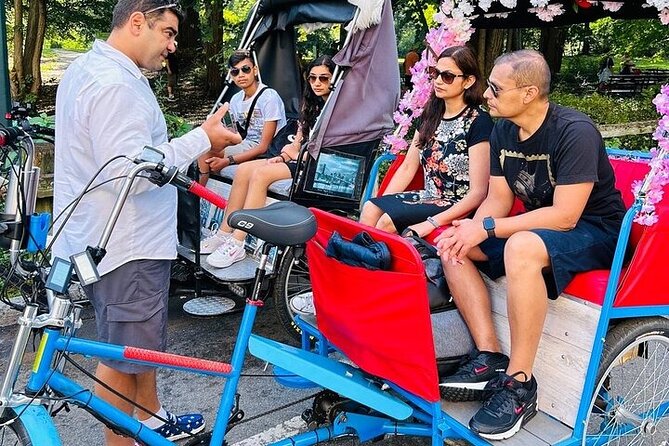
- Small-group comfort: up to three adults per pedicab
- Photo and viewpoint breaks at bridges, fountains, and famous memorials
- Park-wayfinding with context, including movie references and short videos (when offered)
- A route that hits both tourist classics and lesser-noticed landmarks
- Private tour for your group, so you can ask questions and go at a sane speed
Glide Into Central Park From Columbus Circle
This tour starts at 1794 Broadway (near Columbus Circle), which is a smart move if you’re new to the park. You begin with a dramatic piece of public art: the Columbus monument with the three ships (the Niña, Pinta, and Santa María) and a winged figure studying a globe. It’s the kind of start that gives you instant orientation—this is Central Park in “big moment” mode.
From here, you’ll roll right into the park’s busiest area without feeling like you’re wrestling foot traffic. And because the pedicab is small and hands-on guided, you get a guided storyline instead of just a checklist. Expect the ride to feel efficient: you won’t see every footpath, but you will understand how all the major features connect.
Price-wise, $44 per person for about 1.5 hours can feel like a splurge—until you compare it to the reality of doing this solo. If you’re time-limited, tired, or traveling with kids or older relatives, the cost starts to make sense fast. You’re paying for saved walking, guided pacing, and someone who knows where to stop.
You can also read our reviews of more guided tours in New York City


A Stop-by-Stop Pedicab Route Through Central Park Highlights
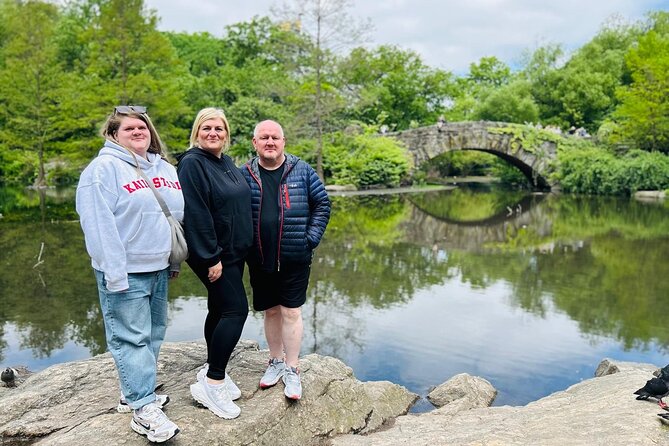
Central Park is huge, and this route is built to keep the best-known landmarks rolling in a practical order. The tour is typically offered in 1-hour, 1.5-hour, or extended 2-hour options, so you can match it to your schedule.
All the named stops are listed with admission ticket free, which matters because it reduces the “what do we do next?” stress.
Columbus Circle: a big visual kickoff
You’ll start by looking up at the Columbus statue and the ship imagery—an attention-grabber that sets the tone. It’s a good place to take a first photo, because the monument makes a strong frame even if you’re still half waking up.
Central Park Carousel (and a quick nostalgia hit)
Next comes the Central Park Carousel, a fan favorite since 1871. It’s not just a ride; it’s one of those classic Central Park institutions that helps you understand the park as a place families actually use, not just admire.
If you’re visiting in warmer months, the carousel area often feels lively. In colder weather, it can still be a great stop because you’re getting a short view without committing to a long indoor time block.
Chess & Checkers House Visitor Center: games in a historic shell
Then you’ll swing by the Chess & Checkers House, now one of the park’s visitor centers run by the Central Park Conservancy. The small octagonal brick building is surrounded by game tables shaded by trellises, which makes this stop feel like Central Park’s version of a neighborhood club—except it’s in the middle of Manhattan.
This is also a moment where you can get grounded: you’ll see park “activity” instead of only “attraction.” That helps the rest of the tour click.




The Dairy Visitor Center: practical shopping with a purpose
Mid-park you’ll hit The Dairy Visitor Center and Gift Shop at 65th Street. It’s listed as the park’s largest gift shop, and it also functions as a convenient waypoint if you want to grab small essentials for the day.
A useful detail here: purchases support care for the park. Even if you don’t buy anything, it’s a good stop to know exists—especially if you’re planning a return visit.
Umpire Rock: a name with a story
In the southwest corner, you’ll stop at Umpire Rock, tied to the park’s first playground in that area. The stop is short, but the payoff is context: the park wasn’t always a quiet landscape of views. It used to be a kid-first play space.
From here, you can also spot the Wollman Rink, which gives you another mental link to what the park does season to season.
The Plaza: where old Hollywood energy lingers
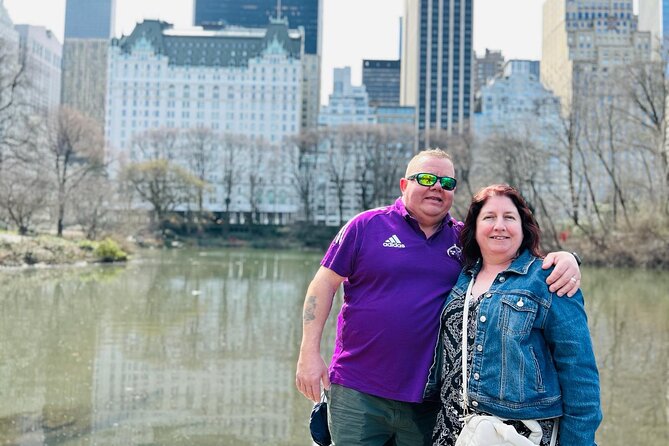
Moving toward the west side, you’ll roll past The Plaza, famous as a place where kings, presidents, and stars have gathered. It’s also known for being filmed in a famous 1990s movie—so if you recognize it from pop culture, this stop helps connect the movie image to the real building.
Even if you don’t care about celebrity hotels, it’s a helpful pause to notice the park’s boundary: you’re inside green space, but the Manhattan setting is right there.
Gapstow Bridge: pond views and a photo-friendly angle
Next is Gapstow Bridge, which crosses the narrow neck of the pond. It’s a popular viewpoint for photographs, and the stop is timed to let you look and shoot without dragging your whole day out.
If you like taking photos but hate waiting in long lines, this is the style of stop that works well: quick, purposeful, and scenic.
Central Park Zoo: animals from multiple climates
The route then reaches the Central Park Zoo, which includes animals from tropical, temperate, and polar regions. You’ll learn about prominent exhibits like the sea lion pool and tank, and you may also see references to snow leopards, grizzly bears, penguins, and more.
What’s useful for most visitors: the zoo stop is a reality check. Central Park isn’t just statues and lakes—it’s also a full animal world. Even a short stop helps you understand the park’s range.
Balto Statue: a heroic tale you can feel
Then you’ll stop at the Balto statue, one of the park’s beloved monuments. The story centers on a diphtheria outbreak threatening Nome, Alaska in January 1925, and how dog-sled teams and mushers formed the relay when vaccines couldn’t arrive by plane.
This is one of those stops where the guide can turn a quick photo into something memorable, because the backstory gives you a reason to care beyond the sculpture.
Central Park SummerStage: performances in Rumsey Playfield
Next comes Central Park SummerStage, an outdoor concert/performance series held on Rumsey Playfield. It’s a stop that reminds you the park is used like a living room for events, not just a walk-through.
Even if you’re not visiting during a show, it helps you see where those crowds and performances would happen.
Upper East Side edge: Museum Mile context
You’ll pass through Upper East Side, known for Madison Avenue and the nearby Museum Mile corridor along Fifth Avenue. This helps you place Central Park as the anchor for a cluster of neighborhoods and museums—not a lone island of greenery.
Bethesda Fountain: people-watch from the Terrace
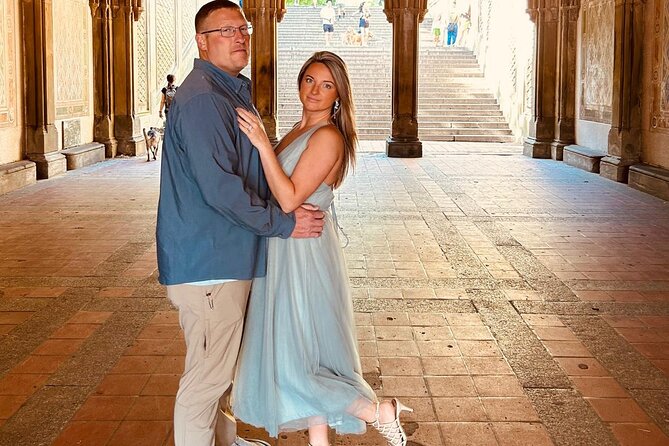
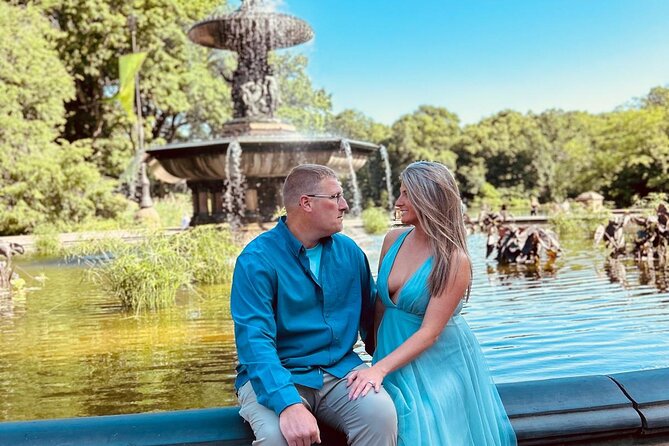
One of the most-loved moments is Bethesda Fountain—the Angel of the Waters—set in a large two-level plaza with an arcade. It’s a classic place to relax, watch people, and appreciate the architecture and scenery.
This stop is timed so you can look up, look around, and grab a “we’re really here” photo without rushing.
The Mall & Literary Walk: straight lines and writer statues
Then you’ll hit The Mall, Central Park’s wide straight path lined with American elms. The southern section is known as Literary Walk for the writer statues added in the 19th century.
If you’re thinking, wait, a straight path in a park? That’s part of the point. This is the kind of design feature that makes Central Park feel planned, not random.
Cherry Hill: picnic energy by the Lake
Next is Cherry Hill, named for its cherry trees. The view overlooks the lake, and the sloping lawn is an easy place to imagine a picnic—especially in spring when the blossoms draw crowds.
Even on a short stop, it gives you a sense of how Central Park changes with the seasons.
Bow Bridge: the curve that begs for photos
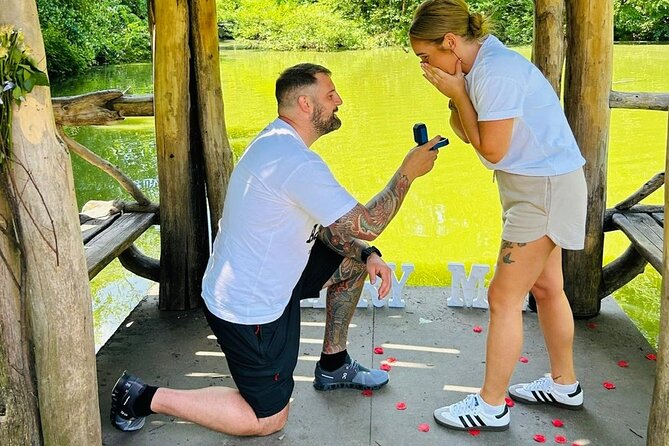
Then it’s Bow Bridge, named for its graceful curve that resembles a bow. It’s one of the most photographed spots in the park and a popular romantic location for proposals.
Here’s the practical trick: you don’t need to linger for an hour to get the photo effect. A brief stop at the right angle can deliver that “I’m in Central Park” look.
Strawberry Fields: John Lennon’s memorial and Imagine mosaic
You’ll also visit Strawberry Fields, a memorial to John Lennon. It includes the Imagine mosaic, which many people visit to pay tribute.
This stop tends to land emotionally, even if you’re not a hardcore Beatles fan, because the memorial is designed for quiet attention.
The Dakota: iconic facade and famous courtyard layout
Next is The Dakota, a well-known building on Central Park West. The layout is described as square around a central H-shaped courtyard, with apartments accessed through the courtyard.
This is a good stop for understanding how Central Park sits next to some of Manhattan’s most famous addresses. You’ll get the “park edge” feeling in a way a long walk might not.
Tavern on the Green: a classic dining stop in a historic shell
Then comes Tavern on the Green, in a building once known as the Sheepfold. It’s been a Central Park fine dining destination since the 1930s, and it reopened in 2014 after renovation work that removed some additions to show more of the original structure.
Even if you’re not eating, it’s a good landmark to remember for a future meal planning.
Pinebank Arch: lacy ironwork and a quiet overlook
Finally, you’ll end your sightseeing loop at Pinebank Arch, a cast-iron bridge that spans the bridle path. The design looks like it emerges from rock outcrops, and the lacy ironwork tends to blend into the foliage—so it’s a great “slow look” moment.
Upper East Side to the finish back at the meeting point
After the highlights, you’ll return to the starting area. In my mind, this matters: a tour that ends where it begins is easier for planning your next stop because you’re not stranded across the city.
And based on how guides operate, you can often get help adjusting your next move. Some guides will even suggest strategic spots so you can transition to your next activity without backtracking.
How the Guides Make the Difference (Columbus, Barry, Ibrahim, Schade, Sched)
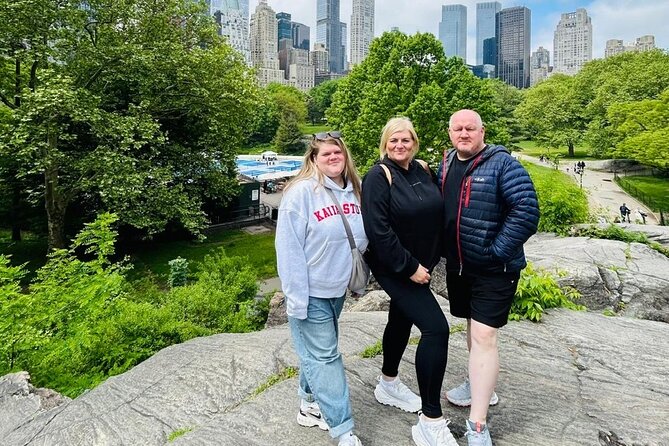
The biggest repeat theme is that the guide isn’t just pointing. They’re making the park make sense.
I love the practical, guest-friendly touches that show up from guide to guide, like bringing maps, blankets for cold weather, and short videos that link what you see to movie scenes or recognizable imagery. One guide made sure everyone stayed warm and offered blankets during winter cold. Another used movie clips as quick context so you could match the scene to the real park feature.
Name-wise, a few guides come up often in the experience: Columbus (engaging and helpful, with a habit of taking pictures and pointing you to good photo angles), Barry (fun, un-rushed, attentive), Ibrahim (organized, funny, and also using short videos), and Schade (helpful and detailed). You might not get the same person, but it’s a clue that your pedicab driver often works like a real local host, not a scripted tour robot.
Time, Pace, and What You Should Still Walk
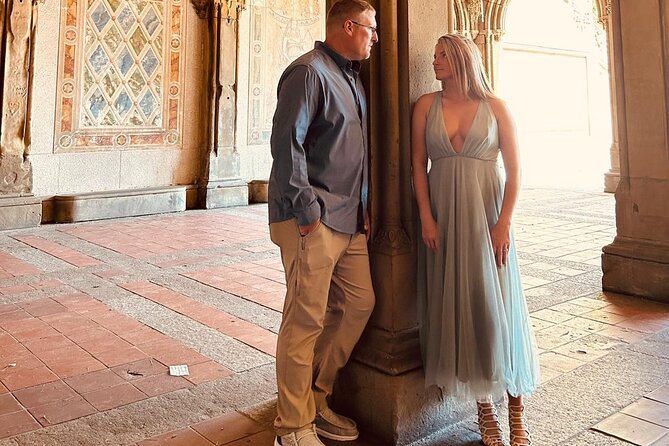
The tour timing is built for momentum. For many people, that’s the whole point.
Most of the time is spent moving between stops and reviewing sights along the way. That means you’re not going to “wander” the way you would on your own. Instead, you’ll get quick, high-impact views, then ride on.
So what should you do on your own afterward? If you have extra hours, I’d use the tour to get your bearings first—then pick one or two areas to explore slowly on foot. Bethesda Terrace, the Mall, and the lake viewpoints are often the best “return later” candidates because you can enjoy them longer after you understand how the park is laid out.
Value for Money: Why $44 Can Feel Like a Bargain
Let’s talk value without pretending the price is nothing.
You’re paying $44 per person for:
- a guided route through major landmarks
- eco-friendly pedicab transport
- stops designed for photos and orientation
- English-speaking guidance
- a private format for your group
- and it’s built around free-entry stops listed on the route
If you were doing this independently, you’d still need transportation, you’d still have to choose which sights matter most, and you’d still spend time figuring out where to go next. Paying for the shortcut is often worth it, especially in a place as huge and layout-heavy as Central Park.
Who This Tour Fits Best
This is a strong fit if you:
- have limited time and want major highlights
- don’t want to do long-distance walking on vacation
- want a family-friendly way to see Central Park efficiently
- travel as a couple or small group and prefer a private tour format
- appreciate context, including movie references and quick video explanations
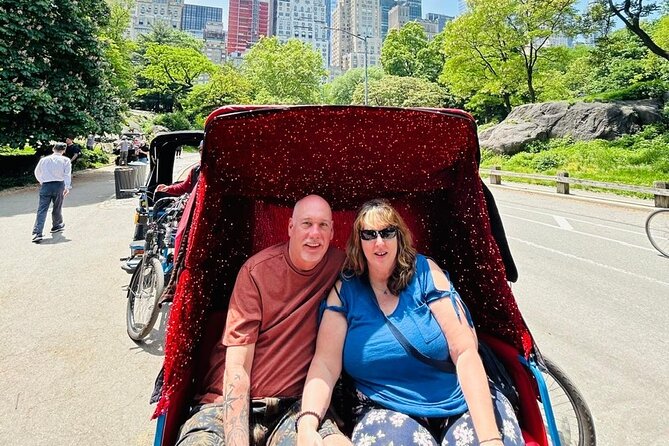
It’s also a good pick if you’re visiting in hot summer weather. Sitting back and letting the pedicab handle the long pulls can be a real comfort.
If you’re the kind of visitor who wants to thoroughly explore every stop for hours, you’ll probably feel short-changed by a 1.5-hour loop. In that case, consider the extended 2-hour option if it’s available in your time window.
Should You Book This Central Park Pedicab Tour?
Book it if you want the best parts of Central Park without turning your day into a full-on walking project. This tour shines as an orientation tool plus photo route, and the guide experience can make it feel personal—especially with touches like blankets in cold weather, maps, and short video references.
Skip or adjust your expectations if you’re looking for deep, slow exploration at each stop. This is about smart coverage, not total immersion at every location.
If you can, think of it as the first chapter of your Central Park story. Then let the rest of the day be yours.
FAQ
How much does the New York Central Park Guided Pedicab Tour cost?
The price is $44.00 per person.
How long is the tour?
The duration is approximately 1 hour 30 minutes. You may also be able to choose a 1-hour, 1.5-hour, or extended 2-hour tour.
Where does the tour start?
The meeting point is 1794 Broadway, New York, NY 10019, USA.
Is the tour private or shared?
This is listed as a private tour/activity, meaning only your group participates.
What language is the tour offered in?
The tour is offered in English.
Does the tour include guides and taxes?
Yes. Guides are included, and GST (Goods and Services Tax) is included as well.
Are tickets or admissions required for the stops?
The provided route details list admission as free at each stop.
Can I bring a service animal?
Service animals are allowed.
Where does the tour end?
It ends back at the meeting point.
What is the cancellation window for a full refund?
You can cancel up to 24 hours in advance for a full refund. If you cancel less than 24 hours before the start time, it won’t be refunded.