REVIEW · NEW YORK CITY
New York City: 9/11 Memorial – Ground Zero Walking Tour
Book on GetYourGuide →Operated by UTG EXPERIENCE LIMITED · Bookable on GetYourGuide
One place on Earth still feels like it’s holding its breath. This Ground Zero tour is powerful because you hear first-hand accounts and you also learn why the memorial was designed the way it was. I especially like two things here: the chance to pay tribute at multiple memorial points, and the guide’s ability to connect architecture to the human stories. One possible drawback: if you’re hoping for a purely event-focused script, you may want to make sure your guide keeps the focus on 9/11 rather than leaning into broader building history.
You’ll meet at St. Paul’s Chapel, then walk through the 9/11 Memorial area in a way that helps you get your bearings fast. The format is short enough to stay moving, but structured enough that you won’t miss details like Eleven Tears. I also like that the tour is wheelchair accessible and runs rain or shine, because this is one of those sights that doesn’t pause for weather. Just be ready for an emotional atmosphere that can feel heavy, even if you’ve visited before.
In This Review
- Key things to watch for on this Ground Zero tour
- Meeting at St. Paul’s Chapel: the start that changes how you see the site
- Ground Zero walking route: the 90 minutes that keep you moving
- The 9/11 Memorial Pools: symbolism you can actually understand
- Firefighter’s Memorial: moving from names to service
- Eleven Tears Memorial: the stop most people overlook
- Reconstruction near the Oculus: why modern design is part of the story
- The guide factor: why Sergei-style storytelling can make or break it
- What you’ll learn: events, survivors’ voices, and why symbolism matters
- Value for $25: what you’re really buying
- Practical tips before you go (so your visit stays smooth)
- Who should book this Ground Zero walking tour?
- Should you book?
- FAQ
- How long is the Ground Zero walking tour?
- What does the tour cost?
- Where do I meet the guide?
- Is the tour wheelchair accessible?
- Does the tour run in bad weather?
- What should I bring?
- Is hotel pickup or drop-off included?
- Can I cancel, and can I pay later?
Key things to watch for on this Ground Zero tour
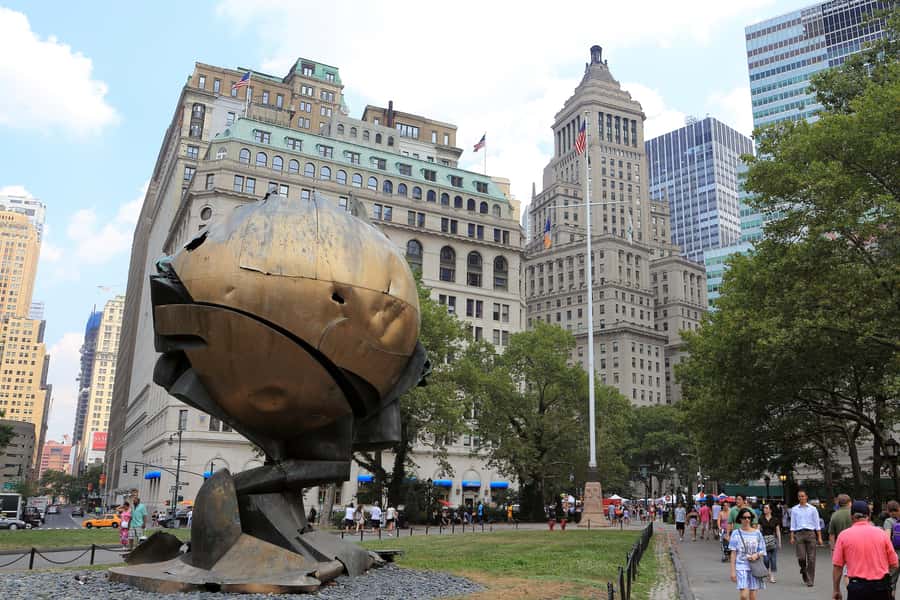
- St. Paul’s Chapel context: why this church mattered in the hours after the attacks
- Memorial Pools design: how the layout, materials, and reflections shape what you feel standing there
- Firefighter’s Memorial stop: a focused tribute to victims and those who fought to save others
- Eleven Tears Memorial: an easy-to-miss detail that becomes clear only with guidance
- Oculus area viewing: a look at reconstruction and how light and modern materials play a role
Meeting at St. Paul’s Chapel: the start that changes how you see the site
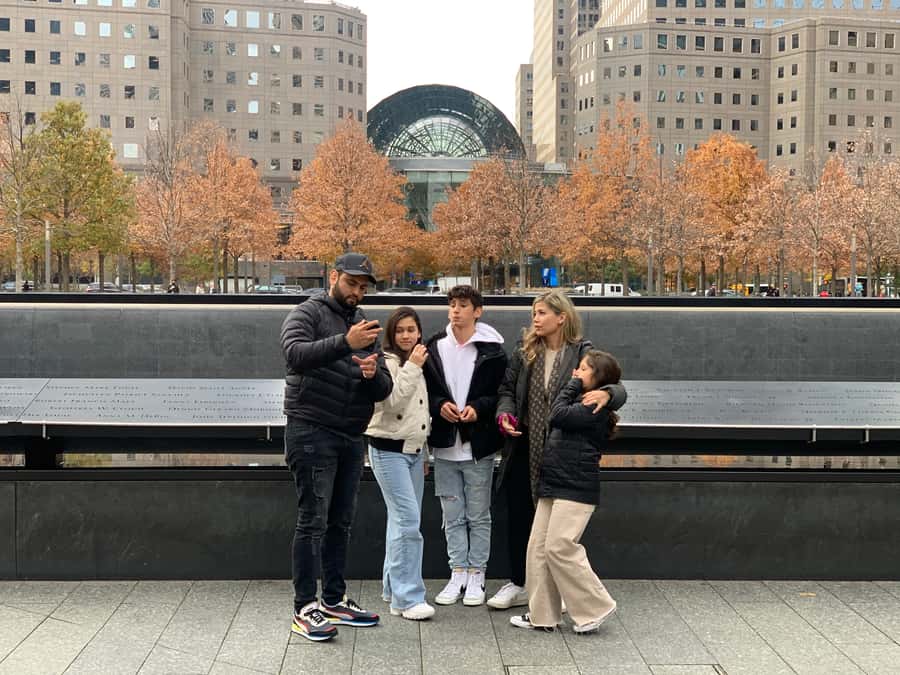
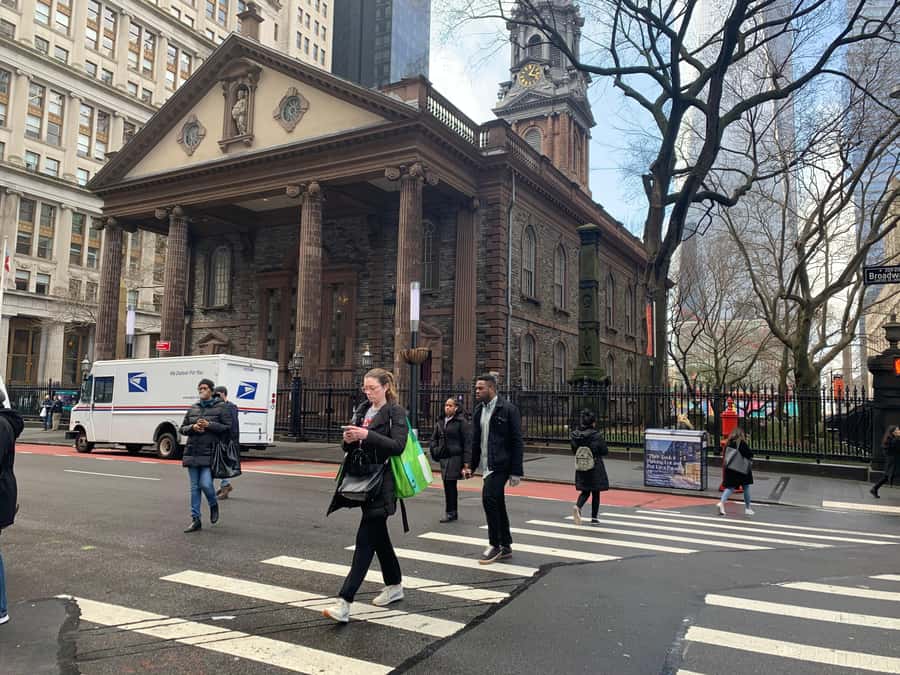
The tour begins right in front of St. Paul’s Chapel, a practical starting point that also sets the emotional tone. Before you even reach the memorial pools, your guide frames the area so the buildings around you aren’t just scenery. If you tend to skim when you arrive, this first stop helps you slow down.
I like starting here because the chapel is tied to what happened immediately after the attacks. That context matters when you’re about to stand at the memorial and interpret symbolism. It also gives you a reference point: you’re not just walking from one landmark to the next—you’re tracing a day’s worth of impact across space.
If you’re sensitive to heavy topics, it helps to know this up front: the guide’s personal-story approach is part of the experience. One review called out a guide named Sergei as particularly animated and passionate, which can make the beginning feel vivid rather than lecture-like.
You can also read our reviews of more walking tours in New York City



Ground Zero walking route: the 90 minutes that keep you moving
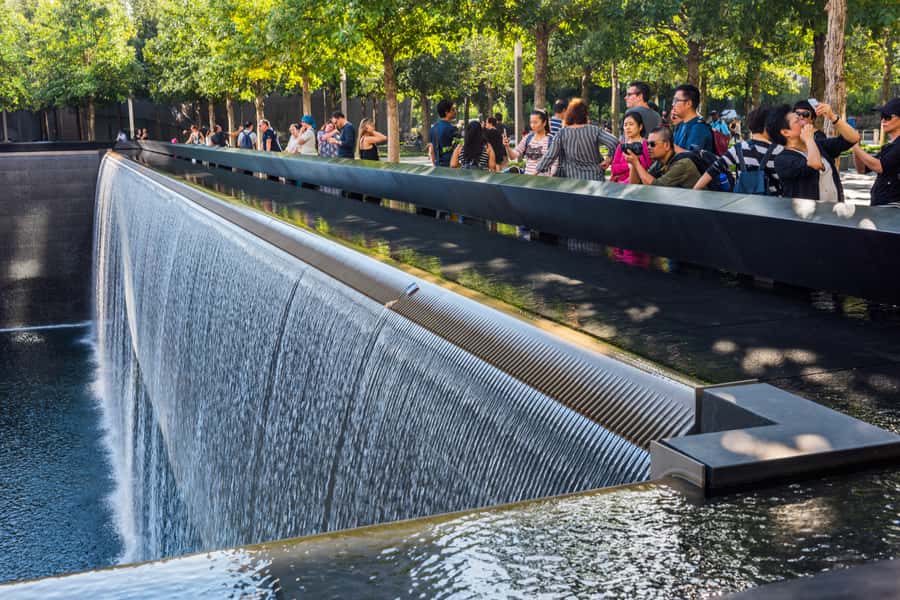
The tour is listed for 90 minutes, with about one hour of walking. That timing is actually smart for this area. Ground Zero is spread out enough that you can easily burn time wandering; here, you get a route that hits the key places without making you rush through them.
In practice, your pace will depend on group size and timing. Some departures can feel extremely small—one participant reported a day with just two people plus the guide. That smaller-group setup usually means more back-and-forth, quicker explanations, and time for your questions without feeling like you’re being herded.
A possible consideration: a different review mentioned the tour running just under the scheduled time. If timing matters for your day, plan a bit of buffer afterward. Also, wear shoes you can stand in comfortably—this is rain or shine, so your footwear choice isn’t just about comfort, it’s about staying steady near memorial surfaces.
The 9/11 Memorial Pools: symbolism you can actually understand
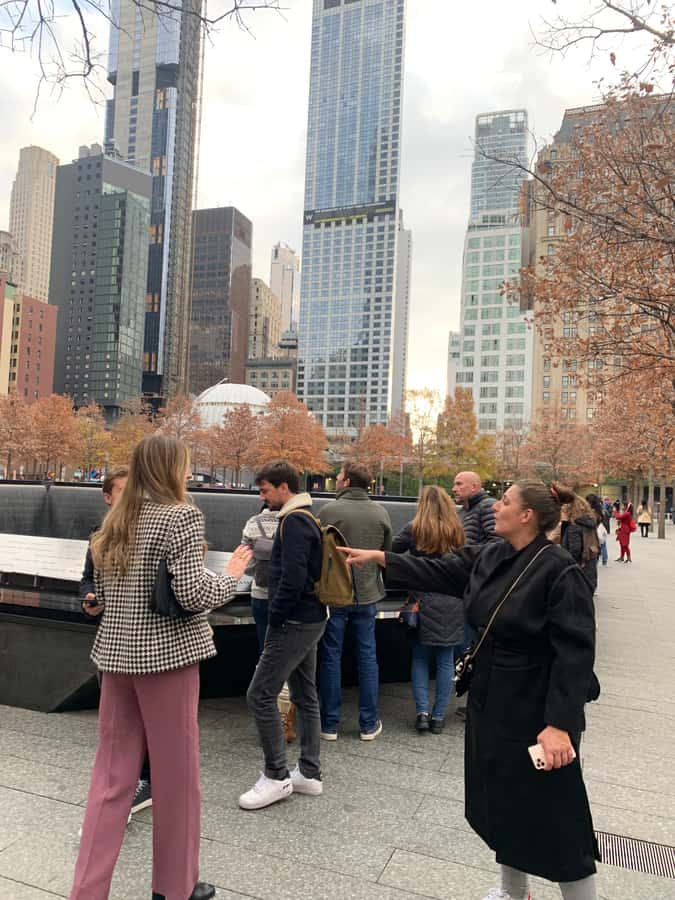
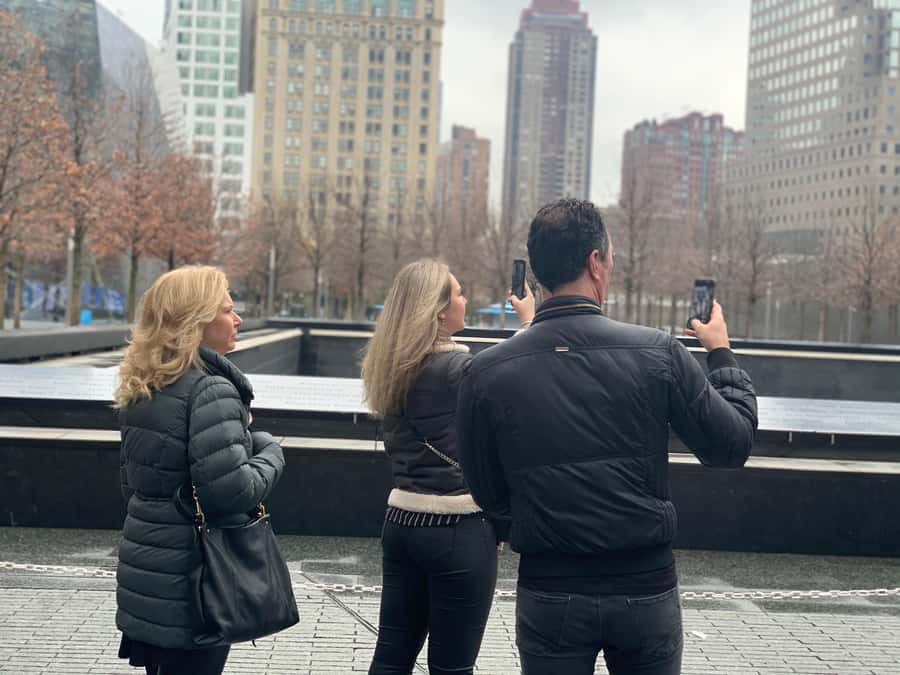
The emotional core arrives when you gather around the Memorial Pools. From the first minutes at the edge, the experience becomes less about facts and more about interpretation. Your guide will explain how the monument works, including the meaning behind its design and the way light and reflections interact with the space.
I really like how this stop turns “I’ve seen photos” into “I know what I’m looking at.” If you’ve only visited independently, it’s easy to miss the why behind the layout and materials. With a guide, you’re given a mental map before you form your own impression, so your reaction has more structure.
Here’s what you can look for while your guide talks:
- How the pools’ placement frames your view and your attention
- How reflections change the feel of the names and surfaces depending on the light
- Why the architecture uses materials and design choices to hold memory in place
This is the part where the guide’s tone matters. One review complained that a guide spent too much time on buildings and not enough on 9/11 itself. If you’re attending specifically for the story of that day, make that expectation clear early. A good guide can balance the architectural symbolism with the events and their aftermath.
Firefighter’s Memorial: moving from names to service
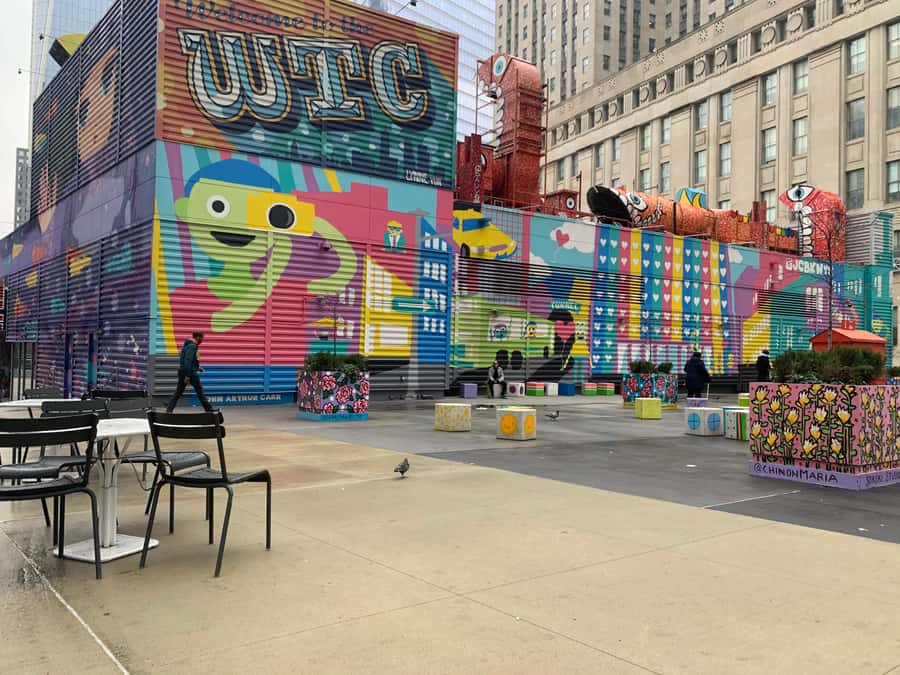
Next comes the Firefighter’s Memorial. This stop shifts the focus from victims’ names to the people who responded to save others. It’s also where the tour feels especially grounded because it connects tragedy to action—who showed up, who fought, and what it cost.
Paying tribute here doesn’t take long, but it lands differently than the pools. Your guide’s explanations help you read the memorial not just as solemn art, but as a record of courage. If you like tours that teach you how to interpret what you’re seeing, this stop is worth it for the “translation” alone.
For many visitors, this is where emotion peaks. Even if you’re not a museum person, you’ll likely feel the difference between standing at a memorial pool and standing at a tribute site aimed at specific kinds of responders. The wording and the visual focus nudge you into a different mental lane—and that’s the point.
Eleven Tears Memorial: the stop most people overlook
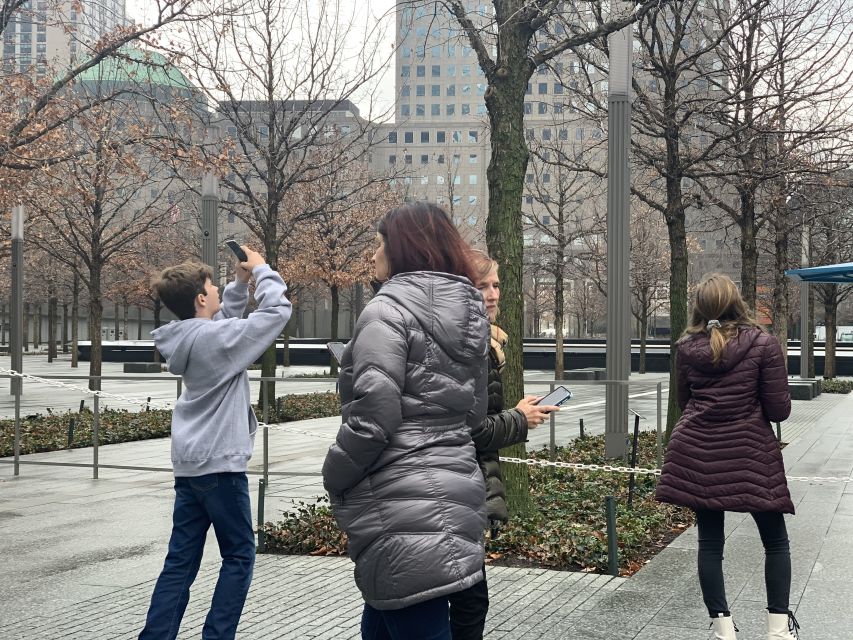
The tour includes Eleven Tears Memorial, which is often missed without guidance. That’s a big deal. In a place where everything feels significant, it’s still possible to walk past something that holds a specific meaning and message.
With a guide, you get the “oh, that’s what this is” moment. That can change your whole tour experience. Instead of just moving between the biggest landmarks, you end up seeing the smaller elements that deepen the story. I like that because it turns your visit from a quick loop into a fuller understanding of remembrance design.
If you’re the kind of traveler who hates missing details, this is one of the best reasons to book a guided walk here. The tour is built so you don’t have to be a 9/11 memorization machine to understand the site.
You can also read our reviews of more city tours in New York City






Reconstruction near the Oculus: why modern design is part of the story
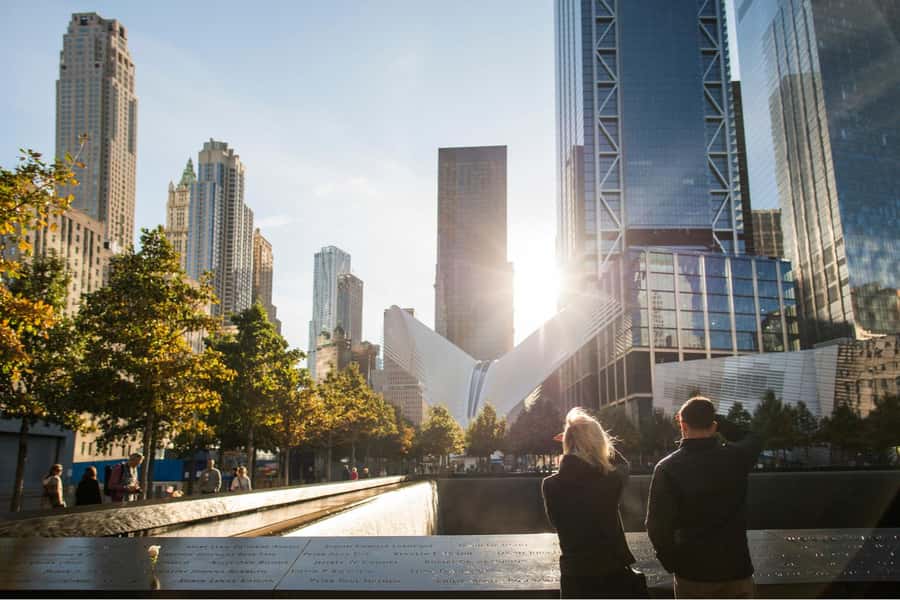
Toward the end, you’ll watch the reconstruction of the site around the Oculus. This final stretch matters because it answers a question many people carry: What does rebuilding mean here? Without a guide, you might see modern architecture and think it’s just a different era. With the explanation, you can connect it back to the idea of memory, continuity, and the passage of time.
Your guide will point out how the new World Trade Center architecture uses symbolic materials, light, and reflections. That matters because Ground Zero isn’t only about what was lost. It’s also about how the space is being reshaped to hold the present without forgetting the past.
This is also a good moment to catch your breath emotionally. After the memorial pools and tributes, the Oculus area can feel more “forward-looking,” and the guide’s framing keeps that from becoming cold or distracting. It becomes another layer—one that helps you leave with a more complete sense of how the site is living now.
The guide factor: why Sergei-style storytelling can make or break it
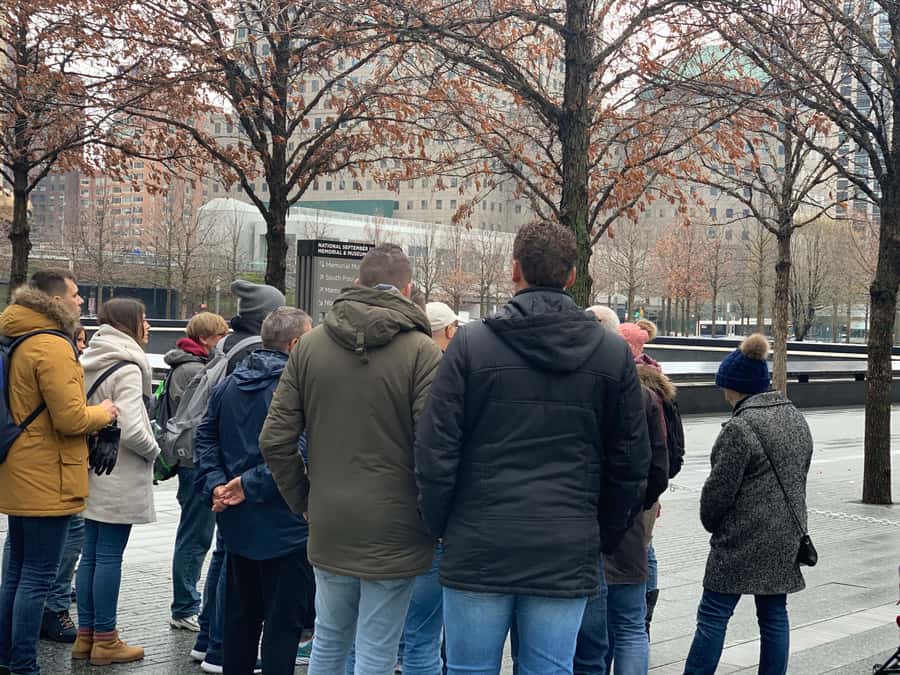
This tour stands or falls on the person leading it. It’s built for a local guide with personal stories, plus explanations of what happened on September 11, 2001, with references to survivors and witnesses. In other words, this isn’t only a sightseeing walk; it’s a narrative experience.
One review specifically praised Sergei for being both informative and animated, with a style that brought the area to life. It also described a small-group day, which likely helped his pacing and made the storytelling feel more personal than scripted.
That same review set also hints at a useful tip for you: pay attention to how the guide structures the talk. If your guide is connecting symbolism to events and first-hand accounts, the tour will feel coherent. If they drift into generic building history, you might not get as much 9/11-centered meaning as you hoped.
If you’re booking and you want to maximize value, show up with one simple intention: ask your guide questions that steer the story back to what you came for. A good guide will welcome that.
What you’ll learn: events, survivors’ voices, and why symbolism matters
The highlights promise that you’ll learn about what occurred when the World Trade Center fell and that you’ll hear first-hand accounts from survivors and witnesses. That’s the educational backbone of the tour, and it’s also why the experience can feel more than “informational.”
I like that the tour doesn’t treat the memorial as a single static object. Instead, it connects:
- the day’s events to the memorial’s layout
- the emotional impact to the design choices
- the idea of remembrance to multiple tribute points
That makes it easier for you to leave with understanding, not just imagery. If you’ve read articles or watched documentaries before arriving, the guide’s on-the-ground explanations help those details settle into place. If you haven’t, the tour gives you a starting framework that makes the site easier to process.
Value for $25: what you’re really buying
At $25 per person for 90 minutes, the price can look simple. But here’s the real value: you’re paying for guided interpretation and personal storytelling in one of the most emotionally charged places in the world.
You’re not just getting someone to point and say “this is that.” You’re getting:
- a structured route that hits the major memorial points
- explanations of monument design and symbolism
- personal stories tied to what happened
If you go without a guide, you may absolutely be moved—but you also risk walking past meaning you could have understood with a little help. And because the tour route includes spots like Eleven Tears Memorial, it’s hard to replicate the same experience just by following your own route.
The best way to judge value is to ask yourself one question: do you want the site to hit you emotionally, or do you also want it to make sense? This tour aims at both.
Practical tips before you go (so your visit stays smooth)
A few practical points will help you make the most of the tour.
Bring comfortable shoes—you’re walking and standing in one area for long enough that comfort matters. Dress for rain or shine, because the tour runs in bad weather too. Keep your phone charged, but try to focus on the memorial environment rather than turning it into a photo sprint.
If you want to get the most out of the “first-hand accounts” element, give yourself permission to pause. This is one of those places where it’s okay if your mind needs a moment. A good guide will build in space for that.
Also, check how the stop order works in your mind: chapel context first, pools and tributes next, then the Oculus reconstruction at the end. That flow helps you process the day’s weight before you look ahead.
Who should book this Ground Zero walking tour?
This tour fits best if you:
- want an emotionally respectful guide-led walk rather than a self-guided loop
- enjoy understanding design symbolism, not just reading basic information
- like hearing personal stories that connect the memorial back to the day itself
- appreciate having smaller, manageable time commitments (90 minutes is doable for most schedules)
It may be less satisfying if you strongly prefer highly technical architecture talk or if you want zero context beyond a timeline. Even then, a brief early adjustment—asking the guide to keep the focus on 9/11—can help.
Should you book?
If you’re going to Ground Zero anyway, I think this is a smart add-on. For $25 and 90 minutes, you get a route designed to explain meaning at the key memorial stops, including places that many visitors miss on their own. The strongest version of this experience comes from a guide who keeps the story anchored in 9/11 events and the people connected to them.
Book it if you want the memorial to make more sense in your head as well as hit you in your chest. Just go in with comfortable shoes, a bit of emotional patience, and the expectation that the guide will shape what you notice—so choose your mindset accordingly.
FAQ
How long is the Ground Zero walking tour?
The tour duration is 90 minutes, including 1 hour of walking.
What does the tour cost?
The price is $25 per person.
Where do I meet the guide?
Meet your guide in front of St. Paul’s Chapel (coordinates: 40.71132599999999, -74.00917770000001).
Is the tour wheelchair accessible?
Yes, the tour is wheelchair accessible.
Does the tour run in bad weather?
Yes. The tour takes place rain or shine.
What should I bring?
Wear comfortable shoes. You’ll be walking through the area.
Is hotel pickup or drop-off included?
No. Hotel pickup and drop-off are not included.
Can I cancel, and can I pay later?
Yes. You can cancel up to 24 hours in advance for a full refund, and you can reserve now & pay later.