REVIEW · NEW YORK CITY
New York: Harlem Tour and Sunday Gospel Mass
Book on GetYourGuide →Operated by CARERI ENTERTAINMENT · Bookable on GetYourGuide
Harlem feels different on a Sunday morning. I like how this tour pairs Harlem murals and music landmarks with a real gospel mass, and I also like the Apollo Theater stop that sets the music story before you hear it live. One drawback to consider: the day mixes walking with subway travel, so if you want a slow, low-crowd pace, this may feel like a lot.
This is a $62-ish, four-hour experience built around a certified guide and a tight sequence of culture stops. In the past, guides such as Kent and Alex have been praised for friendly energy and solid storytelling, plus making sure the group stays included. Still, there is at least one caution flag: one guest reported a tense vibe and too much side commentary from the guide.
You meet your guide near a sign that says Careri Entertainment, and you should arrive about 10 minutes early so you can get moving. Expect the route to use both on-foot walking and subway, with subway costs not included—so have a MetroCard or contactless payment ready.
In This Review
- Key Things to Know Before You Go
- Sunday Gospel in Harlem: The Real Reason People Come
- Walking Harlem Like a Local: Murals, Music Stories, and Block-By-Block Context
- Apollo Theater Facade: A Famous Front Door With a Deeper Backstory
- The Café Break in Harlem: A Real Pause, Not Just a Stop
- Sunday Church Service: How to Get the Most From the Gospel Mass
- Optional Sylvia’s Soul Kitchen: When You Want a Soul Food Finish
- Price and Logistics: What $62 Really Buys You
- Who This Harlem Tour Fits Best (and Who Might Want to Skip It)
- Guide Dynamics: Getting the Best Version of the Tour
- Should You Book This Harlem Tour?
- FAQ
- How long is the Harlem Tour and Sunday Gospel Mass?
- Where do I meet the tour guide?
- Is subway travel included in the price?
- Is food included?
- Is Sylvia’s Soul Kitchen included?
- What languages are available for the live guide?
- Is this tour suitable for young children or mobility needs?
Key Things to Know Before You Go

- Sunday gospel mass energy: It is the heart of the day, with choir voices and an unmistakable church atmosphere.
- Harlem on foot: Streets, murals, and music stories you can see and hear in one walk.
- Apollo Theater facade stop: A classic landmark that helps you understand Harlem’s music legacy fast.
- Café break mid-tour: A chance to slow down with a hot drink in a neighborhood spot (food optional).
- Optional Sylvia’s Soul Kitchen: If you want a soul food finish, you can add it at the end.
Sunday Gospel in Harlem: The Real Reason People Come
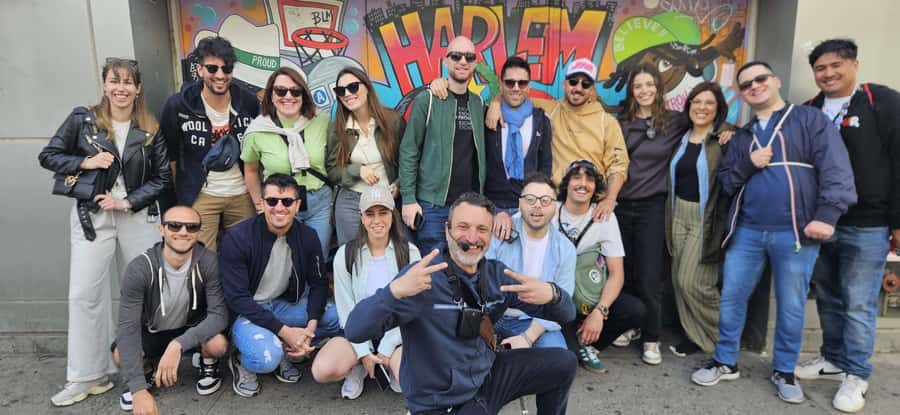
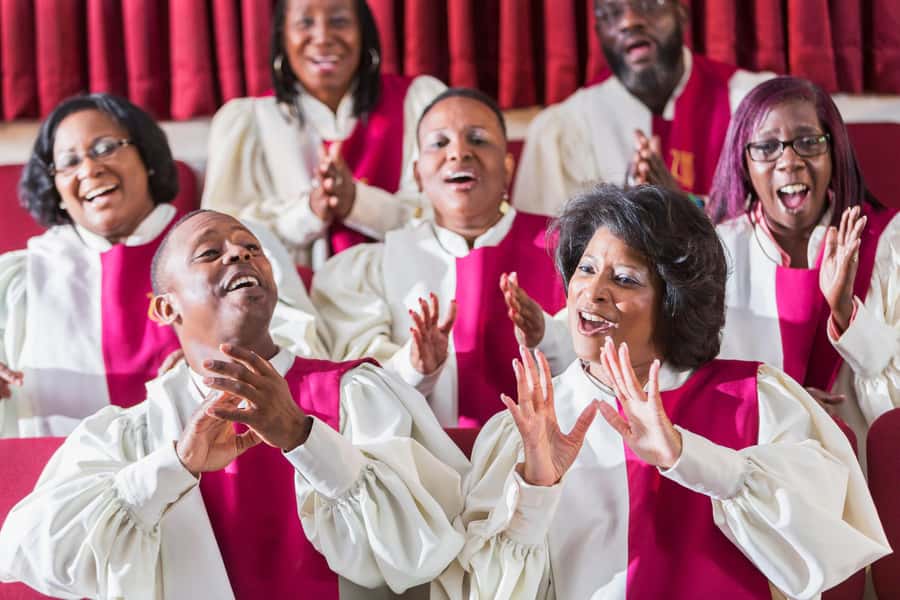
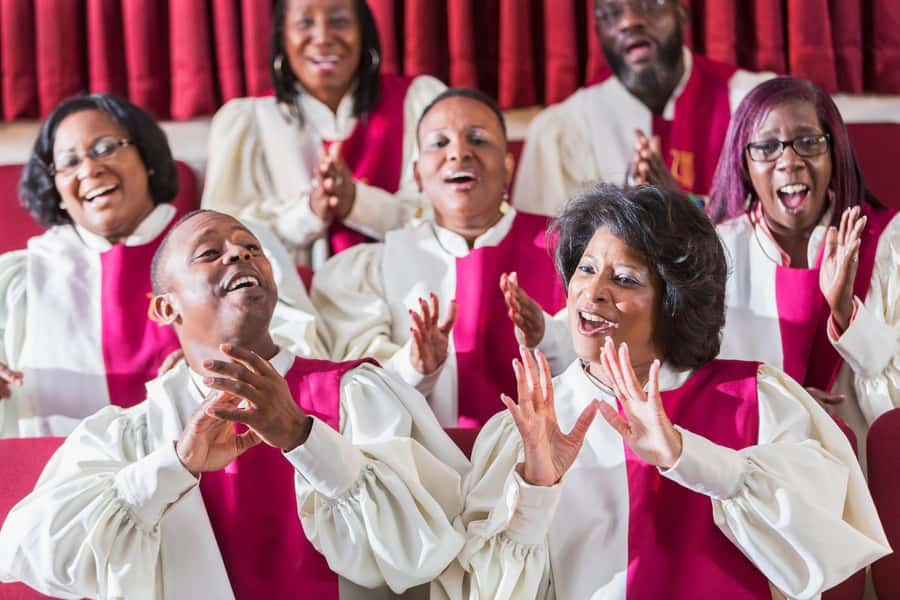
If you only know gospel from songs on the radio, you will be surprised by how physical the experience feels. This tour is built around a traditional Sunday church service in Harlem, where the choir’s energy takes over the room and the rhythm of worship becomes the main event.
I like that the tour does not treat the service like a sightseeing checkbox. The neighborhood walking and landmarks come first, so the gospel mass lands with context instead of happening in isolation. That also makes it easier to relax into what you are seeing.
The one thing to plan for is that churches can be loud, emotional, and crowded. Bring patience, keep your phone away once you are inside (follow any instructions you are given), and be ready to participate in your own way—listening can be plenty.
You can also read our reviews of more tours and experiences in New York City.



Walking Harlem Like a Local: Murals, Music Stories, and Block-By-Block Context
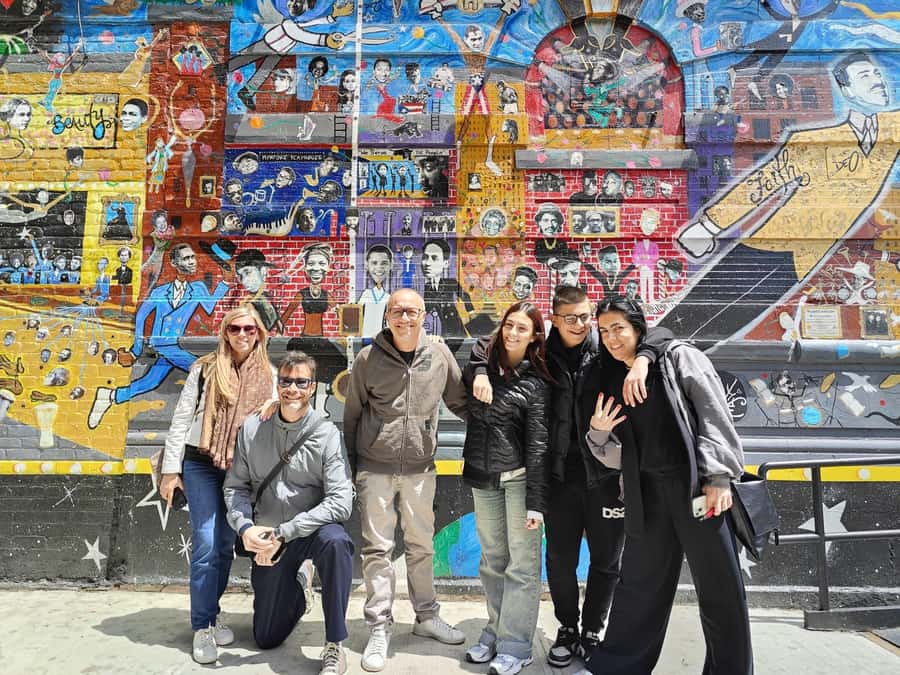
The tour route leans hard into Harlem’s street-level storytelling. You will walk through the neighborhood where jazz, blues, and hip-hop history all intersect, and the guide uses what you see outside to explain what shaped the community.
The biggest visual anchor is the Harlem mural program—large-scale paintings that turn ordinary walls into open-air history lessons. You are likely to hear what each mural is honoring: cultural icons, social movements, and everyday heroes. Even if you are not an art person, murals make it easy to follow the bigger narrative without needing a museum ticket.
This walking format also helps you understand the neighborhood’s rhythm. You will be moving through real blocks instead of hopping from one photo spot to another, which makes the Apollo stop later feel earned rather than random.
Practical note: this is not a gentle stroll. It is active enough that comfortable shoes matter, and you will want to stay aware of your surroundings the whole time, especially around busy corners.
Apollo Theater Facade: A Famous Front Door With a Deeper Backstory
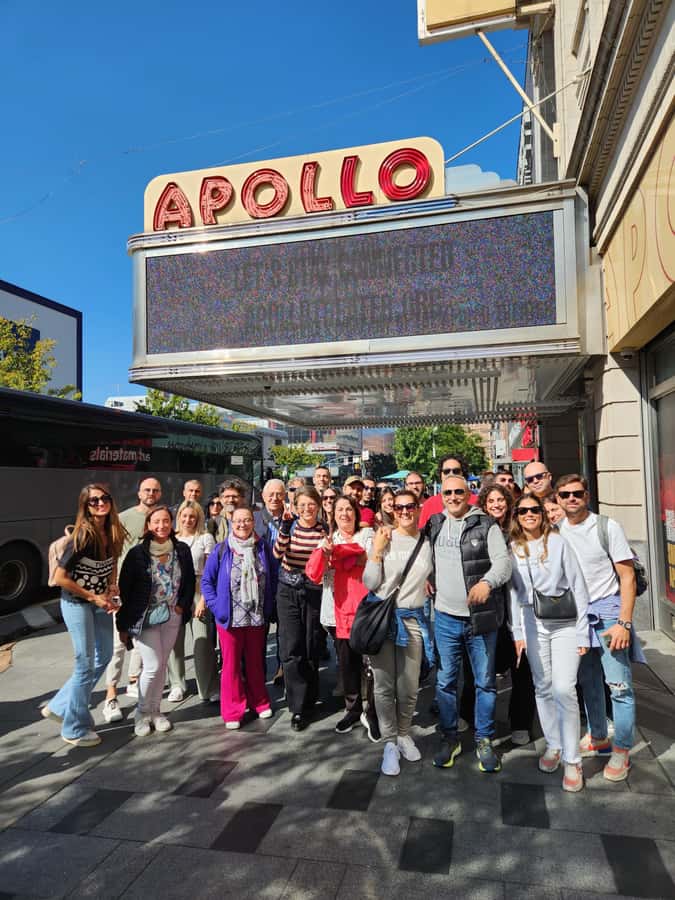
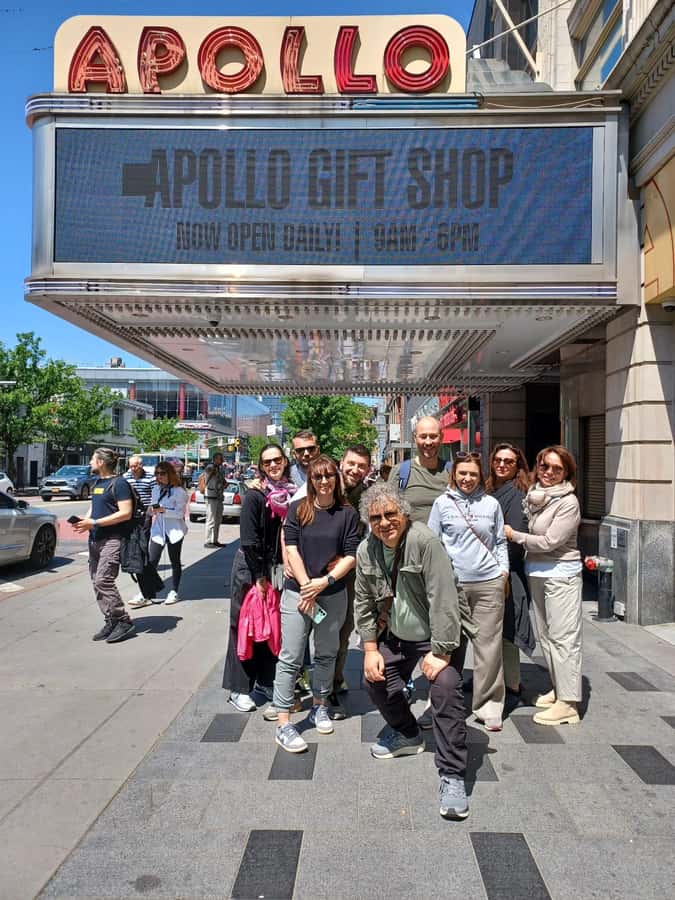
A key stop is the Apollo Theater area, where you will visit the famed facade. This matters because the Apollo is more than a building—it is a symbol of Harlem’s music engine, a place performers aspired to and crowds came to feel the future.
You will hear stories tied to the venue’s history, including names associated with the Apollo’s legacy. The tour framing can help you notice what you might otherwise miss just by looking at the front: why that stage became a launchpad, and why so many people still connect Harlem with live music culture.
If you are a fan of classic vocalists and rhythm-and-blues style performers, this stop gives you a quick map of what to listen for later in the day. And even if you are not, the Apollo angle is a strong way to connect Harlem’s street history to the sounds you are about to experience in church.
The Café Break in Harlem: A Real Pause, Not Just a Stop
Mid-route, you get a break at a typical Harlem café. I like this part because it gives your feet a rest and gives your brain a reset. You can grab a hot drink, sit with locals, and take in the neighborhood feel without being rushed.
Food and drinks are optional and not included in the tour price, so treat this as your chance to buy what you actually want. If you have dietary needs, it is also a convenient moment to stop and decide what works for you.
One tip: use the café break to recharge your energy for the final stretch. Sunday plans can be unpredictable, and you do not want to feel wiped out before the church service.
Sunday Church Service: How to Get the Most From the Gospel Mass
This is the emotional centerpiece. After seeing murals and music landmarks around Harlem, the tour shifts into the sound and spirit of a traditional Sunday gospel service.
What you should expect is strong choir presence, big vocal energy, and a sense that the whole room is part of the same rhythm. It is not just about watching from the outside. The best experience comes when you let the service set the pace, even if you are still learning the style.
If you are unsure about church etiquette as an outsider, stay observant at first. Follow any instructions from the staff, and you can always keep your participation simple: stand when others stand, listen carefully, and breathe. That alone lets you connect without overthinking.
Also, keep your comfort in mind. You may want layers—churches can vary in temperature—and avoid anything too bulky in case the room is crowded.




Optional Sylvia’s Soul Kitchen: When You Want a Soul Food Finish

At the end, you have an optional stop at Sylvia’s Soul Kitchen. If you want to turn the cultural story into a meal you can taste, this is where it happens.
Sylvia’s is known for home-style Southern cuisine, with popular items like fried chicken and fish, plus vegetables. Food and drinks are optional and not included in the tour price, so treat it as a true add-on rather than a guaranteed included meal.
I like options like this because they fit different travel styles. If you want a full day in motion, you can do both gospel and soul food. If you prefer a lighter finish, you can skip it and head off on your own.
Price and Logistics: What $62 Really Buys You
For $62 per person and about four hours, you are paying mainly for the guide and the structured experience. That includes a certified tour guide, and the route uses both walking and subway travel.
Two costs are on you. Subway transfers are not included, and subway ride costs are not included either. You will need a MetroCard or contactless payment method for the transit part, so do not wait until you are at the station to solve that problem.
Tips are also not included. If this is your style of tour—story-led, culture-focused, and time-sensitive—plan to tip based on what feels fair to you.
So is it good value? Usually, yes—because the tour gives you three big cultural anchors in a short window: murals and street storytelling, the Apollo legacy stop, and the Sunday gospel service. The main tradeoff is that you have less control over pacing, since it is an organized route.
Who This Harlem Tour Fits Best (and Who Might Want to Skip It)
This is a great fit if you want a focused Harlem experience with strong music culture components. It works well for adults and older teens who like walking, enjoy live settings, and appreciate context tied to places.
It is not suitable for children under 6, and strollers are not allowed. People with mobility impairments are also not suitable, which matters if you need step-free routes or extra support.
If you are traveling with a group that includes anyone who struggles with walking distances or standing for a service, you will want to consider alternatives or plan extra help.
Guide Dynamics: Getting the Best Version of the Tour
The guide can make or break the mood on a story-based walking tour. In the feedback I saw, Kent and Alex were praised for being friendly, energized, and helpful about Harlem’s evolution, with humor and a point of view that kept the group engaged.
That said, not every guide style lands well for every person. One guest described sarcasm and unnecessary side facts that made things feel tense, even though they still loved the church service.
My practical advice: if you know you prefer a calm, low-sarcasm approach, keep that in mind when you choose a time slot or plan your expectations. The content you came for is there, but delivery style affects how enjoyable the whole walk feels.
Should You Book This Harlem Tour?
Book it if you want Harlem culture in a single half-day, and especially if you want the Sunday gospel mass as more than a photo moment. The combination of murals, the Apollo Theater facade stop, a café pause, and then church gives you a satisfying arc.
Skip it if you cannot handle walking plus subway, if you need a stroller-friendly route, or if the idea of a crowded, emotional church service would stress you out. Also skip if you are very sensitive to guide tone and prefer a more quiet, strictly factual style.
If you do book, come with comfortable shoes, a MetroCard or contactless payment, and a mindset ready for music and community. Harlem on a Sunday is not the same as Harlem on a Tuesday, and this tour is built to capture that difference.
FAQ
How long is the Harlem Tour and Sunday Gospel Mass?
It lasts about 4 hours.
Where do I meet the tour guide?
You meet your guide at a meeting point where the guide holds a sign that says Careri Entertainment.
Is subway travel included in the price?
The tour uses walking and subway travel, but subway costs and subway transfers are not included. You will need a MetroCard or contactless payment.
Is food included?
Food and drinks are optional and not included in the tour price, including during the café break.
Is Sylvia’s Soul Kitchen included?
Sylvia’s Soul Kitchen is an optional stop at the end of the tour, and any meal is not included in the tour price.
What languages are available for the live guide?
The tour offers live guiding in Portuguese, Spanish, English, German, Italian, and French.
Is this tour suitable for young children or mobility needs?
Children under 6 are not suitable, strollers are not allowed, and people with mobility impairments are not suitable.