REVIEW · NEW YORK CITY
New York, Private Tour: New York in the Gilded Age
Book on GetYourGuide →Operated by New York Historical Tours · Bookable on GetYourGuide
A short walk, big power. This Gilded Age tour turns today’s Fifth Avenue streets into a backstage pass for American fortunes and the social rules that came with them, and I love the way it focuses on real places tied to the titans and their rivalry. I also like how it makes mansions and clubs feel connected to the people who built the world that followed. One possible drawback: it’s mainly exterior viewing, so if you’re hunting for lots of hands-on museum time, this is more about context than inside wandering.
You’ll cover the highlights in 2 hours, with an expert, licensed guide keeping the pace brisk and the stories clear. The meet-up is easy to find, the route is built for comfortable walking, and you’ll get value from seeing how class signals worked back then and how those buildings got reused. The only thing to watch is the weather: it runs rain or shine, so plan for real street time.
In This Review
- Key things to know before you go
- Why Fifth Avenue Still Feels Like Millionaires Row
- Your 2-Hour Walk: What You’ll See Outside on the Route
- What you can realistically expect
- Meeting at Grand Army Plaza: Start Smart at Sherman’s Monument
- The Gilded Age Cast: From Fortunes to Power Struggles
- Fifth Avenue Mansions: Not Just Pretty Facades
- Metropolitan Club and Met Museum Areas: Social Life as a System
- The Carnegie, Frick, and Duke Stops: Legacy After the Wealth
- Guide Quality Matters: Dan, Levy, and the Detail You’ll Notice
- Price and Value: Is $149 for 2 Hours a Good Deal?
- Who This Tour Fits Best (and Who Might Want Another Option)
- Quick Practical Tips to Get the Most Out of It
- Should You Book This Gilded Age Tour?
- FAQ
- Where does the tour meet?
- How long is the New York in the Gilded Age tour?
- Is this tour private?
- What’s included in the price?
- Does the tour run in bad weather?
- What should I wear and bring?
Key things to know before you go
- Millionaire’s Row on Fifth Avenue without the guesswork—your guide ties street views to specific names and social power.
- Gilded Age drama, minus the fluff: business empires, personal lives, and power struggles all get connected to what you’re standing in front of.
- Exterior-focused stops that still feel vivid, especially around elite clubs and landmark mansions.
- Skip-the-line entry through a separate entrance where it applies, helping keep the 2-hour window on track.
- Guides you can ask questions to—people rave about friendly, engaging explanations and spotting details most folks miss.
- Year-round, rain-or-shine timing, so bring the right shoes and layers.
Why Fifth Avenue Still Feels Like Millionaires Row
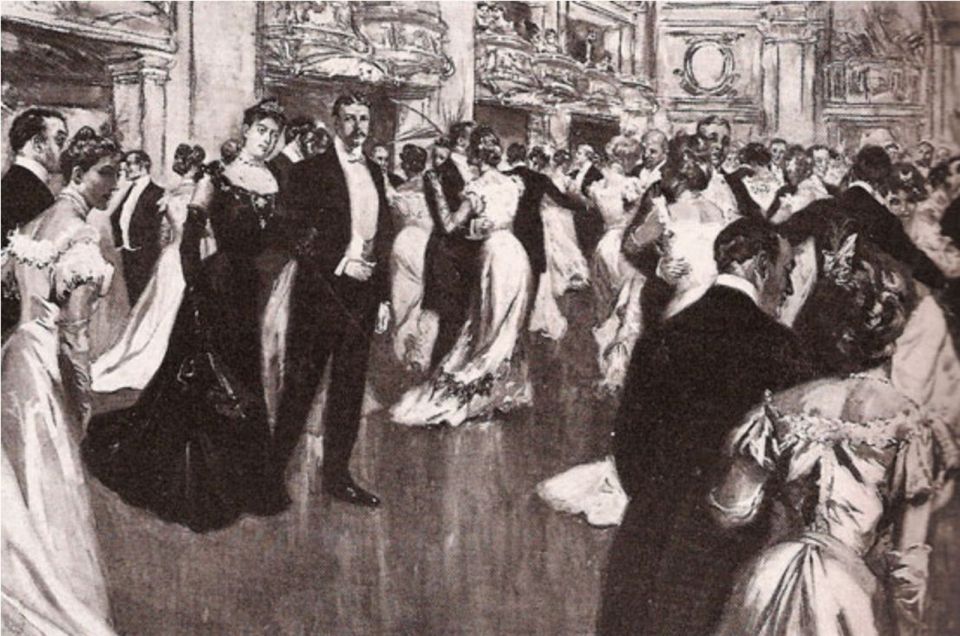
The Gilded Age wasn’t just about money. It was about status, access, and who got to belong. On this tour, you walk the corridor where that showmanship still lingers in stone, brick, and perfectly positioned entrances.
You’ll move through the era’s main characters: John Jacob Astor, Cornelius Vanderbilt, John D. Rockefeller, Andrew Carnegie, J.P. Morgan, and others who shaped American industry. The point isn’t to memorize dates. It’s to understand why these people mattered—and how their wealth turned into influence you could see on the street.
What makes this experience click is the way your guide links architecture and institutions to human behavior. Mansions aren’t treated like pretty backdrops. They’re read like evidence: of ambition, competition, and the strict social lines of high society.
And because the tour is private, you can ask follow-ups that match your interests—social life, business power, or even what you’re looking at in the buildings themselves.
You can also read our reviews of more walking tours in New York City



Your 2-Hour Walk: What You’ll See Outside on the Route
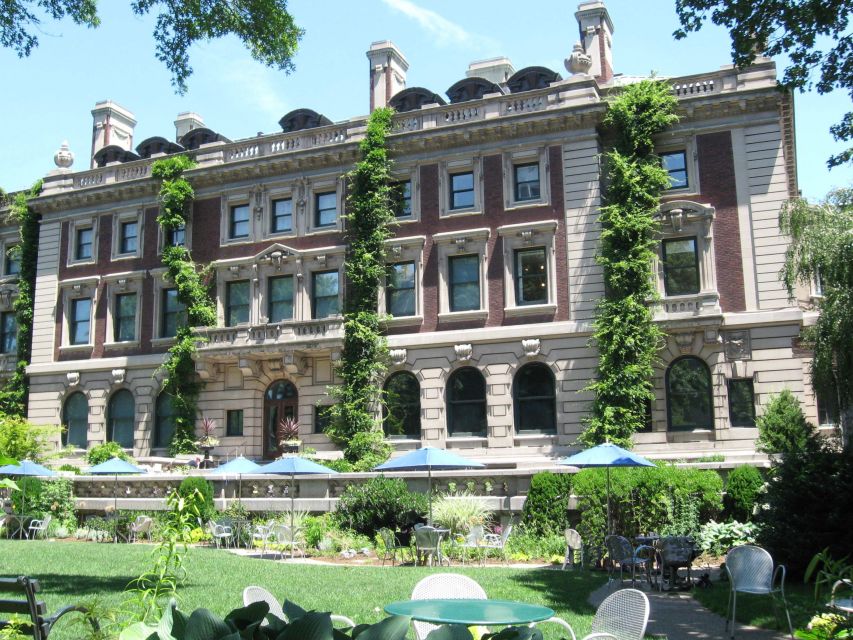
This is a 2-hour private walking tour, built for a focused hit of Gilded Age NYC without draining your whole day. The stops emphasize exteriors—so you’ll spend your time on streetscape, facades, and the public-facing edges of places that once signaled old-money arrival.
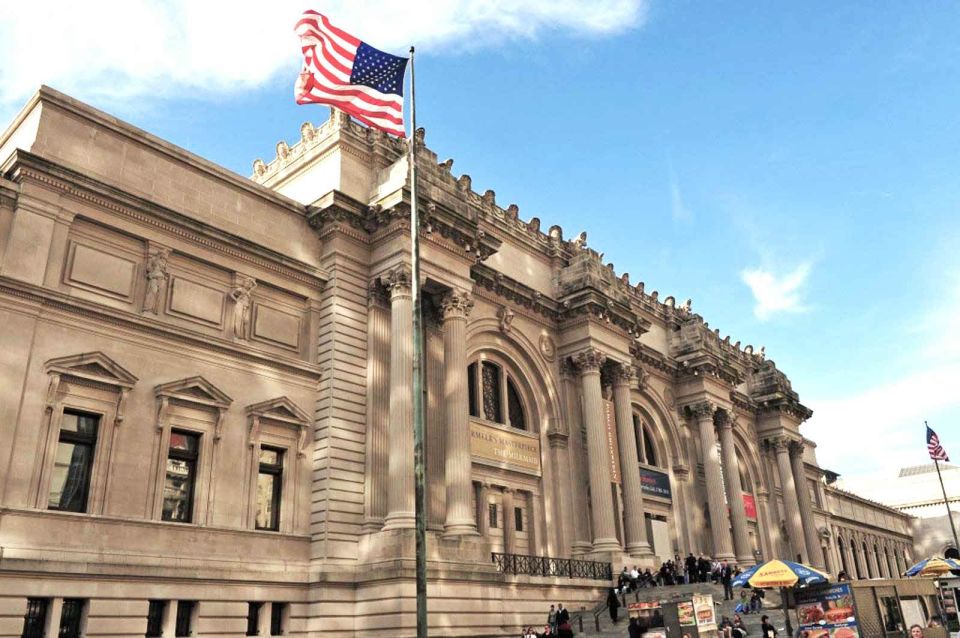
Your route centers on Fifth Avenue and the surrounding cluster often associated with millionaire’s row. Along the way, you’ll explore the exterior of major landmarks and mansions tied to that elite world, including the Metropolitan Club, the Metropolitan Museum of Art, and the Carnegie, Frick, and Duke mansions (plus additional stops in the same spirit).
Here’s the practical idea: you’re not just looking at famous names. You’re learning what they represent. Each location becomes a cue for a theme—business power, social club life, or how wealth shaped the public face of private success.
What you can realistically expect
- You’ll spend time outdoors, so comfortable walking shoes matter.
- You’ll get story-driven context that helps you recognize what you’re seeing.
- The pace is designed to fit the 2-hour window—no long idle stretches.
Meeting at Grand Army Plaza: Start Smart at Sherman’s Monument
Your tour meet-up is in front of the General William Tecumseh Sherman Monument in Grand Army Plaza. That matters because it’s a clean, recognizable landmark—no wandering around to find a tiny street corner.
I’d recommend arriving a few minutes early. Not because you’ll need time to figure things out, but because you’ll get a smoother start when your guide is ready and the group is assembled.
Also, plan for street-level comfort:
- Wear comfortable shoes. You’ll be on sidewalks and crossings for the full walking time.
- Dress for rain or shine. The tour operates year round, and it does take place in varying weather.
- Bring a fully charged camera. With Gilded Age architecture, you’ll want photos from multiple angles.
This kind of tour rewards people who show up ready to look. If you come in thinking you’ll just pass through Fifth Avenue, you’ll miss the fun part: learning to read the signs of power built into the scenery.
The Gilded Age Cast: From Fortunes to Power Struggles
A lot of history tours stop at biography. This one tries to connect biography to dynamics—how wealth changed relationships and how rival titans competed both in business and in social life.
You’ll hear how American industrial revolution growth fed enormous fortunes, and then how those fortunes turned into influence. The guide frames the rise to power for multiple titans and connects it to the institutions they used, including elite clubs and cultural landmarks.
And then there’s the tension. The Gilded Age wasn’t polite cooperation among geniuses. It was competition and conflict—sometimes public, often personal, and always tied to who controlled capital.
If you like your history with narrative stakes, you’ll probably enjoy the way this tour moves between:
- ambition and rise,
- social standing and access,
- and the push-pull between big players.
It’s also a good reminder that class division wasn’t just an idea. It was built into routines, buildings, and who had permission to enter.
You can also read our reviews of more private tours in New York City






Fifth Avenue Mansions: Not Just Pretty Facades
When you stroll up Fifth Avenue, you’ll see mansions associated with the era’s elite—some still recognizable for their grandeur even if their current uses have changed. Your guide explains what those buildings were saying back then.
I love this part because it trains your eye. You start noticing details that are easy to overlook when you’re just walking for sights. The tour helps you connect style to intent: Why this location? Why this scale? Why such a dramatic statement where the public could see it?
Even better, the tour treats the buildings as living objects. Many of these properties have shifted roles over time, and you’ll get a sense of how the legacy gets repurposed rather than erased.
That’s useful if you’re the kind of traveler who hates when tours act like history is frozen in a museum case. Here, the Gilded Age is something you can still read in today’s city fabric.
Metropolitan Club and Met Museum Areas: Social Life as a System
The Metropolitan Club and the surrounding museum area come up for a reason. Your guide doesn’t just mention the places. The story explains the function: elite social clubs and cultural institutions were power networks dressed up as leisure.
Think of it like this. In the Gilded Age, money didn’t automatically mean full acceptance. Social standing needed rituals. It needed access to spaces where business relationships could turn into alliances—and where status could be displayed and policed.
So when you’re standing near these institutions, you’re not just looking at impressive architecture. You’re seeing a tool for social organization.
If you’re into how cities work socially, this stop will make the rest of the route make more sense. The mansions weren’t separate from club life; they were part of the same status system.
The Carnegie, Frick, and Duke Stops: Legacy After the Wealth
One of the most interesting angles of this tour is how it handles legacy. Even if fortunes changed hands and the original social scene faded, the physical imprint remained—and many buildings found new purposes.
You’ll explore exterior views related to:
- the Carnegie mansion,
- the Frick mansion,
- and the Duke mansion,
plus other nearby grand residences and civic-adjacent institutions in the same zone.
The value here is simple: you stop thinking of the Gilded Age as a closed chapter. Instead, you see how the city absorbed the leftovers. Wealth may have transformed over generations, but the buildings stayed—sometimes evolving into museums or other major public-facing roles.
This is also where the tour’s story-telling really helps. Instead of saying here’s a mansion, it becomes: here’s who it signaled, and here’s what happened next.
Guide Quality Matters: Dan, Levy, and the Detail You’ll Notice
This tour’s biggest strength is the human one: the guide. You’ll get an expert professional and licensed tour guide, and the tone from past groups emphasizes friendliness plus real attention to detail.
Some experiences you might hear in your guide’s approach include:
- pointing out architectural or contextual details most people miss,
- connecting class divisions to social clubs and street-level rituals,
- explaining how architects and buildings helped shape the era’s image.
In the shared feedback, names like Dan and Dan S show up, and Levy/Levin is also mentioned. The consistent pattern is that the guide keeps the stories clear, friendly, and in motion—so you don’t end up with a lecture that disappears into the crowd.
If you’ve ever taken a tour where the guide reads from a script, this is the opposite vibe. You’ll likely feel like you’re getting street-level explanations that help you look smarter.
Price and Value: Is $149 for 2 Hours a Good Deal?
At $149 per person for a 2-hour private tour, the value depends on what you want out of NYC.
If your goal is photos only, you’ll spend less on self-guided wandering and maps. But if your goal is to understand the people behind the buildings—Astor, Vanderbilt, Rockefeller, Carnegie, J.P. Morgan and the rest—then a guided 2-hour format can make sense fast. You’re paying for:
- a licensed guide,
- focused interpretation rather than random sightseeing,
- and a route designed to cover the key exterior landmarks without wasting time.
Add in the skip-the-line benefit through a separate entrance where it applies. That doesn’t just save minutes; it helps you actually keep the tour’s rhythm.
For couples, history lovers, or small groups who want one high-quality, time-efficient outing, this price can feel fair. For families with little ones or anyone who hates walking, you may prefer a shorter or lighter option.
Who This Tour Fits Best (and Who Might Want Another Option)
I think this tour fits best if you’re:
- a history fan who likes stories tied to real streets,
- curious about how wealth shaped social life,
- interested in architecture as a clue, not just decoration,
- and short on time but want a concentrated, guided experience.
It might be less ideal if you’re expecting lots of indoor museum time. This experience leans toward exterior exploration and social context. You’ll see impressive places, but you’re there to understand what they meant, not to spend hours in galleries.
Also, if you’re sensitive to walking, know that it’s still a walking tour even though it’s short. Comfortable shoes are not optional.
Quick Practical Tips to Get the Most Out of It
A few things you can do to make the tour feel worth your time:
- Bring a camera and take photos early. You’ll often want a second photo after your guide explains what you’re looking at.
- Keep an eye on small details. Your guide will point them out, and once you notice them, the whole street starts to make sense.
- Ask questions when something clicks. The tour’s private setup makes it easier for your curiosity to steer the conversation.
And if you’re comparing this to other NYC history tours, remember what this one does: it links industrial-era fortune to social behavior, right on the route where you can still read the evidence.
Should You Book This Gilded Age Tour?
Yes, if you want a smart, story-first way to experience Fifth Avenue’s elite past without turning your day into endless museum lines. This is a strong choice for first-time NYC visitors who want context, for repeat visitors who want a new angle, and for anyone who thinks history becomes real only when it’s tied to place.
Skip booking if you’re mainly looking for deep indoor access or hands-on exhibits, because this experience focuses on exterior explorations and interpretive storytelling.
If you do book, show up ready to look and listen. You’ll walk away with a clearer sense of how power worked in the Gilded Age—and why those buildings still matter in the city you’re standing in now.
FAQ
Where does the tour meet?
The tour meets in front of the General William Tecumseh Sherman Monument in Grand Army Plaza, New York, NY.
How long is the New York in the Gilded Age tour?
It lasts 2 hours.
Is this tour private?
Yes. It is listed as a private group.
What’s included in the price?
You get an expert professional and licensed tour guide. The tour also includes skip-the-line entry through a separate entrance.
Does the tour run in bad weather?
It operates year round and takes place rain or shine.
What should I wear and bring?
Wear comfortable shoes and dress appropriately for the weather. Bring a fully charged camera and weather-appropriate clothing.