REVIEW · NEW YORK CITY
NYC, Brooklyn: Notorious Biggie Smalls Themed Walking Tour
Book on GetYourGuide →Operated by Marcus Hillman · Bookable on GetYourGuide
Biggie’s Brooklyn walks start with a school bell. I love that this tour kicks off at Christopher Wallace’s high school and uses the surrounding blocks to explain his early momentum. I also love the art-and-lyrics format, where you pause on murals and landmarks tied to what he later made famous. One possible drawback: it’s a lively, talk-heavy walk, so if you want lots of quiet time, you may feel a bit squeezed.
The route connects multiple Brooklyn neighborhoods tied to the early and mid-90s hip-hop era, all in about 150 minutes of steady strolling. You’ll get plenty of photo moments, and the stories stay grounded in specific places rather than vague “legend talk.” If you’re short on energy or dealing with mobility limits, plan carefully because this is built around moving through the city.
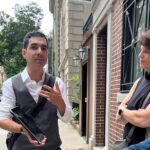
The energy comes from the guide, Marcus Hillman, who turns history into scenes you can picture: school days, street corners, a grocery-bagging stop, a late-night food moment built around Welch’s Grape, and even a basketball court connection in a park tied to important Black history.
In This Review
- Key highlights to expect
- Why a Notorious B.I.G. walking tour hits differently in Brooklyn
- Finding the route fast: Jay St-MetroTech to 7th Street Burger
- Stop 1: Biggie’s high school and the idea of a public school era
- Fort Greene and Clinton Hill: storefronts, murals, and lyric-linked corners
- Bed-Stuy “crib” moments and a first-concert location nearby
- The Welch’s Grape food debate and the T-bone, cheese, and eggs moment
- The Biggie-named basketball court and Black history in the park
- Price and value: is $80 worth 150 minutes?
- Who this tour suits best (and who should skip it)
- Tour pace: photos, lyrics, and how to get the most out of it
- Should you book the Notorious B.I.G. walking tour?
- FAQ
- Where does the tour start?
- How long is the Biggie Smalls themed walking tour?
- What neighborhoods will you visit?
- How much does it cost?
- Where does the tour end?
- Is the tour wheelchair accessible?
- Is there a live guide, and what language is it in?
- Is tipping expected?
Key highlights to expect
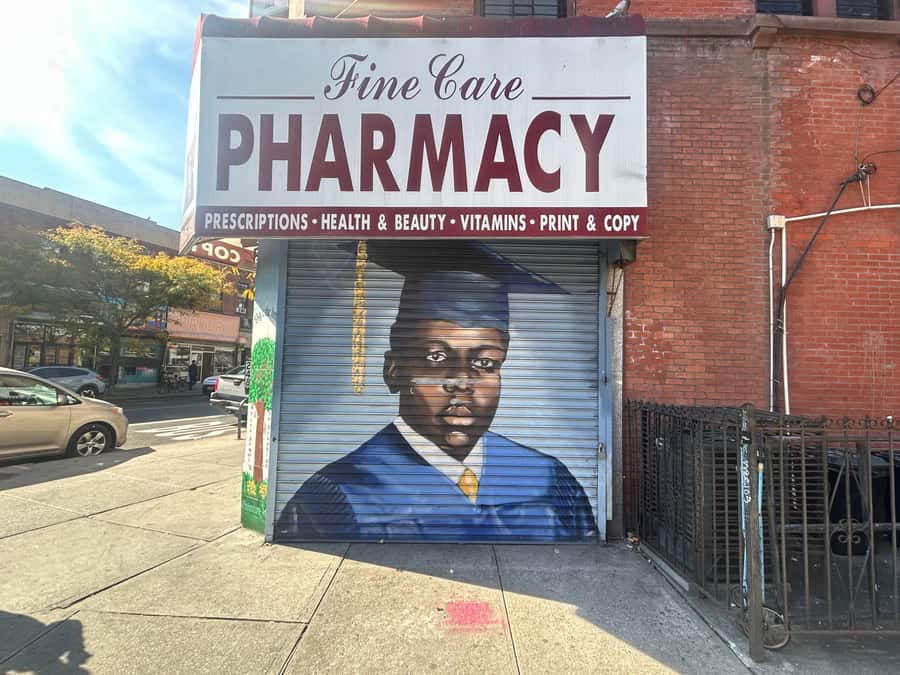
- High-school start tied to Wallace’s public school era: The tour begins where his school life helped shape his rise.
- Downtown Brooklyn to Fort Greene to Bed-Stuy: You’ll see how the neighborhoods connect instead of treating them like separate stops.
- Street art that honors Biggie today: Expect murals and local tributes placed right in the daily flow of the neighborhood.
- A food stop built around the Welch’s Grape story: You’ll hit the late-night spot tied to that specific menu moment.
- A basketball court named for him in a historic Black American park: Biggie’s legacy shows up in community spaces, not just plaques.
- Lots of lyrics, lots of pictures: You’ll trade Biggie references through the walk and use the locations as photo backdrops.
Why a Notorious B.I.G. walking tour hits differently in Brooklyn
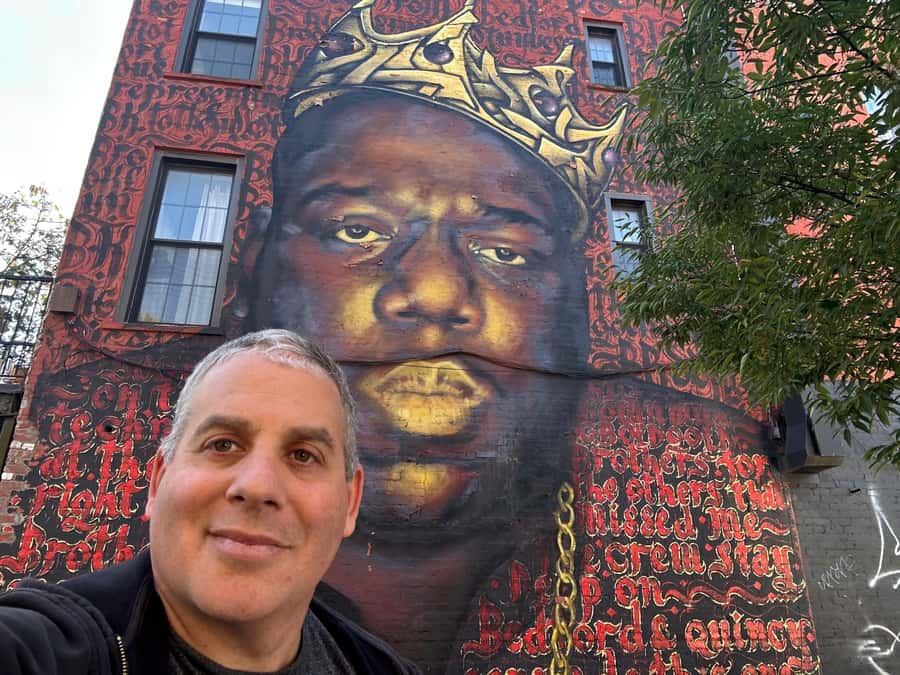
A themed walking tour only works if it does two things well: it helps you read the street, and it keeps the story moving. This one does both. You’re not stuck in a room reciting facts. Instead, you’re walking through Downtown Brooklyn, Fort Greene, Clinton Hill, and Bedford-Stuyvesant—neighborhoods that still show the layers of everyday life that shaped the early 90s.
What makes it feel authentic is the way the tour uses “proof points.” You stop at childhood-era locations, local art honoring Biggie, and places connected to lines from his music. That matters because Brooklyn geography can be tricky for first-timers. A guide helps you connect what you’ve heard to what you’re actually seeing: the street corner, the storefront, the park edge, the basketball court.
The other thing I like is how the guide treats hip-hop as history, not just fandom. You’ll get context on the early-to-mid 90s golden era vibe—when the city felt like it was talking back and forth through music. Even if you’re not a hardcore music scholar, you’ll come away with a clearer picture of how the scene worked.
You can also read our reviews of more walking tours in New York City



Finding the route fast: Jay St-MetroTech to 7th Street Burger
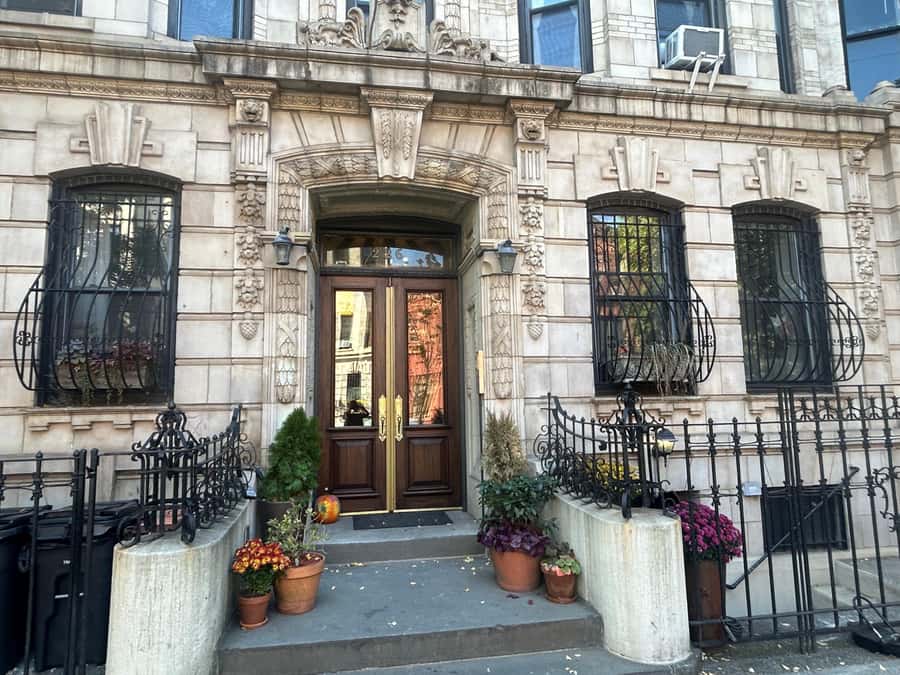
The tour’s meeting point is Jay St–MetroTech Subway Station. If you’ve ever stood at a subway exit wondering which way “everyone else” went, this helps: you have a clear anchor. From there, you start at 7th Street Burger Downtown Brooklyn.
I like this setup because it keeps the start simple. You’re not hunting for a far-away address deep in a side street maze. You begin in a place you can orient around quickly, then the walk settles into the neighborhoods where the story actually lives.
Wear shoes you can trust. The tour runs about 150 minutes, and the pace is built for seeing a lot without long gaps. Plan to bring a charged phone and enough storage for photos—there are multiple stops where you’ll want a clear shot of the mural, storefront details, or street-corner views.
Stop 1: Biggie’s high school and the idea of a public school era
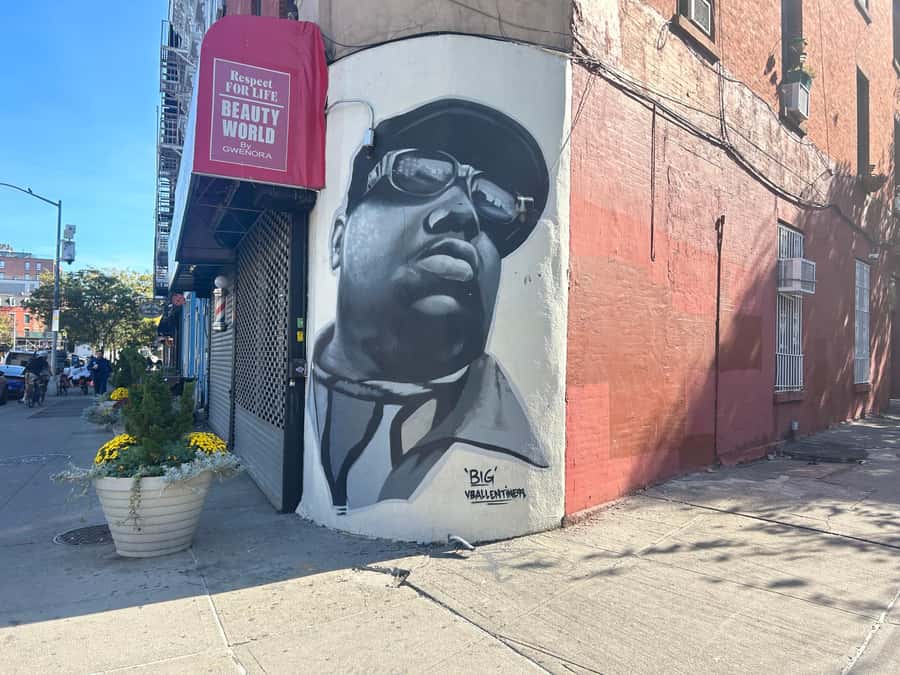
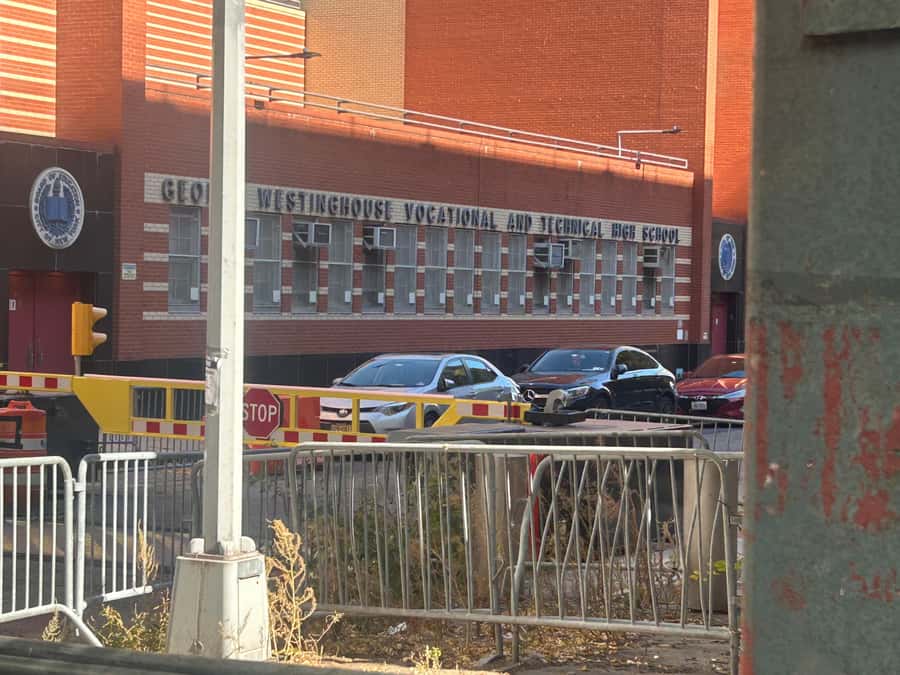
The first major anchor is Christopher Wallace’s high school. This is where the tour sets its tone: the story begins with schooling, not with myth. You’ll hear how Wallace attended there with classmates you might recognize and you’ll get a sense of how his early reputation formed during the public school years.
Why this stop matters: it frames Biggie’s future as something rooted in ordinary systems—hallways, teachers, classmates, routines. That makes the later music feel less like it came from nowhere. Instead, you see the bridge between everyday life and the legend that followed.
You’ll also get a “walk-through-the-scene” feeling. Even without going inside, the tour uses the location as a visual reference so the rest of the day makes more sense.
Fort Greene and Clinton Hill: storefronts, murals, and lyric-linked corners
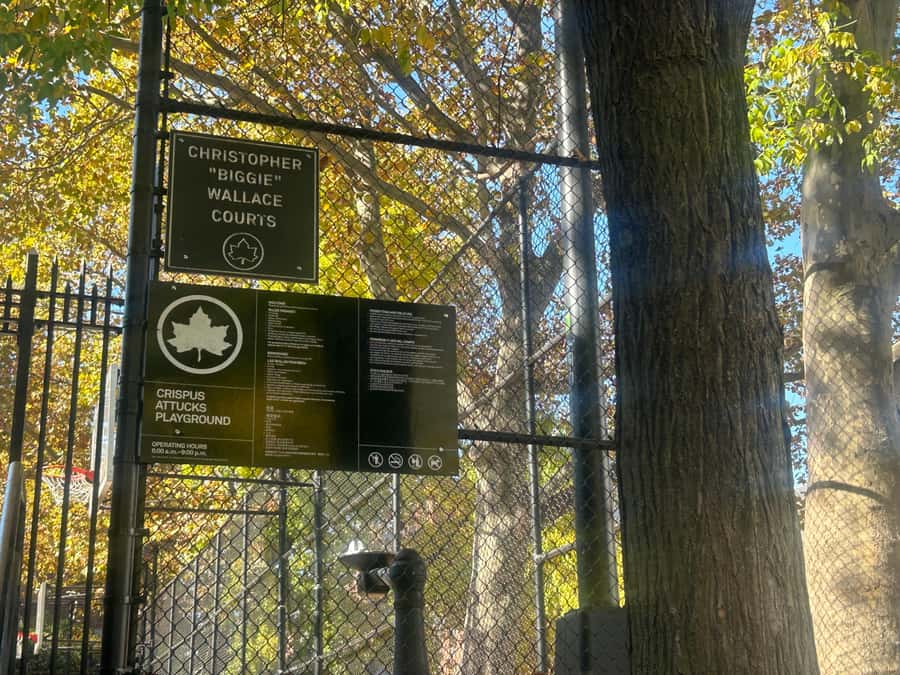
After the school stop, the tour shifts into famous Brooklyn territory—areas like Fort Greene and Clinton Hill—where Biggie spent time and where today’s tributes sit in plain sight.
One of the standout elements here is the focus on neighborhood honoring. You’ll see plenty of art around the neighborhood that keeps Biggie present in daily life. This isn’t just a statue moment. It’s murals and references placed where people actually walk, shop, and wait for buses.
You’ll also visit the store where he once bagged groceries. That’s a small detail, but it lands hard because it’s tangible: a place tied to work, routine, and the realities behind the songs. It helps you understand that even as the legend grew, it started with the same kind of jobs and responsibilities that many people in Brooklyn were living through.
Then come the lyric-connected stops. The tour includes spots you’ll recognize from Biggie’s lines. That can feel a little like stepping onto a music video set—except you’re on real streets with real context. The guide’s job here is crucial: he points out what connects the lyric references to the actual block layout, so it doesn’t turn into guessing.
Bed-Stuy “crib” moments and a first-concert location nearby
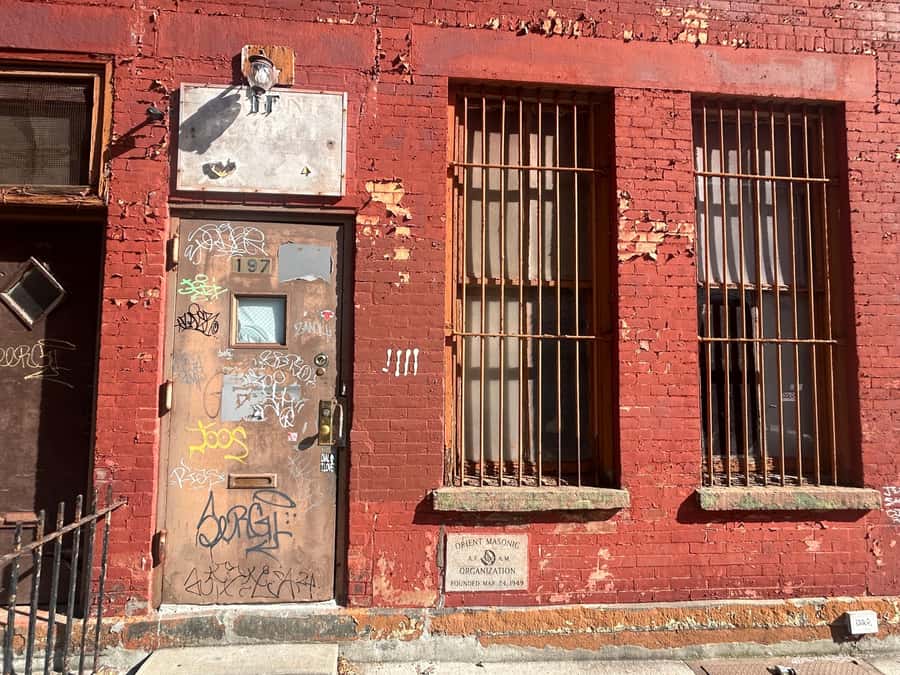
As you move through Bedford-Stuyvesant, the tour brings you to the “crib” story—specifically a childhood home reference tied to the idea of staying in the same hood. The tour also visits the location of Biggie’s first concert nearby.
This section is where the day becomes most cinematic for fans. You’re not only learning the biography. You’re seeing where the biography happened—where you can imagine the route someone might take from home to a first performance, and from that point to the wider world.
This is also where the tour’s picture-taking rhythm kicks in. You’ll want photos here because the guide uses these stops to anchor bigger themes: loyalty to place, the importance of community, and the way early performances helped turn neighborhood identity into stage confidence.





The Welch’s Grape food debate and the T-bone, cheese, and eggs moment
If you’ve got a soft spot for the playful details of hip-hop storytelling, this part is for you. The tour includes time at a late-night food spot tied to a famous menu moment: Welsh’s Grape paired with a meal described as T-bone steak, cheese, and eggs.
What’s fun is that the tour doesn’t treat it like trivia only. You’ll debate what kind of Welch’s Grape he ate, and the guide uses that discussion to keep the story moving while giving you flavor for how these details became part of Biggie’s persona.
And yes, if you get the chance to try a can of Welch’s Grape as part of the experience, you’ll understand why it’s included. It’s not just a prop. It’s a small taste that helps make the day feel like more than just an itinerary.
Practical tip: this stop can slow the pace if the group stops to look around or takes time with photos. If you want quick movement, you may need to keep your questions tight and your camera ready.
The Biggie-named basketball court and Black history in the park
Later in the walk, you’ll see a basketball court named for Biggie in a park that honors an important historical Black American. This matters because it shows legacy in a public way—Biggie isn’t only remembered through entertainment. His name is tied to youth spaces and community activity.
This part also gives you a more grounded emotional tone. Hip-hop history can sometimes feel like it belongs to recordings, charts, and documentaries. Here, you’re seeing it tied to something active: a court, a park, people moving around on a normal Brooklyn day.
If you love connecting culture to community infrastructure, you’ll appreciate this stop. Even if you’re not the most music-nerdy person in the group, you’ll still understand why it’s a meaningful location.
Price and value: is $80 worth 150 minutes?
At $80 per person for about 150 minutes, this is not a casual impulse buy. So the question is: what are you paying for?
You’re paying for three things that are hard to replicate on your own:
- A guided story thread that connects school life, neighborhood work, storefronts, public art, and music references into one coherent route.
- Location specificity—the store-bagging stop, the crib reference, the first concert area, and the food moment built around Welch’s Grape.
- A guide who actually performs the role of storyteller, not just a person reading a script.
The guide’s style comes through in the feedback you can use to gauge fit: people repeatedly call out Marcus as energetic, funny, patient, and easy to talk to—plus the way he answers questions and can personalize the pace to the group. That kind of attention matters because a walking tour lives or dies on group dynamics.
If you like music trivia but get bored by long, rambling explanations, this tour’s structured stops and frequent photo moments help keep it lively. If you want quiet self-paced sightseeing, you’ll likely prefer a different format where you can roam on your own.
Who this tour suits best (and who should skip it)
This tour is best for:
- Biggie fans who want to connect lyrics to real Brooklyn blocks.
- 90s hip-hop history lovers who enjoy context—how the scene shaped itself in the early-to-mid 90s.
- Families who want an engaging guide. The tour has a reputation for patience and for keeping younger people included without turning the day into a lecturing session.
It may not be the best choice if:
- You have limited walking ability. Even though it’s marked wheelchair accessible, it’s also listed as not suitable for people with mobility impairments, and the day is built around lots of walking.
- You want minimal talk. The tour is clearly designed for storytelling and discussion, including the Welch’s Grape food debate.
The sweet spot is a traveler who likes being out in the street, asking questions, and collecting photos with a purpose.
Tour pace: photos, lyrics, and how to get the most out of it
The day is structured around stops, and you should expect a steady rhythm rather than long rests. You’ll be taking a lot of pictures, and the guide uses Biggie lyrics throughout the walk as a memory hook—helpful if you forget details, because the locations become cues.
Here’s how to make it land:
- Keep your phone camera accessible so you don’t miss mural and street-corner moments.
- Ask short questions on the spot. The guide is part of the value because he can answer on the move.
- If you’re traveling with non-fans, focus on the Brooklyn geography and the art tributes. Those parts read well even without deep Biggie knowledge.
Also, bring a flexible mindset. The tour leans into discussion and storytelling. If you treat it like a checklist, you’ll still see the sights, but you might miss how the guide connects them.
Should you book the Notorious B.I.G. walking tour?
If you’re the kind of traveler who likes real neighborhoods, clear landmarks, and a guide who tells stories like he’s talking to a friend, then yes, it’s an easy sell. The route hits multiple Brooklyn areas tied to Biggie, includes art and lyric-linked corners, and gives you memorable details like the Welch’s Grape food moment and the basketball court connection.
I’d skip it only if you need lots of quiet, or if your mobility is limited enough that a walking-heavy route will be stressful. Otherwise, this is a strong way to see Downtown Brooklyn and beyond with purpose—and to come away feeling like the legend is tied to actual street life, not just a playlist.
FAQ
Where does the tour start?
The tour meeting point is at Jay St–MetroTech Subway Station, and it starts at 7th Street Burger Downtown Brooklyn.
How long is the Biggie Smalls themed walking tour?
The tour duration is 150 minutes.
What neighborhoods will you visit?
You’ll walk through Downtown Brooklyn, Fort Greene, Clinton Hill, and Bedford-Stuyvesant.
How much does it cost?
The price is $80 per person.
Where does the tour end?
The tour finishes at 169 Quincy St, Brooklyn, NY 11216.
Is the tour wheelchair accessible?
The activity is listed as wheelchair accessible, but it is also marked as not suitable for people with mobility impairments, so you’ll want to judge your needs carefully.
Is there a live guide, and what language is it in?
Yes, it’s a live guided tour in English.
Is tipping expected?
Gratuity is appreciated if you’re satisfied with the tour.