REVIEW · NEW YORK CITY
NYC: Central Park Guided Walking Tour English-Spanish
Book on GetYourGuide →Operated by TERRADVENTOURS · Bookable on GetYourGuide
Central Park can look simple on a map. Then you walk it with the right guide. This Central Park guided walking tour is built around big-name sights like Bethesda Fountain and Strawberry Fields, plus the quieter corners that explain how and why the park works. You’ll cover a lot on foot, but it stays organized and story-led, not random wandering.
I especially like the way the tour mixes postcard views with practical “what to notice” guidance. I also like that the guide brings humor and energy—Gabriel, for example, comes through as funny, attentive, and very good at turning landmarks into clear, human stories.
One thing to consider: it’s a tip-based experience in practice. Even though the price is shown as $35, the guide expectation is to tip (often averaging about $30 per person), so you’ll want a few bills ready and a budget mindset.
In This Review
- Key highlights you’ll feel on the walk
- Price and the pay-what-you-like reality
- Starting at the Maine Monument: where your tour actually begins
- Dipway Arch to Gapstow Bridge: the first “yes, this is why” views
- Central Park Pond, Victorian Gardens, and what to notice as you walk
- Balto statue and the zoo area: animal stories, not just a photo stop
- The Mall, Literary Walk, and Bethesda Terrace: architecture you can read
- Alice in Wonderland and the Ramble: the park gets weird in a good way
- Belvedere Castle: a pause with payoff
- Strawberry Fields and the Dakota Building area: John Lennon’s footprint
- Included extras that actually help you enjoy the day
- What the guide style brings (Gabriel as an example)
- Who should book this Central Park walk?
- Should you book this tour?
- FAQ
- How long is the Central Park guided walking tour?
- Where do I meet the guide?
- What are the tour’s main stops?
- Is zoo entry included?
- Is Wollman Rink skating included?
- Is the tour free?
- What language is the guide?
- What is the cancellation policy?
Key highlights you’ll feel on the walk
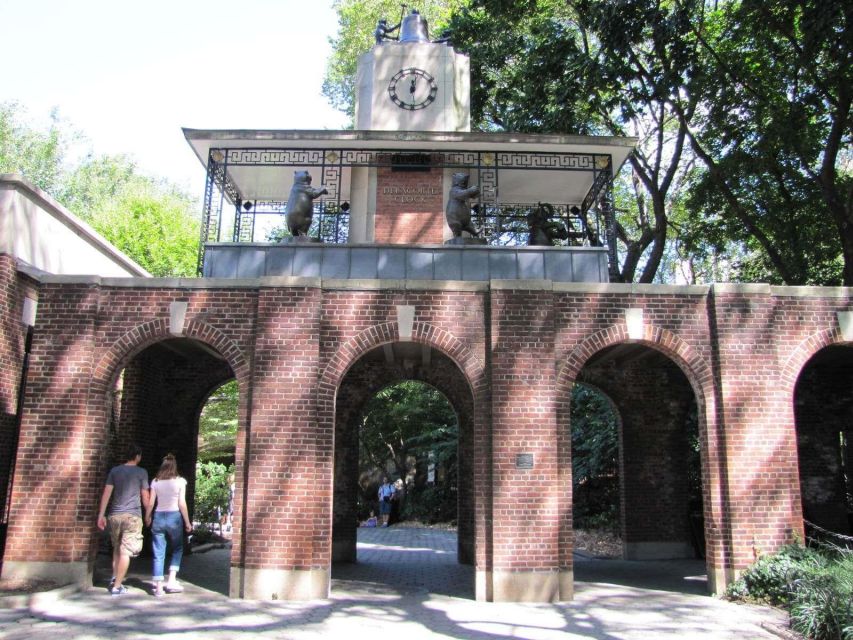
- Meet at the US Maine Monument with a purple umbrella so you don’t waste time hunting
- Small-group pace that keeps the walk moving without feeling like a sprint
- Story stops at the major wow spots like Bethesda Terrace, Bethesda Fountain, and Belvedere Castle
- John Lennon connections at Strawberry Fields tied into the Dakota Building area
- Ramble and Alice in Wonderland sculptures for the park’s more playful side
- Central Park Zoo area on the route with access included, while entry tickets aren’t
Price and the pay-what-you-like reality
This is listed at $35 per person, but the tour is run in a tip-focused style. The information I’m working with also says the final amount is based on tips, with an average tip around $30 per person. So in real terms, you should think of it as a guided walk where you’re buying value through your choice of tip, not a fixed “pay $35 and you’re done” product.
Is that worth it? For Central Park, yes—if your goal is more than photos. A good guide saves time (you don’t have to figure out which paths matter), and they help you notice details you’d miss alone, like how certain viewpoints line up and how the park’s design shapes your walking path. If you’re the kind of person who likes to understand why a place looks the way it does, this style tends to pay off.
Just be honest with your own travel style: if you only want a simple self-guided loop, you might skip the tour and use a map and a park audio guide instead. But if you want someone to set the route and explain the landmarks as you go, the tipping model makes sense.
You can also read our reviews of more walking tours in New York City



Starting at the Maine Monument: where your tour actually begins
The meeting point is in front of the US Maine monument with a purple umbrella. That detail matters more than it sounds. In Central Park, getting off to a smooth start saves energy, and it helps you avoid the awkward “Are we late?” moment in a huge public space.
From there, the tour heads toward classic sightlines and major stops, which helps you quickly get your bearings. You’ll move through an ordered sequence instead of bouncing between distant attractions. Even if you’ve visited before, this kind of guided routing usually makes you feel like you’re seeing the park in a smarter order.
What you should bring is simple: comfortable shoes, a layer for the weather, and a willingness to walk at a steady pace for about 2.5 to 3 hours. You’ll be outside the whole time, and Central Park timing can vary with crowds.
Dipway Arch to Gapstow Bridge: the first “yes, this is why” views

Early on, you pass Dipway Arch and then reach the stretch around Wollman Rink and Gapstow Bridge. These aren’t just scenic stops. They’re the kind of places where Central Park’s design starts to click: paths, water views, and architectural touches show up together.
Wollman Rink is especially interesting because it signals how the park changes with the season. Even if you don’t skate, it’s a recognizable landmark that gives you a mental anchor for where you are. The same is true for Gapstow Bridge: it’s one of those locations where the water and skyline views feel made for a slow pause.
At these stops, the tour gives you time to look, not just stand and move on. That’s a big deal when you’re trying to enjoy a park during limited vacation time.
Central Park Pond, Victorian Gardens, and what to notice as you walk
Next comes the Pond in Central Park and Victorian Gardens. This is where you start noticing how the park balances open views with leafy enclosure. Pondside areas can be quiet and photogenic, and the Victorian touches help explain the park’s “designed for pleasure” side—walkways, plantings, and sightlines that encourage you to slow down.
There’s also a practical payoff: by the time you reach these sections, you’ve already warmed up to the walking rhythm. That means later stops like Bethesda Terrace feel more accessible, not like you’re saving your energy for the “real part.”
A small caution: these parts can still be busy depending on the day and time. If you’re sensitive to crowds, consider bringing patience and aiming for good viewing from the edges instead of trying to occupy the center of the view.
Balto statue and the zoo area: animal stories, not just a photo stop
The route includes the Balto statue and an encounter near the zoo area. Balto is a powerful reminder that Central Park isn’t only about landscapes—it’s also about animals, public life, and the zoo’s place in New York’s identity.
The information I have says Central Park Zoo access is included, but zoo tickets to get inside are not included. So you should plan for the guide to bring you to relevant spots, and then you decide whether you want to purchase entry if you want to go deeper inside. That’s a fair setup: you don’t get forced into a ticket you might not use, but you still get the context on the route.
This stop is worth it even if you’re not an “animal attraction” person, because the guide’s story helps the statue make emotional sense rather than just looking like another landmark.
You can also read our reviews of more guided tours in New York City






The Mall, Literary Walk, and Bethesda Terrace: architecture you can read
One of the tour’s biggest strengths is how it treats the Mall and Literary Walk, then connects that straight to Bethesda Terrace and Bethesda Fountain. This is where Central Park turns from “pretty” into “designed with purpose.”
- Along the Mall and Literary Walk, the tour’s focus is on literary giants coming to life in the setting. If you like connections between place and culture, this is a satisfying section because it gives you a way to interpret what you’re seeing.
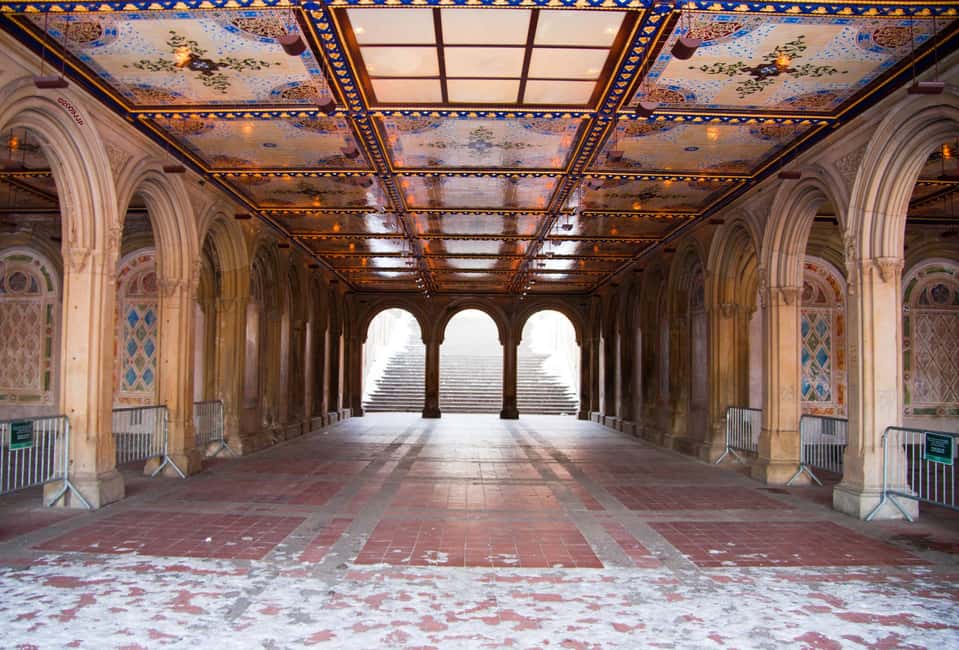
- At Bethesda Terrace, you’ll get architectural perspective—how the terrace sets up views and how it functions as a dramatic hub for the park.
- Then Bethesda Fountain and Terrace become the emotional center. It’s not just a photo spot. It’s a focal point that explains why people remember Central Park after they leave.
Practical tip: Bethesda is usually a draw for people with big camera phones and short patience. If you want nicer photos, use the time the guide gives you and don’t freeze in the center of the crowd. Look from the angles that give you the fountain plus surrounding structure.
Alice in Wonderland and the Ramble: the park gets weird in a good way

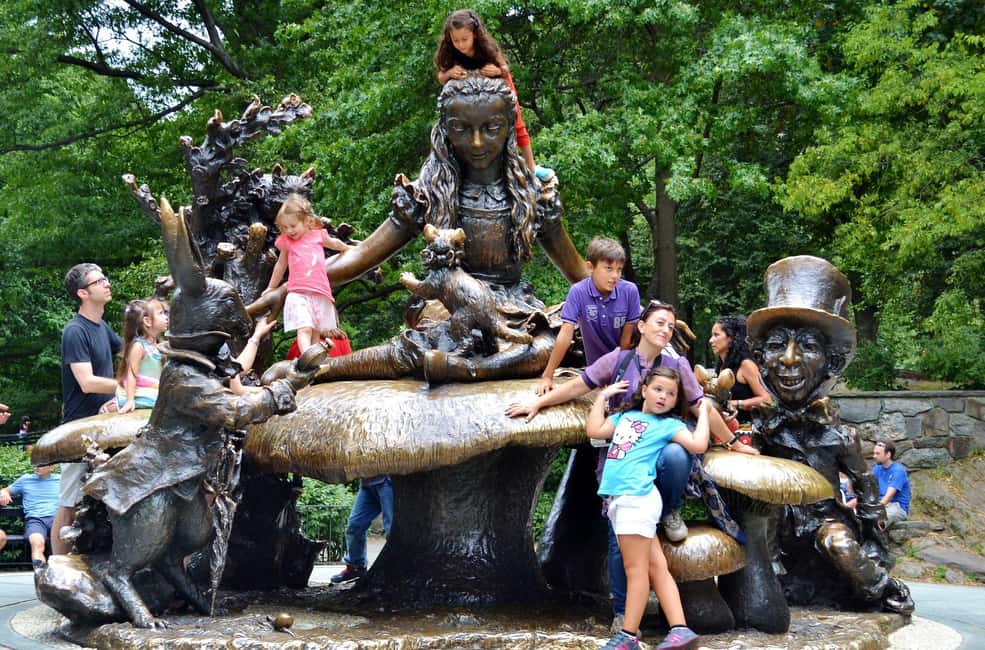
After Bethesda, you’ll hit the Alice in Wonderland statue and then head into the Ramble. This part is fun because it flips the mood. You go from grand civic grandeur into something more playful and mysterious.
The Alice in Wonderland encounter is quick but memorable because it’s so recognizable, and it’s the kind of whimsical detail that makes Central Park feel like it’s talking back to you. Then the Ramble adds a different kind of reward: this is where you can feel the park shifting from “attraction sequence” to “walking experience.” The Ramble is the section you’ll remember later because it feels like you turned a corner into another mood.
This stop also helps you understand how Central Park manages variety. It doesn’t just repeat the same scenic style. It changes texture and atmosphere so the entire walk feels like progress.
A drawback to keep in mind: the Ramble can be slower going because it’s designed for wandering, not speed. That’s not a problem—just don’t plan other tight timing right after the tour ends.
Belvedere Castle: a pause with payoff
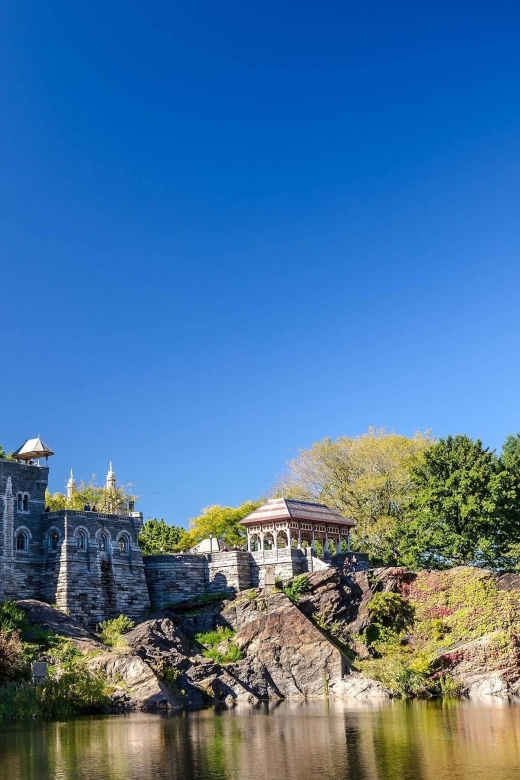
The tour includes Belvedere Castle for sightseeing and a dedicated walking segment. This is a great mid-to-late tour stop because it gives you a “stand back, look around” moment when you’re already familiar with the park’s major pieces.
Belvedere Castle also works well as a mental marker. You’ll likely feel like you’ve reached a viewpoint-of-the-parks-big-ideas moment: design, elevation, and dramatic sightlines. Even if you don’t spend ages lingering, the stop gives you closure before the tour swings toward its final cultural landing.
Strawberry Fields and the Dakota Building area: John Lennon’s footprint
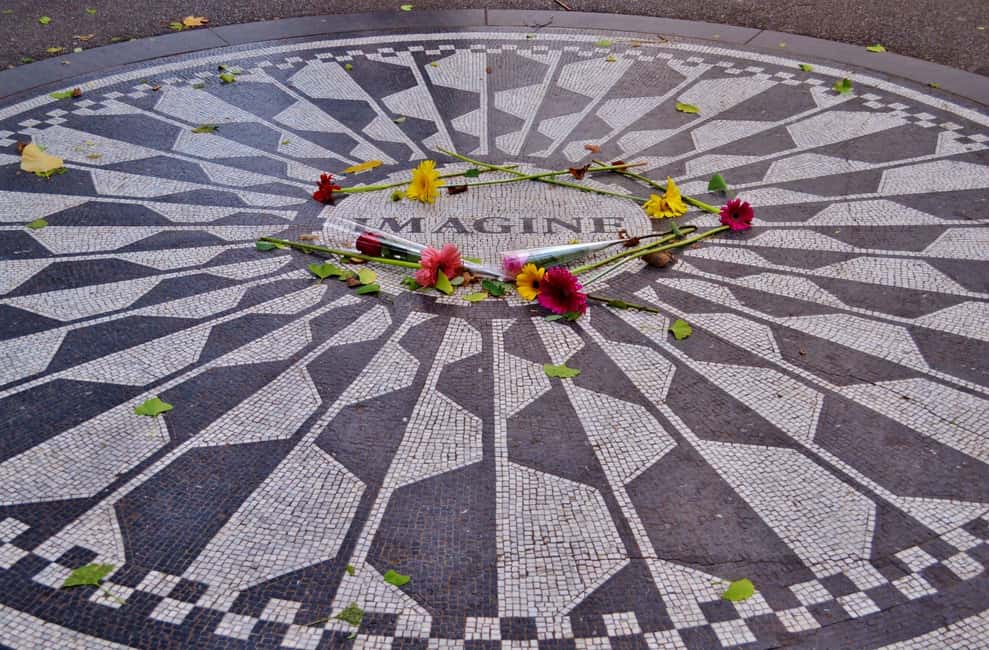
The walk crescendos at Strawberry Fields, honoring John Lennon, and the tour highlights also call out the Dakota Building in connection with Lennon. This is the section where Central Park stops being only an urban escape and becomes a cultural landmark tied to real people and real music.
Strawberry Fields is a powerful way to end the tour because it turns your walking journey into something personal. You’re standing somewhere that millions of people recognize, and the guide’s context helps it feel less like a random stop and more like a meaningful endpoint.
One timing note: the itinerary is designed so you finish at Strawberry Fields, but the activity information also says it ends back at the meeting point. In practice, you should expect the tour’s final gathering to relate to the Strawberry Fields area, with the overall activity concluding where the group started. If you want certainty, ask the guide on arrival where the final regroup point is.
Included extras that actually help you enjoy the day
Here’s what’s included, in terms of how it affects your experience:
- Professional guide: the main value. The tour lives or dies by the guide’s pacing and ability to make landmarks understandable.
- Map: helps you reconnect the dots after the walk and repeat the route on your own later.
- Literary Walk exploration, Bethesda Fountain & Terrace, Belvedere Castle discovery, Ramble, and Alice in Wonderland encounter: these aren’t just name checks. They’re built-in time to look and listen.
- Strawberry Fields & Lennon Monument and Central Park Zoo access: you get the key emotional and animal-area beats without having to scramble for them mid-walk.
Not included:
- Zoo tickets to get inside: you can still visit the zoo area as part of the walk, but if you want to go in, you’ll need tickets.
- Wollman Rink entrance to skate: you’ll pass by, not necessarily participate.
- Water, food, drinks and bike or other devices: bring what you need or plan a quick stop before/after.
If you’re trying to plan around the walk, the biggest win is that you don’t need to “figure it out” on the spot. The guide’s route does the heavy lifting.
What the guide style brings (Gabriel as an example)
From the names and vibes shared in the available feedback, Gabriel is highlighted as very knowledgeable, friendly, funny, and attentive, with a knack for steering you toward a better visit. I like this kind of guide because you don’t just get facts. You get guidance on how to see things.
A good sign: the feedback emphasizes that he takes people to places they’d likely miss on their own. That’s exactly what you want from a guided walk in a park as large as Central Park. You can cover ground alone, but you won’t always cover the right ground.
So if you enjoy a guide who talks, jokes a little, and watches the group to keep the pace comfortable, this tour likely fits your style.
Who should book this Central Park walk?
This is a great fit if:
- you want the big Central Park landmarks in one organized route
- you enjoy understanding what you’re seeing, not just snapping photos
- you’re in town for a short time and don’t want to plan a whole self-guided day
It may be less ideal if:
- you hate walking for about 2.5 to 3 hours
- you want full flexibility with stops and detours (a guided route limits that)
- you’re on a strict budget and don’t like paying tips in addition to the listed price
If you’re traveling with kids or friends who love recognizable places (Strawberry Fields, Alice, Bethesda), the variety in this route helps keep interest up.
Should you book this tour?
I’d book it if your goal is to get real enjoyment out of Central Park without turning your day into logistics. The blend of major landmarks (Bethesda, Belvedere Castle, Strawberry Fields) plus “how to notice it” guidance is the core value. And with a guide like Gabriel praised for energy and attentiveness, you’re not just buying movement—you’re buying a smoother, more meaningful walk.
Wait before booking only if you’re the type who loves solitude and doesn’t want a structured route. In that case, Central Park works beautifully on your own. But if you want someone to point out the pieces you’d otherwise overlook, this is the kind of tour that makes the park feel personal.
FAQ
How long is the Central Park guided walking tour?
The duration is listed as about 3 hours. Some departures may be closer to 2.5 to 3 hours, depending on the schedule shown when you check availability.
Where do I meet the guide?
Meet in front of the US Maine monument with a purple umbrella.
What are the tour’s main stops?
The tour covers stops including the Maine Monument, Dipway Arch, Wollman Rink, Gapstow Bridge, Central Park Pond, Victorian Gardens, the Balto statue, the Mall and Literary Walk, Bethesda Terrace and Bethesda Fountain, Alice in Wonderland sculpture, the Ramble, Belvedere Castle, and Strawberry Fields.
Is zoo entry included?
Zoo access is included, but zoo tickets to get inside are not included.
Is Wollman Rink skating included?
No. Wollman Rink entrance to skate is not included.
Is the tour free?
It’s described as a free tour style, but the price is listed as $35 per person. The final amount is described as based on tips, with an average around $30 per person, so you should plan for tipping.
What language is the guide?
The guide language is listed as English. The title includes English-Spanish, but the activity details specify English.
What is the cancellation policy?
Free cancellation is offered up to 24 hours in advance for a full refund.