REVIEW · NEW YORK CITY
NYC | French guided tour Halloween in Greenwich Village
Book on GetYourGuide →Operated by New York Off Road · Bookable on GetYourGuide
Dusk turns Greenwich Village into a storybook. This French Halloween walk leans into real Greenwich Village legends, starting with where Halloween in the US comes from and then landing at specific sites tied to tragedy and supposed sightings. I especially like how the tour mixes spooky folklore with place-based details, and how the guide keeps it fun without turning it into pure camp.
One thing to consider: it runs at dusk and it’s rain or shine, so you’ll want to plan for cold feet and wind on these streets.
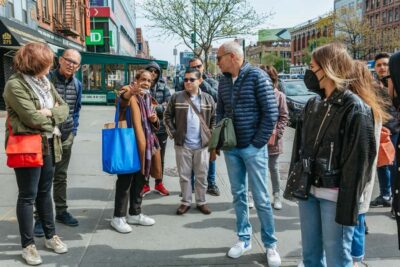
I found the guides here make a big difference. Names like Erica and Judith come up for a reason: they bring energy, pace the group well, and make the stories click even if you’re not a “true crime” type. With a max of 10 people, you get that small-tour attention instead of yelling over a crowd.
In This Review
- Key highlights worth your attention
- Samhain to trick-or-treat: origins of Halloween in the Village
- Stumptown meet-up at dusk: the mood, the group size, and the guide
- Washington Square Park: the burial-ground story that frames the walk
- Haunted addresses: Bobst Library, Mark Twain House, and the Village’s tragedy links
- Hangman’s Elm and Edgar Allan Poe’s house: when the stories get specific
- Thomas Paine at Marie’s Crisis Café and Emma Lazarus on her block
- When Village horror meets pop culture
- Price, pacing, and what’s actually included in the 2 hours
- Should you book this French Halloween walk in Greenwich Village?
- FAQ
- How long is the NYC French guided Halloween tour in Greenwich Village?
- Where does the tour meet?
- Is the tour guided in French?
- What group size is it?
- What should I bring or wear?
- Does the tour run in bad weather?
Key highlights worth your attention
- Samhain to trick-or-treat: origins of Halloween in a clear, story-first way
- Washington Square Park: tied to the idea of an old burial ground and lingering spirits
- Real haunted addresses: Washington Square area plus buildings like the Bobst Library and Mark Twain House
- Classic spooky stops: Hangman’s Elm, the Brown Building, and links to Edgar Allan Poe
- Authors with hauntings: Thomas Paine’s spirit at Marie’s Crisis Café and Emma Lazarus on her block
- French guide + small group: up to 10 people, with group photos and kid-friendly goodies
Samhain to trick-or-treat: origins of Halloween in the Village
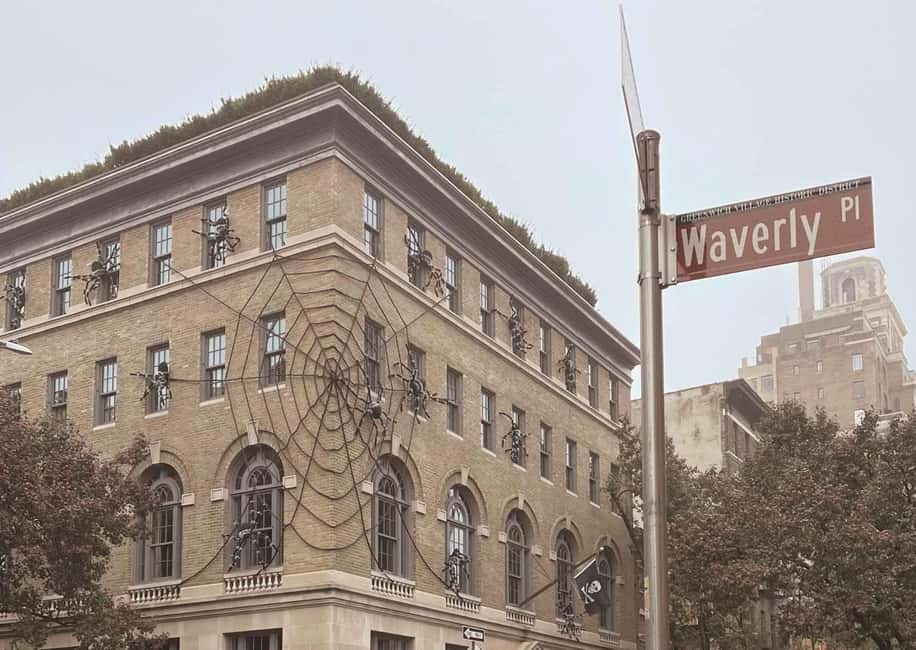
The tour starts by putting Halloween in context: it grows out of the Celtic festival of Samhain, a time associated with marking the turning of seasons and warding off evil. The key idea you’ll hear is how a European tradition traveled, changed, and eventually became the American holiday people recognize today. Expect the guide to connect that evolution to familiar rituals like pumpkin carving and trick-or-treating, so the spooky bits don’t float around without grounding.
What I like about this opening is the way it gives you a framework. Instead of treating Halloween as just costumes and candy, you start to understand why people in different eras believed the veil between worlds felt thinner at this time of year. And once you’ve got that mental map, the later stops in Greenwich Village land harder, because you’re not just hearing “ghost story, ghost story.” You’re hearing why someone might have told it, and why it stuck.
You can also read our reviews of more walking tours in New York City



Stumptown meet-up at dusk: the mood, the group size, and the guide
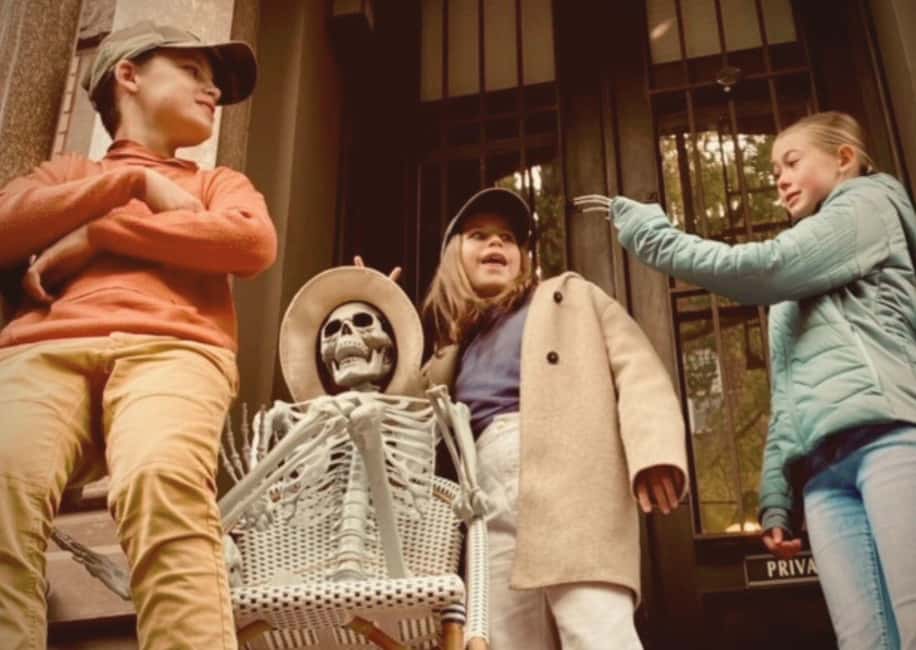
The meeting point is easy to find: stand in front of Stumptown Coffee Roaster, 30 W 8th St. The guide carries a New York Off Road tote bag, so you can spot them fast. You’re also walking with a local French guide, and the group is capped at 10 people, which matters more than it sounds.
At 2 hours long, this is a tight format. You’ll move at a pace that keeps the stories flowing, but you’re not doing a marathon. Still, you’ll be on your feet, and the tour happens at dusk, which is exactly when October chill shows up. You’ll get a better experience if you wear shoes that don’t punish you after 90 minutes of sidewalk time.
If you’re traveling with kids, the small-group energy helps. The tour includes goody pick-ups (especially for children), and the guide can steer the tone toward wonder rather than just fear.
Washington Square Park: the burial-ground story that frames the walk
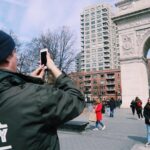
One stop you’ll definitely hear about is Washington Square Park. The tour ties it to an old burial-ground connection and uses that to explain why people keep linking the area to strange sightings. Whether you view it as legend, local folklore, or something you just enjoy as atmosphere, this is a smart way to start the “haunted geography” part of the evening.
The value for you here is simple: you’re seeing a major Village landmark while you learn how ghost stories often attach themselves to specific land. Parks, corners, and old buildings become “containers” for memory—stories grow because people want a reason for what they feel in a place. By the time you’re walking away from Washington Square Park, you’ll be hearing references that sound like sightseeing trivia, but they’re really about how fear, history, and neighborhood identity mingle.
Also, the timing helps. At dusk, even ordinary blocks feel theatrical. The guide keeps the pace so you’re not just wandering in the dark—you’re being pointed toward what to look for, what to notice, and how to connect it to the story you’re hearing.
Haunted addresses: Bobst Library, Mark Twain House, and the Village’s tragedy links
After the park, the tour moves into a cluster of addresses that are well-known for the way they’ve been woven into local haunted chatter. You’ll hear about the Elmer Holmes Bobst Library and the Mark Twain House, both described as locations where ghostly sightings are tied to historical tragedies and wandering spirits.
This section is where the tour becomes more than Halloween cosplay. The guide links specific places to specific kinds of harm—fires, hangings, and other events—and then explains why those stories echo through generations. It’s not just “something scary happened.” It’s “here’s what people told each other afterward, and how the story took a physical shape.”
In practical terms, this is great if you want New York flavor beyond the usual skyline photo. Greenwich Village doesn’t need to be loud to feel dramatic. When you pair architecture and literature with the idea of lingering spirits, you start to read the neighborhood differently. You’ll look at building fronts and details and think, that’s where the narrative is anchored.
Hangman’s Elm and Edgar Allan Poe’s house: when the stories get specific
The tour’s most memorable spooky moments often come from the big-name Village locations. Hangman’s Elm is one of them, tied to tales of hangings. Then the route brings you toward the Brown Building and Edgar Allan Poe’s house, where the associated stories include deadly fires and spectral presences.
What’s useful for you is that these aren’t just generic “haunted house” claims. The guide is using a thread: grim events from the past become ghost story material, and each location gets its own signature legend. That structure helps you remember it. You’re not collecting random fear facts; you’re building a map of how the Village’s storytelling works.
If you like being able to say, I know the story behind that place, this part delivers. It also helps that the tour is done in French with a guide who can connect the dots quickly. You don’t want to get stuck translating while you’re outside in the cold. The pacing here is built for clarity.
You can also read our reviews of more guided tours in New York City






Thomas Paine at Marie’s Crisis Café and Emma Lazarus on her block
One of the cooler angles is how the tour uses famous figures as part of the paranormal storytelling. You’ll hear about Thomas Paine, whose spirit is said to haunt Marie’s Crisis Café. You’ll also hear about Emma Lazarus, with claims of paranormal activity linked to her house.
This is a strong section for two reasons. First, it’s a different flavor of spooky: not only “ghost in the dark,” but “history you can point to.” Second, it gives you a way to connect literature and politics to the neighborhood you’re walking through. You come away thinking less about horror and more about how people remember important names in a place.
And if you’re in Greenwich Village for a few days, this helps you plan your own evening. You can revisit the areas you heard about with new eyes, and you’ll know what you’re looking for.
When Village horror meets pop culture
Greenwich Village has a long cinematic record as a spooky backdrop, and the tour name-checks that connection. You may hear mentions of Rosemary’s Baby and Ghostbusters II, both tied to the neighborhood’s reputation for eerie atmosphere.
I like that the guide uses pop culture as a shortcut, not as the whole story. If you recognize the titles, you immediately understand why filmmakers would love this area. But the tour keeps bringing you back to the real local anchors—places, legends, and historical threads—so you’re not just consuming movie trivia. You’re learning why the movie vibe makes sense.
If you’re a film fan, this is the section that lets the rest of the walk click. The neighborhood stops being just “old buildings.” It becomes a setting that writers and directors keep returning to.
Price, pacing, and what’s actually included in the 2 hours
The price is $59 per person for a 2-hour guided walking tour in a small group (up to 10). For NYC, that’s not a bargain, but it’s also not overpriced if you consider what you get: a French-speaking local guide, multiple stops tied to specific Halloween and ghost legends, and added touches like group photos sent by email plus a list of the best addresses in each neighborhood. That address list can be genuinely useful when you’re trying to decide where to eat or wander next.
A few practical notes that affect your experience:
- The tour is at dusk, so it gets chilly. Bring warm layers and wear comfortable shoes.
- It runs rain or shine, so plan for wet sidewalks and wind.
- Food and drinks aren’t included, so you’ll want to eat before you start or be ready to buy something afterward.
- You’re asked to bring cash. The operator doesn’t include food, so cash helps cover incidentals if needed.
Value-wise, the best part is how the format respects your time. You’re not spending half a day commuting between neighborhoods. You’re getting a concentrated slice of Greenwich Village at the hour when it feels most theatrical.
Should you book this French Halloween walk in Greenwich Village?
If you want Halloween that feels local, not generic, this is a great pick. Book it if you’re comfortable walking outdoors at dusk, you’d enjoy hearing Halloween origins tied to real places, and you like your spooky stories grounded in architecture and specific addresses. It also makes sense if you’re French-speaking and want the tone of a French guide rather than muddling through in English with a crowd.
Skip it if you’re sensitive to cold weather, you prefer daytime sightseeing only, or you want a tour that includes food. This one is all about the walk, the stories, and the atmosphere.
FAQ
How long is the NYC French guided Halloween tour in Greenwich Village?
The tour lasts 2 hours.
Where does the tour meet?
It meets in front of Stumptown Coffee Roaster, 30 W 8th St, New York, NY 10011.
Is the tour guided in French?
Yes, the live tour guide speaks French.
What group size is it?
It’s a small group limited to up to 10 participants.
What should I bring or wear?
Bring comfortable shoes and warm clothing, and bring cash. The tour runs in October at dusk, so dressing for chilly weather helps.
Does the tour run in bad weather?
Yes, the tour takes place rain or shine.