REVIEW · NEW YORK CITY
NYC: Grand Central Terminal and/or Penn Station – Private
Book on GetYourGuide →Operated by Region NYC · Bookable on GetYourGuide
Two terminals, one underground brain. On Rayn’s private tour, I love the exact compare-and-contrast of Penn Station’s demolished 1910 grand hall and the modern Moynihan Train Hall, plus the hands-on hunt for Grand Central secrets like the hidden tennis court and whispering walls. One drawback: the route includes underground areas and lots of steps, so comfortable shoes are not optional.
This is built for people who hate vague sightseeing. You get a licensed NYC guide, plus ear pieces so you can hear clearly even in crowds, and subway fare is included for the ride between Penn Station and Grand Central Terminal.
The big win is the way Rayn, an AICP-certified urban planner (and a member of the Guides Association of NYC), explains how the city’s transportation actually works. If you like design, infrastructure, and the stories behind them, this tour will feel like New York in “how it’s made” mode.
In This Review
- Key highlights worth your attention
- Penn Station then vs now: where the 1910 grandeur still echoes
- Moynihan Train Hall and the artifacts of a station that kept changing
- The “new plans” conversation: why the busiest station is always in motion
- Riding the subway between terminals: how the network actually runs
- Grand Central’s secret layer: tennis court, secret bar, and whispering walls
- How Rayn’s urban planning lens changes what you see
- Tour length, walking reality, and when to go
- Price and value: $200 per group up to 15, with subway fare covered
- Who should book this Penn Station and Grand Central tour
- Should you book? My honest recommendation
- FAQ
- How long is the private tour?
- What does the price include for the group?
- Is this a private tour?
- Does the tour include a subway ride?
- Are we allowed into restricted areas?
- Where does the tour start and end?
- Is the tour accessible for people with mobility impairments?
- What should I bring?
- How much walking and stairs should I expect?
Key highlights worth your attention
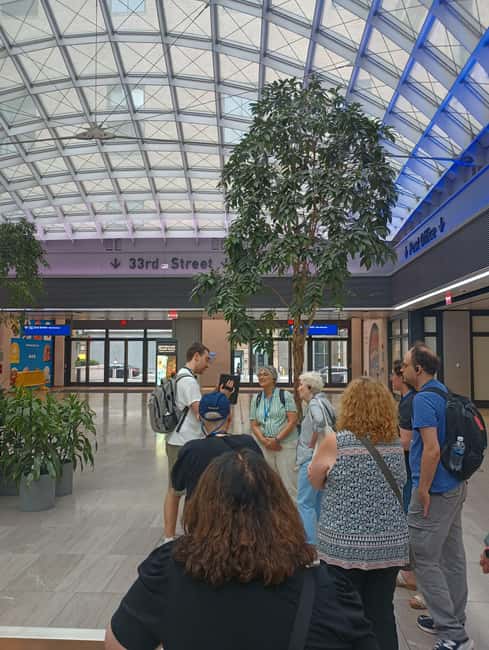
- Penn Station, then and now, mapped to the locations of the old 1910 structure
- Moynihan Train Hall stop with remnants and artifacts tied to what got lost
- A subway ride between Penn Station and Grand Central Terminal, plus metro tech explained
- Grand Central’s secret bar, glass walkways, hidden tennis court, and old theater
- Whispering walls and underground entrances, with context for what you’re seeing
- Ear pieces and a private setup that make questions easy and answers audible
Penn Station then vs now: where the 1910 grandeur still echoes
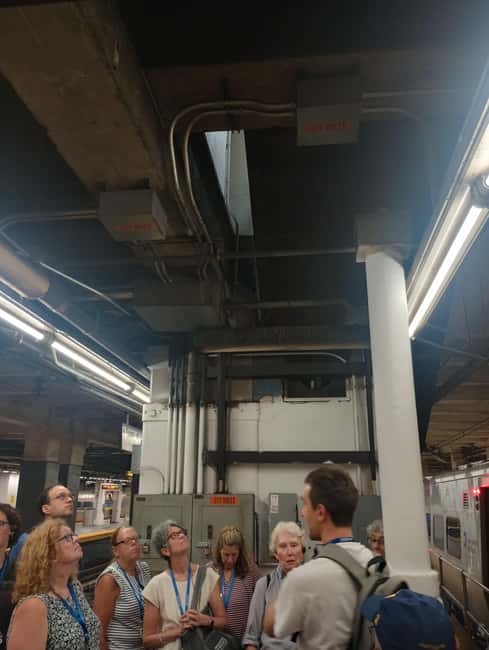
Penn Station is one of those places where your brain expects to be wowed, then feels torn between nostalgia and reality. That’s exactly why this tour works. Rayn leads you through the modern station while constantly grounding you in what stood there originally—especially the famously demolished original 1910 Penn Station.
I like that the comparison isn’t just “this is older.” Rayn helps you line up where you are now with where the old building elements originally sat. That makes the time-travel effect real. Instead of admiring a hall and guessing, you learn to look for clues in the layout and features that survived the rebuild cycle.
It also gives you a better way to understand what changes do to a station’s personality. Penn Station has been reshaped into something more streamlined and functional, but you can still spot remnants and traces tied to the older structure and its era.
You can also read our reviews of more private tours in New York City



Moynihan Train Hall and the artifacts of a station that kept changing
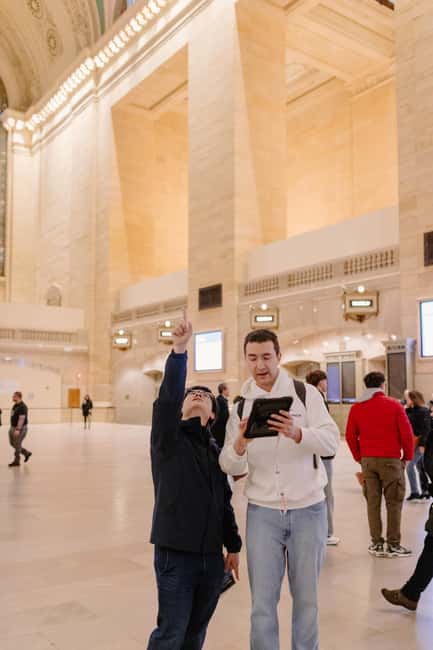
From Penn’s older story, the tour shifts toward the new Moynihan Train Hall—New York’s big bet at redefining how rail space feels. You’ll spend time looking at what’s present today and what the redesign had to negotiate: modern passenger flows, safety needs, and the reality of keeping a major station running.
Rayn’s approach adds a layer most people miss. He points out remnants and artifacts lost to time that you can still connect to through the modern environment. Even if you’re not a hardcore architecture person, this is the kind of thinking that makes stations more than backdrops. You start seeing them as living systems that get rebuilt without fully “starting over.”
This is also where the tour’s planning angle becomes useful. You learn how the busiest rail hubs don’t just have design problems—they have coordination problems. And New York has always been good at building, rebuilding, and rethinking under constant pressure.
The “new plans” conversation: why the busiest station is always in motion
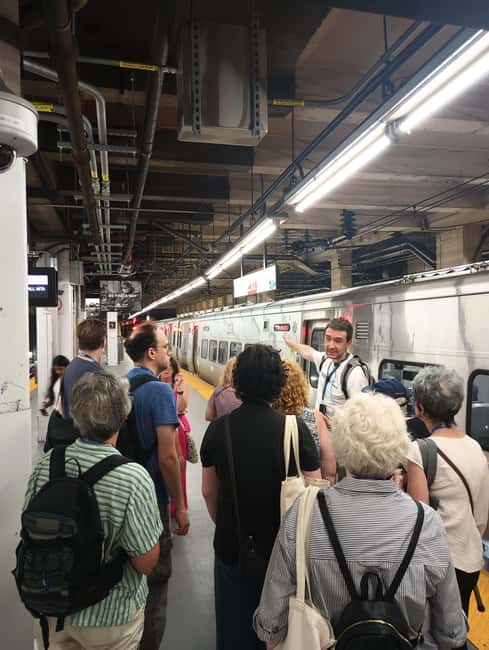
You’ll hear about exciting new plans for one of the busiest train stations in the country. The key here is that Rayn treats future changes like a continuation of the past, not a random makeover.
That matters because Penn Station and the rail network around it aren’t fixed. They evolve with passenger demand, connections, and constraints underground and around the sidewalks. Stations are political and logistical machines, and this tour explains that without making it boring.
If you’ve ever wondered why one entry feels like it was built for one decade and another entry feels like it was built for a different one, you’ll get the logic. You’ll also get a clearer sense of what “better” means in rail space: smoother transfers, more legible routes, and technology that keeps trains and people moving.
Riding the subway between terminals: how the network actually runs
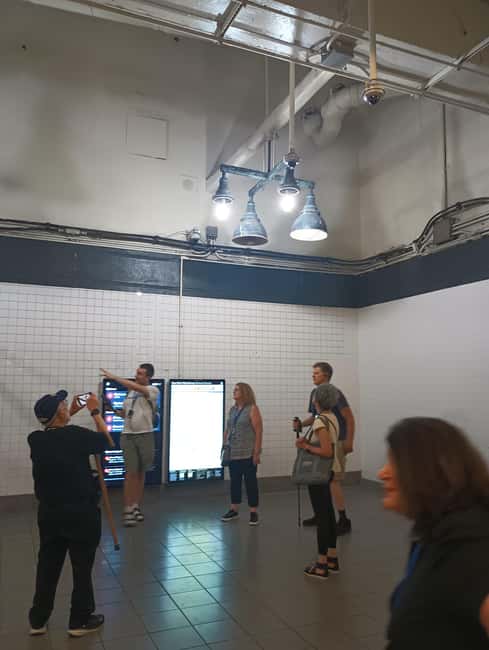
This isn’t only a “look at buildings” walk. You take an iconic subway ride between Penn Station and Grand Central Terminal. That short transit segment is the glue that ties everything together.
What I like is that Rayn doesn’t treat the subway as a novelty. He explains how the network operates and talks through the technology behind the metro. You’ll notice more than just the scenery once you understand what you’re seeing—platform devices, station logic, and the practical reasons riders experience the system the way they do.
Also, the ride helps you feel the physical distance in a way a map can’t. It reinforces the idea that these terminals aren’t isolated attractions. They’re connected by a transportation web that New Yorkers use every day.
Practical note: this part is still part of the walking-and-steps experience. Even when you’re riding, your time is spent moving through station corridors and platform areas. Plan on being active, not just observant.
Grand Central’s secret layer: tennis court, secret bar, and whispering walls
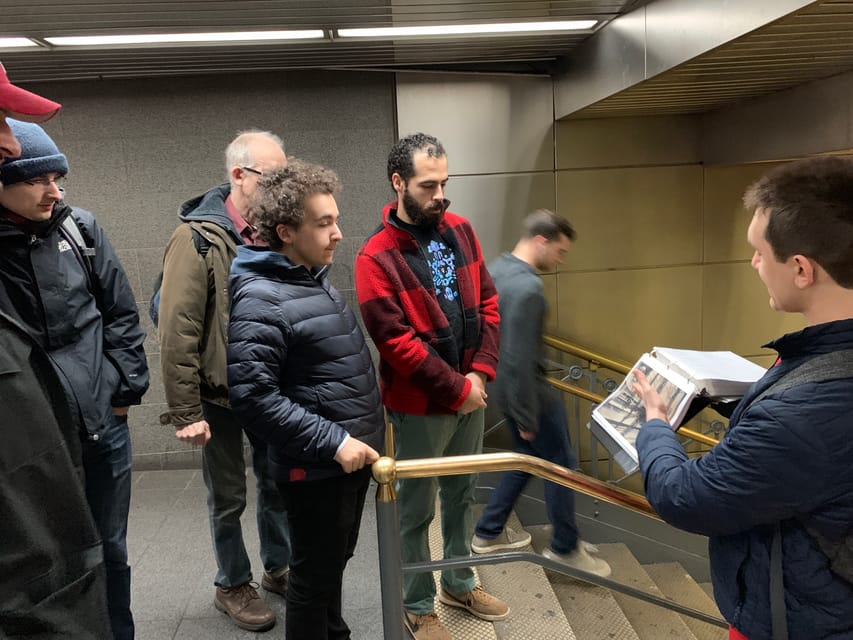
Now for the other half of the story: Grand Central Terminal. If Penn is about reinvention under pressure, Grand Central is about layered design that rewards patience.
Rayn guides you to stops most visitors miss or barely notice, including:
- a secret bar
- glass walkways
- a hidden tennis court
- an old theater
- whispering walls
- underground entrances
Here’s what makes these details valuable: they show you that Grand Central wasn’t designed only as a rail machine. It was designed as a high-status civic interior—one that tries to manage crowds while also creating memorable micro-experiences.
The hidden tennis court is a perfect example. It turns the terminal into something stranger and more human than you expected. The whispering walls work as a lesson in design tricks: even in a transportation hub, acoustics can be part of the show.
And the glass walkways plus underground entrances help you read the building as a system of levels and circulation routes. Grand Central stops being a single room and becomes a network of connected spaces.






How Rayn’s urban planning lens changes what you see
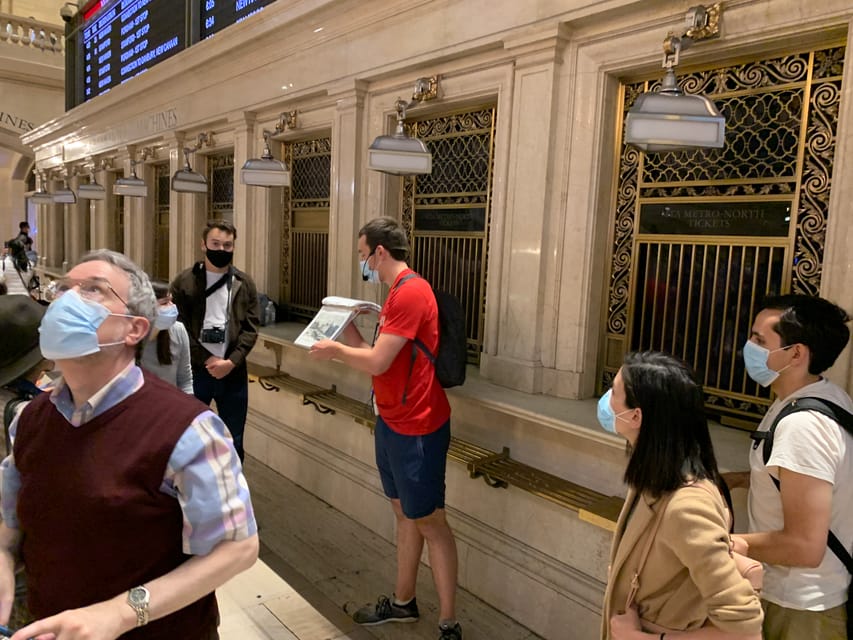
Rayn is an accredited urban planner, and it shows in the way he connects design choices to real-world outcomes. He explains the stations not just as landmarks, but as infrastructure that has to do hard jobs: move huge volumes of people, handle transfers, and evolve without shutting down the city.
You’ll also hear lots of historical and design context. The vibe is informed but not heavy. It’s the kind of explanation that keeps you engaged while you walk, rather than forcing you to sit through a lecture.
I also appreciate how interactive it can be. The tour is set up so questions make sense, and you’re not stuck guessing what to ask. The ear pieces help a lot here; you’re closer to the guide than you’d be on a typical group walk.
If you enjoy technology, you’ll probably love the way Rayn connects the metro’s mechanics to what you experience as a rider. If you’re into politics and city planning, you’ll probably like the “why this system behaves this way” angle, too.
Tour length, walking reality, and when to go
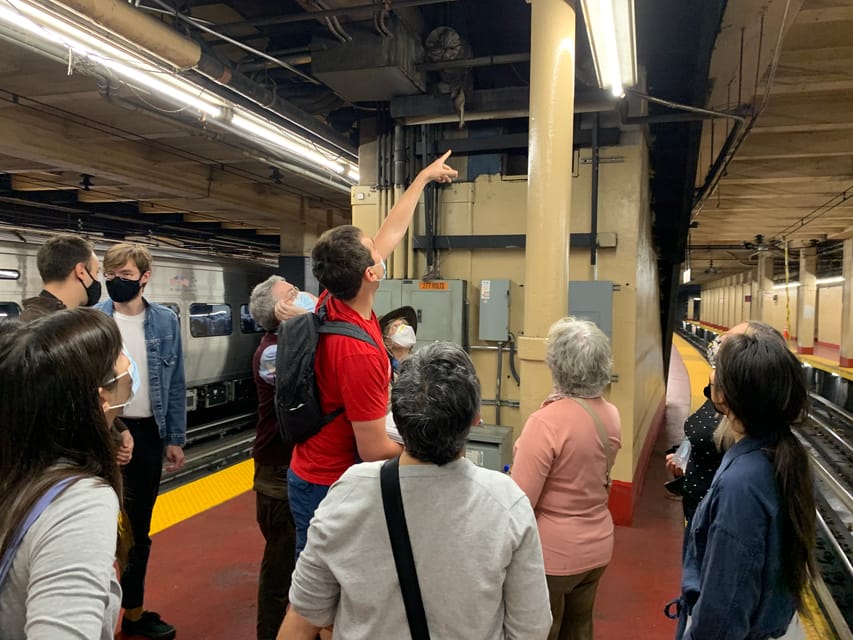
Duration runs from 1.5 to 2.5 hours depending on the starting time you book. That range matters because you’ll cover a lot of ground inside two big stations plus a subway ride.
Here’s the practical truth: this tour involves walking up and down steps and moving through underground environments. It’s not a stroller-friendly stroll, and it’s not ideal for anyone with mobility impairments. If you’re able-bodied but you hate steep stairs, choose your shoes like you’re going to be on your feet all day.
The good news is the tour stays in public areas. You won’t be waiting around outside for restricted access. You’ll just keep moving through station spaces and taking in details you can actually see without special entry.
Route can vary slightly based on the Metropolitan Transportation Authority’s weekend schedule. That means you should expect minor changes day to day, but the core idea stays intact: compare stations, find hidden features, and understand transit operations.
Price and value: $200 per group up to 15, with subway fare covered
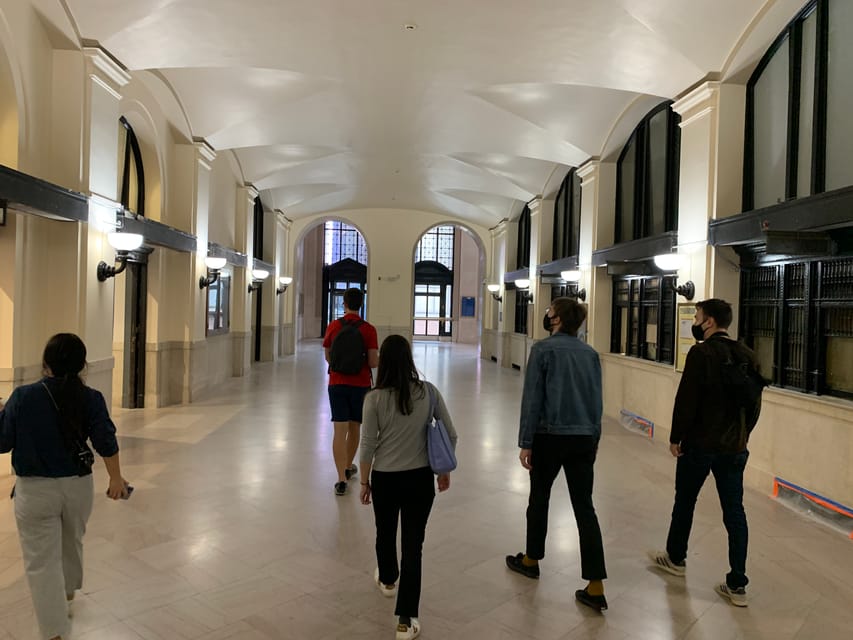
The price is $200 per group (up to 15 people). That can look like a lot at first glance, but it’s worth thinking of it as a private, guide-led experience where the guide’s time and expertise are the main cost.
You also get value “on logistics,” not just on inspiration:
- subway fare during the tour is included
- ear pieces are provided so everyone can hear clearly
- it’s a private group format, so the pace and questions can stay more personal
For couples or small groups, the cost-per-person can feel reasonable because you’re not paying for a giant crowd experience. For bigger groups up to 15, the pricing model becomes even more efficient since it scales by group size rather than by person.
Time-wise, 1.5 to 2.5 hours is long enough to feel like you saw two stations deeply, not just in passing. It’s also short enough to fit into a “big-city hits” day without exhausting yourself beyond reason—assuming you’re okay with stairs.
Who should book this Penn Station and Grand Central tour
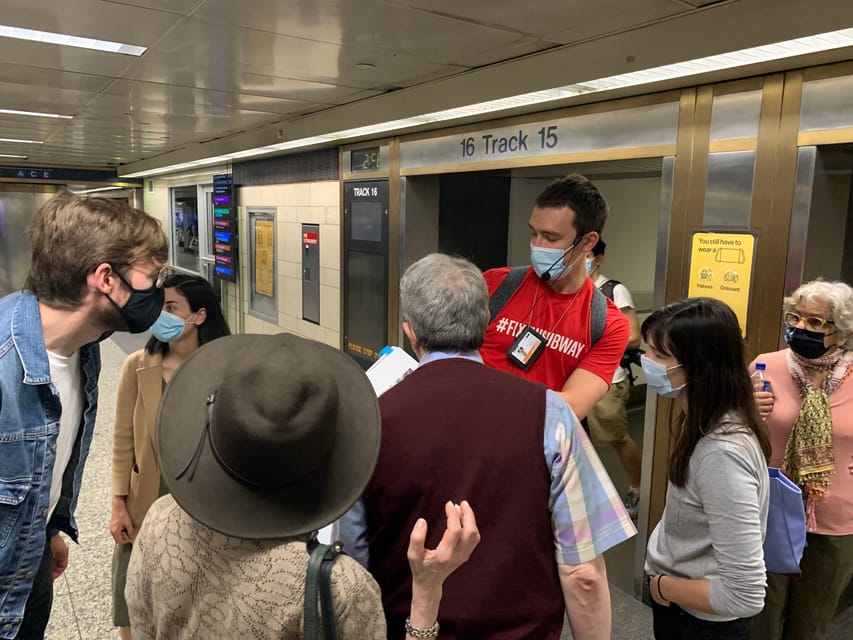
This is a great fit if you:
- love transit, architecture, and how cities function
- enjoy history, but prefer it tied to what you’re standing next to
- like technical explanations, especially around metro operations and station devices
- want more than the usual sightseeing checklist
It’s also a smart choice for engineers, planners, and design-minded travelers. Rayn brings that analytical urban planning perspective, and the tour structure supports questions—so it feels satisfying even if you’re the type who wants to know how things work.
If you hate walking, hate stairs, or need a mobility-friendly route, skip this one. The tour is clearly not positioned for that.
Should you book? My honest recommendation
Book this if you want to turn two iconic New York terminals into a real story you can navigate with your eyes. You’ll get both spectacle and explanation: hidden Grand Central features, a comparative look at Penn Station’s vanished 1910 grandeur, a subway ride that connects the two hubs, and a guide who can talk about transit technology and how the network operates.
Skip it if your ideal NYC day is mostly flat, mostly outside, and mostly quiet. This experience is active, partly underground, and designed for people who enjoy moving through stations rather than just standing in front of them.
If you’re on the fence, ask yourself one question: do you like understanding the city’s systems, not only photographing its surfaces? If yes, this tour is a strong bet.
FAQ
How long is the private tour?
The duration is listed as 1.5 to 2.5 hours. Exact starting times depend on availability.
What does the price include for the group?
It’s $200 per group up to 15 people, and it includes a licensed NYC tour guide plus subway fare during the tour. Ear pieces are also provided.
Is this a private tour?
Yes. The experience is a private group tour with a live guide speaking English.
Does the tour include a subway ride?
Yes. The tour includes an iconic subway ride between Penn Station and Grand Central Terminal.
Are we allowed into restricted areas?
No. The tour only visits public areas.
Where does the tour start and end?
The meeting point may vary depending on the option booked, and the activity ends back at the meeting point.
Is the tour accessible for people with mobility impairments?
No. It is not suitable for people with mobility impairments due to the walking, underground environment, and steps.
What should I bring?
Bring comfortable shoes, a camera, and water.
How much walking and stairs should I expect?
You should expect walking up and down steps, and time spent in underground environments. Planning for comfortable shoes will make the experience much easier.