REVIEW · NEW YORK CITY
NYC | French guided tour Southern Manhattan
Book on GetYourGuide →Operated by New York Off Road · Bookable on GetYourGuide
Lower Manhattan has a way of surprising you. This French-guided walking tour through southern Manhattan is built for clear street-level storytelling, and I love the small-group feel that makes it easier to ask questions and actually hear what matters. You also get a local guide who steers you toward places most people miss. One consideration: it runs rain or shine, so you’ll want comfortable shoes and a weather plan.
You’ll connect the dots between early European settlement, the rise of international finance, and the neighborhood’s big reset moments: the Wall Street crash, 9/11, and Hurricane Sandy. Expect a focused loop that hits Stone Street, Wall Street, the South Street Sea Port and riverfront areas, then finishes around the World Trade Center area back at the meeting spot near 787 coffee.
In This Review
- Key things to know before you go
- Lower Manhattan’s story, told street-by-street
- Your opening steps: Stone Street and the city’s early backbone
- Wall Street with a role-play mindset: follow the money
- Crossing the shift: from South Street Sea Port to the repaired riverfront
- World Trade Center: remembrance plus the new skyline
- Price and value: what $79 buys you in real terms
- Who this Southern Manhattan French walk suits best
- How to get the most out of it (without overthinking)
- Should you book this tour?
- FAQ
- What is the duration of the tour?
- What language is the guide?
- How big is the group?
- Where does the tour start and end?
- Does the tour run in bad weather?
- Is food included?
- Is gratuity included in the price?
- Is the tour wheelchair accessible?
Key things to know before you go
- Up to 10 people means you’re not swallowed by a huge crowd on narrow sidewalks
- French live guide keeps the pace lively and the explanations practical
- Stone Street to Wall Street gives you the full money-and-history timeline in one walk
- South Street Sea Port and the riverfront recovery show how the waterfront changed after Hurricane Sandy
- 11/09 Memorial area plus new landmarks connects remembrance with rebuilding
- You’ll receive group photos by email and a list of best addresses in each area
Lower Manhattan’s story, told street-by-street
This tour is at its best when you treat Lower Manhattan like one continuous lesson. You don’t just “see sights,” you follow the logic of the neighborhood: where people first gathered, how commerce took over, and how the place kept transforming after shocks.
What makes it feel real is the rhythm. You’ll move from early architectural landmarks to the financial district, then out toward the river, and finally into the World Trade Center campus. Along the way, your guide ties each location to why it changed and what stayed.
I also like that the tour stays compact and conversational. With a group capped at 10, questions land easily, and you get more than a script. If your guide is someone like Samuel, the vibe can be especially good—he was noted for leading people off the beaten path rather than just reciting famous plaques.
You can also read our reviews of more guided tours in New York City



Your opening steps: Stone Street and the city’s early backbone
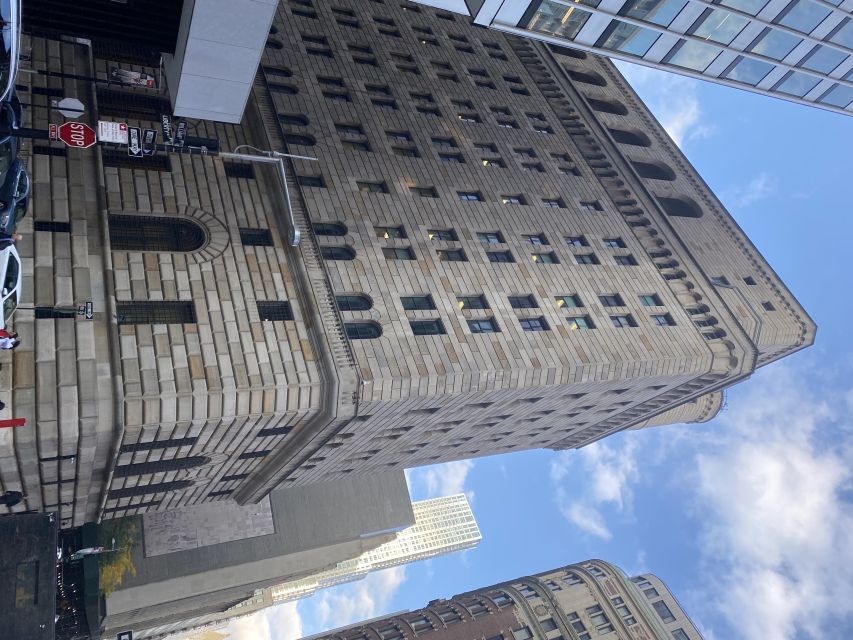
You start by crossing Stone Street, one of New York’s older streets, and right away you get a sense of how layered this area is. Stone Street helps set the tone: this is not a generic “downtown” walk, it’s about older structures and older street patterns.
From there, you’ll admire some of the first major skyscraper-era landmarks in this zone, including the Woolworth Building. It’s a great early stop because it mixes the idea of ambition with the reality of where business began. Then you’ll head toward the Civic Center area and see the Court and City Hall—buildings that signal civic power as much as corporate power.
As you continue, the tour shifts from big names to the surrounding streets. That matters, because the point isn’t only what’s famous—it’s how the original buildings still shape what you notice next. It’s the difference between sightseeing and getting your bearings fast.
Practical note: this part moves at walking speed. If you’re the type who likes to pause for photos every few steps, save it for the landmarks—otherwise the flow gets interrupted.
Wall Street with a role-play mindset: follow the money
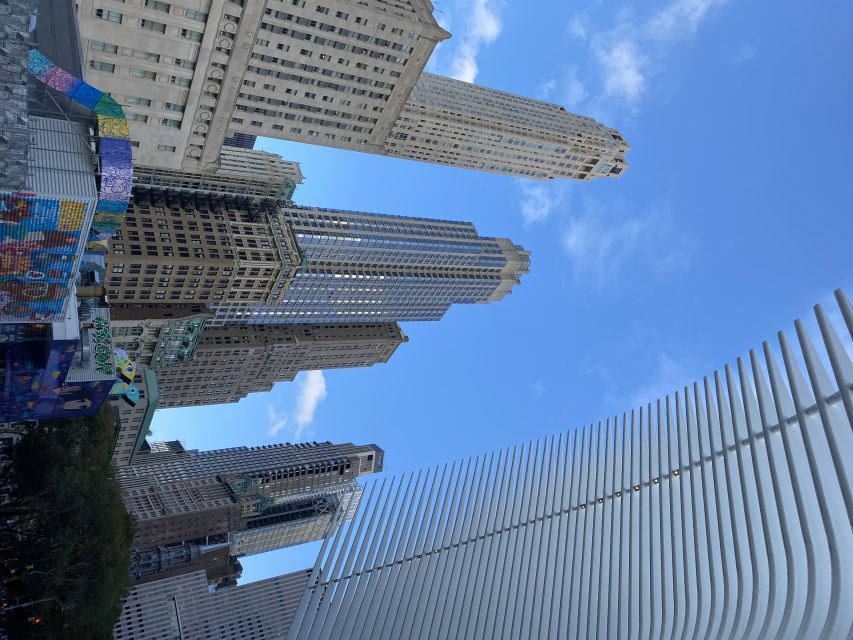
Then you move into Wall Street, the symbolic heart of global finance. The tour encourages you to pretend you’re a trader for a few hours—not in a silly way, but as a mental lens. That’s useful because it changes what you pay attention to: you start noticing how institutions cluster and how the New York Stock Exchange fits into the larger scene.
You’ll pass the structures that represent investment banking and finance power, so even if you don’t know every term, the geography becomes clearer. You’ll understand why this area became the economic “beating heart” rather than just a place with impressive addresses.
One good way to get value here is to listen for the connections your guide makes between past and present. Lower Manhattan isn’t static; it keeps reinventing itself. The guide’s framing helps you see Wall Street as a continuing story, not a single moment.
If you’re worried the financial district will feel repetitive, don’t. The way this walk is laid out keeps it moving: you’re not stuck staring at one bank façade. You’re building context stop by stop.
Crossing the shift: from South Street Sea Port to the repaired riverfront
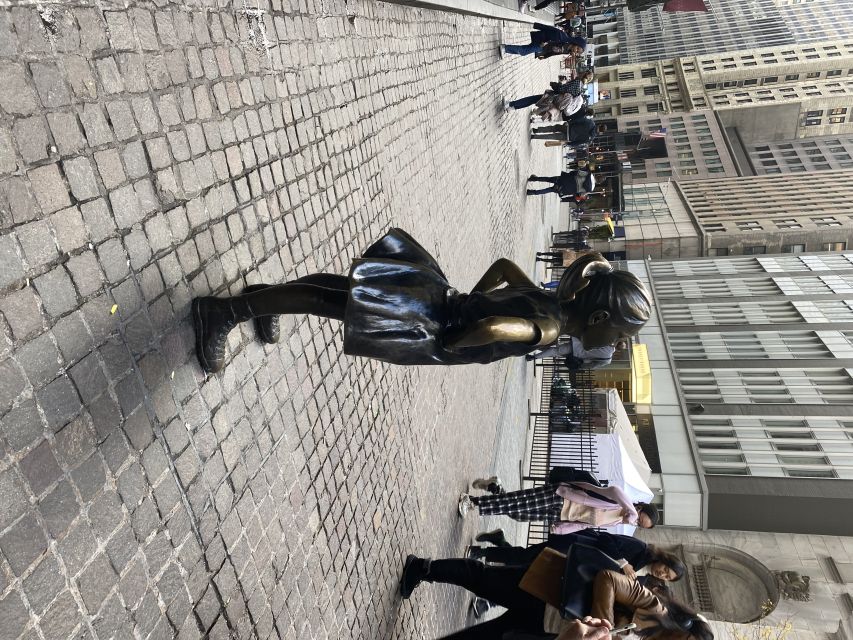
After Wall Street, you head toward the waterfront areas. This is where the tour breathes. Instead of pure finance architecture, you get the feeling of New York as a working port city, and then you see how nature and disaster changed the landscape.
A key moment here is the South Street Sea Port area and its redevelopment following Hurricane Sandy in October 2012. Your guide explains how New York recovered its river banks along the East River, and how the South Street Sea Port renovation fit into that larger comeback.
Then you continue with the story stretching west along the Hudson River toward redevelopment at Brookfield Place. It’s a smart sequence because it shows continuity: you’re not just looking at one rebuilt block. You’re seeing the same theme repeated across the river—how public spaces were reworked and made usable again after major damage.
This section is also helpful if you’re the kind of traveler who wants more than “look, water.” You’ll get the why behind the changes, which makes it easier to read what you see instead of guessing.
World Trade Center: remembrance plus the new skyline
The final section is the World Trade Center area, and it’s handled with a mix of remembrance and renewal. You’ll see how both ideas show up in the spaces and the architecture around the 11/09 memorial area.
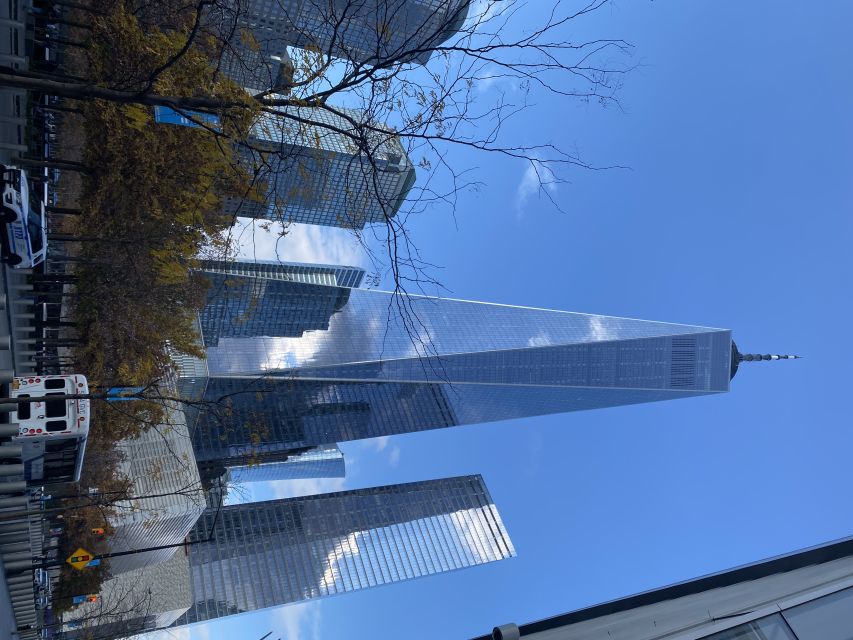
The tour points out major landmarks in the rebuilt campus, including One World Trade Center, described as the highest tower in New York. You’ll also come across the Oculus and Saint Paul’s Chapel. Together, they give you a quick map of the area’s identity: civic reflection, modern infrastructure, and religious community spaces in the same walkable zone.
This part matters because it changes the tone of the tour. Earlier stops are about commerce and construction. Here, the guide connects the neighborhood’s reinvention to the human cost and the rebuilding that followed the September 11 attacks.
Even if you’re visiting for a short time, this final stretch is a strong way to avoid the common problem: seeing the famous structures without understanding how the story fits together.




Price and value: what $79 buys you in real terms
At $79 per person for about 3.5 hours, you’re paying for more than a walk. You’re buying a guide who can connect places quickly, in French, for a small group of up to 10. That format matters in New York, where self-guided wandering can turn into a lot of dead ends.
Here’s what you’re getting that improves your trip:
- A local guide who keeps the story moving and points out what’s worth noticing
- Group photos sent by email, which is surprisingly handy when you’re traveling with friends or want cleaner shots without phone-holding
- A list of best addresses in each neighborhood, which can help you plan where to eat or browse after the tour
- A route that links major points: Stone Street → Wall Street → riverfront redevelopment → World Trade Center area
Food and drinks aren’t included, but that’s not a bad trade-off. You can buy what you want when you want it, based on your own pace and dietary needs.
Also, gratuity isn’t included, and the suggested range is $5 to $10 per person. If you care about fair pay for guides, plan to have cash or card ready.
Who this Southern Manhattan French walk suits best
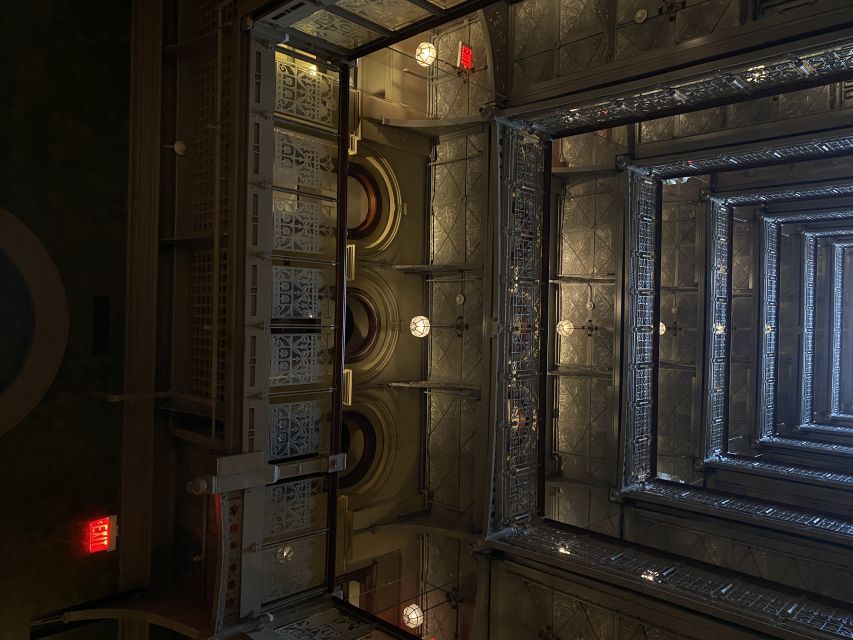
This tour is a good match if you want a structured Lower Manhattan experience without joining a big, noisy group. The small size makes it easier to hear explanations and stay engaged.
It’s especially useful for:
- First-timers who need context fast, including European immigrant roots and how the finance district grew
- Travelers who like walking tours but want more than “famous building, next!”
- People who prefer guides who handle both the impressive architecture and the serious history respectfully
It may feel less ideal if you dislike walking in the rain. The tour takes place rain or shine, so your best move is to dress for weather, not for photos.
How to get the most out of it (without overthinking)
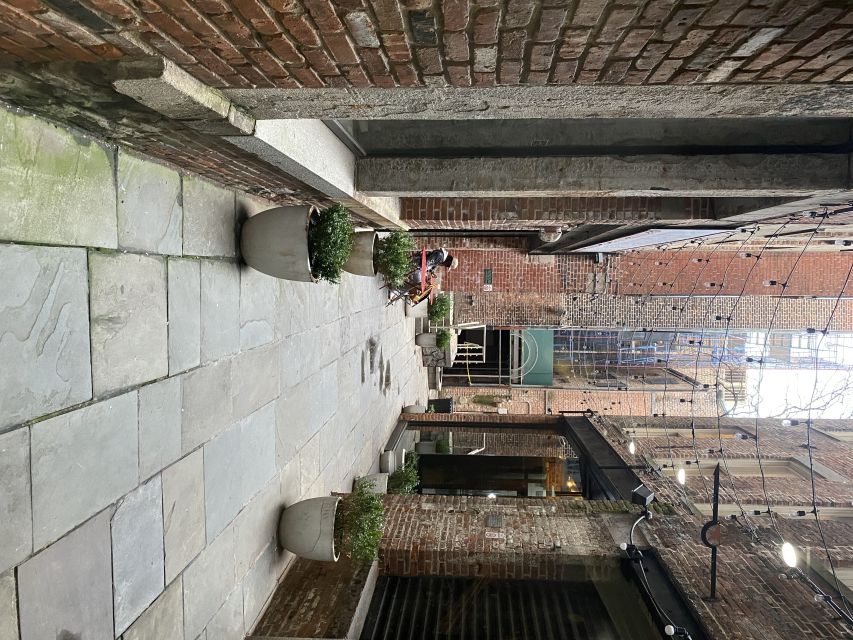
Bring comfortable shoes—you’ll be on foot for about 3.5 hours. For clothing, dress for the weather because the tour doesn’t pause for clouds or drizzle.
If you want to maximize learning, do this simple trick: pick one theme and listen for it all day. For example, you can focus on how New York recovered after major shocks (Wall Street crash, 9/11, Hurricane Sandy). When you follow one thread, everything else clicks faster.
Finally, keep a small note on your phone after the tour. Since you’ll get group photos and a list of best addresses, you’ll be able to turn the tour into real next steps—food, shopping, and a few extra stops that fit your style.
Should you book this tour?
Yes, if you want a compact Lower Manhattan overview with a French-speaking local guide and a route that connects the neighborhood’s big chapters—finance, waterfront change, and World Trade Center rebuilding—without wasting time.
Book it when:
- You want structure and clarity in a few hours
- You prefer small-group pacing
- You’d benefit from practical guidance like best addresses afterward
Skip or consider alternatives if:
- You hate rain-or-shine walking
- You already know the Lower Manhattan story and you’re mostly hunting for a purely visual, flexible wandering day
If your schedule fits, this is a smart way to understand Southern Manhattan beyond the headline landmarks.
FAQ
What is the duration of the tour?
The tour lasts about 3.5 hours.
What language is the guide?
The live tour guide speaks French.
How big is the group?
The walking tour is limited to a small group of up to 10 participants.
Where does the tour start and end?
It starts at the café 787 coffee. It ends back at the meeting point.
Does the tour run in bad weather?
Yes, the tour takes place rain or shine.
Is food included?
No. Food and drinks are available for purchase.
Is gratuity included in the price?
Gratuity is not included. The suggested gratuity is between $5 and $10 per person.
Is the tour wheelchair accessible?
The tour is wheelchair accessible with a circuit adapted for wheelchair users.