REVIEW · NEW YORK CITY
NYC: Metropolitan Museum: “Secrets of the MET” Experience
Book on GetYourGuide →Operated by Shine Tours · Bookable on GetYourGuide
Secrets of the MET is a fast ticket to art that feels personal. In 150 minutes, you get a guided pass through major galleries plus “how did they make that” moments that cut the overwhelm. I especially like the way it spotlights The Temple of Dendur and then pivots into American and European masterpieces without wasting your time.
Two standouts for me are meeting Madame X in the American Wing (the tour leans into why she’s nicknamed the American Mona Lisa) and hearing the story behind the works people only recognize by face. And guides like Ryan keep it upbeat and attentive, with practical help for everyone in the group.
The main drawback to plan for is that the MET is enormous, so this is not a museum-by-museum deep dive. You’ll see a lot, but you won’t linger long in any one room, and you’ll want to travel light because no large bags are allowed.
Key moments I’d pencil in
- Temple of Dendur in the Egyptian wing, with a story built for first-time visitors
- Madame X plus the American Wing context that makes the nickname click
- The tour’s “big art + specific details” mix, from instruments to armor
- A strong European painting sweep, including famous names and one very expensive acquisition story
- A clear landing in Greek and Roman sculpture to finish with scale and drama
- Extra touches like chocolate prizes and a souvenir gift
In This Review
- Why This 2.5-Hour MET Tour Works in a Museum This Big
- Meeting in the Great Hall: The Pharaoh Photo Stop That Sets the Tone
- Ancient Egypt at the Temple of Dendur
- The American Wing: Madame X and the Washington Crossing Story
- Musical Instruments, and Why a Piano Moment Can Be a Big Deal
- Arms and Armor: Knight Energy Without the Museum Headache
- Medieval Collection: The Holy Grail Belief You Can Actually Follow
- European Paintings and the Art of Noticing What Matters
- 19th and 20th Century Paintings: Picasso Through Impressionists
- Greek and Roman Finale: Big Sculpture to Finish Strong
- Photo Opportunities, Chocolate Prizes, and Basic Etiquette
- Price Check: What $59 Buys at the MET
- Who Should Book This MET Tour
- Should You Book Secrets of the MET?
- FAQ
- How long is the Secrets of the MET experience?
- How much does it cost?
- Where do I meet the guide?
- What’s included with the tour price?
- Is the ticket line skipped?
- Are there restrictions on what I can bring or do during the tour?
- Is the tour wheelchair accessible?
Why This 2.5-Hour MET Tour Works in a Museum This Big
The MET can feel like you walked into a whole world. It’s about 2 million square feet, split across 18 curatorial departments, covering roughly 5,000 years of human creativity. On your own, that can turn into decision fatigue fast: you arrive excited, then start zigzagging, then end up tired and disappointed you didn’t “do it all.”
This tour is designed to solve that problem with a tight route and strong storytelling. You’re not just being shown famous art. You’re taught how to look at it. That matters at the MET, where a lot of visitors accidentally speed through the parts that actually explain why a piece matters.
I like the balance here: the tour hits huge-name masterpieces (Picasso, Monet, Van Gogh, and more), but it also includes smaller “you might not notice this” moments. That combination is what turns a normal museum visit into something you remember on the subway ride home.
Meeting in the Great Hall: The Pharaoh Photo Stop That Sets the Tone
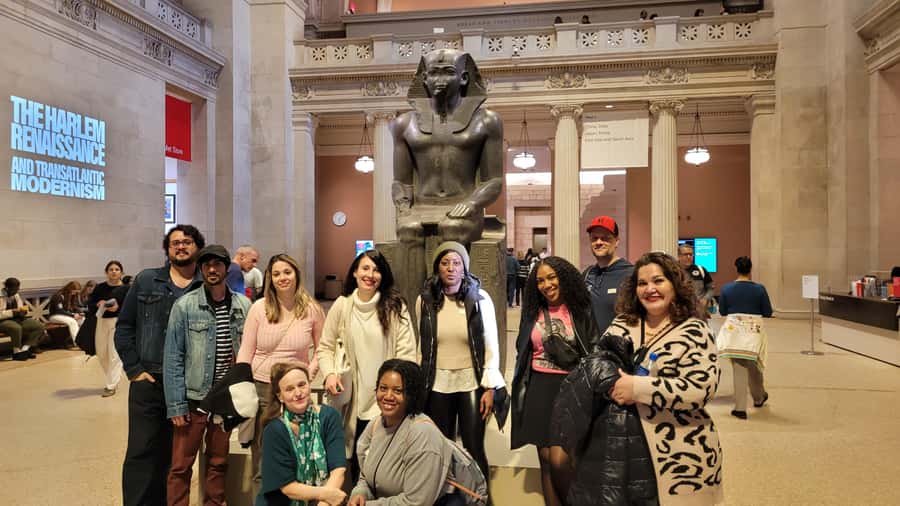
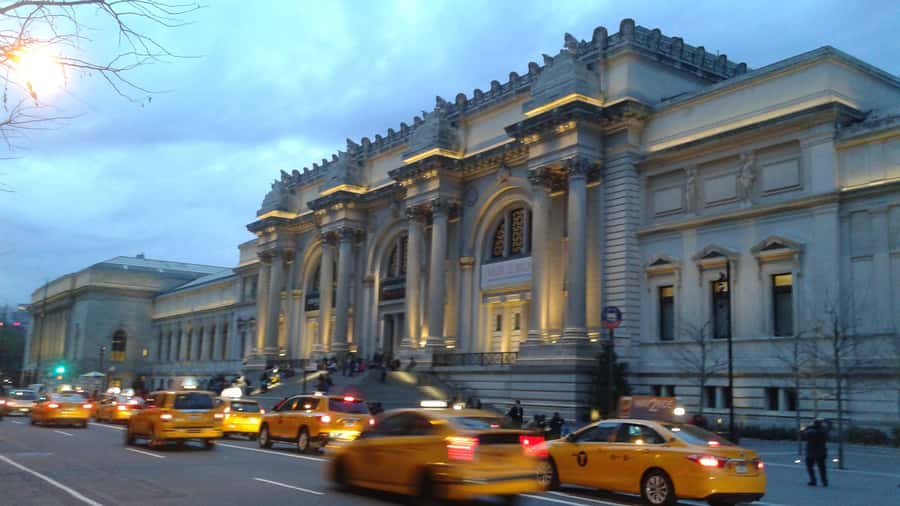
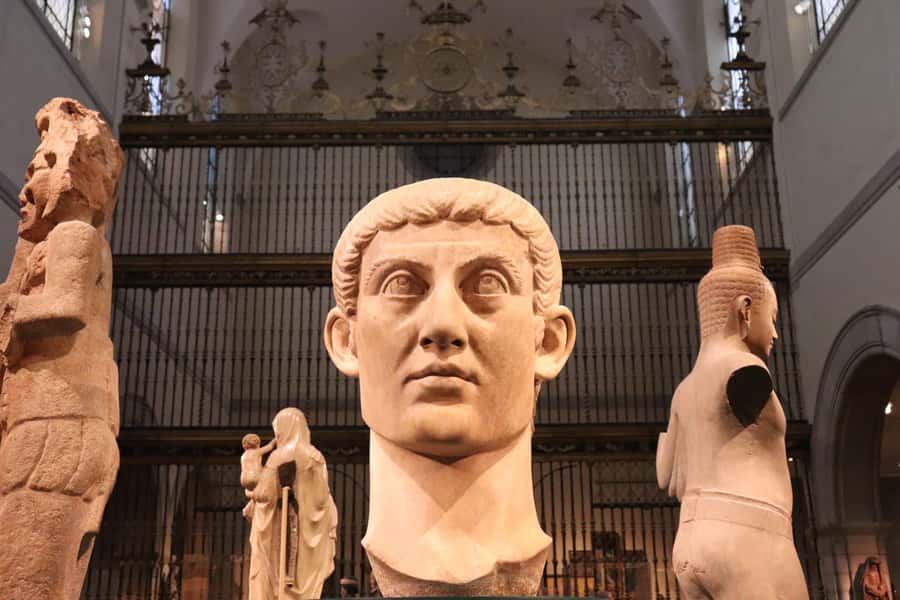
You start inside the Great Hall at East 82nd Street and 5th Avenue. The meeting point is easy to find: go up the iconic steps, enter the museum, then head to the right. You’ll see a colossal statue of a Pharaoh, and that’s your anchor.
There’s a short photo stop right there, about 5 minutes. It sounds minor, but it’s smart. You get oriented immediately, you get your bearings fast, and you’re ready to move into the Egyptian wing with context instead of confusion.
You can also read our reviews of more museum experiences in New York City



Ancient Egypt at the Temple of Dendur
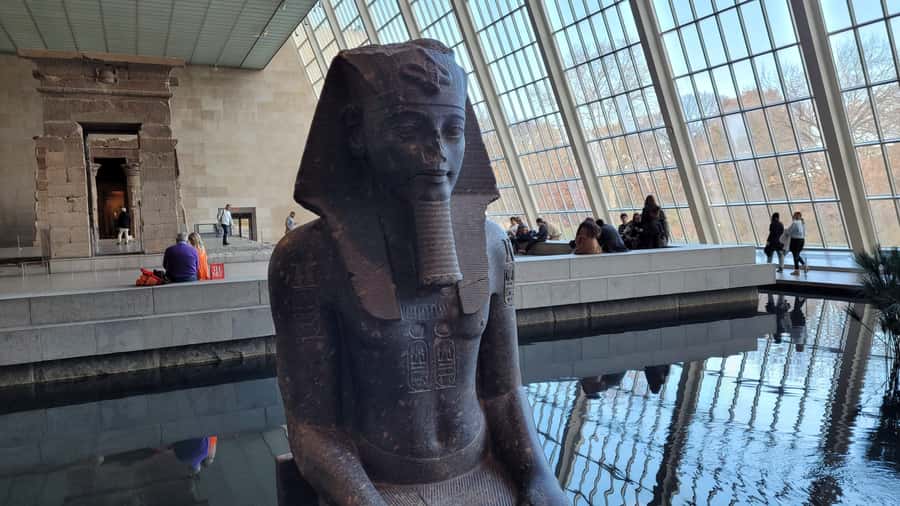
The tour’s Egyptian section is built around atmosphere and scale. You’ll see mummies and royal treasures, but the highlight is the Temple of Dendur—the only one of its kind in the Western Hemisphere.
What I like about this stop is the way it’s framed as more than decoration. It’s a real architectural piece, moved and preserved so modern visitors can experience the “weight” of the monument. Even if you don’t have a background in Egypt, you’ll get enough explanation to spot what to pay attention to: proportions, materials, and what makes the setting feel different from the rest of the museum.
Also, because you’re on a timed route, you don’t end up stuck staring at one display for 45 minutes while the rest of the museum slips away. This section gives you the Egypt story without swallowing the whole trip.
The American Wing: Madame X and the Washington Crossing Story
Next comes the American Wing, where the tour really earns its nickname of Secrets of the MET. You get the backstory of Washington Crossing the Delaware, and it’s pointed out as the largest painting on canvas at the MET. Knowing that fact changes how you experience it. You’re not just seeing a famous scene; you’re seeing a massive object built to command attention.
Then you meet Madame X, often called the American Mona Lisa. The tour encourages you to strike a pose, which sounds silly until you realize it helps you understand the portrait’s attitude. That simple interaction turns viewing into participation, and participation turns into memory.
This is also where the guide’s style matters. In the group feedback, Ryan comes up as attentive and warm, and that fits the American Wing well. These works can feel intimidating if you’re trying to decode art history alone. A good guide gives you handles to hold onto.
Musical Instruments, and Why a Piano Moment Can Be a Big Deal
One of the most unexpectedly fun parts of this tour is the musical instruments stop. The MET’s collection spans 4,000 years and nearly every culture on earth, and this section gives you a sample without turning it into a lecture.
You’ll look for the world’s oldest surviving piano. If you’re lucky, you’ll even hear how it sounds. That’s the kind of moment that turns a “look-only” experience into something sensory. And it’s a smart inclusion for a guided tour because instruments naturally break the rhythm of paintings and sculpture.
Even if you don’t care about music history, this stop works as a reset. You’re reminded that art isn’t only visual. It’s functional, personal, and meant to be experienced.
Arms and Armor: Knight Energy Without the Museum Headache
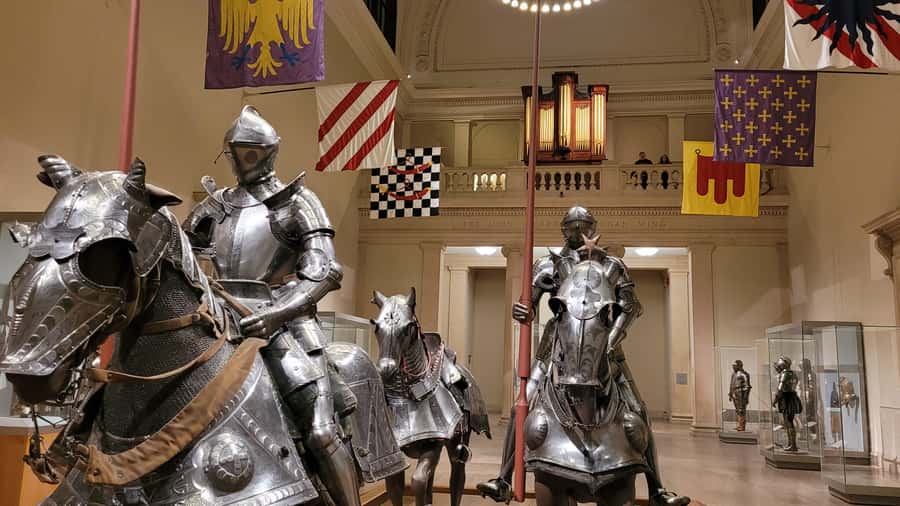
The Arms and Armor gallery is one of the MET’s most popular areas for a reason. This tour helps you see it quickly and intelligently: you’ll look for famous and curious suits of armor that can range from sleek and ceremonial to downright intimidating.
What I like is that the tour doesn’t treat the armor as just costume. You get enough context to notice how craftsmanship communicates power, identity, and purpose. If you’ve ever thought armor looks cool but wondered why it mattered, this is the section that answers that.





Medieval Collection: The Holy Grail Belief You Can Actually Follow
The medieval stop includes a chalice that was once believed to be The Holy Grail. That’s a hook, sure. But the better value is that it gives you a concrete starting point for understanding medieval collecting and storytelling—how objects accumulate legend as they move through time.
This is also a helpful pacing moment. Medieval art can feel heavy and abstract if you’re not sure what you’re looking for. A guide turns “I don’t get it” into “I see the point,” which is exactly what you need when you only have 150 minutes.
European Paintings and the Art of Noticing What Matters
When the tour moves into European paintings, it becomes a greatest-hits route with guidance for how to look at them.
You’ll see major artists such as Goya, El Greco, Caravaggio, Rembrandt, Vermeer, Raphael, and more. That list alone is enough to make many people happy. The real benefit is that you’re not just reading names. You’re learning how the works are connected to technique, subject choice, and the era’s way of representing people and space.
One standout detail is the mention of a tiny painting from 1290 CE, described as the most expensive the MET has ever purchased (as of the tour’s framing). That kind of information changes your mindset instantly. You stop treating “small” as “minor.” You start looking for what the artist packed into the limited space.
19th and 20th Century Paintings: Picasso Through Impressionists
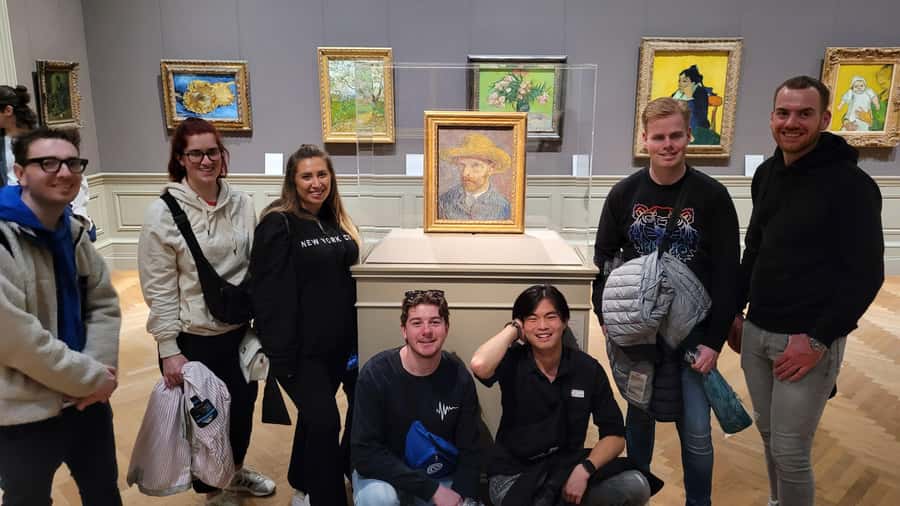
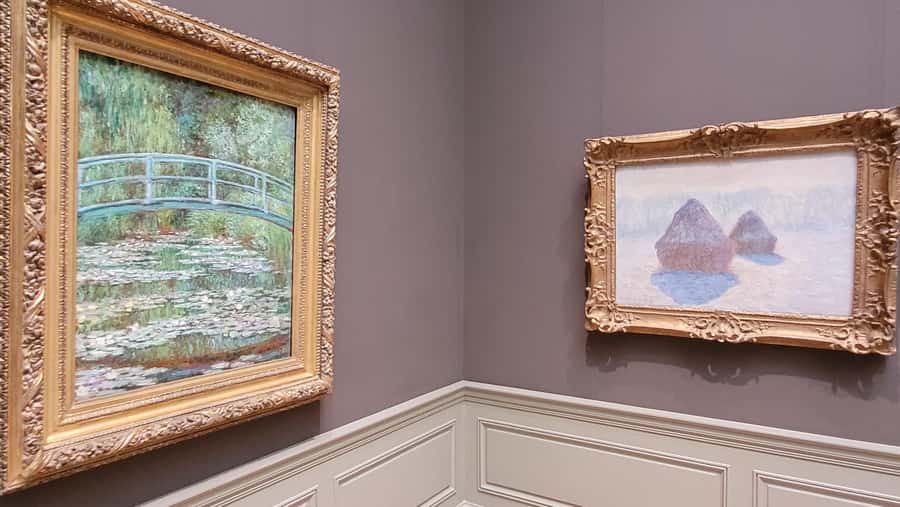
The tour continues into the 19th and 20th century sweep, moving from modern artists like Dalí, Pollock, and Picasso to Impressionists such as Degas, Monet, and Van Gogh.
This is a great section because it shows you how fast the language of painting changes. The guide’s storytelling helps you notice shifts in brushwork, mood, and subject matter. You’ll come away with a better sense of why these artists are grouped the way they are, and you’ll likely recognize more details on your own during the remainder of the museum visit.
It also helps that the tour doesn’t get stuck in one style. The museum’s collection can make you feel like art history is one long blur. A tour route with clear transitions keeps it understandable.
Greek and Roman Finale: Big Sculpture to Finish Strong
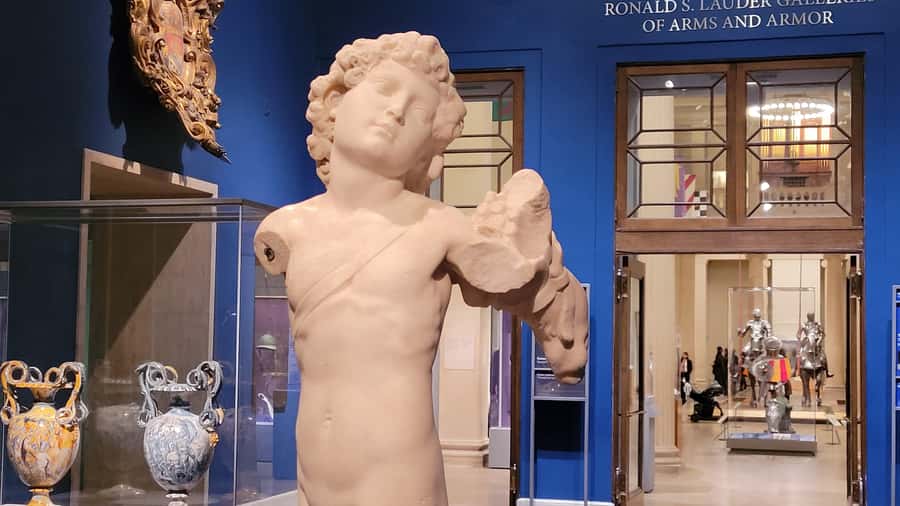
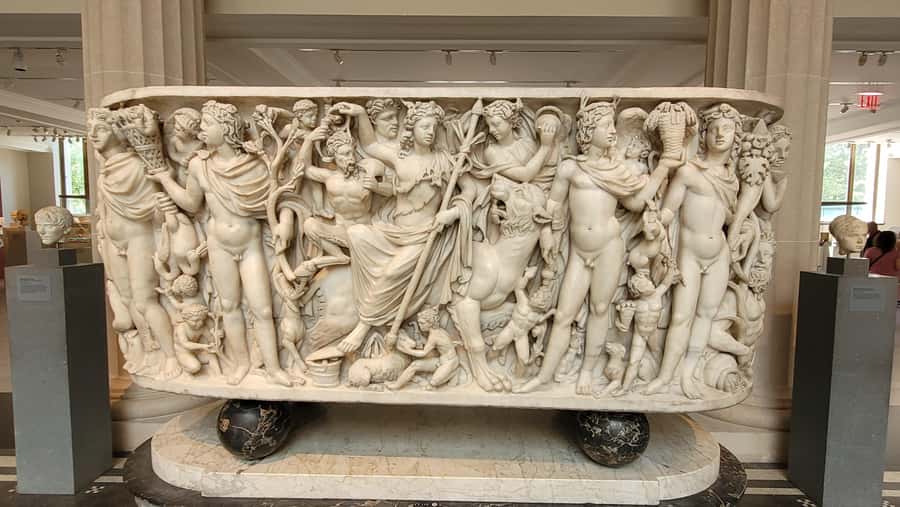
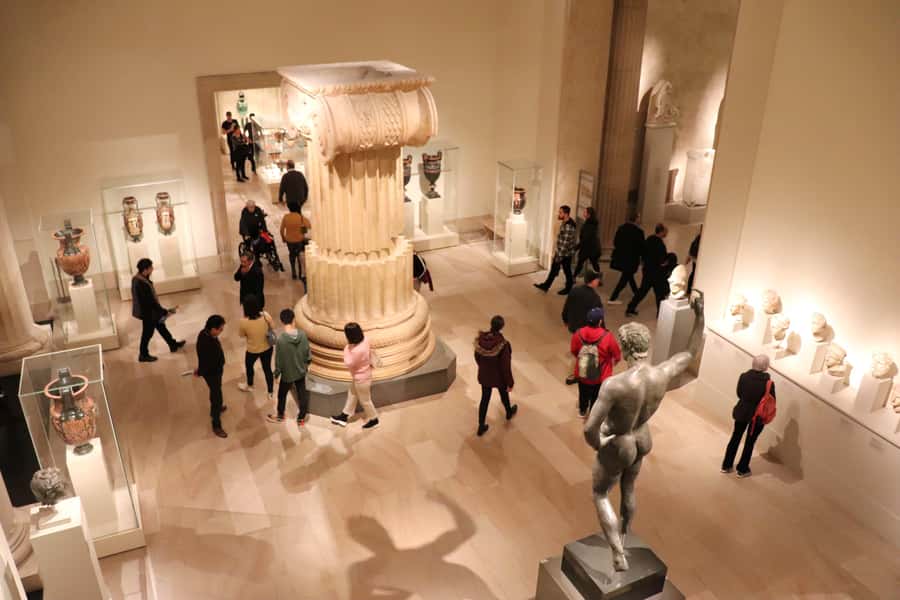
You end in the Greek and Roman art collection, where scale takes over. The tour calls out several major works, including the Dionysus sarcophagus, a nine-foot tall Hercules, and Roman frescoes said to have survived from antiquity.
This is a smart way to finish because sculpture and sarcophagi force you to look from different angles. By the time you reach this part of the tour, you’ve already built a habit: slow down, look for technique, then connect the object to a story. The final galleries give you the biggest payoff visually and emotionally.
It’s also a natural moment to keep walking on your own afterward. If you like what you see, you can stay in the Greek and Roman rooms and linger. If you don’t, you’ve at least left with a strong impression of the MET’s core strengths.
Photo Opportunities, Chocolate Prizes, and Basic Etiquette
This is a guided tour with many photo opportunities, and the guide is described as a skilled photographer. In a museum where people block views or take photos too close, that guidance matters. You get practical framing tips without turning the tour into a photo contest.
There are also chocolate prizes and a souvenir gift. Reviews highlight friendly, thoughtful gestures like handing out NY stickers and small art cards at the end. That kind of extra makes the experience feel polished, not transactional.
Practical note: you’ll want to follow the MET rules for the day. The tour doesn’t allow food, and flash photography is not allowed. Large bags and luggage aren’t allowed either. Plan to carry only what you need, and you’ll have a smoother time moving between rooms.
Price Check: What $59 Buys at the MET
At $59 per person for about 150 minutes, the value isn’t just the guide—it’s the bundle. Your ticket includes entry to the MET plus a live English-speaking guide. Skip-the-line access is included, which can save time you’d rather spend looking at art.
Then there are the extras that don’t sound essential until you’re actually there: photo-friendly pacing, chocolate prizes, and a souvenir gift. Those things are small, but they add up to a more complete experience.
If your goal is to reduce guesswork and focus on the “main threads” of the MET, this pricing makes sense. If your goal is to wander slowly and see only a few favorites at your own pace, you might prefer a lighter plan without a strict route.
Who Should Book This MET Tour
This works best if you:
- Feel overwhelmed by the MET size and want a structured plan
- Want a guided route that includes major works and meaningful context
- Like the idea of a tour that moves efficiently while still highlighting details
- Prefer art-focused guidance without getting sidetracked
It may be less ideal if you:
- Want to spend a full day in one or two galleries
- Don’t like moving at a guided pace
- Need lots of time in places where the tour schedule won’t linger
One nice plus from the guide style described in feedback: Ryan is attentive, and the tour keeps the focus on art rather than personal commentary about politics or religion. That keeps the vibe simple and comfortable for mixed groups.
Should You Book Secrets of the MET?
If you’re doing the MET as part of a short NYC trip, I’d book it. It’s a smart way to see a lot of ground in about 2.5 hours, with major highlights like the Temple of Dendur and Madame X, plus a full sweep through painting, sculpture, and decorative arts.
If you’ve got only a single museum window and you want to leave feeling like you understood what you saw, this is the kind of tour that makes that happen. If you already plan to spend most of the day roaming freely, you could still use this as a kickoff route, then return later to the rooms you liked most.
For $59, you’re paying for direction, context, and time saved. In a museum that huge, that’s often the difference between a “we went” visit and a “we got it” visit.
FAQ
How long is the Secrets of the MET experience?
It runs for 150 minutes, or about 2.5 hours.
How much does it cost?
The price is $59 per person.
Where do I meet the guide?
Meet inside the Great Hall of the Metropolitan Museum of Art at East 82nd Street and 5th Avenue. Go up the iconic steps, enter the museum, go to the right, and look for the colossal Pharaoh statue where your guide will meet you.
What’s included with the tour price?
Your package includes the MET entry ticket, a live English-speaking guide, many photo opportunities, and chocolate prize giveaways plus a souvenir gift.
Is the ticket line skipped?
Yes, skip-the-ticket-line entry is included.
Are there restrictions on what I can bring or do during the tour?
Luggage or large bags aren’t allowed, food isn’t allowed, and flash photography is not allowed.
Is the tour wheelchair accessible?
Yes, the tour is wheelchair accessible.