REVIEW · NEW YORK CITY
Private NYC Cooking Class: Learn to Cook Indian and Soul Food in East Harlem
Book on Viator →Operated by Traveling Spoon · Bookable on Viator
East Harlem tastes like family. This private cooking class with Kylie turns a trip into something personal: you learn Soul, Tamil, and Caribbean flavors in her East Harlem apartment, then you sit down and eat what you made. You start with a homemade juice (passion fruit or starfruit are in the mix) while she shares stories about life in New York and walks you through the menu.
I love how hands-on the experience feels, even if you choose to watch part of the cooking. You’ll make a three-dish menu from scratch and learn the techniques behind it, not just memorize recipes. One thing to consider: there’s no hotel pickup, so you’ll need to get yourself to East Harlem and back on your own.
In This Review
- Key things to know before you go
- East Harlem at home with Kylie: what makes this more than a cooking class
- The 3-hour flow: cooking, chatting, then eating at the table
- What you actually learn: the techniques behind Soul, Tamil, and Caribbean cooking
- The menu: dishes you might make (and what they mean on your plate)
- The hospitality bonus: juice, chai vibes, and sharing the meal
- Alcohol included: how wine or beer fits into an apartment dinner
- Vegetarian and gluten-free options: what you should request
- Value check: is $116 per person worth it?
- Practical tips so you don’t feel rushed in a small kitchen
- Who should book this East Harlem Indian and Soul Food class
- Should you book? A quick decision guide
- FAQ
- Where does the experience take place?
- How long is the cooking class?
- Is this a private experience or shared with other people?
- Do you cook, or is it more of a demonstration?
- What dishes might be included?
- Is alcohol included?
- Can the class accommodate vegetarian or gluten-free diets?
- Is hotel pickup or drop-off included?
- Are recipes provided so I can cook at home later?
- What is the cancellation window for a full refund?
Key things to know before you go

- 100% private time with Kylie (and Madhav joins if he’s available)
- Soul, Tamil, and Caribbean techniques taught together, not in separate lessons
- 2 hours of cooking or demo time, then you eat as a group at the table
- Sample menus include dishes like prawn curry, dosai, vadai, cornbread, and payasam
- Vegetarian and gluten-free options available if you request them ahead
East Harlem at home with Kylie: what makes this more than a cooking class
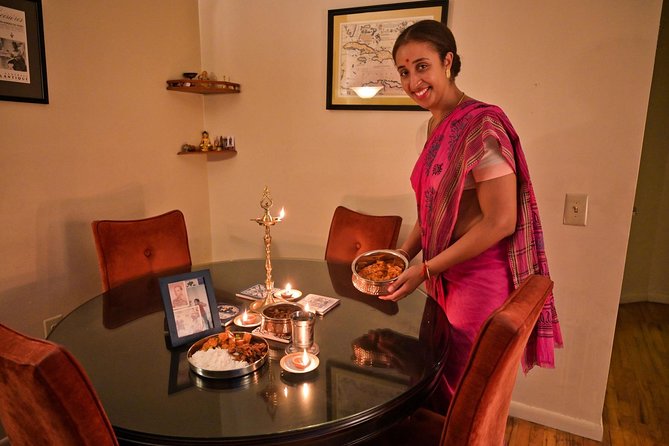
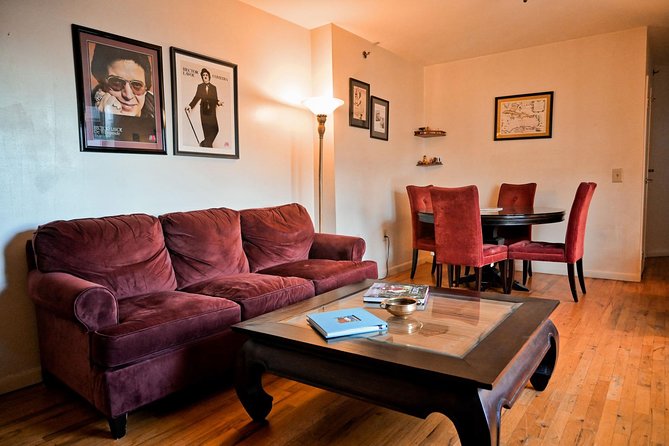
This is the kind of food experience that doesn’t feel like a ticket you scan and forget. You meet Kylie in a small, cozy apartment in East Harlem, and right away the vibe is: you’re here to learn, but also to be welcomed.
Kylie starts you off with a fresh homemade juice, and the flavor choices are fun because they’re specific to what her kitchen is doing that day. As she pours it, she also shares stories about city life and the menu, so you get context before you start cooking. That matters. When you understand the why behind a dish, you cook differently later.
And yes, you’ll likely notice how personal the food is. The class draws on recipes passed down through generations in Kylie’s and her husband’s families. That’s a quiet detail, but it changes the whole tone. You’re not just copying steps. You’re learning how flavors travel across cultures.
You can also read our reviews of more food & drink experiences in New York City



The 3-hour flow: cooking, chatting, then eating at the table
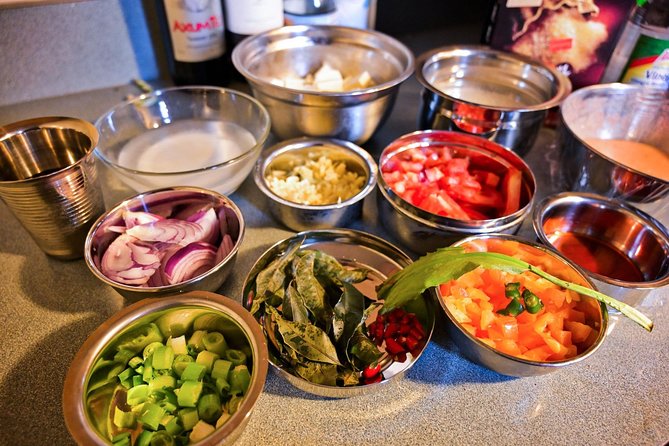
The total time is about 3 hours, with about 2 hours focused on cooking (or a demo), depending on what you prefer. That structure is practical: you’re not stuck chopping for the full time, and you still get real work done.
Here’s how the experience typically moves:
- You arrive at the East Harlem meeting point and meet Kylie.
- You start with homemade juice and a quick rundown of the day’s menu.
- You move into the kitchen for either hands-on cooking or watching her cook, based on your preference.
- You prepare (or observe preparation of) 3 dishes from scratch.
- Then you sit down to eat the meal you helped make with Kylie at the table, and if her husband Madhav is around, he joins too.
The food part isn’t an afterthought. This is one of those meals where you feel the payoff right away because you helped build the dishes. If you’re the type who likes food learning more than food sightseeing, this format is a win.
What you actually learn: the techniques behind Soul, Tamil, and Caribbean cooking
The headline is fusion cooking, but what you’ll care about in practice are the techniques. Soul, Tamil (South Indian), and Caribbean cuisines each carry their own methods for building flavor, handling spices, and shaping textures. Kylie teaches you those approaches as you cook.
You might notice that the day’s dishes can include:
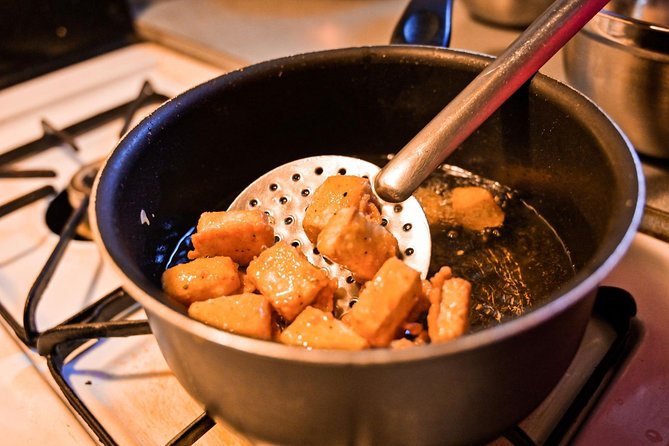
- crispy fried elements (dumplings and vadai-style bites)
- spiced curries and savory sauce work
- crepe-like dosai served with sides
- chutneys or small finishing touches that change the whole dish
- dessert that balances sweetness with texture (payasam is a common ending)
Learning this way helps you later because you start thinking in methods. Instead of one-off “how to make dish X,” you come away with a toolkit: how to treat spice, how to time cook steps, and how to build a plate that feels complete.
One practical upside: because you’re cooking at a home kitchen pace, you get time to ask questions. Even if you’re watching, you’re not on the other side of a glass door.
The menu: dishes you might make (and what they mean on your plate)
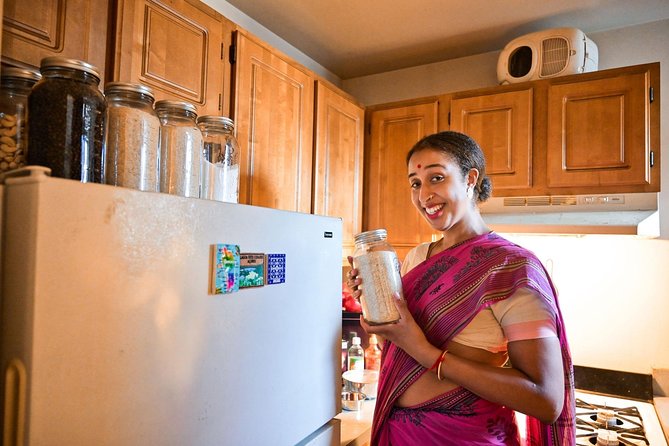
Your exact menu can vary, but the class is built around a set of strong, satisfying dishes that show off that crossover flavor story.
From the sample menu, expect possibilities like:
- Vadai (fried dumplings): crisp outside, savory inside. This gives you a benchmark for frying and seasoning balance.
- Prawn curry: you’ll learn how curry flavor builds and how the sauce coats the main.
- Dosai: a roasted savory rice crepe that’s a perfect vehicle for curry and sides.
- Cornbread: it’s a curveball in a great way, and it helps show how Soul food flavors can fit naturally into this larger menu.
- Payasam: a dessert finish that rounds out the meal with something creamy and comforting.
The wider menu examples may also include items such as tostones or fried plantains as an appetizer, plus rice-based components with chutney, and sides like rice and peas with an avocado element. The big idea is variety: you don’t just repeat one style of food all night.
And here’s where your appetite planning matters. When the meal includes fried items, curry, crepes, and dessert, you’ll want to be hungry. This is not a “tiny bites” experience.
The hospitality bonus: juice, chai vibes, and sharing the meal
This is one of the best parts to watch for when you’re comparing cooking classes. The social piece is handled well here. Kylie isn’t just teaching you and moving on. She’s hosting you.
In the reviews, people highlight the welcoming personality and the fact that Kylie is organized with the class flow. That combination matters because a class can feel either chaotic or calm. This one is set up to feel manageable.
Then you eat at the table together. That’s when you’ll taste your work as a full meal, not just as ingredients. If Madhav is available, he joins you, which adds another layer of warmth.
One small detail worth noting from feedback you can count on: chai stands out. People mention it as some of the best chai they’ve had, which is a strong clue that the tea isn’t an afterthought. It’s part of the comfort landing.
You can also read our reviews of more tours and experiences in New York City



Alcohol included: how wine or beer fits into an apartment dinner
A lot of cooking classes tout drinks, but this one keeps it simple: wine or beer is included. That’s useful because it removes decision fatigue. You’re focused on cooking and learning, not budgeting each sip.
Just keep expectations realistic. This is a home kitchen setting, so you should treat the alcohol as part of the meal, not as a party atmosphere. If you want a food-first evening, that’s exactly what you’ll get.
If you don’t drink alcohol, the data doesn’t list other beverage swaps, so you’ll want to ask ahead if that matters to you.
Vegetarian and gluten-free options: what you should request
The class notes that vegetarian and gluten-free options are available upon request. That’s a big deal because so many “international cooking nights” forget that real dietary needs exist until the last minute.
If you’re vegetarian or gluten-free, request it clearly when you book. Don’t wait for the day-of. The more detail you give the host ahead of time, the more likely your menu can be adapted without turning into a compromise plate.
Also, if you’re flexible within those categories (for example, dairy ok but not wheat), tell Kylie. Diet requests are easiest to satisfy when they come with specifics.
Value check: is $116 per person worth it?
At $116 per person for about 3 hours, the value depends on what you want from the night.
Here’s why it can be worth it for the right traveler:
- It’s private, meaning you’re not sharing the kitchen lesson with strangers.
- You cook or watch 3 dishes from scratch.
- Alcohol (wine or beer) is included.
- You eat the meal you made, which gives you a built-in food payoff.
- People also note you get recipes to cook at home, which extends the value past the night out.
It’s not a budget dinner, but it’s also not just “pay for food.” You’re paying for a skill-building evening with local hospitality. If you like learning cooking methods, this is the kind of cost that can feel fair.
One caution: because it’s in an apartment and there’s no hotel pickup, you should factor in transportation time. If getting to East Harlem is a headache for your plans, the “value” drops fast.
Practical tips so you don’t feel rushed in a small kitchen
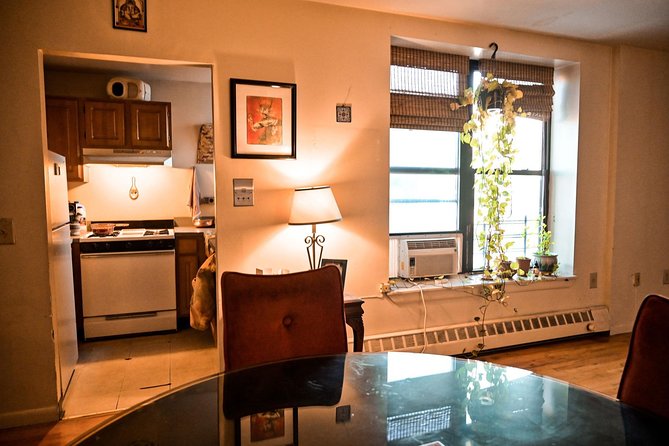
This is a home kitchen. That means the space is likely smaller than a big cooking studio, even if everything is well organized.
A few smart moves:
- Wear something you can stand and move in comfortably.
- Arrive ready to start cooking right away, because the juice-and-menu moment flows into prep time.
- If you have dietary needs, communicate them clearly before you arrive.
- Decide in advance whether you want the lesson to be more hands-on or more of a demo. You’ll get the most satisfaction when the pace matches your style.
Also, bring a “learn as you go” mindset. The goal isn’t to walk out with chef-level mastery in one night. It’s to understand how the flavors work and how to recreate them with confidence later.
Who should book this East Harlem Indian and Soul Food class
This fits best if you want:
- a home-hosted food night, not a scripted restaurant experience
- a private class with real conversation and stories
- learning across cultures: Soul, Tamil, and Caribbean flavors in one sitting
- a menu that includes both fried comfort food and curry-based dishes
- recipes you can take home to keep cooking
It’s also a good match for food travelers who care less about “big attractions” and more about meeting people and learning something tangible.
If you’re traveling with someone who likes cooking but doesn’t always want a hands-on intensity, this can be a sweet spot, since you can choose hands-on versus watching.
Should you book? A quick decision guide
Book this class if:
- you want a private evening in a local home
- you’re excited to cook 3 dishes and learn techniques, not just eat
- you like fusion menus that make sense when explained, not just random combinations
- you can handle getting to and from East Harlem on your own
Skip it (or reconsider) if:
- you need hotel pickup to make your schedule work
- you prefer large, formal cooking studios over apartment settings
- you’re only interested in one specific cuisine style and won’t enjoy the crossover
If your idea of a great NYC night includes cooking, conversation, and a full meal you helped make, this East Harlem class is a strong choice.
FAQ
Where does the experience take place?
It starts in East Harlem, New York, NY, USA, at the meeting point. The activity ends back at the meeting point.
How long is the cooking class?
It lasts about 3 hours.
Is this a private experience or shared with other people?
It’s a private tour/activity, and only your group participates.
Do you cook, or is it more of a demonstration?
Based on your preference, Kylie can offer a hands-on cooking class or a demo. The cooking/demonstration lasts about 2 hours, and you will cook or watch your host prepare 3 dishes from scratch.
What dishes might be included?
Menus can vary, but the sample menu includes vadai (fried dumplings), prawn curry, dosai (roasted savory rice crepes), cornbread, and payasam. Appetizers and other sides may include items like tostones or fried plantains, rice-and-beans-style dishes, chutney, and sides such as avocado.
Is alcohol included?
Yes. Wine or beer is included.
Can the class accommodate vegetarian or gluten-free diets?
Yes, vegetarian and gluten-free options are available upon request.
Is hotel pickup or drop-off included?
No, hotel pickup and drop-off are not included.
Are recipes provided so I can cook at home later?
According to the reviews, you get recipes to cook at home.
What is the cancellation window for a full refund?
You can cancel up to 24 hours in advance for a full refund. If you cancel less than 24 hours before the experience starts, the amount paid is not refunded.