REVIEW · NEW YORK CITY
Private Tour of Soho, Chinatown, and Little Italy
Book on Viator →Operated by Top Dog Tours Inc. · Bookable on Viator
Three neighborhoods. One tight walk.
This private stroll through SoHo, Little Italy, and Chinatown is a smart way to see big contrasts in Lower Manhattan without feeling stuck in a big group. I like how the tour gives you both famous landmarks and the everyday texture: architecture on Greene Street, a huge Golden Buddha at a major temple, and classic street corners that help you understand why this area became what it is. You also move at your own pace, which matters when you want to ask questions or linger at a storefront.
Two things I especially like: the chance to step inside local institutions like Alleva Dairy (America’s oldest cheese shop) and Ferrara Bakery & Cafe, and the way the guide ties the blocks together with clear stories you can actually remember. Even when you just want highlights, you’ll get just enough context to make the streets feel less random and more meaningful.
One consideration: the tour can feel heavy on details. If you are short on time because of a show, or you want a quick hits approach, choose a guide (or tell your guide up front) that you want the basics and fewer detours—especially on a cold, windy day when you want to stay moving.
In This Review
- Key Things to Know Before You Go
- Why This Two-Hour Private Walk Works in Lower Manhattan
- Price and Value: What $80 Covers (and What It Doesn’t)
- Duarte Square to Chinatown: Getting Oriented Fast
- Mahayana Buddhist Temple: The Stop That Changes the Mood
- SoHo on Greene Street: Architecture, Stores, and the Haughwout Building
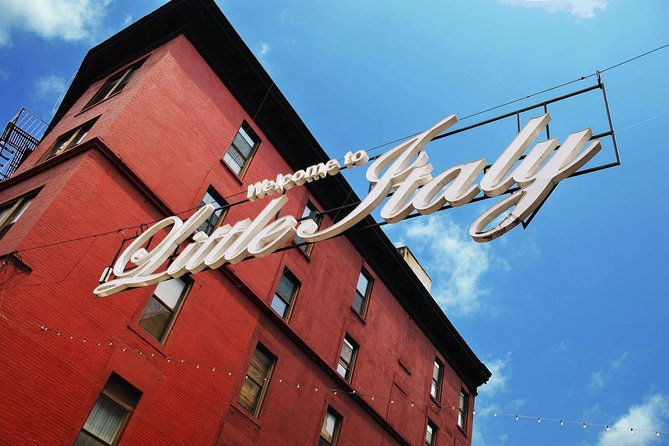
- Old-School Little Italy: Mulberry Street Energy Without the Guesswork
- Alleva Dairy, Ferrara Bakery, and Piemonte Ravioli: The Food Stops That Matter
- From Greene Street to the Mafia Stories: Doyers Street and Da Gennaro
- The Final Stretch: A Dim Sum Stop to Land the Tour
- Getting the Most Out of Your Guide (Without Over-Explaining Your Life)
- Practical Tips So You Enjoy the Walk More
- Who This Tour Is Best For
- Should You Book This Private SoHo, Chinatown, and Little Italy Walk?
- FAQ
- Where do I meet the guide?
- How long is the tour and how much walking is involved?
- What’s included in the tour price?
- Are food and drinks included?
- Is this tour private?
- Does the tour run in all weather?
- What is the cancellation policy?
- Are there any age requirements for children?
Key Things to Know Before You Go
- Private pacing: You can slow down for photos, shop windows, and questions without waiting on strangers.
- Old-school food stops (optional): You can sample dumplings, ravioli, cannoli, or gelato, but it’s always your cost.
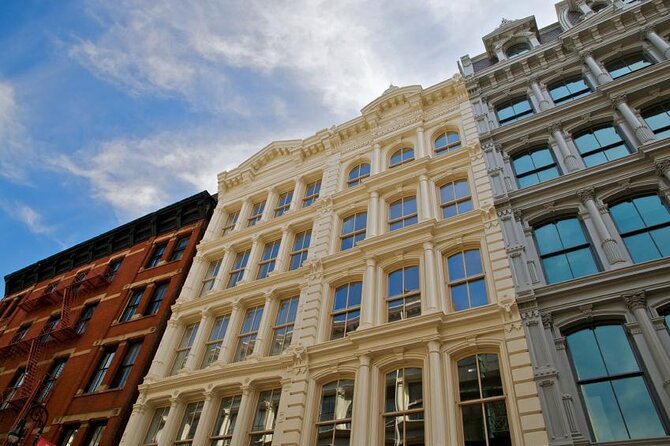
- Architecture you can spot fast: Haughwout Building and SoHo’s warehouse-era look help the neighborhood click in minutes.
- A major Buddhist landmark: The Mahayana Buddhist Temple visit makes the tour feel like it leaves Manhattan stereotypes behind.
- A story-rich walking route: Five Points context, plus places tied to old Chinatown and Little Italy lore.
Why This Two-Hour Private Walk Works in Lower Manhattan
If you only have a morning or an afternoon for Lower Manhattan, this tour is the kind of plan that respects your time. It’s short enough that you don’t burn a whole day on transit and waiting, yet focused enough that the neighborhoods don’t blur together.
SoHo, Chinatown, and Little Italy all feel like different worlds—until you walk the connections. That’s where a good guide makes a real difference. You’re not just collecting photos; you’re learning why the streets, buildings, and business names matter. The vibe is practical: you’ll be walking at a leisurely pace (about one mile / 1.5 km), with stops that give your legs a break and your brain something to hold onto.
You can also read our reviews of more walking tours in New York City


Price and Value: What $80 Covers (and What It Doesn’t)
It’s $80 per person for a private tour lasting about 2 hours. For a private walking experience in Manhattan, that’s a reasonable price point when you compare it to the cost of doing multiple stand-alone attractions, plus the hassle of figuring out routes and timing.
The included value is the guide and the structure: you get a local guide, admission tickets are included for portions of the tour (Chinatown, SoHo, and Little Italy segments), and you’re not dealing with a mixed schedule or a fast group pace. Food is not included, and that’s actually helpful for most people—because you can spend on what you genuinely want: pizza, cannoli, gelato, dumplings, ravioli, or cheese.
Based on real experiences shared with this tour style, many people budget around $20 for snacks while keeping the main cost tied to the guide. If you’re the type who plans to eat anyway, you’re not really paying “extra for food.” You’re paying for the walk, the context, and access to the best-known places at a comfortable tempo.
Duarte Square to Chinatown: Getting Oriented Fast
You meet at Duarte Square, near the intersection areas of Ave. of the Americas, Canal St, and Grand St. From there, the day starts in Chinatown, where the streets immediately give you visual cues: signage, temple architecture, and a dense mix of small businesses.
This is a smart first stop because Chinatown sets the tone. You don’t begin in a photo-perfect museum setting—you begin where the neighborhood lives. The tour includes an admission ticket for the Chinatown portion, so it’s not just strolling past storefronts.
What I like about starting here: you get the cultural anchor early. If you skip this part, SoHo can feel like you’re only seeing shopping and photo spots, and Little Italy can feel like it’s mostly about sweets. With Chinatown first, everything else lands differently.
Mahayana Buddhist Temple: The Stop That Changes the Mood

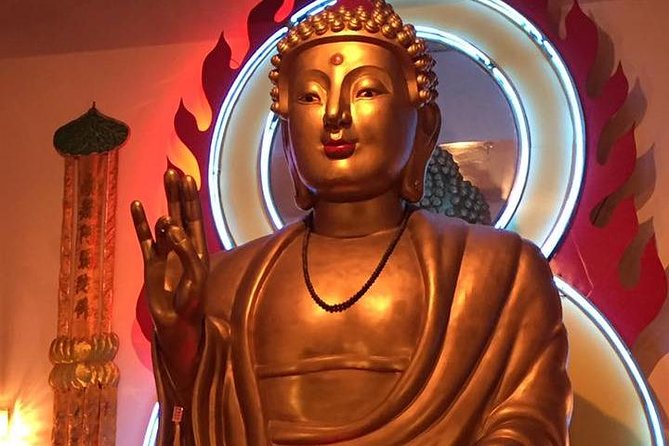
One of the shortest stops ends up being one of the most memorable: the Mahayana Buddhist Temple. You’ll see a huge Golden Buddha statue, and it’s a quick look—about 5 minutes.
Even with limited time, this kind of landmark does something useful for your visit. It gives you a clear, grounded sense of how the community’s identity is present in the architecture, not just in the food. It also helps the tour avoid feeling like a checklist of shops.
If you are traveling with kids or you’re tired from walking, this is a good “reset” stop. It’s visually strong, easy to understand at a glance, and it breaks up the commerce-focused stretches.
SoHo on Greene Street: Architecture, Stores, and the Haughwout Building
After Chinatown, the route heads into SoHo, where the buildings and street rhythm shift. The pace feels different here because the neighborhood is so visually detailed: cast-iron-style facades, old industrial structure, and storefronts that range from trendy to timeless.
You’ll walk down Greene Street and see architectural highlights like the Haughwout Building—often described as the great grandfather of the NYC skyscraper. There’s also time near the Old Police Headquarters / Old Police Station, which helps the area feel layered rather than just stylish.
I also like that this isn’t only about the famous architecture. The guide explains how SoHo became a trendy, high-value neighborhood, so you understand why the streets look the way they do now. That story makes it easier to enjoy the shopping and restaurant scene without feeling like you’re just walking past expensive windows.
One practical note: if you’re the kind of person who gets cold easily, SoHo’s open streets can feel windy. Plan for a quick stop-and-look pattern rather than long pauses unless you’re dressed for the weather.
You can also read our reviews of more private tours in New York City





Old-School Little Italy: Mulberry Street Energy Without the Guesswork
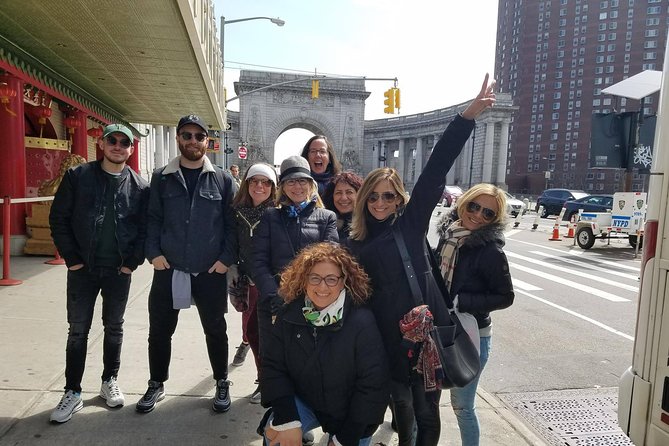
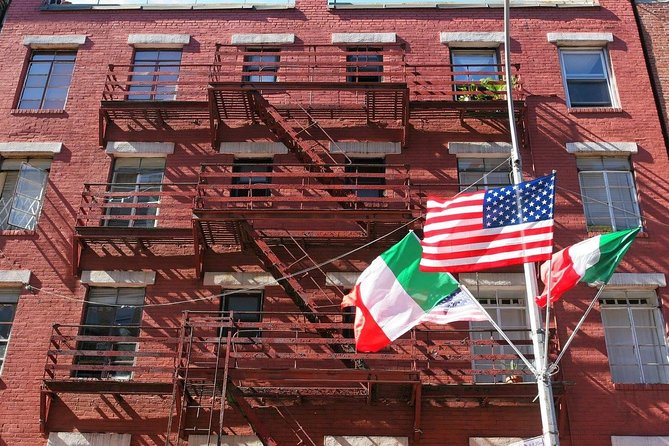
Then you land in Little Italy, and the atmosphere becomes more food-forward. This portion includes an admission ticket, and you’ll pick up practical tips on where to find the most satisfying eats, especially around Mulberry Street.
What makes this stop valuable is how the guide balances the iconic with the longstanding. You’ll hear where people go for classic Italian favorites—think pizza, cannoli, and gelato—while also getting the names of places you might otherwise miss.
There’s a good flow here: short walks between food stops, with enough time to breathe and decide. If you eat at all during the tour, this is the moment to do it. You’ll be surrounded by the right kind of smell and the right kind of storefront energy to justify a snack.
Alleva Dairy, Ferrara Bakery, and Piemonte Ravioli: The Food Stops That Matter
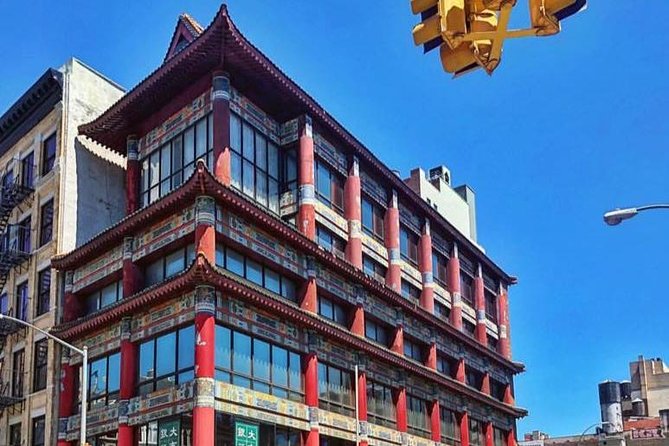
Several of the food-oriented stops are classic New York holdovers:
- Alleva Dairy: America’s oldest cheese shop, with a stop long enough (around 20 minutes) to actually browse and choose.
- Piemonte Ravioli (Piemonte Ravioli): A pasta shop opened in 1920, with time to walk the counter space and decide if you want something hot or packaged.
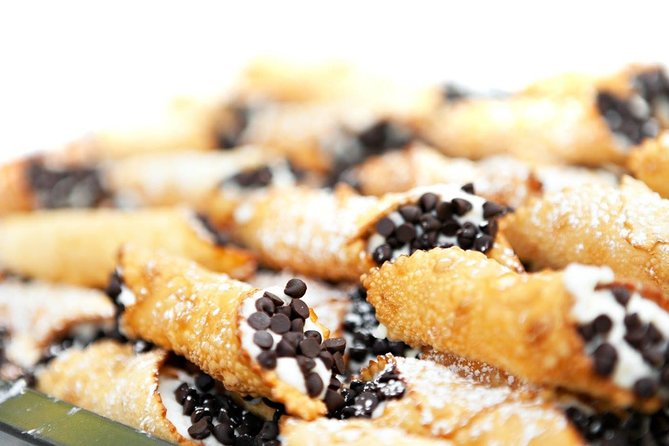
- Ferrara Bakery & Cafe: Little Italy’s oldest sweet shop, another great place if you want a dessert that feels tied to the neighborhood’s identity.
- Domonique Ansel Bakery: Home of the Cronut, but it’s specifically noted as not included (so treat it as a look/optional stop rather than an expectation).
Because food isn’t included, you keep control. If you’d rather spend money on one thing you truly love (like cheese or a specific pastry) instead of trying everything, you can. And since this is private, you can adjust the plan without feeling guilty for slowing everyone down.
If you go with a group that includes picky eaters or people with dietary restrictions, tell your guide early what’s off-limits. The tour’s structure makes it easier to pick the right shop for the right person rather than forcing a single “tour snack” plan.
From Greene Street to the Mafia Stories: Doyers Street and Da Gennaro
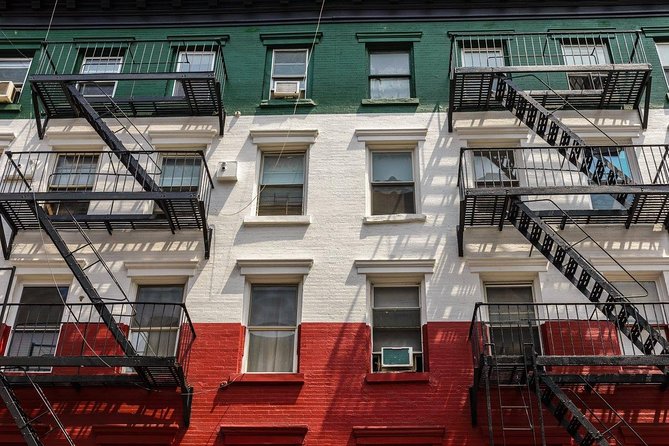
The tour also includes stops that add darker, street-level storytelling.
You’ll stop near Da Gennaro, noted as a site of a major mafia hit, and then you’ll walk past Doyers Street, known as the former Bloody Angle. These are brief stops, but they change the tone. They remind you that this part of Manhattan has always been intense—commercial, immigrant, and sometimes violent all at once.
I like when a walking tour does this. It prevents the experience from becoming purely cute or purely historical. It turns the streets into a place where multiple eras overlap.
Just don’t expect long museum-style explanations. This is still a walking tour. The goal is to give you enough story to feel the neighborhood, then move on.
The Final Stretch: A Dim Sum Stop to Land the Tour
The last stop is Chinatown’s oldest dim sum restaurant. This is where the tour ends—so it’s a great place to either grab a bite if you want to keep the momentum going, or use it as a final taste test before you head elsewhere.
Because the tour can run in all weather conditions, you’ll probably appreciate that the ending sits in a food-and-street zone rather than somewhere with limited options. You’re already in the right neighborhood to keep eating.
Getting the Most Out of Your Guide (Without Over-Explaining Your Life)
A private guide can be the best part of the trip. The names that have come up for this tour style include Michael, John, Brianna, Gabby, Thomas, and Connor—each with their own approach.
Here’s what you can control, and it matters:
- If you want a relaxed walk with clear highlights, say it early.
- If you like stories, ask for a little more context.
- If you are on a tight schedule for a show or another plan, mention it so the guide can keep the pace tighter.
This is especially important in SoHo, where some guides can pack in lots of detail. If you feel the tour running longer than you want, you can still steer the vibe by asking for the “key points” version.
There’s also a real-world factor to remember: the operator reserves the right to deviate from the route in the event of marches, parades, or circumstances beyond their control. That’s not fun when you’re counting on exact timing, so build in a small buffer on days when you know big events are likely.
Practical Tips So You Enjoy the Walk More
Here’s how to set yourself up for an easy, enjoyable experience:
- Wear comfortable shoes. You’re covering about a mile at a leisurely pace, but the ground is still city pavement.
- Dress for the weather. The tour runs in all weather, so layers help.
- Plan for optional spending. Many of the best stops are food-based at your expense—budget a small amount so you don’t stress.
- Keep expectations flexible for food vendors. The operator notes there’s no guarantee vendors will be operating, so bring snacks or accept that you might do more browsing than eating.
- Bring your patience for crowds near iconic spots. These neighborhoods get busy, and narrow sidewalks don’t obey schedules.
Who This Tour Is Best For
This tour is a great fit if you want:
- A high-impact Lower Manhattan sampler in about 2 hours
- A private experience that lets you ask questions and move at your pace
- A mix of architecture, temples, street stories, and optional food stops
- A structured walk you can trust without building your own route from scratch
It’s also a good choice for first-time visitors who want to understand how these neighborhoods connect, not just where they are.
If you want a super casual stroll with almost no history, or if you’re very time-tight, you’ll still enjoy it—but you should communicate your preference for basics early.
Should You Book This Private SoHo, Chinatown, and Little Italy Walk?
Yes, I think you should book it—if your goal is a smooth, curated Lower Manhattan walk with private pacing and the option to taste your way through a few legendary shops. The route makes sense: Chinatown first for cultural grounding, SoHo for architecture and neighborhood evolution, and Little Italy for the food-focused payoff.
Skip it only if you dislike guided interpretation and prefer to wander completely solo. Or if you know you’ll be irritated by long explanations, make your wishes clear from the start. A tour like this works best when you and the guide align on pace.
FAQ
Where do I meet the guide?
You’ll meet at Duarte Square, near the intersection of Ave. of the Americas, Canal St, and Grand St, New York, NY 10013.
How long is the tour and how much walking is involved?
The tour lasts about 2 hours. It covers about one mile (1.5 kilometers) at a leisurely pace with plenty of stops.
What’s included in the tour price?
The tour includes a local guide and the chance to try local cuisine at your own expense. It is also a private tour, and admission tickets are included for the Chinatown, SoHo, and Little Italy portions.
Are food and drinks included?
Food and drinks are not included. You can sample local items, but you pay for what you choose to eat or drink.
Is this tour private?
Yes. It’s a private tour/activity, so only your group participates.
Does the tour run in all weather?
Yes, it operates in all weather conditions. If canceled due to dangerous weather, you’ll get the option of an alternative tour date or a full refund.
What is the cancellation policy?
You can cancel for a full refund up to 24 hours before the experience’s start time.
Are there any age requirements for children?
Yes. Children under 18 must be accompanied by an adult at least 21 years of age.