REVIEW · NEW YORK CITY
Small-Group Broadway Theater District and Times Square Walking Tour
Book on Viator →Operated by Top Dog Tours Inc. · Bookable on Viator
Broadway comes to you on foot. I like the small-group pacing and how the guide turns the theater chaos into clear stories. I also like the close-up view of landmark venues, from Times Square onward. The trade-off is simple: you’ll walk a lot, so comfy shoes matter.
This isn’t just a slideshow of marquees. The best version of this tour is when the guide really brings Broadway life—people highlight guides like John and Patrick for theater love plus history context, and at least one guide even used song to make a point when the moment felt right. If you like musicals, you’ll ride that energy. If you don’t, the guide’s job is still to make the district make sense.
Plan on starting at the Majestic Theatre (245 W 44th St) for a 3:30 pm departure. Arrive 15 minutes early because the group leaves promptly. It runs rain or shine, uses a mobile ticket, and there’s no audio device included, so you’ll rely on your guide for the details.
In This Review
- Key things to know before you go
- Why this Broadway Theater District walk works on a short trip
- Starting at the Majestic, ending at the Gershwin
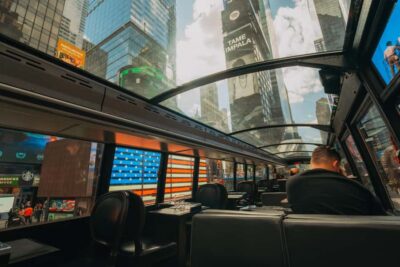
- Times Square first: getting your bearings with Broadway context
- The theater-by-theater walk: what each stop adds
- Majestic Theatre (meeting point)
- St. James Theatre
- Broadhurst Theatre
- Jacob’s Theatre
- Music Box Theatre
- New World Stages
- The Golden Theatre
- Schoenfeld Theatre
- Walter Kerr Theatre
- The Booth Theatre
- The Marquis Theatre
- The Palace Theatre
- The Shubert Theatre
- The Richard Rodgers Theatre
- Eugene O’Neil Theatre
- The Imperial Theatre
- The Minskoff Theatre
- The Barrymore Theatre
- The Hirschfeld Theatre
- The Ambassador Theatre
- The Gershwin Theatre (end point)
- What your guide does to make it feel worth $39
- Price and value: why $39 can make sense in Midtown
- Comfort, timing, and real-world logistics that matter
- Who this Broadway walk is best for
- Should you book this small-group Broadway Theater District tour?
- FAQ
- How long is the Broadway Theater District and Times Square walking tour?
- What time does the tour start, and where do I meet?
- How large is the group?
- Is the tour offered in English?
- Does the tour run in bad weather?
- What’s included in the ticket price?
- What is not included?
- Is backstage or lobby access guaranteed?
Key things to know before you go
- Small group size (max 12): easier to hear your guide and ask questions.
- Two hours of solid Midtown walking: you’ll cover a lot of theater ground.
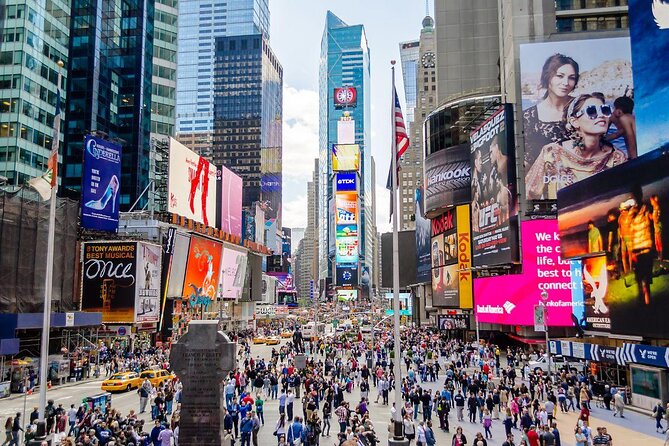
- Times Square plus a chain of theaters: you get context for what you’re seeing right now.
- Guide with theater-industry ties: expect history and current happenings explained on the street.
- No audio guide translation: bring your English listening ears (the tour is offered in English).
- Backstage access isn’t guaranteed: think exterior + lobby-area viewing, not behind-the-scenes tours.
Why this Broadway Theater District walk works on a short trip
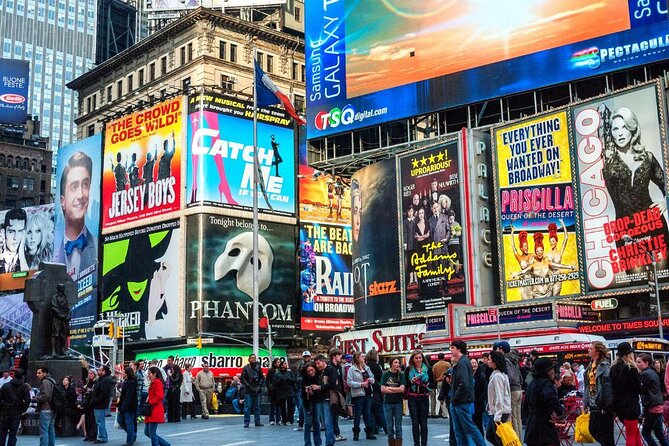
The Theater District can feel like a blur: billboards, crowd flow, construction dust, and 30 shows competing for your attention. This tour gives you a way to sort it out fast. You’re not trying to read everything at once. You’re learning the pattern of Broadway as you walk it.
I also like the “small group” angle because it changes the vibe. In a crowd, you miss details. Here, your guide can keep the pace human and still answer questions. And since the tour is about seeing many theaters in one go, you get the big picture without needing to plan a whole day of theater-hopping.
The main thing to consider is effort. This is not a sit-and-watch tour. You’ll be on your feet, moving block to block. If you’re nursing sore knees or you hate standing around, you might want to think twice—or pack a plan to rest afterward.
You can also read our reviews of more walking tours in New York City



Starting at the Majestic, ending at the Gershwin
The walking route starts at the Majestic Theatre at 245 W 44th St and ends at the Gershwin Theatre at 222 W 51st St. That’s a classic Midtown walk: you’re moving through the heart of the Broadway corridor where theater names are basically street markers.
The tour kicks off at 3:30 pm. You’re required to show up about 15 minutes early so you don’t miss the departure. They keep the pace tight once you start, and they can’t guarantee regrouping if you decide not to follow the guide.
One practical bonus: the meeting area is near public transportation. So if you’re building this into a day that includes museums or shows, you can usually get there without a complicated subway puzzle.
Times Square first: getting your bearings with Broadway context
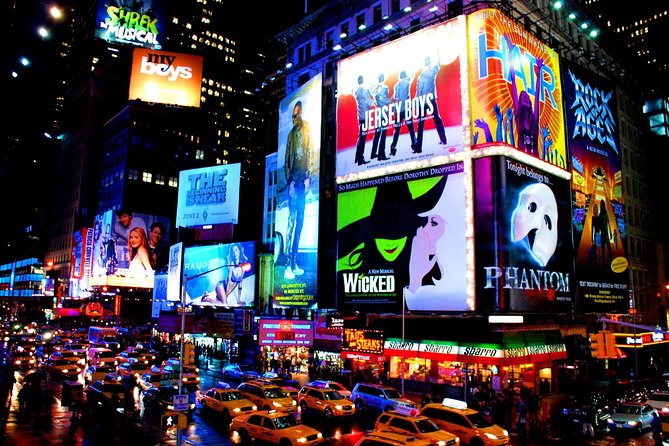
Most people know Times Square as lights and noise. On this tour, you start there so you can connect the spectacle to what Broadway actually is: an industry clustered around these venues, with a constant cycle of productions and press.
You’ll also get oriented quickly. Your guide uses the area as a starting map, then you move from there into the quieter logic of the theater blocks. That makes the later stops feel more purposeful—less random wandering, more “oh, that’s why these theaters sit here.”
And because this tour is small-group and guide-led, you’re not left trying to guess what you’re looking at. You get context while the view is still in front of you.
The theater-by-theater walk: what each stop adds
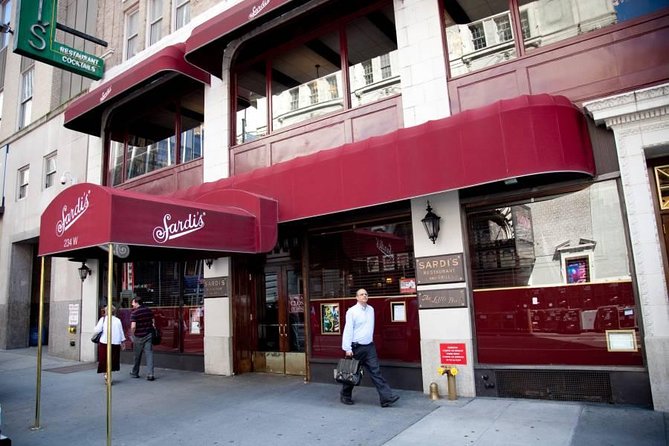
What’s fun here is that the guide treats each theater name like a chapter. You’re seeing the entrances, marquees, and street presence, then hearing how each venue fits into the broader Broadway story and what’s happening in the district.
Here’s the sequence you’ll move through, with the “why it matters” at each one.
Majestic Theatre (meeting point)
You start right where the tour officially begins, at the Majestic. This is a smart starting anchor because the building is immediately recognizable, and it helps you get confident about where the tour will lead. You also get into “listening mode” before you’re swallowed by crowds.





St. James Theatre
Next comes the St. James, another major marker along the route. Your guide uses stops like this to point out how Broadway clusters around a handful of streets rather than being scattered randomly. By the time you reach the next theater, you’ll have a better sense of your walking direction.
Broadhurst Theatre
At the Broadhurst, you’ll keep building that sense of place. This is where the tour starts to feel like a guided crawl of Midtown theater geography—less about checking names off a list and more about understanding how many venues exist in close range.
Jacob’s Theatre
Jacob’s is another mid-walk checkpoint that helps you recognize patterns in the district. Expect your guide to connect what you see now to the kind of Broadway ecosystem this corridor supports. If you’re new to theater, this is a good time to ask questions.
Music Box Theatre
When you reach the Music Box, the tour is usually in full rhythm. You’ll be seeing enough venues in a short time that your guide’s explanations start doing real work—turning visual clutter into a coherent story you can remember.
New World Stages
New World Stages is a different kind of stop in the sense that it broadens the story beyond only the classic marquee Broadway image. Your guide can help you understand why this district isn’t just one style of production and why these spaces matter for different audiences.
The Golden Theatre
At the Golden, your guide keeps the narrative moving through the corridor. This is one of those stops where the street view might look similar to the last one, but the story behind the venue gives you something fresh. It’s a good example of how the tour makes the walk feel shorter.
Schoenfeld Theatre
The Schoenfeld Theatre stop helps you see how the district stretches across multiple blocks while still feeling like one theater zone. By now, you’re also getting used to hearing the facts in real time rather than trying to remember them after you’re home.
Walter Kerr Theatre
At the Walter Kerr, the guide’s job is to keep the group oriented while still adding theater-industry context. This is helpful if you’re not staying through the whole show-night experience and just want the district understanding.
The Booth Theatre
The Booth is another key name on the route. Expect the guide to keep tying the venue to the bigger Broadway machine—how these theaters connect to schedules, press, and the constant churn of performances.
The Marquis Theatre
At the Marquis, you should notice how the tour’s pacing lets you actually see the signs and entrances instead of sprinting past them. That’s the payoff of having a guide manage the flow through a crowded area.
The Palace Theatre
The Palace stop adds more variety as you keep moving down the corridor. This is where it starts to click that Broadway is not a single location—it’s a strip of venues with distinct identities that all contribute to the same cultural center.
The Shubert Theatre
The Shubert Theatre is one of the big anchors in the district, and your guide uses stops like this to explain why these venues matter historically and today. If you’re planning to watch a show later, these names make more sense after seeing the corridor in person.
The Richard Rodgers Theatre
At the Richard Rodgers Theatre, you’re deep enough into the walk that you’ll probably start mentally mapping the area. That makes your later sightseeing easier, whether you’re heading to a show or just exploring nearby streets.
Eugene O’Neil Theatre
This stop keeps the story moving while also reminding you that Broadway isn’t stuck in one era. Your guide’s context about history and current happenings helps the whole district feel like a living system, not a museum.
The Imperial Theatre
The Imperial stop is a strong checkpoint for anyone who wants to understand the district as a whole rather than only reacting to the biggest sights like Times Square. The walk is long, but these named theaters keep it grounded.
The Minskoff Theatre
At the Minskoff, you’ll likely start to notice how the tour approach works: each theater name is a prompt for a new explanation. That reduces the fatigue of walking because you’re constantly learning something new about what you’re passing.
The Barrymore Theatre
The Barrymore continues the chain of recognizable Broadway landmarks. Your guide keeps you focused on what matters—where you are, what you’re looking at, and how this corridor functions as a theater industry hub.
The Hirschfeld Theatre
By the time you reach the Hirschfeld, the small-group size matters even more. Less crowd pressure. More chance to hear the guide. And if something clicks for you, it’s easier to ask a follow-up on the spot.
The Ambassador Theatre
The Ambassador stop is part of the tour’s final stretch, where you’re likely thinking about the endpoint and how much you’ve covered. This is a good time to listen for your guide’s wrap-up themes about how Broadway stays current.
The Gershwin Theatre (end point)
The tour ends at the Gershwin Theatre at 222 W 51st St. It’s a fitting finish because you can use the location right away—either for show plans, photos, or regrouping with your schedule for the evening.
What your guide does to make it feel worth $39
The included highlight is clear: you get a guide involved in the theatre industry. In practice, that means you should expect more than surface facts. The best tours in this style connect:
- what’s in front of you (a theater building and its street presence),
- to what that venue means for Broadway as a whole,
- and to what’s happening in the district right now.
One pattern from real guides: they mix history with personal perspective, and some guides add show-tune energy when the story calls for it. That can be a big win if you’re on the fence about musicals. The goal is to help you feel like Broadway is understandable, not intimidating.
Price and value: why $39 can make sense in Midtown

At $39 per person for about 2 hours, this tour is built to give you a high “street time” rate. You’re paying for a live guide, not for paid museum rooms or a complicated multi-entry route.
Also, because the group max is 12, your experience tends to stay personal. In NYC, small-group experiences often cost more. Here, you’re basically buying a guided walk that helps you interpret what you’re already going to see on your own.
Is it worth it if you already know Broadway inside out? Maybe not. But if you want context without doing heavy planning, it’s strong value.
Comfort, timing, and real-world logistics that matter
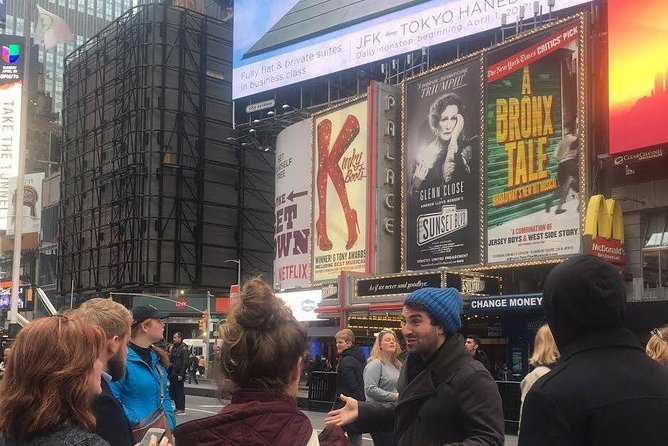
A few practical things can make or break a walking tour in Midtown.
Rain or shine: It runs in bad weather too, so bring layers and something to protect your shoes. If you hate wet socks, plan accordingly.
Departure is prompt: arrive at least 15 minutes early. They warn that no refunds apply if you miss the tour because you’re late, and once you start, the group moves.
Walking pace: they mention a good amount of walking. This isn’t a slow stroll where you stop every five steps. It’s managed walking with explanations between theaters.
Mobile ticket: you’ll use a mobile ticket, so have your phone charged and ready.
Backstage/lobby access: not guaranteed. Think of this as a street-level theater district tour. If you’re hoping for behind-the-scenes surprises, don’t count on it.
Route changes: they may deviate if there are marches, parades, or other circumstances beyond control. That’s Midtown reality.
Stay with the group: once the tour begins, if you decide not to follow the guide’s instructions, they can’t guarantee reuniting you.
Who this Broadway walk is best for
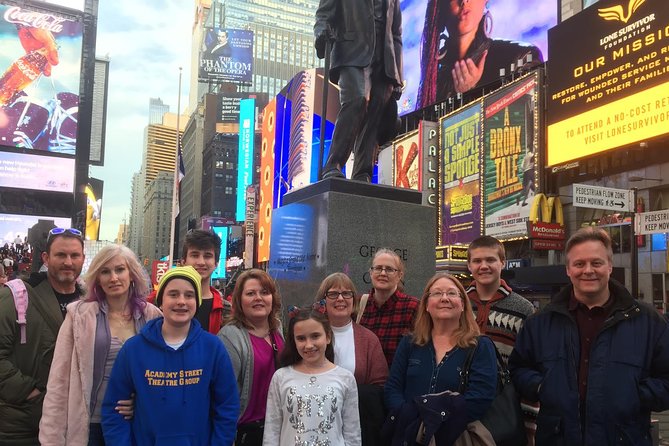
This tour suits you if you want to:
- get your bearings quickly in the Theater District,
- see a string of famous venues in a single session,
- and understand how Broadway works beyond just show posters.
It’s a good first step before choosing which theater you want to watch later, because the names feel less random after you’ve walked the corridor.
It may not be ideal if you:
- have limited mobility or get tired easily with continuous walking,
- only want a photo shoot with zero listening,
- or expect guaranteed backstage access.
Families can do it too, as long as children under 18 are accompanied by an adult who is at least 21. Service animals are allowed, and it’s near public transportation.
Should you book this small-group Broadway Theater District tour?
If you’re doing a first-time New York trip, have limited time, and want an insider way to understand Midtown theater, I’d book it. Small group size makes it feel more like a conversation than a cattle-line tour, and the structure of seeing Times Square and a long chain of theaters keeps you oriented all the way to the Gershwin.
Skip it only if you already know the district well and you’re mainly seeking backstage access or minimal walking. Otherwise, this is one of the more straightforward ways to turn Broadway from a blur into a map you can remember.
FAQ
How long is the Broadway Theater District and Times Square walking tour?
It lasts about 2 hours.
What time does the tour start, and where do I meet?
The start time is 3:30 pm. You meet at the Majestic Theatre, 245 W 44th St, New York, NY 10036, and the tour ends at the Gershwin Theatre, 222 W 51st St, New York, NY 10019.
How large is the group?
The tour has a maximum of 12 travelers.
Is the tour offered in English?
Yes, it is offered in English.
Does the tour run in bad weather?
Yes, it operates rain or shine.
What’s included in the ticket price?
A guide involved in the theatre industry is included, and the tour uses a mobile ticket.
What is not included?
Hotel pickup and drop-off, transportation to/from attractions, and an audio guide (which translates) are not included.
Is backstage or lobby access guaranteed?
Backstage and lobby access is not guaranteed.