REVIEW · NEW YORK CITY
SPYSCAPE Museum and Experience
Book on Viator →Operated by SPYSCAPE · Bookable on Viator
Spy games in Midtown, for real
SPYSCAPE turns a visit into a hands-on spy test built around puzzles like coding and lie detection, plus a final readout of your spy style. It’s in the heart of New York City near Columbus Circle, and it works on a simple idea: you learn by trying, failing, and trying again.
My favorite part is how the experience mixes brainy tasks with physical ones, so you’re not stuck watching screens. I also like that you can use the day’s flexible entry time, which makes it easier to fit into a tight NYC schedule. One caution: the tech is very station-based, so if you run into broken or glitchy areas, your visit may feel less smooth than you hoped.
Here’s the quick take: this is fun, but plan for a hands-on format, not a quiet museum stroll.
In This Review
- Key highlights to notice before you go
- Finding SPYSCAPE in Midtown without wasting time
- What happens in the first stretch of your spy training
- Coding, code-breaking, and the brainy spy stations
- Running surveillance and spotting liars
- The laser challenge: when it turns physical
- The spy profile dossier and what it’s good for
- The exhibit pieces: Enigma machine and WWII chapters
- When things don’t go perfectly: tech glitches and flow issues
- SPYGAMES and what your ticket does include
- Price and value: is $39 worth it?
- Who will like SPYSCAPE the most
- Timing: how to plan the 1.5 to 2 hours
- Gift Shop and Book Shop: take the spy vibe home
- Should you book SPYSCAPE?
- FAQ
- How much is the SPYSCAPE museum and experience ticket in NYC?
- How long does the experience take?
- Where is SPYSCAPE located?
- Is the ticket mobile, and is English available?
- Do I get flexible entry times?
- What is included with this ticket?
- Is SPYGAMES included?
- Is there free cancellation, and how far in advance?
- Are service animals allowed?
- Is SPYSCAPE near public transportation?
Key highlights to notice before you go
- MI6-trained design concept: the challenge flow is credited to a former Head of Training at MI6
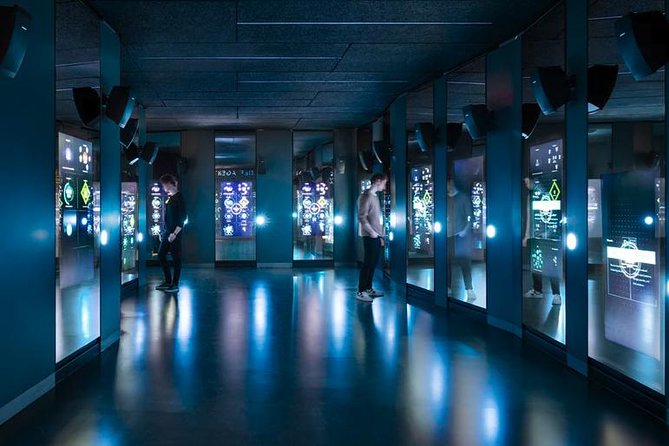
- Hands-on spy stations: coding, breaking codes, surveillance-style tasks, and lie-spotting challenges
- Laser challenge at the end: a physical, timed-feel segment that’s repeatedly called out as a standout
- A personal dossier readout: you finish with a profile of your spy capabilities and style
- Near Columbus Circle: easy to find in Midtown Manhattan with solid transit options
- Don’t treat it like a phone app: one tip is to use the stations rather than your phone for better flow
Finding SPYSCAPE in Midtown without wasting time
SPYSCAPE is set up for easy arrival in Midtown, close to Columbus Circle and public transportation. That matters because you’re paying for a timed experience window, and you don’t want to spend your best energy figuring out directions.
Once you’re inside, the vibe is active from the start. You’re moving between challenge areas rather than staying in one gallery. That’s good for most groups, but it also means you’ll want to keep your head up, follow the on-site flow, and be ready to switch activities quickly.
You can also read our reviews of more museum experiences in New York City



What happens in the first stretch of your spy training
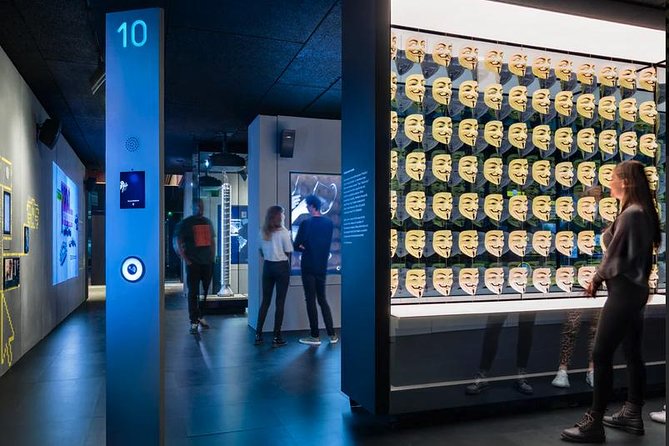
Your visit begins with the main SPYSCAPE facility entry, then you’re funneled into a sequence of interactive spy challenges. Think of it as a mix of short missions: some are more analytical, some ask you to react fast, and some are designed to get you physically involved.
A big reason this works is that the tasks don’t feel like random trivia. They’re built to test patterns—logic, attention, and whether you can spot inconsistencies—then roll those results into the end-of-visit profile.
A useful practical note from the experience’s best-fit style: don’t plan on using your phone as the main tool. The station-based design works best when you focus on what’s in front of you and use the activities as intended.
Coding, code-breaking, and the brainy spy stations
One of the most satisfying parts is the coding and code-breaking focus. If you enjoy puzzles, you’ll likely find these tasks more rewarding than the typical “push a button and hope” setup. You’re not just clicking through—you’re working through clues, patterns, and steps that feel like real spy-flavored problem solving.
These stations also tend to create friendly competition in groups. Even if you go solo, you’ll see how different people approach the same problem. That contrast often makes the experience more fun, because the station doesn’t reward one single method—it rewards clear thinking.
If you’re bringing kids or teens, this is also the segment that can hold attention best. The brain-work is gamified rather than textbook-like, and it gives them something concrete to do besides stare at exhibits.
Running surveillance and spotting liars
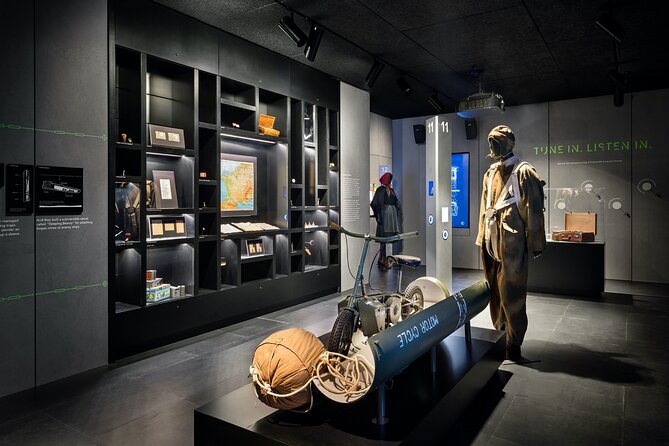
SPYSCAPE doesn’t stop at codes. You’ll tackle challenges that fit the spy theme—surveillance-style tasks and “figure out who the liars are” moments. These parts aim at reading signals and making judgments based on what the system presents.
This is where the experience gets its personality. Some tasks are straightforward, but others feel like they’re testing your instinct: do you trust the first answer, do you look for inconsistencies, and can you hold two ideas at once?
If your group includes both puzzle-lovers and people who prefer action, these stations can be the bridge. The puzzle set rewards logic; the liar-spotting set rewards careful attention under pressure. Either way, you’ll move forward through feedback from your results.
The laser challenge: when it turns physical
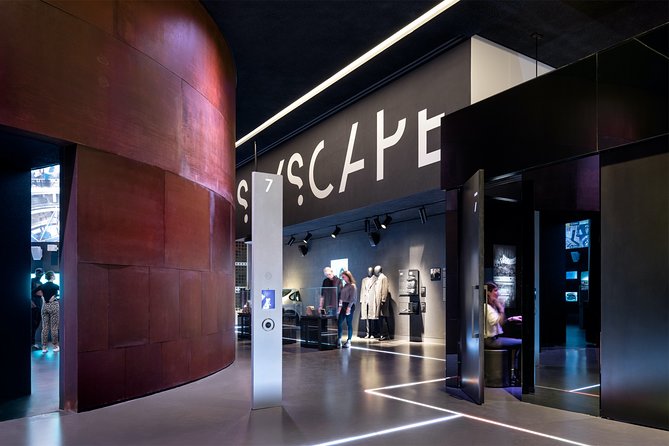
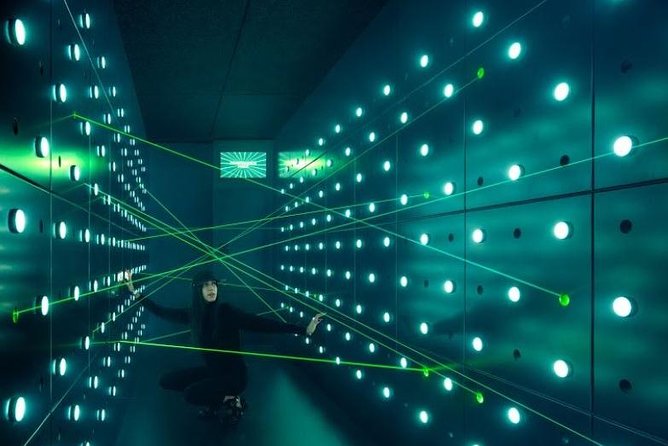
One repeat highlight is the laser segment, often described as a late-stage favorite. It’s the part that adds urgency and movement, so your brain has to switch from slower analysis to fast reaction.
It also tends to be memorable because it’s hard to treat it like background noise. The moment you’re in it, you’re doing something with your body and your timing, which creates that classic “NYC, do something different” energy.
Practical tip: if you’re sensitive to crowded, chaotic moments, go with the mindset that this is a high-energy section. Keep an eye on the station instructions and give yourself space to execute without rushing the next person.





The spy profile dossier and what it’s good for
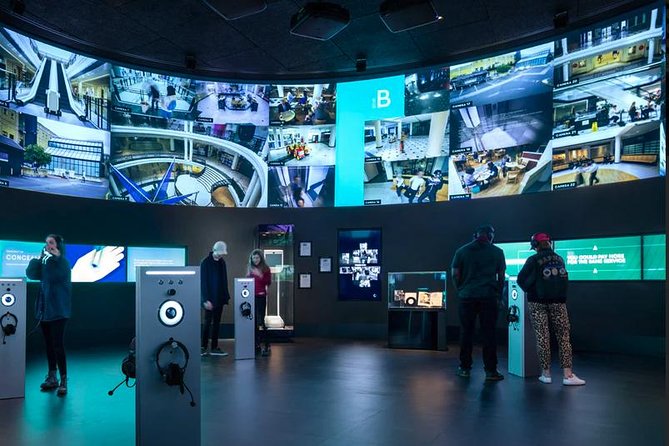
At the end, you get a personalized dossier readout—basically a summary of your capabilities and what kind of spy you’d make. That part is more than just a gimmick because it gives structure to what you did earlier.
It’s also a great souvenir if you’re deciding whether to bring friends next time. The profile gives you something to compare: who was more analytical, who adapted better under pressure, who performed well on the decision-based tasks.
Some people seem to enjoy reading it as a playful “training academy” style recap. Even if you don’t take it too seriously, it adds closure to the experience and helps it feel like a complete arc rather than a collection of disconnected games.
The exhibit pieces: Enigma machine and WWII chapters
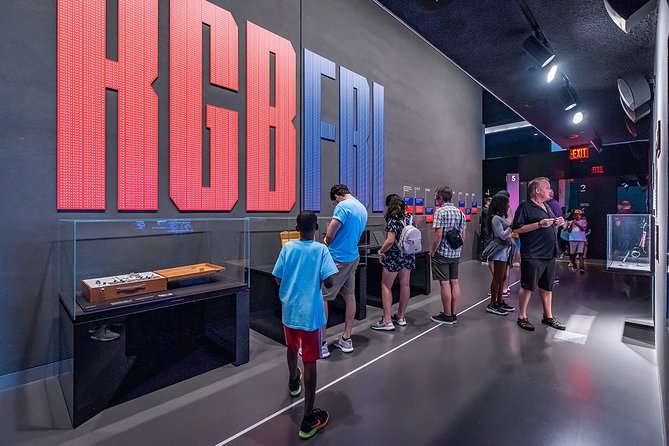
Not everything is purely a game station. You’ll also find exhibit-style material, including mentions of WWII-era content and an Enigma machine display. This is the part that gives context to why these spy themes feel the way they do, especially if you like the historical angle.
The best way to enjoy these sections is to treat them as short pauses between active missions. You’re not signing up for a long museum day. You’re signing up to mix museum context with hands-on tests.
One heads-up: some areas use voice explanations in addition to visuals, which can make the experience feel noisy. If you’re sensitive to sound, plan on brief listening breaks or keep your expectations realistic.
When things don’t go perfectly: tech glitches and flow issues
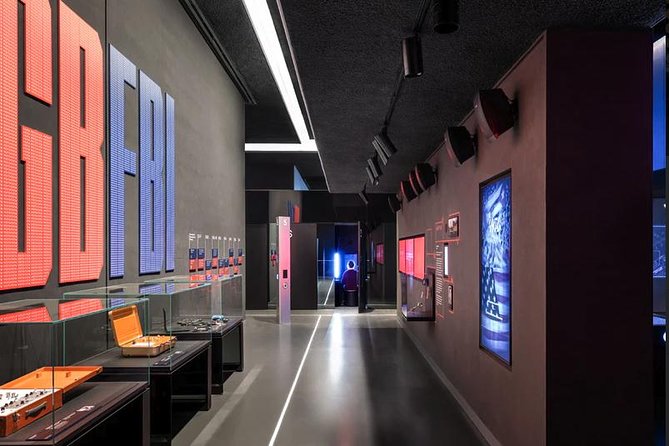
No attraction with lots of interactive stations is immune to tech problems, and SPYSCAPE is no exception. Some people report broken or glitchy stations and note that certain areas can feel less user-friendly than they should.
You can reduce the frustration by going in with two mental adjustments:
- Expect that some tasks might be slower than planned if a station has issues.
- Use staff when needed, and don’t waste time arguing with the device itself. Ask what the quickest workaround is.
Also, the experience is fast-moving, and a few visitors mention that instructions can feel light. If you’re the kind of traveler who likes clear, step-by-step signage, go with a patient attitude and be ready to ask for direction once you’re inside.
SPYGAMES and what your ticket does include
Your ticket includes access to the main SPYSCAPE museum and experience, plus access to the Gift Shop and Book Shop. It also covers all fees and taxes, so you’re not likely to see surprise add-ons at the door.
One thing to watch for: SPYGAMES is not included with this specific ticket. If you’re specifically interested in the SPYGAMES add-on, check what’s included in the ticket type you’re buying before you arrive.
Price and value: is $39 worth it?
At $39 per person, this sits in the “pay for play” category rather than “budget museum” territory. The value mostly depends on what you want from a visit.
If you enjoy interactive challenges—coding, lasers, and decision-based puzzle moments—then you’re paying for a couple of hours of active, test-yourself entertainment. That’s the strongest case for value, especially for groups where everyone participates.
If you’re expecting a standard museum with lots of in-depth galleries and reading time, you may feel like you got less than you paid for. Some visitors even call it expensive for a shorter, station-focused experience. The key is to align your expectations: this is closer to an attraction than a traditional museum day.
Who will like SPYSCAPE the most
SPYSCAPE tends to fit a few traveler types especially well:
- Families with school-age kids and teens: it’s designed for participation, and teens can enjoy the puzzle variety
- Couples looking for a date night with a shared challenge: the spy-profile result makes for an easy conversation afterward
- Friends who like friendly competition: different people shine at different stations
- Puzzle lovers: coding and code-breaking segments give you that satisfaction loop
If you prefer quiet sightseeing, slow walking, and lots of reading, you might find it a bit too game-like. But if you want hands-on fun in a prime Midtown location, this is a strong match.
Timing: how to plan the 1.5 to 2 hours
The experience runs about 1 hour 30 minutes to 2 hours. That time range is realistic if you stay focused and move with the station flow. If a station slows down because of technical issues, it can stretch.
I’d plan to arrive a little early for peace of mind, even though entry is flexible. Then, give yourself a follow-on plan nearby—Columbus Circle is handy for pre- or post-visit browsing and snacks.
Gift Shop and Book Shop: take the spy vibe home
The Gift Shop and Book Shop are included access with your ticket, and that matters because it turns the end of the experience into a natural wrap-up. Even if you don’t buy much, it’s a good place to browse spy-themed items that match what you just did.
If you like souvenirs that reflect the activity rather than generic NYC merch, this is the easiest place to find that connection.
Should you book SPYSCAPE?
Book SPYSCAPE if you want a couple hours of hands-on spy challenges in Midtown, with coding puzzles, a laser highlight, and a personal dossier readout that gives the visit a satisfying ending. At $39, it’s best value when your group is ready to participate instead of watch.
Skip it—or adjust expectations—if you want a traditional museum with lots of quiet time, or if you dislike interactive formats where tech glitches can interrupt the flow. For anyone who likes puzzles and playful competition, this is a very solid NYC detour.
FAQ
How much is the SPYSCAPE museum and experience ticket in NYC?
The price is $39.00 per person.
How long does the experience take?
Plan for about 1 hour 30 minutes to 2 hours.
Where is SPYSCAPE located?
It’s in Midtown Manhattan, near Columbus Circle, in New York City.
Is the ticket mobile, and is English available?
Yes, the ticket is mobile. The experience is offered in English.
Do I get flexible entry times?
Yes, you can arrive when it’s convenient with flexible entry times on the day you book.
What is included with this ticket?
Your ticket includes access to the SPYSCAPE museum and experience, plus access to the Gift Shop and Book Shop.
Is SPYGAMES included?
No, SPYGAMES is not included with this ticket.
Is there free cancellation, and how far in advance?
You can cancel for a full refund up to 24 hours in advance of the experience start time.
Are service animals allowed?
Yes, service animals are allowed.
Is SPYSCAPE near public transportation?
Yes, it’s near public transportation, and most people can participate.