REVIEW · NEW YORK CITY
The Art of Stories: A Literary Tour in the Metropolitan Museum
Book on Viator →Operated by Fable & Lark · Bookable on Viator
The Met gets better when you read it. The Art of Stories takes you through the museum with a guide who treats artworks like chapters, weaving together stories that happen around the Met and the origins behind specific works of art. You start in the Great Hall, right where the museum’s energy is easiest to feel.
I like small-group touring here, capped at 8 people, which means you can actually hear the guide and ask questions without yelling over marble. I also love that the museum admission is included in the $50 price, so you are not doing surprise add-ons. One possible drawback: two hours is short for the scale of the Met, so you’ll come away with favorites and ideas, not a full museum finish.
In This Review
- Key Things to Know Before You Go
- The Art of Stories Tour Turns the Met Into a Plot
- Starting at the Met’s Great Hall, Where Everyone Finds the Same Thread
- What Happens During the Two Hours (and Why It Works)
- Admission Included: The Value Check That Actually Matters
- The Best-Fit Visitor: Who Should Book This Tour
- Practical Tips to Make Your Met Tour Feel Effortless
- Value Beyond the Script: What You’ll Take Home
- Should You Book The Art of Stories at the Met?
- FAQ
- How long is the Art of Stories tour?
- Where do I meet for the tour?
- Is museum admission included in the price?
- What group size is this tour?
- What language is the tour offered in?
- Are service animals allowed?
Key Things to Know Before You Go
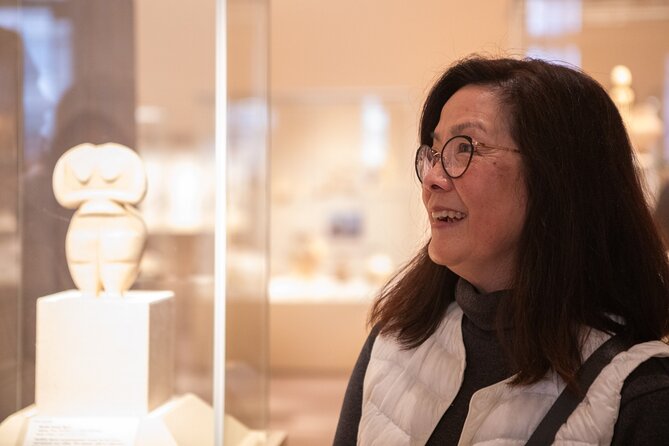
- Small group size (max 8): Easier listening, more back-and-forth, less time stuck in the shuffle.
- Admission included: Your $50 goes toward the tour plus entry to the Metropolitan Museum of Art.
- Literature as a lens: Expect stories of places, objects, and how narrative patterns show up in art.
- Meet in the Great Hall: A clear start point inside one of the Met’s busiest areas.
- Mobile ticket in English: Simple pickup and a straightforward language setup for most visitors.
- 2 hours on a focused route: Great for orienting and picking up interpretive tools without burning a whole day.
The Art of Stories Tour Turns the Met Into a Plot
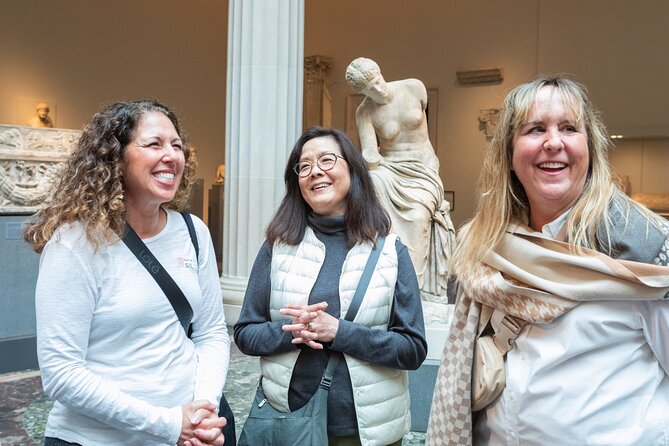
If you’ve ever wandered the Metropolitan Museum of Art and thought, I like this, but how do I connect it all? this tour answers that problem. It uses a literary mindset, treating artworks like story beats instead of isolated “cool objects.” You don’t need to be a bookworm to enjoy it. You just need curiosity about how humans make meaning out of images.
The best part is the way the tour frames the Met as a place where stories live. Not just stories you bring from home. Stories built into the museum experience itself. The guide connects narrative ideas to what you’re looking at, then uses specific artworks as evidence. That means you aren’t only hearing interpretations. You’re also learning how stories get their power.
There’s also something practical about the approach. The Met is huge. Even if you love museums, it can be exhausting to decide what to chase and what to skip. A story-based route gives your brain a structure to follow. You can relax into the sequence, because each stop has a reason to exist in the story.
You can also read our reviews of more museum experiences in New York City



Starting at the Met’s Great Hall, Where Everyone Finds the Same Thread
Your tour meets at the Metropolitan Museum of Art at 1000 5th Ave, right in the Great Hall. That matters more than it sounds. The Great Hall is the kind of landmark where you can orient quickly, even on your first visit. You are not trying to locate a tiny desk somewhere deep in a wing.
Also, the timing helps. The tour starts at 11:00 am and runs about two hours. That’s long enough to feel like you got a real visit, but short enough that you can still enjoy the rest of your day. After the tour, you’ll have mental bookmarks, so returning to galleries later won’t feel like starting over from zero.
Since the tour ends back at the meeting point, you don’t have to worry about some far-away drop-off. You’ll know where to regroup with friends or family, or where to head next for lunch, subway access, or a second round of exploring.
What Happens During the Two Hours (and Why It Works)
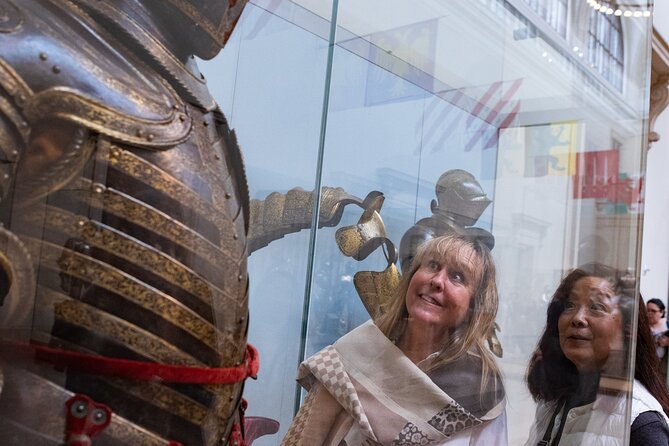
During the tour, your guide leads you through the Met with stories as the organizing principle. The focus is both broad and specific. You’ll hear about stories that take place in and around the museum, plus stories tied to particular works of art. The guide also pulls in the origins of stories, inspired by what you see.
That blend is smart. Broad context helps you feel the theme. Specific examples keep it from becoming vague talk. The result is a tour that feels like it has momentum. You’re not just learning facts. You’re watching how narrative patterns can show up in visual art.
One small but meaningful detail from guide-style examples: a guide named Evan has been described as using the Hero’s Journey framework to connect well-known storytelling styles to what people see in the museum. Even if your guide uses a different method, the underlying promise stays the same. You’ll get a clear story map that makes art easier to grasp.
Because the group is limited to 8 travelers, the guide can adjust to the pace. If something grabs attention, you usually get time to follow it. If you’re the type who asks lots of questions, you’ll likely get a response instead of a polite head nod and a quick move on.
Admission Included: The Value Check That Actually Matters
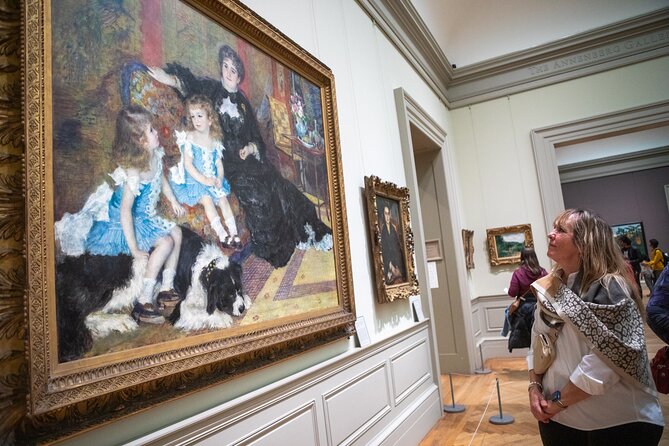
At $50 per person for about two hours, this is a “buy your focus” kind of experience. The biggest value lever is that museum admission is included. The Met’s entry cost can add up quickly, and combining it with a guided route removes a common travel annoyance: doing math mid-planning.
You also don’t have to spend energy figuring out how to get around. The tour gives you a guided sequence, with a guide who connects the artworks to story ideas. If you’re the sort of visitor who likes museums but dislikes decision overload, that time-saving can be worth a lot.
Small groups also affect value. In a big crowd, you lose details. In a group this size, you’re more likely to catch the explanations that change how you look at an artwork. That’s the difference between seeing and understanding.
And yes, this tour won’t replace a full day at the Met. But it can act like a high-quality “first draft” of your visit. You leave with a better sense of what to notice next, which can make your self-guided time more rewarding.
The Best-Fit Visitor: Who Should Book This Tour
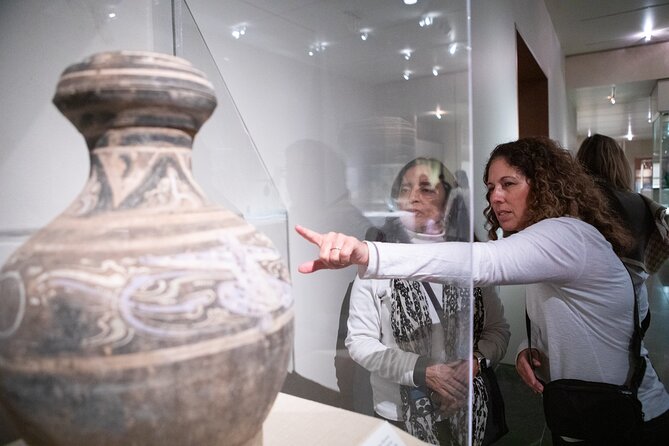
This tour shines if you like visual art and also like the way stories work on the page. You don’t need to study literature to enjoy it, though. You just need to enjoy connections: how themes repeat, how characters are shaped, and how meaning gets built from symbols.
It’s also a strong option if you’re traveling with someone who enjoys reading or storytelling. One of the strongest reactions from past tours highlights that a literary-minded daughter and her friend had a great time, and the parent enjoyed it too. That tells you the tone likely works for mixed ages and mixed interests, as long as there’s openness to the art-story link.
On the flip side, if you want a strictly chronological, encyclopedia-style museum tour with lots of deep curatorial detail, you might find the literary angle less aligned with your goals. This is about storytelling patterns and interpretation, not a museum catalog delivered at speed.





Practical Tips to Make Your Met Tour Feel Effortless
Here are a few things you can do that make a guided Met visit smoother.
First, come ready to move. Two hours at the Met means you’ll cover ground, even if the pace stays comfortable. Wear shoes you can rely on for museum walking.
Second, plan to treat your tour notes as prompts, not homework. The guide’s story lens will change what you notice. When you return to the galleries later, pick one or two artworks you remember and try re-reading them through the same story idea the guide used.
Third, if you’re bringing kids or teens, this kind of tour usually fits better than art lectures that focus only on dates and names. Story framing gives the visit momentum. It helps young minds stay oriented.
Fourth, use the mobile ticket. It’s part of the streamlined setup, and you’ll waste less time once you arrive. Confirmation happens at booking time, so keep that info handy on your phone.
Finally, give yourself a little buffer before 11:00 am. The Met can be busy in the Great Hall area, and you want time to get your bearings without rushing.
Value Beyond the Script: What You’ll Take Home
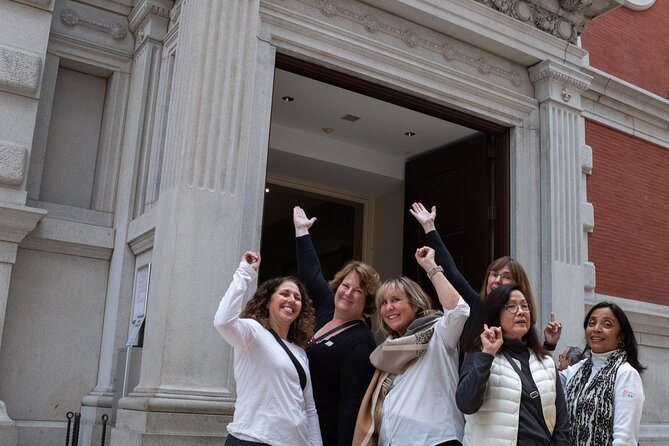
This tour doesn’t end when you leave the Great Hall. It leaves you with a better habit of looking. You start noticing how artworks communicate like stories. Shapes can feel like plot points. Symbols can feel like recurring themes. Even the way a work is presented can feel like a narrative decision.
You also learn that stories have origins, and those origins matter. That might mean learning how an artwork connects to earlier literary ideas, or understanding how story patterns echo across time. The goal is not to turn you into a scholar. It’s to help you see the museum as a living conversation between art and narrative.
That’s why this experience is so appealing to people who want more than a checklist of highlights. You’re building interpretive tools. When you walk past a new artwork later, you’ll likely pause longer, because you’ll have a framework for why it matters.
Should You Book The Art of Stories at the Met?
Book it if you want a guided Met visit that feels approachable and mentally fun. You get a story-based method, a small-group setup (max 8), and museum admission included in the $50 price. Starting in the Great Hall is also a comfort: you won’t waste your first minutes hunting the meeting point.
Skip it if your ideal museum day is mostly about broad coverage across many galleries, with minimal talking and minimal interpretation. Two hours is too short for that kind of plan, and the literary focus may not match your vibe.
If you’re on the fence, think about your travel style. If you enjoy learning through connections and stories, this is a smart use of a morning. It can make the rest of your Met time easier, not harder.
FAQ
How long is the Art of Stories tour?
It lasts about 2 hours.
Where do I meet for the tour?
You meet at the Metropolitan Museum of Art, 1000 5th Ave, New York, NY 10028, in the Great Hall area. The tour ends back at the meeting point.
Is museum admission included in the price?
Yes. Museum admission is included, so your ticket price covers entry.
What group size is this tour?
The maximum group size is 8 travelers.
What language is the tour offered in?
The tour is offered in English.
Are service animals allowed?
Yes, service animals are allowed.