REVIEW · NEW YORK CITY
Unexpected Wall Street Walking Tour
Book on Viator →Operated by Off the Beaten Subway Track Walking Tours · Bookable on Viator
Wall Street is more story than skyline. This 2-hour walk turns familiar names into a clear timeline of New York’s early years, from the water’s edge up toward today’s financial district, with South Ferry and Stone Street as your anchor points. You’ll hear how the city’s layers formed—often right under your feet.
Two things I really like: the tour stays intimate with a maximum of 15 travelers, so you actually get answers instead of just photo pauses. And the route pays attention to details most people miss, like the area around the harbor and the way Lower Manhattan grew over time, including how it connects to Dutch colonial years through modern days.
One possible drawback: the tour ends outside Fraunces Tavern Museum, and the museum itself costs extra if you want to go in. Plan for that choice—and bring your own water, since bottled water isn’t included and it’s a good idea to stay comfortable in warmer weather.
In This Review
- Key highlights at a glance
- South Ferry to Lower Manhattan’s first layers
- Battery Park: short stops that add up to a real sense of place
- Bowling Green: history on a human scale (with a subway twist)
- From Bowling Green to Wall Street: people and events in motion
- Stone Street’s cobbles, fire history, and archaeology
- Fraunces Tavern Museum: the smart end point and your next choice
- Value: is $45 worth it for a 2h 15m guided walk?
- What to expect day-of: pacing, group size, and comfort
- Who this tour suits best (and who might want a different plan)
- Weather and timing: make a plan that survives New York
- Should you book this Unexpected Wall Street Walking Tour?
- FAQ
- How long is the Unexpected Wall Street Walking Tour?
- What does the tour cost?
- Where does the tour start and end?
- What’s included in the price?
- Is bottled water included?
- Is the tour offered in English?
- What is the maximum group size?
- What happens if the weather is bad?
- Can I cancel for a full refund?
- Is the tour near public transportation, and are service animals allowed?
Key highlights at a glance
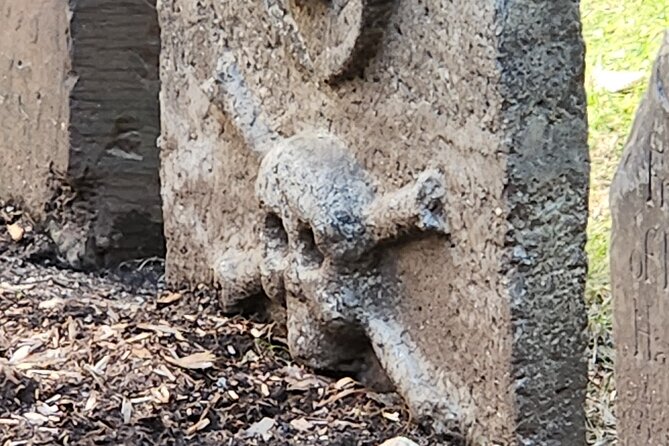
- South Ferry/Terminal start that focuses on archaeology and local art in the harbor area
- Battery Park route with multiple stops, not just a quick photo at the edge
- Bowling Green + a subway-station visit that adds a real sense of place
- Wall Street proper with people, events, and history woven into short street-to-street segments
- Stone Street’s cobbles and fire history, plus an important archaeological site stop
- Wrap-up at Fraunces Tavern Museum, with optional add-on time after the walk
South Ferry to Lower Manhattan’s first layers
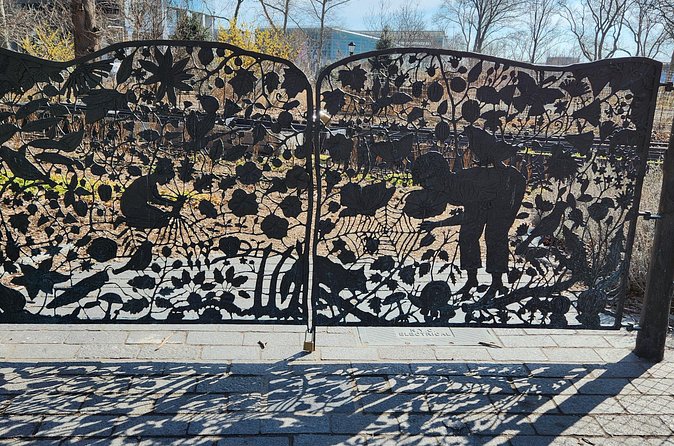
The walk begins at South Ferry/Terminal (11:00 am), and that’s smart. You start where the harbor meets the city, not where the tourists typically start—at the big shiny banks and towers. In the first stretch (about 10 minutes), your guide talks about the archaeology and art of the area, which sets the tone for the whole tour: New York didn’t just appear. It was built, reshaped, and layered.
What I like about starting here is the mental reset. Even before you reach Battery Park, you start thinking in layers: what’s natural coastline versus what became city land, and how the built environment reflects changes over centuries. This matters on a walking tour, because you’re not just moving through streets—you’re moving through time.
It also helps that the tour is guided. A guide can point out patterns you’d otherwise gloss over. You’ll notice things that look minor—materials, street angles, and the way the area funnels you toward key corners—because you’ll understand why they’re there.
You can also read our reviews of more walking tours in New York City



Battery Park: short stops that add up to a real sense of place
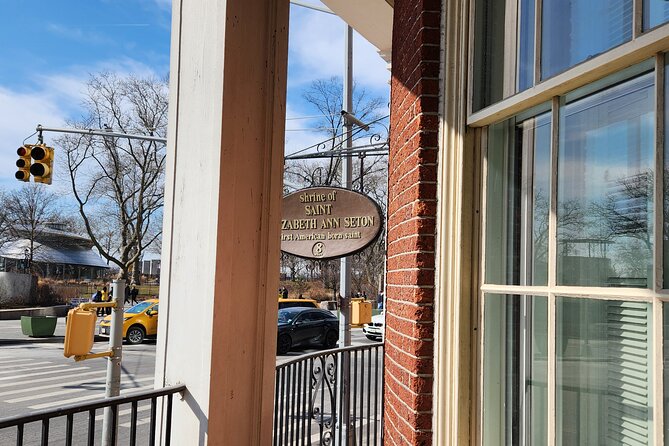
Next comes Battery Park (about 30 minutes total), with stops both on the way and inside the park. This isn’t a one-stop “look at the skyline” moment. You’ll make several quick pauses, which keeps the walk from feeling like a long transit segment between two famous blocks.
Battery Park is where the city’s relationship with the water—and later, with the growth of commerce—becomes obvious. If you’ve only skimmed Wall Street in guidebooks, this is the part that turns it from a blur of street names into a story about the city’s edges and expansions.
One practical benefit: the pacing. With multiple mini-stops, you’re not constantly trying to power through stretches while holding a place in your head. Instead, the guide gives you a few clear “anchors,” and then you walk from one anchor to the next.
Bowling Green: history on a human scale (with a subway twist)

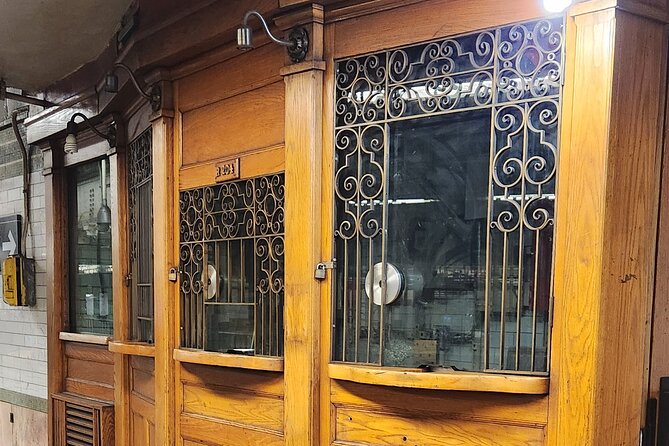
Then you move to Bowling Green (about 20 minutes). This square is small, but it’s packed with meaning because it sits right in the route where Lower Manhattan’s civic and commercial life took off. Here, the guide talks through events that happened at this location, plus you’ll visit the nearby subway station as part of how the area connects past to present.
The subway station piece is a good reminder that New York history isn’t sealed behind museum glass. It’s part of everyday movement. You walk in, you listen for the clues, then you come back out and the streets feel different—less random, more intentional.
If you love early American history, this stop can feel like a turning point. You start understanding why certain streets and institutions became magnets, and why particular intersections mattered. You also start seeing how the city’s geography nudged its political and financial choices.
From Bowling Green to Wall Street: people and events in motion
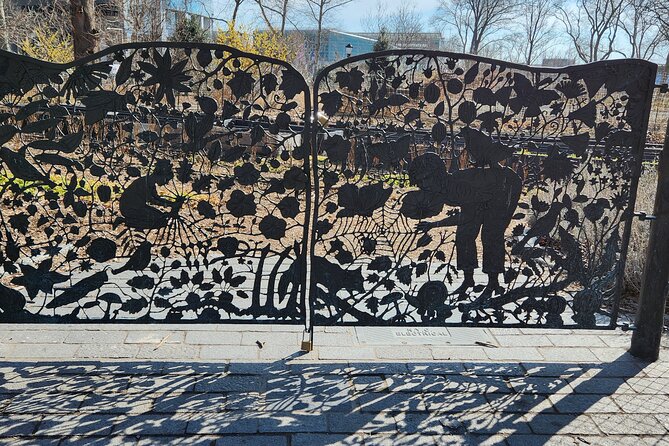
Your route continues toward Wall Street (about 30 minutes). Between Bowling Green and Wall Street, you’ll make a few stops where the guide ties together sites, people, and events. This is where the tour earns its name: you don’t just learn about Wall Street; you learn how Wall Street fits into what came before it.
There’s also a practical advantage to doing Wall Street on foot with a plan. Walking gives you context—how blocks tighten, how crowds and traffic shape the streets, and where you’d naturally pause for photos versus where you’d miss an important corner entirely. You’ll be led to those “missable” spots.
Based on the way this tour is described, you’ll also get connections that jump across eras, including Dutch colonial times and the later growth that shaped the financial district. And if you’re paying attention to street-to-street changes, you’ll likely notice how the city’s physical layout supports the story—especially as the route pushes deeper into the Financial District.
Stone Street’s cobbles, fire history, and archaeology
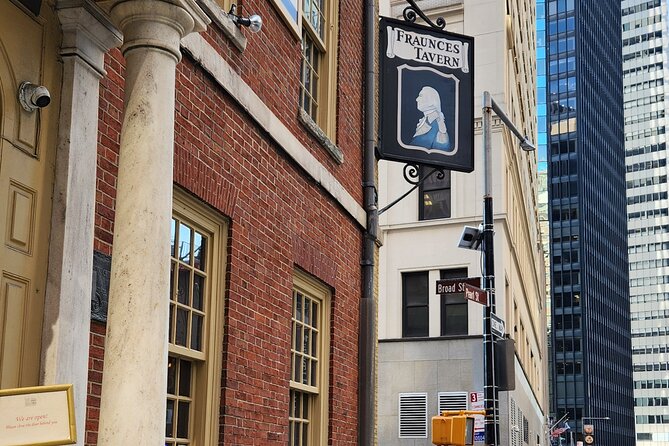
After Wall Street comes Stone Street (about 15 minutes). This stretch is famous for its cobblestones, but the guide focuses on why those stones matter—and ties that to the area’s fire history. That combination is surprisingly useful. It stops the cobbles from being just a photo op and turns them into evidence of past city conditions.
From there, the tour moves to an important archaeological site. This is one of the points where the tour’s approach feels different from a standard “famous landmarks only” walk. You’re not just hearing dates—you’re being told how the city’s physical remains (and their locations) help explain what happened.
Stone Street also works well as a break in tone. After the density of Wall Street, this quieter, older-feeling street gives you room to process what you just learned. Your brain gets a chance to connect the story to actual space.






Fraunces Tavern Museum: the smart end point and your next choice
The tour wraps up at 54 Pearl St, outside Fraunces Tavern Museum (about 10 minutes). This is a classic kind of stop: the area is historically meaningful, but the tour keeps the focus on walking and listening rather than turning into a full museum day.
Here’s your choice at the end: you can head back using the nearby subway, or you can stay and visit the museum. Museum admission isn’t included, so if you want to go inside, you’ll pay separately.
I like this wrap-up location because it lets you keep control of your time. If you’re on a tight schedule in New York, you’re not forced to add a museum visit. If you’re still curious, you have an easy on-ramp.
Value: is $45 worth it for a 2h 15m guided walk?
At $45 per person for about 2 hours 15 minutes, this tour sits in the “good value” zone for New York. You’re paying for a guided structure, not for expensive admissions. The stops listed along the way are free, and the tour is essentially you + your guide walking between key lower Manhattan story points.
The real value is the concentration. You’re getting local insight in a short window, with enough stops that you’re not just hearing one big lecture. And the max group size of 15 helps you feel like you’re part of the learning, not just standing in a crowd.
Also, the fact that it’s an English tour and uses a mobile ticket makes it easy to fit into your day. Starting at 11:00 am is convenient for anyone who doesn’t want an early wake-up or who already has morning plans elsewhere.
One small “budget reality” point: since bottled water isn’t included, think about adding a store-bought drink to your day. It’s not a dealbreaker, but it’s the kind of small factor that can change how pleasant a mid-morning walk feels.
What to expect day-of: pacing, group size, and comfort
This is a walking tour. That sounds obvious, but it matters for how you pack your morning. Wear comfortable shoes and expect you’ll be on city sidewalks for a couple of hours, with multiple stops that get you out of motion for short stretches.
Because the group is kept to 15 travelers maximum, you should expect a more conversational vibe. You’re likely to hear more than just straight facts. The tour is described as amusing and friendly, and that matters on history-heavy routes—humor keeps the timeline from turning into homework.
You’ll also get a mobile ticket setup, and confirmation comes at booking time. The meeting point is clearly at South Ferry/Terminal, and the end point is outside Fraunces Tavern Museum. If you like to plan your day down to the block, that clarity is a plus.
Language-wise, the tour is offered in English, so you won’t have to worry about your ability to follow the guide’s explanations.
Who this tour suits best (and who might want a different plan)
I’d recommend this tour if you want Wall Street history without sitting through a lecture. It works well for people who:
- like early New York / early American history
- prefer walking and noticing details over riding around in a vehicle
- enjoy guides who connect eras with stories you can visualize
It also seems like a good choice for families with older kids. In the feedback for this tour, kids around early high-school ages are said to have kept interest, which tells me the guide’s pace and humor land beyond just adult history buffs.
You might want a different plan if you’re looking for a long museum-style experience or if you strongly dislike walking indoors/outdoors in the city. This tour is built around the street level and short site stops.
Weather and timing: make a plan that survives New York
The tour requires good weather. If weather is poor, you’ll be offered a different date or a full refund. That’s helpful because it removes some of the stress about whether you’ll get your money’s worth on the day.
Timing is also worth noting: you start at 11:00 am, so it’s a morning activity. If you’re the type who gets hungry fast, grab breakfast before you meet your guide so you can stay focused during the walk.
If you’re planning ahead, it’s also useful to know this tour is commonly booked about 14 days in advance. That doesn’t mean you can’t get a spot last minute, but it’s a good hint to lock in your dates early if you’re traveling during a busy season.
Should you book this Unexpected Wall Street Walking Tour?
If you like history that shows up in the real street layout, I think you’ll enjoy it. The best reason to book is the combination of small group size, a guide who brings the timeline alive, and stops that go beyond the obvious Wall Street postcard route.
I’d book it when:
- you want a structured way to understand lower Manhattan’s growth
- you’d rather learn from someone than just read plaques
- you appreciate short, story-focused walking segments
I’d think twice if:
- you’re hoping for a museum-ticket-included tour (you’ll finish outside Fraunces Tavern Museum)
- you don’t want to walk for a couple of hours
- you’re traveling during a period when weather often turns
Overall, for $45, you’re buying a high-effort local storytelling walk—one that makes Wall Street feel less like a distant concept and more like a place with layers you can actually see.
FAQ
How long is the Unexpected Wall Street Walking Tour?
It lasts about 2 hours 15 minutes.
What does the tour cost?
The price is $45.00 per person.
Where does the tour start and end?
It starts at South Ferry/Terminal, New York, NY 10004, and ends at 54 Pearl St, New York, NY 10004, outside Fraunces Tavern Museum.
What’s included in the price?
The walking tour and the guide are included.
Is bottled water included?
No, bottled water is not included.
Is the tour offered in English?
Yes, it’s offered in English.
What is the maximum group size?
The tour has a maximum of 15 travelers.
What happens if the weather is bad?
The experience requires good weather. If it’s canceled due to poor weather, you’ll be offered a different date or a full refund.
Can I cancel for a full refund?
You can cancel for a full refund if you cancel at least 24 hours before the experience’s start time.
Is the tour near public transportation, and are service animals allowed?
Yes, it’s near public transportation, and service animals are allowed.