REVIEW · NEW YORK CITY
Fifth Avenue Gilded Age Mansions Private Guided Walking Tour
Book on Viator →Operated by Untapped New York · Bookable on Viator
Fifth Avenue hides stories in plain sight. This private guided walk focuses on the Gilded Age wealth that shaped Manhattan, with a local New Yorker steering you past facades and into context. I like that it’s built for hearing every detail clearly, not just catching a few highlights while people stream by.
Two things I’d bet you’ll love right away: the ear pieces (so the guide sounds crisp even when you’re slightly apart), and the chance to spot architecture you’d normally miss on your own. I also love that the guide isn’t just reciting facts; the tour style is storytelling, and one standout guide, Rose, is specifically praised for being personable and for sharing what life was like for the moneyed people of the Gilded Age.
One consideration: it’s a packed route in about 2 hours, with many stops along Fifth Avenue and through Central Park. If you prefer slow, linger-at-every-corner sightseeing (or you want lots of indoor time), this one may feel a bit brisk.
In This Review
- Key Takeaways Before You Walk
- Why This Walk Works Along Fifth Avenue
- Getting Ready: Price, Time, and What You’re Actually Buying
- Start Strong: Fifth Avenue and the Gilded Age Mindset
- Central Park Cut-In: Seeing the Wealthy Edge of Manhattan
- The Arsenal and the “Institution” Feel of the Park
- Central Park Zoo Area: A Quick Change of Pace
- Temple Emanu-El: Religion, Power, and Public Presence
- Frick Collection Exterior Viewing: Culture Meets Status
- Albertine Stop: Fifth Avenue’s Modern Story Layer
- Metropolitan Museum of Art Area: A Grand “After” Story
- Bergdorf Goodman: Shopping Facades as Social Signals
- Ukrainian Museum: A Final Cultural Thread on the Avenue
- Listening Comfort: Why Ear Pieces Are a Big Deal Here
- The Guide Factor: Rose and the Kind of Storytelling You Want
- Who This Tour Fits Best (and Who Might Want Something Different)
- Should You Book This Fifth Avenue Gilded Age Tour?
- FAQ
- How long is the Fifth Avenue Gilded Age Mansions private guided walking tour?
- How much does the tour cost?
- Is this tour private?
- What language is the tour offered in?
- Do I get a way to hear the guide clearly?
- Where does the tour start and end?
- What’s the cancellation policy?
- Is it easy to reach by public transportation, and are service animals allowed?
Key Takeaways Before You Walk
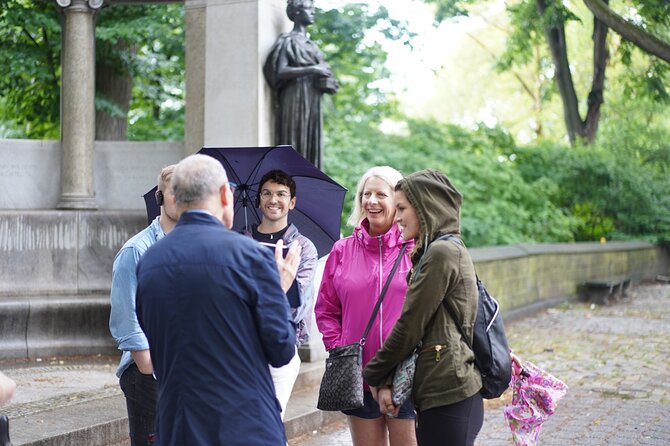
- Ear pieces for clear audio: you won’t have to strain to catch the guide, even from a little distance
- Private, group-only experience: you’re not mixing with strangers from multiple tours
- A Fifth Avenue focus with a Central Park cutoff: you get both landmark vibes and calmer angles away from the main drag
- Stories you don’t usually get: the tour emphasizes the people and power behind the buildings
- Route includes major museum-and-institution fronts: you’ll pass by the Frick, the Met area, and other well-known stops without needing to plan them
- Mobile ticket and English-led guidance: straightforward for travelers who want minimal hassle
Why This Walk Works Along Fifth Avenue
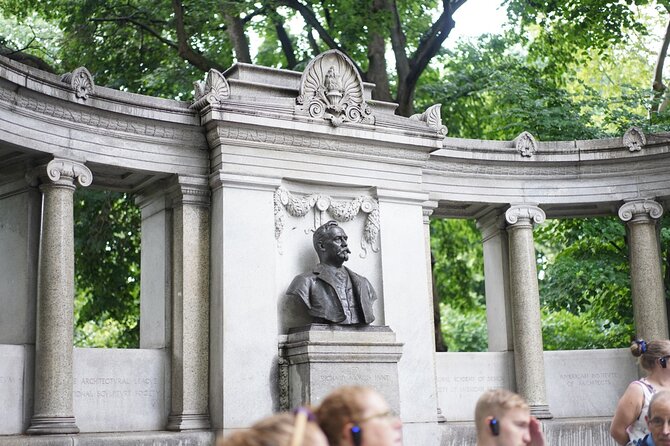
Fifth Avenue is one of those streets where you can look at buildings all day and still miss what matters. This tour is designed to fix that. Instead of treating the mansions and institutions like a photo scavenger hunt, the guide connects the visual details to the Gilded Age crowd that built their reputations—and their addresses—right here.
The other big reason it works is the sound setup. Ear pieces mean you’re not battling traffic noise or the crush of pedestrians. When the guide can be heard clearly, you naturally pay attention to smaller observations: placement, scale, and how a building communicates status without saying a word.
And because it’s a private format with a local New Yorker, the route feels intentional. You’re not just going from Point A to Point B—you’re walking with a plan for what to notice and when to look away from the obvious.
You can also read our reviews of more walking tours in New York City



Getting Ready: Price, Time, and What You’re Actually Buying
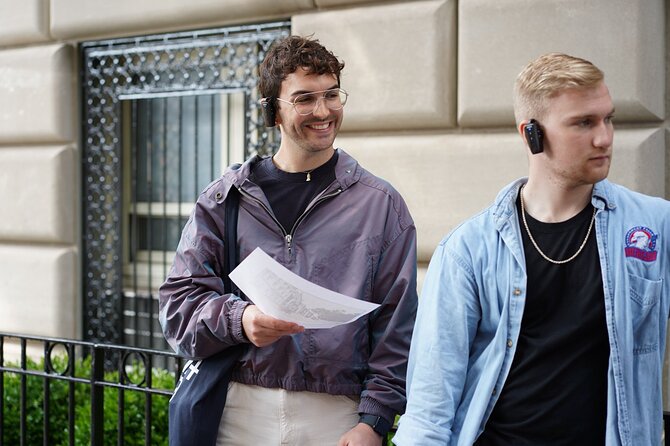
At $156 per person for about 2 hours, you’re paying for three things: a local guide, a private group experience, and ear pieces. If you’ve done city walking tours before, you know the guide is what turns “pretty buildings” into a story you remember.
The route is also relatively time-efficient. You cover a lot of ground: a Fifth Avenue segment, a Central Park segment, then back along the avenue toward major landmarks. That can be great value if you want orientation and context fast—especially the first time you’re in the area.
If you’re the kind of traveler who wants to stop for long bathroom breaks, settle into cafés for an hour, or go in-depth indoors, you might feel rushed. This tour is about walking and listening, not about full museum visits.
Start Strong: Fifth Avenue and the Gilded Age Mindset
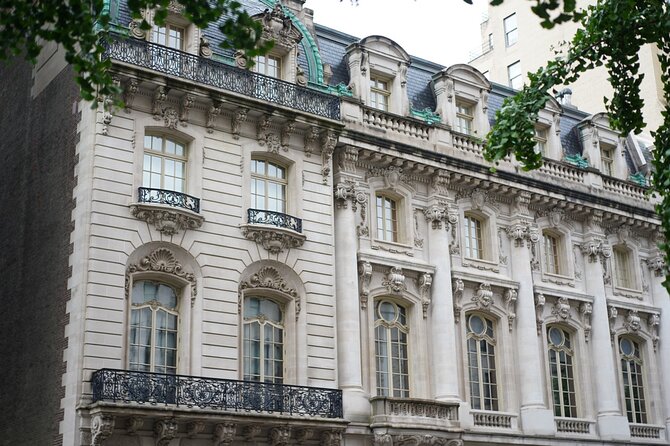
You begin on Fifth Avenue, right in the heart of where the wealthy wanted to be seen. The first leg is about getting your bearings: the guide sets the tone for what you’re about to notice and why those buildings got built the way they did.
What I like about this start is that it primes your eyes. You’ll start seeing the street as more than a lineup of expensive addresses. You begin to think in terms of display—how a facade, entrance, and overall scale can telegraph power.
This first stretch is also where the “private guide” element pays off most. In a normal walk, you’d move along quickly, glance at the highlights, and keep going. Here, you’re encouraged to slow just enough to notice the details the guide points out.
Central Park Cut-In: Seeing the Wealthy Edge of Manhattan
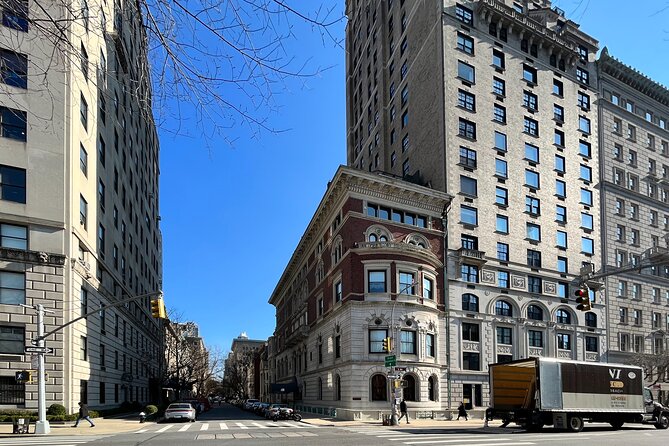
Next, you head into Central Park, moving from the area near Central Park West toward Fifth Avenue. Even though Central Park is famous, it can feel like a break from the city rather than part of the same story. The tour flips that idea.
The guide uses the park as a contrast—and a clue. The wealthy Gilded Age mindset didn’t only build on Fifth Avenue; it also shaped how people imagined nature right next to high society. You get a taste of that “two worlds close together” feeling without needing a long detour.
Timing is short, but that’s the point. You’re not trying to tour the whole park. You’re using it as a hinge in the route, so the Fifth Avenue wealth story doesn’t feel like it lives in one narrow corridor.
The Arsenal and the “Institution” Feel of the Park
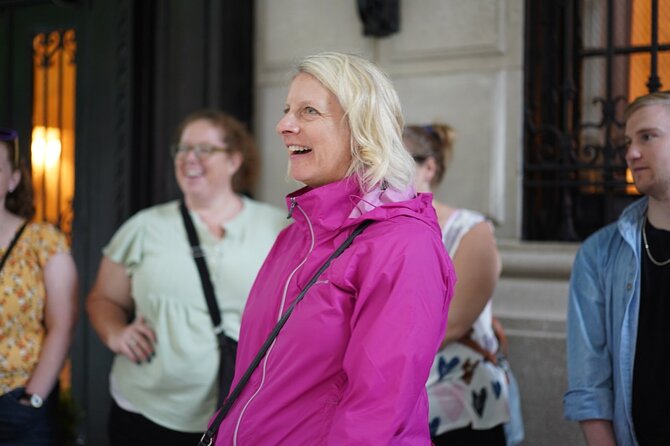
From the park area, you stop at The Arsenal (64th St, Fifth Avenue, Central Park). This stop gives you a change of scenery—more structured and monumental than the open-landscape feel of parts of Central Park.
This is a good moment in the tour for two reasons. First, the guide can point out architectural cues you might not clock from street level. Second, it reminds you that Manhattan’s big stories don’t only happen in mansions; they also happen in institutions and civic-feeling buildings.
If you’re a “pause and look” person, this is one of those stops where you can take a breath. Even with a tight schedule, it’s long enough to reset your brain from Fifth Avenue into the park’s rhythm.
You can also read our reviews of more guided tours in New York City






Central Park Zoo Area: A Quick Change of Pace
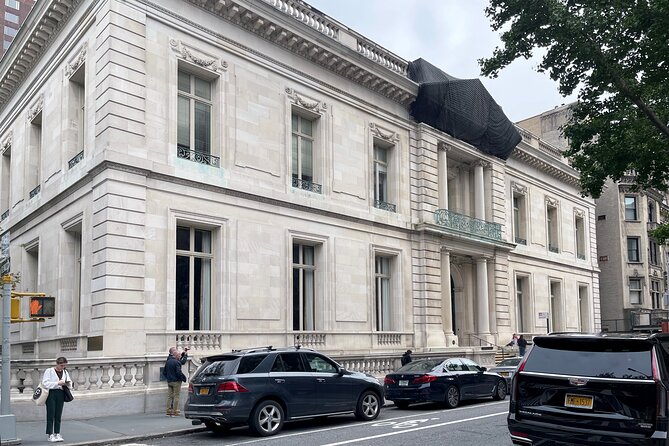
Then you’re at Central Park Zoo (830 5th Ave). This is a shorter stop, but it adds everyday texture to the route. You get a sense of how this part of Manhattan now works for modern visitors, right next to the same historic geography that once mattered for elite lifestyles.
From a practical angle, this stop helps break up the tour’s momentum. If you’ve been walking in city grids for a while, having a stop that feels different (more family-and-attractions energy) can keep the tour from turning into one long “look up at buildings” session.
Just keep expectations realistic: you won’t get a full zoo visit here. This is a guided glance and listen stop, built into the overall story of the neighborhood.
Temple Emanu-El: Religion, Power, and Public Presence
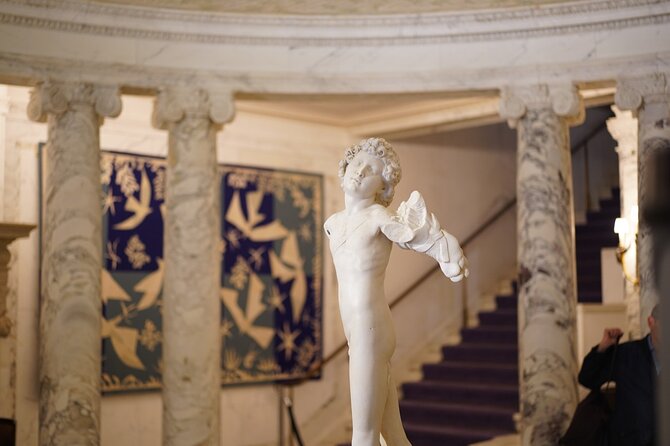
At Temple Emanu-El (1 E 65th St at Fifth Ave), the tour shifts again. Places of worship in Manhattan aren’t only about faith; they can also be highly visible expressions of community standing and long-term permanence.
This stop is useful if you’re interested in how the Gilded Age influence went beyond private homes. Wealthy patrons and prominent families often supported major civic and religious institutions, and those investments left physical marks on the city.
Even if you’re not a history buff, you can still enjoy it. The guide’s job here is to connect the “why” to what you can see—so you understand what you’re looking at instead of only admiring it.
Frick Collection Exterior Viewing: Culture Meets Status
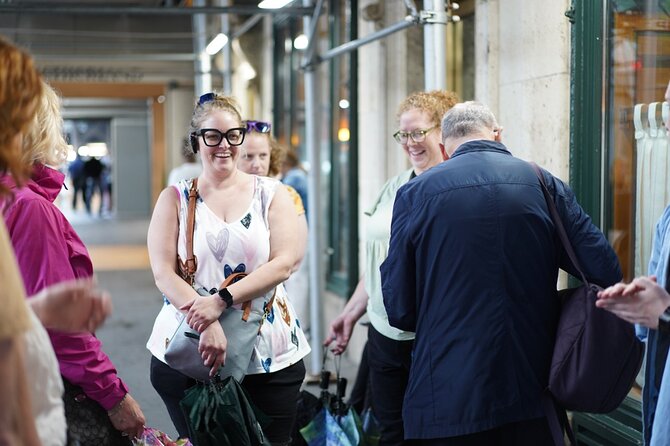
Next you pass The Frick Collection (1 E 70th St, Fifth Ave). The Frick area is especially good for understanding how art culture and wealth intersected in the city’s big transformation years.
If you’re used to seeing museums as neutral spaces, a guided stop like this reframes them. You start noticing the “who it was built for” story: how elite collectors and donors shaped what the public could eventually enjoy.
This is also a nice mid-tour point to regroup. By now you’ve heard the theme clearly and you’re ready to connect the dots between Fifth Avenue display and the institutions that grew out of it.
Albertine Stop: Fifth Avenue’s Modern Story Layer
The tour continues to Albertine (972 5th Ave at 79th). Because this is a named stop rather than a generic “look at the street,” it signals that the guide is also tracking the way Fifth Avenue keeps changing.
This is where the tour becomes more than a Gilded Age museum in the open air. You see how the same corridor that once symbolized old money now holds modern cultural life. That contrast can be surprisingly satisfying: you’re walking in an active part of the city, not a frozen postcard.
Don’t expect a long discussion here. It’s a short stop, but it helps you keep the tour grounded in what’s real today.
Metropolitan Museum of Art Area: A Grand “After” Story
One of the major stops is The Metropolitan Museum of Art (1000 5th Ave). Even without going inside, this kind of stop does something important. It shows you the long arc—how collecting, philanthropy, and civic ambition became visible through major cultural landmarks.
I like that the tour doesn’t treat museums as separate from the Fifth Avenue wealth narrative. It treats them as part of the same chain of influence. You’re not just seeing “beautiful buildings.” You’re seeing how institutions became the next phase of status and public legacy.
Timing is brief, so your job as a visitor is simple: look up, take in scale, and listen. The guide will do the connecting work.
Bergdorf Goodman: Shopping Facades as Social Signals
Then you’re at Bergdorf Goodman (754 5th Ave). Yes, it’s famous for shopping, but it’s also a perfect example of how Fifth Avenue “signals” status in different ways across eras.
A guided stop helps you notice more than logos. You start to see how merchandising culture, architecture, and street-level spectacle can all feel like descendants of the Gilded Age need to be seen.
This is also a practical stop: it’s a good place to orient yourself for the final stretch. You’ve had plenty of storytelling; now you get a familiar kind of landmark that makes it easier to connect the dots between “then” and “now.”
Ukrainian Museum: A Final Cultural Thread on the Avenue
Your last stop is at the Ukrainian Museum (2 E 79th St). Ending here is smart because it pulls the conversation forward into immigrant and cultural presence—another kind of Manhattan story built from identity, community, and visibility.
This final stop works especially well if you came for Gilded Age mansions but want the walk to feel like it belongs in today’s city too. It’s a reminder that Manhattan’s big cultural footprint isn’t only an American elite story; it’s also made by communities that helped shape what the city is now.
By the time you finish, you should feel like you understand the avenue as a living corridor, not just a line of old-money facades.
Listening Comfort: Why Ear Pieces Are a Big Deal Here
In many walking tours, the guide’s voice gets swallowed by the city. With this one, ear pieces are included, which changes everything about how you experience the walk.
It means you can stay in a comfortable group spacing. You don’t have to crowd close to hear every word, and you can still look at what the guide is pointing at. That’s a real quality-of-life upgrade in a place like Manhattan where people keep moving.
It also tends to make the tour feel more conversational. When the audio is clear, the guide can tell longer, more layered stories instead of compressing everything into short sound-bite bursts.
The Guide Factor: Rose and the Kind of Storytelling You Want
A standout theme from guide praise centers on Rose. She’s described as very personable and very knowledgeable about the Gilded Age moneyed people stories, and that mix is exactly what makes this format work.
You don’t need the guide to be a walking encyclopedia. You need them to translate what you’re seeing into a story that clicks. In a route like this, that’s the difference between “I saw cool buildings” and “I understand why this street looked the way it did.”
I’d recommend this tour particularly if you like character-driven storytelling—people, habits, and choices—more than dry dates and lists.
Who This Tour Fits Best (and Who Might Want Something Different)
This is a strong match for:
- First-timers who want Fifth Avenue orientation without building a self-guided route
- Travelers who like architecture but also want the human story behind it
- People who prefer listening tours with ear pieces, not ones where they constantly ask What did they say?
It may be less ideal if:
- You hate walking in short bursts between lots of stops
- You want long museum time or deep interior exploration
- You’re looking for only mansion exteriors and nothing else (this route also includes major institutions and park stops)
Should You Book This Fifth Avenue Gilded Age Tour?
If you want a guided, story-first walk along Fifth Avenue that helps you actually notice what’s there, this one is worth your time. The combination of a local guide, clear ear-piece audio, and a tight route that still covers a meaningful arc through Central Park and back makes it a solid value for a two-hour window.
I’d book it if you’re the type who enjoys learning how power and wealth shaped the city’s look—and you’d like to leave with a clearer sense of Manhattan’s layers, not just photos. If you’re craving a slower pace or heavy indoor sightseeing, consider pairing your day with separate museum time after the tour.
FAQ
How long is the Fifth Avenue Gilded Age Mansions private guided walking tour?
It runs for about 2 hours.
How much does the tour cost?
The price is $156.00 per person.
Is this tour private?
Yes. It’s private, and only your group participates.
What language is the tour offered in?
The tour is offered in English.
Do I get a way to hear the guide clearly?
Yes. Ear pieces are included so you can hear the guide perfectly, even from a distance.
Where does the tour start and end?
The tour starts at 764 Doris C Freedman Pl, New York, NY 10019, and ends at 975 5th Ave, New York, NY 10075.
What’s the cancellation policy?
You can cancel for a full refund if you cancel at least 24 hours before the start time. If you cancel less than 24 hours before, the amount paid won’t be refunded.
Is it easy to reach by public transportation, and are service animals allowed?
Yes. It’s near public transportation, and service animals are allowed.