REVIEW · NEW YORK CITY
Gluten Free Walking Tour of Central Park NYC
Book on Viator →Operated by Gluten Free Traveling Toon - Sinéad · Bookable on Viator
Central Park can feel like a whole city inside one park. This gluten-free walking tour turns it into a plan: food stops that fit celiac-style needs, plus a guided route through the park’s biggest photo and story moments. With Sinéad leading the way and a group capped at 6, you get easier navigation and more personal attention while you explore.
What I like most is the balance: you get a real Central Park walk (not just a couple of quick stops) and you also get a gluten-free food thread that keeps the day practical. You start with a gluten-free breakfast at Noglu, then you end with a gluten-free bagel pickup plus nearby 100% gluten-free options if you want to keep eating after the tour.
One thing to consider: the tour includes snacks and set tastings, but the lunch you may choose at the end is not included, so you’ll still want a little spending flexibility. Also, it’s a moderate walk, so bring shoes you trust.
In This Review
- Key points to know before you go
- Starting at Noglu on Madison: a gluten-free day plan from minute one
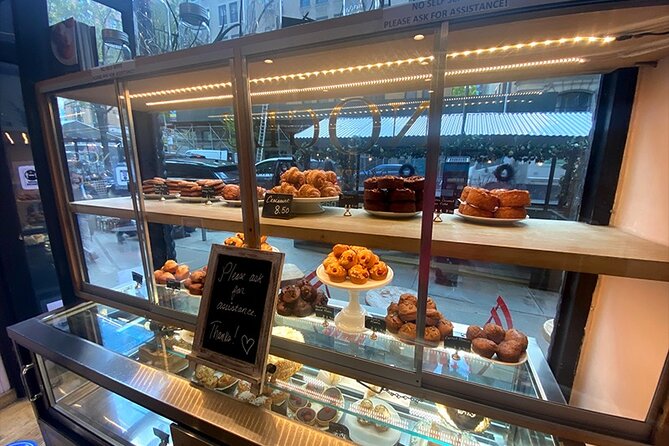
- Noglu light breakfast: pastries and a beverage to fuel the walk
- Central Park’s storytelling route: from Model Boat Pond to the Mad Hatter Tea Party
- Loeb Boathouse and Victorian touches near Bethesda Terrace
- Bethesda Terrace and Angel of Waters: art, water, and public health
- Strawberry Fields: a peaceful memorial you walk through slowly
- Cherry Hill Fountain and Bow Bridge: classic photos with real context
- Belvedere Castle and Turtle Pond: the weather data twist
- Ending with gluten-free bagels: Modern Bread and Bagel plus 100% GF choices
- What $151 buys you: guidance, safety, and real Central Park coverage
- Who this Central Park GF tour fits best
- Should you book this gluten-free Central Park tour?
- FAQ
- How long is the Gluten Free Walking Tour of Central Park NYC?
- What food is included in the tour?
- Where does the tour start and when?
- How large is the group?
- Is the tour offered in English?
- Do I need a special fitness level?
- What if the weather is poor?
Key points to know before you go
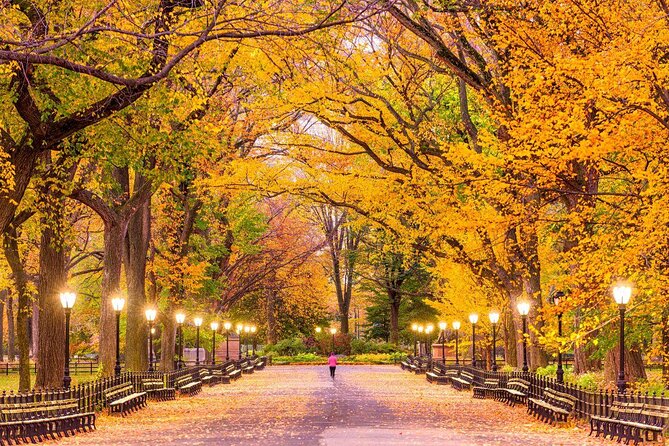
- Small group (max 6) means you can ask questions without shouting over crowds
- Noglu breakfast included: a gluten-free patisserie plus a beverage (coffee, tea, water, or juice)
- Modern Bread and Bagel gluten-free bagels included at the end, with other 100% gluten-free dining nearby
- Big Central Park landmarks, explained simply (Bethesda Terrace, Angel of Waters, Strawberry Fields, and more)
- Weather-dependent experience: good weather matters because this is a walking tour
- A true gluten-free focus so you spend less time guessing what’s safe
Starting at Noglu on Madison: a gluten-free day plan from minute one
The tour launches at Noglu, 1260 Madison Ave at 10:15 am. I like this approach because it solves the first problem most gluten-free visitors face in New York: what to eat before you even start walking. You’re not wandering hungry, and you’re not relying on luck.
You’ll also be given a mobile ticket, which keeps things simple once you’re on the move. And since the tour is in English, you’ll get the storytelling and safety guidance without translation delays.
Central Park is huge, so the value here is in the structure. You get a guided route that helps you avoid the classic problem: seeing only a fraction of the park because you’re tired, lost, or hungry at the wrong time.
You can also read our reviews of more walking tours in New York City



Noglu light breakfast: pastries and a beverage to fuel the walk
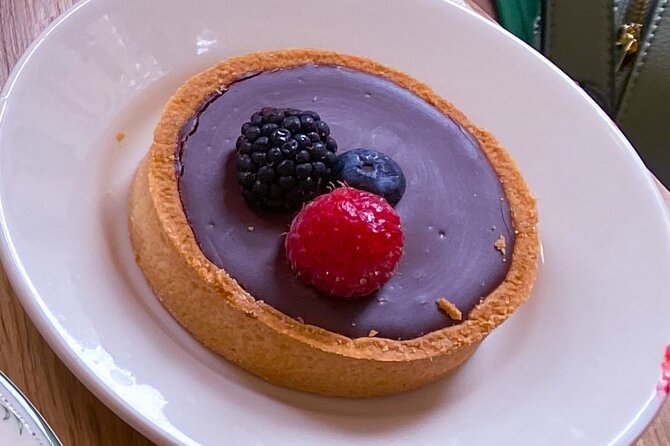
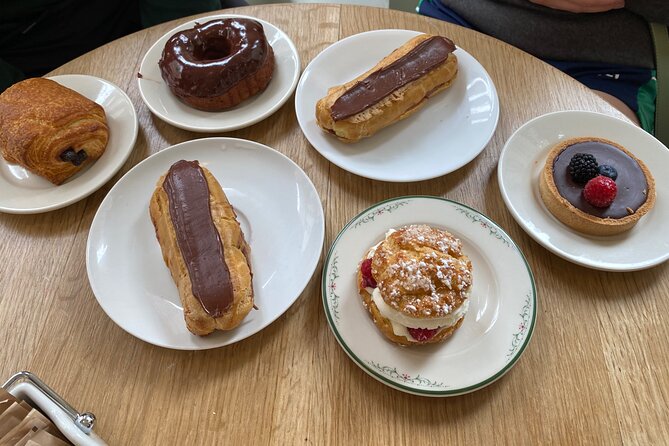
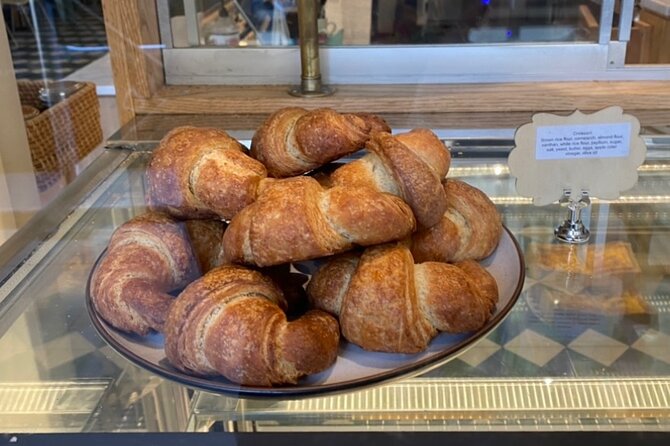
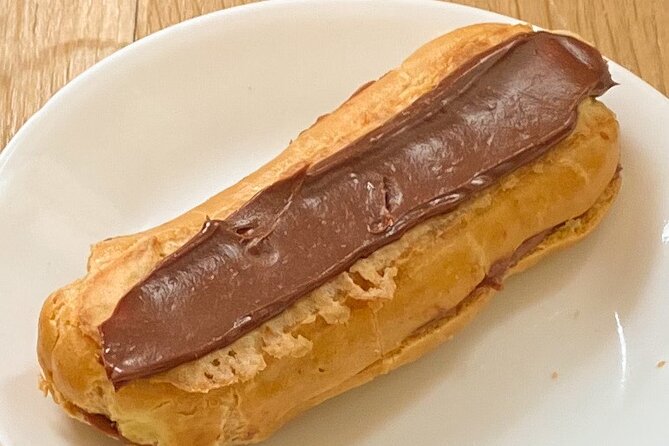
Stop one is your included light breakfast at Noglu. You’ll choose a gluten-free patisserie from the daily menu and pair it with a beverage choice such as coffee, tea, water, or juice.
This part matters because Central Park walking has momentum. If your first meal is too heavy, you’ll feel it later near the steep-ish areas around higher viewpoints. If it’s too light, you’ll start bargaining with yourself halfway through. This “just enough” start is a smart match for a tour that lasts about 3 hours 30 minutes.
One practical note: the food you get can change based on availability. That’s normal for any specialty bakery, so I’d come in knowing you’re there for the experience and the gluten-free safety, not one exact pastry.
Central Park’s storytelling route: from Model Boat Pond to the Mad Hatter Tea Party
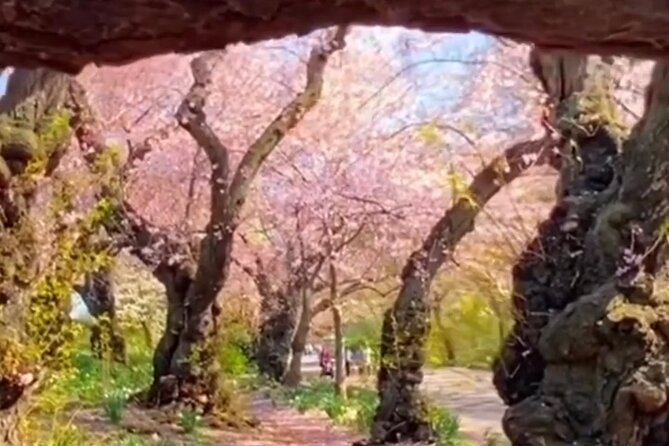
After breakfast, the walk heads toward Conservatory Water, also known as the Central Park Model Boat Pond. This is the kind of stop where you slow down naturally. It’s open enough to spot details, and calm enough to hear the guide’s explanations.
You’ll pass a bronze portrayal inspired by Hans Christian Andersen, linked to The Ugly Duckling. The story reference is part of the fun here, especially because you’ll hear how the depiction connects to the swan imagery in the tale. This is one of those stops that turns a random statue into a remembered moment.
Next comes the Alice in Wonderland Tea Party featuring the Mad Hatter sculpture. A detail I love: it’s tied to a real donation story. The Tea Party was donated in 1959 by George Delacorte in memory of his wife, and it connects to Lewis Carroll’s Alice’s Adventures in Wonderland being read to their children. If you’ve ever visited the park and wondered why kids seem to cluster in one spot, this explains it.
Your takeaway: you’re not just moving through the park. You’re collecting mini stories that make the visual clutter feel organized.
Loeb Boathouse and Victorian touches near Bethesda Terrace
As you head toward Bethesda Terrace, you’ll pass Loeb Boathouse, the launch point for rowboats. Even if you never plan to rent a boat, this spot gives you context for how the park’s water features were designed to be used, not just admired.
You’ll also hear about the designer Calvert Vaux, a key figure in Central Park’s creation. The guidance here focuses on why certain details feel old-world, including Victorian touches that show up along the water.
If you’re the type who likes “why this looks like this,” these between-landmark moments are where the tour stays worth it. If you only want the loudest single photos, you might feel like some stops are more atmospheric than dramatic.
Bethesda Terrace and Angel of Waters: art, water, and public health
Bethesda Terrace is the type of Central Park stop you’ve probably seen in photos, but the tour helps you understand what you’re looking at. You can take in the Minton tile ceiling, which opens up toward Bethesda Fountain.
Then comes one of the most powerful explanations on the route: the Angel of Waters sculpture. You’ll learn it stands 26 feet high, created by Emma Stebbins, and that it was one of the first public art commissions from a woman. That’s a fact you can actually point to while you’re standing there, which makes it stick.
The history connection is specific and surprisingly relevant. The Angel marks the 1842 Croton Aqueduct, which brought fresh water from Westchester County into New York. The result was important in ending the Cholera Epidemic, so this isn’t just pretty stone. It’s a monument to clean water and public health.
The tour also ties the symbolism together: the lily represents purity, and the four figures at the base represent peace, health, purity, and temperance. And if you like actor-history links, you’ll also hear that the sculpture was modeled after stage actress Charlotte Cushman.
A lighter moment follows near the lake too, where you can admire the turtles that live in the area. This gives the park a breathing space before you shift into the more solemn memorial stops.




Strawberry Fields: a peaceful memorial you walk through slowly
Next you reach Strawberry Fields, created in memory of John Lennon. You’ll hear the details of his life being taken on December 8, 1980, and you’ll learn that his ashes are scattered here, which makes it meaningful ground for many Beatles fans.
This stop can feel emotionally serious even if you’re not a hardcore fan. That’s why the tour’s pace is helpful. You’re not rushing through a memorial while someone waves you on. You’re given time to appreciate the Image mosaic gift from the city of Naples, Italy and to take in the quiet setting under the American elms.
If you’re sensitive to somber moments, this is the section to approach with a little extra headspace. It’s not a party stop, but it’s also not a long lecture. It’s a chance to slow down in one of the park’s most visited spots.
Cherry Hill Fountain and Bow Bridge: classic photos with real context
As you move out of Strawberry Fields, you pass Cherry Hill Fountain. It was originally created as a drinking fountain for horses, which is the kind of detail you wouldn’t guess from looking at it today.
Now birds use the flowing water and the fountain’s cups, and the spot is also a popular photo destination. It’s one of those “the park still works for animals” moments that makes Central Park feel lived-in.
Then the route crosses the Bow Bridge, one of Central Park’s most recognizable bridges. You’ll hear it’s been the setting for many marriage proposals, plus that it appears in movies, which helps you connect what you’ve seen in film to the real location in front of you.
This part is great for quick photo stops, but it’s also where you’ll want patience if there are crowds. The good news: the guide’s route planning helps you keep the day moving without feeling like you’re stuck waiting for your turn at every stop.
Belvedere Castle and Turtle Pond: the weather data twist
Next is Belvedere Castle, built on Vista Rock and sitting 130 feet high, making it the second highest point in Central Park. The tour gives it a fresh angle: the castle’s main tower is used for wind speed measurements for weather reporting.
You’ll also learn about an automated surface observing system (ASOS) located just south of the castle. That’s a concrete science tidbit in the middle of a scenic park, and it’s fun to look for the area while thinking about what’s happening behind the scenes.
At the base sits Turtle Pond, named for its residents. It’s a gentle closing vibe for the core “see it, walk it, learn it” part of the tour before you shift toward food again.
Ending with gluten-free bagels: Modern Bread and Bagel plus 100% GF choices
The tour ends on the west side of Manhattan near Modern Bread and Bagel and Thyme and Tonic. Important detail: the cost of food at these final locations is not included in the tour.
What is included is the handoff food moment: you’ll pick up gluten-free bagels at Modern Bread and Bagel. That’s a satisfying finish because it’s not a random snack. It’s a New York item that works for gluten-free eating.
Both end-of-tour restaurant options are listed as 100% gluten free, which is exactly what you want at the end of a day. If you’re tired, you can simply eat without running the mental checklist again.
One small planning thought: the overall tour notes can say it ends back at the meeting point area, while also describing the end on the west side near those restaurants. Either way, keep your post-tour plans flexible, because you’ll want time to eat and wander a little while you still have energy.
What $151 buys you: guidance, safety, and real Central Park coverage
At $151 per person, this isn’t a cheap “just walk with someone” tour. The value is in what’s included and what it prevents.
You get:
- A gluten-free breakfast at Noglu (patisserie + beverage)
- A guided Central Park route through major stops
- An admission ticket noted as included for 30 minutes (tied to part of the route experience)
- A gluten-free bagel pickup at the end
Then there’s the less-measurable value: you’re paying for fewer decision headaches. Gluten-free travel in a city can mean endless questions, substitutions, and uncertainty. This tour is built to reduce that friction so your day feels like sightseeing, not stress management.
If your budget is tight, consider what you’d spend anyway on a safe morning meal plus transportation plus an admission or two. Even without doing exact math, the structure makes it easier to feel like you’re not paying just for a walk.
Who this Central Park GF tour fits best
This tour is especially good for:
- People with celiac disease or strict gluten-free needs who want an organized day without guessing
- First-timers to NYC who want to get oriented in Central Park without getting lost
- Families who need kid-friendly pacing and a guide who can help with questions
- Solo travelers who want company and a route plan, not just time alone in crowds
It may be less ideal if you want a fully self-directed day with no structure at all, or if you dislike guided narration. But if you like learning while walking and you care about safe food, this route is a strong match.
Also, with a max group size of 6, you’ll typically feel less squeezed than on larger tours. That’s a big comfort factor in Central Park.
Should you book this gluten-free Central Park tour?
Yes, if you want Central Park highlights delivered with a clear gluten-free plan and a guide who focuses on practical “how to manage this while sightseeing.” The Noglu start and the Modern Bread bagel finish keep the day grounded, and the route hits the park’s biggest storytelling spots without making you sprint.
Maybe skip or wait if you hate the idea of paying separately for lunch later, or if you’d rather pick your own food stops from scratch. But for most gluten-free visitors, the value is simple: you get Central Park, you get safe tasting moments, and you waste less time worrying about what’s okay to eat.
FAQ
How long is the Gluten Free Walking Tour of Central Park NYC?
The duration is approximately 3 hours 30 minutes.
What food is included in the tour?
You get a light gluten-free breakfast at Noglu (a gluten-free patisserie plus a beverage), and you also pick up gluten-free bagels at the end. Food at the final restaurants is not included.
Where does the tour start and when?
It starts at Noglu, 1260 Madison Ave, New York, NY 10128 at 10:15 am.
How large is the group?
The tour has a maximum of 6 travelers.
Is the tour offered in English?
Yes, it is offered in English.
Do I need a special fitness level?
You should have a moderate physical fitness level.
What if the weather is poor?
The experience requires good weather. If it’s canceled due to poor weather, you’ll be offered a different date or a full refund.