REVIEW · NEW YORK CITY
Half-Day Civil Rights Walking Tour in Harlem with Lunch
Book on Viator →Operated by Welcome to Harlem · Bookable on Viator
Harlem teaches fast, if you let it. This half-day walking tour strings together major civil-rights landmarks and faces you can actually point at on the map—starting with Temple No. 7 and Malcolm X’s original congregation, then tying the neighborhood to bigger moments like the March on Washington. I love how the tour focuses on specific places instead of vague talking points, and I love that an included lunch keeps the momentum going after the walk. One heads-up: it’s about a 3-hour, on-foot experience, so wear comfortable shoes and plan for a bit of pavement time.
You’ll start at 130 Malcolm X Blvd and end near 515 Malcolm X Blvd, so you get a feel for how Harlem connects street to street—not just one photo-stop at a time. The group stays small (max 30), it runs in English, and the meeting points are near public transportation, which makes it easier to fit into a NYC schedule. The main trade-off is the time is tight: you get around 15 minutes at the Schomburg Center, so if you want a long museum-style visit, you’ll still need a follow-up on your own.
In This Review
- Key Things That Make This Tour Worth Your Time
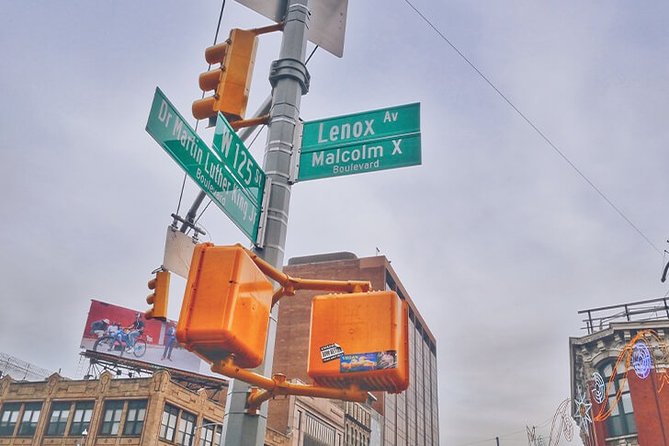
- Why This Harlem Civil Rights Walk Starts at Malcolm X Blvd
- The Pace: Group Size, Duration, and What Moderate Fitness Really Means
- Stop-by-Stop: Temple No. 7 and the Malcolm X Starting Point
- From Wyatt Tee Walker to Paul Robeson’s Freedom Church
- The Waldorf of Harlem: A Premier Hotel Stop That Changes the Mood
- Langston Hughes’s Home: Literature as Civil Rights Evidence
- Schomburg Center for Research in Black Culture: Free Entry, Short Visit
- The Adam Clayton Powell, Jr. and Sr. House Stop
- Lunch Included: Turning Learning Into a Real Break
- Price and Value: What $82 Buys You in Real Terms
- Guides and the Human Touch You’ll Notice Fast
- Who This Tour Fits Best (and Who Might Prefer Something Else)
- Final Call: Should You Book This Harlem Civil Rights Walking Tour?
- FAQ
- How long is the Harlem Civil Rights Walking Tour with lunch?
- What time does the tour start?
- Where do you meet and where does the tour end?
- What’s included in the price?
- Is tips included?
- Is the tour offered in English?
- How big is the group?
- Is the tour near public transportation?
- What if the weather is bad?
- Do I need anything to join, like a ticket?
Key Things That Make This Tour Worth Your Time
- Temple No. 7 and Malcolm X’s original setting to frame the story from the start.
- Churches tied to Wyatt Tee Walker, Paul Robeson, and discrimination-fighting activism.
- Schomburg Center for Research in Black Culture with free admission for your stop.
- Real Harlem landmarks like the Waldorf of Harlem hotel and Langston Hughes’s home.
- Lunch included right after the walk, so you don’t waste the best part of the afternoon hunting food.
Why This Harlem Civil Rights Walk Starts at Malcolm X Blvd
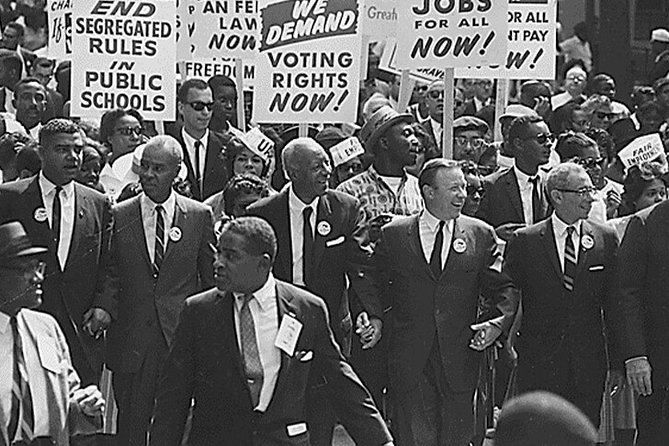
Starting on Malcolm X Blvd matters. It signals you’re not doing a generic Harlem stroll—you’re walking a line of people and ideas that shaped civil rights in the U.S., and the guide keeps steering you toward cause-and-effect, not just names.
This tour also feels built for people who want structure. With a set start time (11:00 am) and a defined end area, you can plan the rest of your day without guessing how long it might take to find the next stop. For me, that’s a big part of the value: it turns time into learning.
And yes, the neighborhood connection is the point. The tour highlights Harlem’s link to the March on Washington, plus what happened during two Harlem riots, so you see how national movements collided with local realities.
You can also read our reviews of more walking tours in New York City



The Pace: Group Size, Duration, and What Moderate Fitness Really Means
The walk runs about 3 hours and is designed for a moderate physical fitness level. That usually translates to steady walking, some time standing while the guide explains what you’re looking at, and enough movement that you’ll feel it by the end.
The small-group limit helps. With a maximum of 30 people, you’re less likely to be stuck behind a wall of shoulders every time the guide points something out. It’s also scheduled as a half-day activity, which is ideal if Harlem is a “one day, many stops” part of your NYC plan.
If you’re used to long museum days, you might be tempted to treat this like a light stroll. Don’t. This is a walking tour with history layered in, so bring water and plan to keep your eyes up while you move.
Stop-by-Stop: Temple No. 7 and the Malcolm X Starting Point
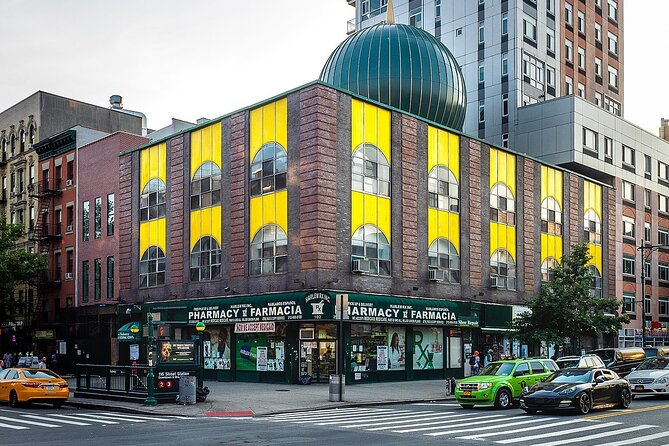
You begin at 130 Malcolm X Blvd, and the first major stop is the original Temple No. 7 led by Malcolm X. This is a powerful anchor because it puts a major civil-rights figure at the center of the place, not just in a textbook.
Here’s what I think you’ll appreciate: the guide doesn’t treat it like a single statue moment. Instead, it works as a launching pad for understanding why churches weren’t only worship spaces—they were organizing hubs, community centers, and platforms for social change.
Practical tip: if you’re the type who likes to take photos, do it quickly at the start, then switch into listening mode. The story is the main “photo,” and it flows best when you stay with the group.
From Wyatt Tee Walker to Paul Robeson’s Freedom Church
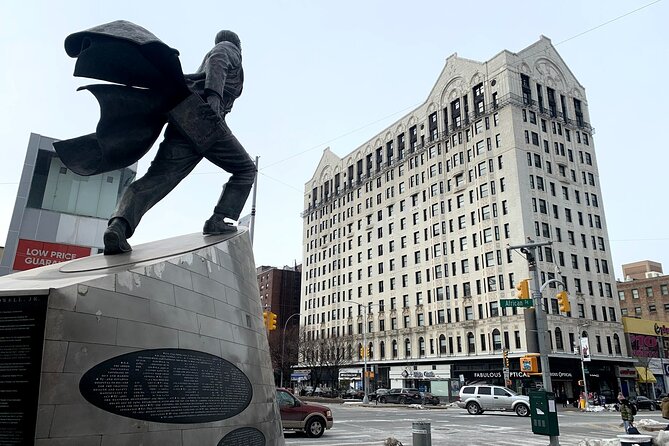
Next, you’ll pass a church led by Wyatt Tee Walker. Walker’s name shows up in civil-rights leadership circles, and having that connection tied to a physical church setting helps the story feel grounded. You’re not just learning a title—you’re seeing where leadership lived.
Later in the walk, the tour highlights the church known as the Freedom Church. Paul Robeson attended services there, and he spoke out against discrimination. That detail is important because it shows how the fight for civil rights stretched beyond one lane. Music, public voice, and faith spaces all intersected.
One realistic consideration: you may not recognize every stop from the street at first glance. That’s normal in Harlem. The tour’s value is helping you read the neighborhood—what each building meant, why it mattered, and how the people connected.
The Waldorf of Harlem: A Premier Hotel Stop That Changes the Mood
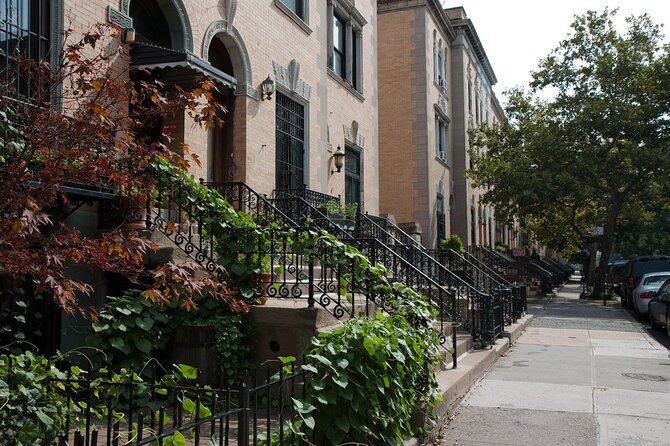
Not every civil-rights landmark looks like a church. You’ll also see the premier hotel in Harlem known as the Waldorf of Harlem. This stop does something useful: it widens your view beyond the obvious political spaces.
Why does that matter for you? Because Harlem’s story includes community life, visibility, and the cultural economy—not only protests and meetings. Even if you’re focused on civil rights, this kind of stop helps explain why the neighborhood held attention and why it mattered to outsiders and insiders alike.
This is also a good moment to catch your breath. A hotel stop often means a shorter explanation and a bit of time to look around before you move on.
You can also read our reviews of more tours and experiences in New York City






Langston Hughes’s Home: Literature as Civil Rights Evidence
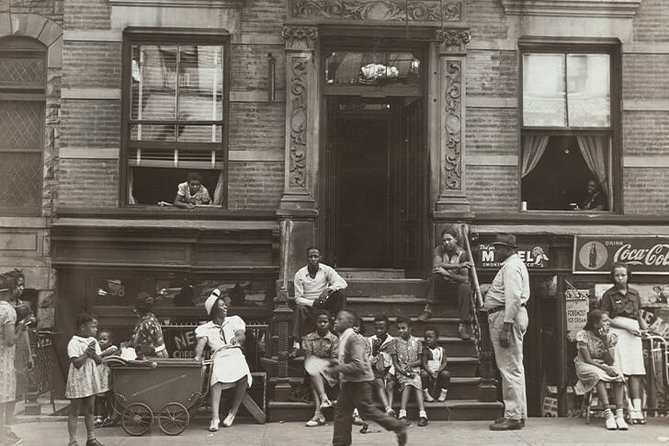
You’ll pass the home of Langston Hughes. This is one of the places where Harlem history feels personal, because literature can be a form of activism. The guide uses this stop to show that social change wasn’t only marched for—it was written, shaped, and broadcast through culture.
I like that the tour doesn’t treat arts figures as an add-on. It keeps the connections moving, so you feel the broader point: words can challenge discrimination, and a neighborhood’s identity can become a weapon against erasure.
If you’re a book person, you’ll probably slow down here, and that’s fine. Just be careful with timing so you don’t lose the group when you’re walking again.
Schomburg Center for Research in Black Culture: Free Entry, Short Visit
A major highlight is your stop at the Schomburg Center for Research in Black Culture. You get about 15 minutes there, and the admission ticket for this stop is free.
You’ll likely find this to be the tour’s most “I can keep going after this” moment. Even with limited time, the Schomburg Center is the kind of place that can pull you in fast—so treat the visit as an introduction, not the full experience.
How to get the most from the time: if you have specific interests (archives, collections, exhibits), skim ahead in your own prep before you go. With only a short window, your goal should be to leave with leads for a return trip, not to absorb everything in one stop.
The Adam Clayton Powell, Jr. and Sr. House Stop
The tour also includes the house that Adam Clayton Powell, Jr. and Sr. built. This stop helps connect civil-rights leadership with family legacy and community presence. It’s a reminder that leadership often comes with real estate, real planning, and real day-to-day community involvement.
This is also a “listening stop.” You’ll probably get the most value by standing still and letting the guide tell you what to look for and why the location mattered in the neighborhood’s story.
If you’re wondering whether this will feel like a lot of names, it probably won’t—because the tour uses each person’s role to explain the larger pattern of organizing, advocacy, and community power.
Lunch Included: Turning Learning Into a Real Break
After the tour, you’ll have an included lunch in the neighborhood. This is more valuable than it sounds. Half-day walking tours sometimes leave you hungry and scattered, trying to solve food during the last hour of daylight.
Here, you can reset right away. You get time to sit, talk casually with your group, and look at the street you just walked through with less urgency.
One practical tip: since you’re in Harlem, you’ll probably want to keep an eye on your schedule afterward. Lunch can easily stretch if you get comfortable, so plan the rest of your day with a little buffer.
Price and Value: What $82 Buys You in Real Terms
At $82 per person, this isn’t a “cheap and cheerful” activity. But it’s also not trying to be. You’re paying for a guided route built around notable civil-rights sites, plus the lunch, plus free admission for your Schomburg Center stop.
That combination matters for value in NYC. Many city tours cost $80+ and still leave you paying for museum entry and scrambling for food. Here, the pricing bundles key parts of the experience so you can predict your total spend better.
The only drawback is time. You’re paying for a tight route (about 3 hours), not a full-day museum deep dive. If you’re the type who wants hours in indoor collections, you’ll still need to schedule extra time on your own.
Guides and the Human Touch You’ll Notice Fast
One theme from the strongest feedback is how much the guides bring to the experience. Two names stood out: Carolyn and Doris. Both are described as exceptionally knowledgeable about Harlem and New York’s history, and both seem to make the tour feel less like a script and more like a guided conversation.
That human factor is what turns a stop list into a story you can remember. When the guide can connect Malcolm X, Wyatt Tee Walker, Paul Robeson, Langston Hughes, and Adam Clayton Powell to the streets you’re standing on, you come away with context instead of just trivia.
Who This Tour Fits Best (and Who Might Prefer Something Else)
This tour fits you best if you want:
- A focused introduction to Harlem’s civil-rights connections through specific locations
- A guided walk that ties faith spaces, activism, and culture together
- A half-day plan with lunch included, without extra ticket hunting
You might want to choose something else if you:
- Prefer long, self-paced museum time (the Schomburg Center stop is brief)
- Need a very low-walking itinerary (this requires moderate fitness and a steady walking pace)
- Want a fully indoor experience (this is primarily a walking tour with outdoor stops)
Final Call: Should You Book This Harlem Civil Rights Walking Tour?
If you’re visiting Harlem and want your time to mean something, I think this is a smart booking. The stops are concrete, the route connects major civil-rights threads, and the lunch makes the half-day feel complete rather than rushed.
One last way to decide: ask yourself if you want a guided “map in your head.” If yes, book it. If you’d rather do museum-style exploration on your own first, you can still visit the Schomburg Center later—but you’ll miss the way this tour turns the neighborhood into a lesson you can walk through.
FAQ
How long is the Harlem Civil Rights Walking Tour with lunch?
It runs for about 3 hours (approximately).
What time does the tour start?
The start time is 11:00 am.
Where do you meet and where does the tour end?
You start at 130 Malcolm X Blvd, New York, NY 10026, USA, and you end in the general area of 515 Malcolm X Blvd, New York, NY 10037, USA.
What’s included in the price?
Lunch is included. Admission for the Schomburg Center stop is listed as free.
Is tips included?
No, tips are not included.
Is the tour offered in English?
Yes, the tour is offered in English.
How big is the group?
The tour has a maximum of 30 travelers.
Is the tour near public transportation?
Yes, the meeting points are near public transportation.
What if the weather is bad?
The experience requires good weather. If it’s canceled due to poor weather, you’ll be offered a different date or a full refund.
Do I need anything to join, like a ticket?
You’ll receive a mobile ticket, and confirmation is received at the time of booking.