REVIEW · NEW YORK CITY
Harlem Walking Tour: Mount Morris Park Historic District w/ Lunch
Book on Viator →Operated by Welcome to Harlem · Bookable on Viator
Harlem tells stories best on foot. This Mount Morris Park Historic District tour pairs a guided walk with lunch, so you learn street-level Harlem facts and then actually sit down like a local. I love the architecture focus (church details, columns, landmark stories), and I also love that lunch is built into the plan instead of being an afterthought. One thing to consider: the walking pace can feel unhurried, so if you prefer a fast hit of sights, plan to stay patient.
You’ll start at 145 W 122nd St near public transit and then move through major landmarks with a real neighborhood guide. The tour is priced at $82 and runs about 3 hours, with a small group size (up to 30), plus a professional guide and a meal included—good value if you want history + food without extra planning. If weather is bad, the operator requires good weather and may reschedule or refund, so keep an eye on the forecast.
In This Review
- Key highlights you’ll actually care about
- Mount Morris Park: A Block-By-Block Harlem Education
- Price and logistics: $82 worth it when lunch is included
- Starting at 145 W 122nd St: what the first minutes should feel like
- St. Martin’s Episcopal Church: Romanesque Revival meets immigration history
- A note for your walk focus
- Harlem’s historic neighborhood “welcome”: how the guide sets your map
- Marcus Garvey Memorial Park: a park stop with serious context
- Temple Israel / Hand-In-Hand details: when you notice the symbols
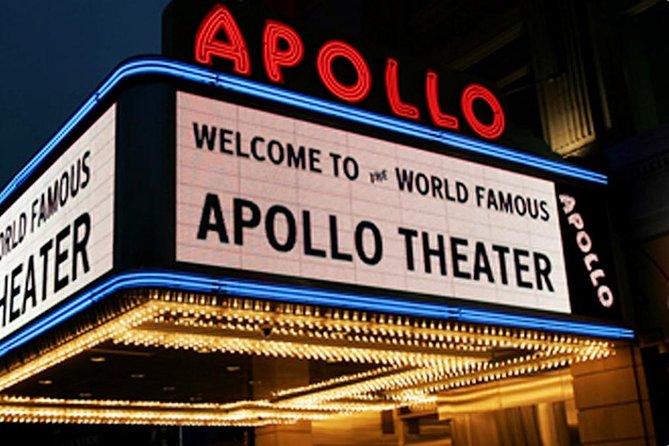
- Apollo Theater: the music landmark you can feel even on a sidewalk
- Lunch included: plan for a real meal break
- The pace: why some people feel “slow,” and when that’s a good thing
- Who this tour suits best
- Quick value check: why this can be a smarter Harlem day
- Should you book the Mount Morris Park Walking Tour with Lunch?
- FAQ
- What’s the duration of the Harlem walking tour?
- How much does the tour cost?
- What time does the tour start?
- Where does the tour meet?
- Where does the tour end?
- Is lunch included?
- Is the tour offered in English?
- Are there admission tickets you need to buy for the stops?
- Is hotel pickup or drop-off included?
- What’s the group size limit?
- Is cancellation possible if weather is bad?
Key highlights you’ll actually care about

- St. Martin’s Episcopal Church landmark details: Romanesque Revival built 1887–1889, with landmark status in 1966
- Park stop with real political gravity: Marcus Garvey Memorial Park is tied to Fidel Castro’s 1960 speech
- Apollo Theater area time: you’ll walk up to one of Harlem’s biggest music symbols
- Lunch included in the ticket: you get fed during the tour, not after a scramble
- A guided walk that helps you read the neighborhood: architectural cues and story context you’d miss on your own
Mount Morris Park: A Block-By-Block Harlem Education
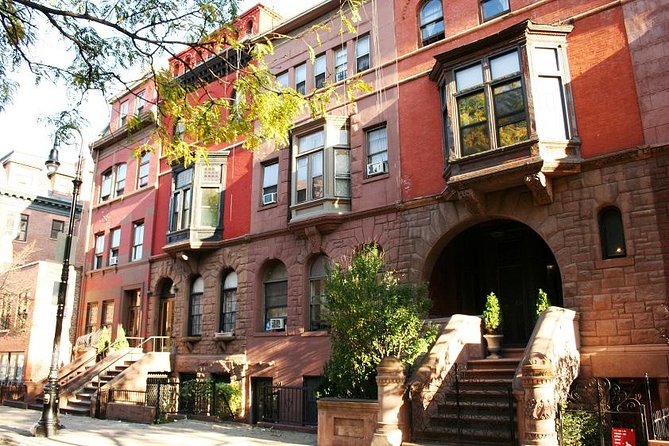
If you’ve only seen Harlem from a distance, this is the way to get your bearings. Mount Morris Park is the kind of area where the sidewalk matters: brownstone fronts, church facades, and street corners all carry meaning. A guided walk helps you notice what to look for, not just what to photograph.
I particularly like how this tour blends architecture with people. You don’t just hear dates; you learn why a specific building mattered to a specific community at a specific time. That’s the difference between sightseeing and understanding.
One more practical win: it’s short enough to stay focused. At about 3 hours, you can learn a lot without feeling like you’ve been gone all day.
You can also read our reviews of more walking tours in New York City



Price and logistics: $82 worth it when lunch is included
Let’s talk money in a real way. At $82 per person, you’re paying for a professional guide plus lunch, and the day is timed so you’re not hunting for food mid-walk. If you were planning this day on your own, you’d still need to budget for lunch and spend time figuring out what to see and why it matters.
Also, you’re not paying separate ticket costs at the stops listed as free. The tour is designed around walking outside of heavy admissions, so you’re mostly paying for guidance and a structured route.
Logistically, there’s no hotel pickup or drop-off. That’s normal for a Harlem walking tour, but it does mean you should plan to arrive at the meeting point under your own steam. The good news: the start at 145 W 122nd St is near public transportation.
Starting at 145 W 122nd St: what the first minutes should feel like
The tour begins at 11:00 am at 145 W 122nd St. When you arrive, aim to be there a few minutes early so you can settle in and get oriented before walking starts. A good guide uses those first moments to explain what you’re about to learn, and it changes how you experience the whole day.
The group size matters. With a maximum of 30 travelers, it’s usually small enough for questions and for the guide to keep the story threads connected. If you’re the type who likes to ask follow-ups, this format tends to work better than big bus-style groups.
Language is English, and you’ll get a mobile ticket. That’s convenient when you’re moving around a city where paper tickets can feel like extra baggage.
St. Martin’s Episcopal Church: Romanesque Revival meets immigration history
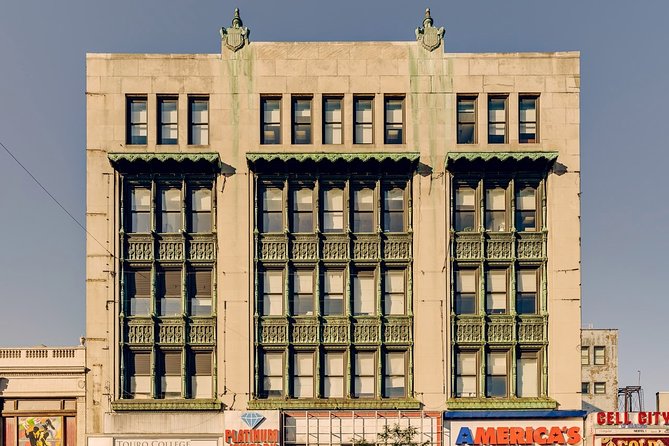
One of the early anchors is St. Martin’s Episcopal Church. You’ll see Romanesque Revival architecture built between 1887 and 1889—an unusual find in a walking route unless someone tells you what to look for. The building was designated a landmark in 1966, so there’s a formal recognition behind what you’re seeing.
The story doesn’t stop at brickwork. Since 1928, the church has been one of several congregations founded by Caribbean immigrants. That’s a key lesson for Harlem: buildings aren’t static. They become community spaces shaped by migration, faith, and survival.
As you look around, slow down for the details. This is exactly where a guide helps—pointing out design choices and tying them to the human timeline. If you only glance at a church facade, you miss the part that makes it meaningful.
A note for your walk focus
Harlem street noise can make it harder to catch every word. If you care about the stories, stay close enough to hear clearly and don’t let the group drift too far ahead.
You can also read our reviews of more historical tours in New York City






Harlem’s historic neighborhood “welcome”: how the guide sets your map
The tour doesn’t just jump from landmark to landmark. You also get a stop that functions like a live intro to Harlem’s neighborhood logic. Think of it as getting your map in your head before the route starts teaching you the details.
This matters because Harlem changes block by block. If you understand what you’re looking at—housing styles, institutional buildings, and park space—you’ll start spotting patterns on your own long after the tour ends.
And because the guide is local, you’ll often hear how today’s street life connects to what came before.
Marcus Garvey Memorial Park: a park stop with serious context
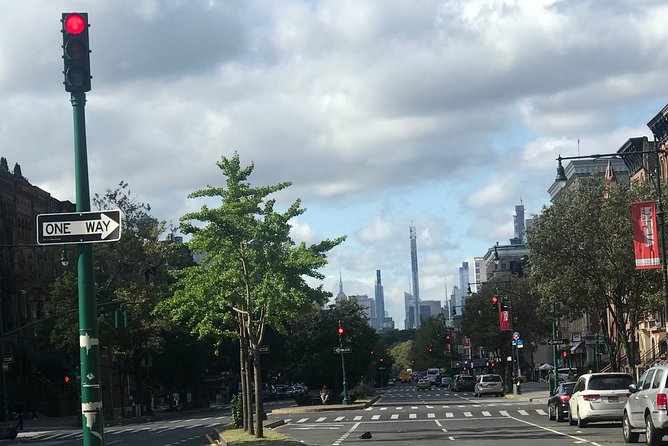
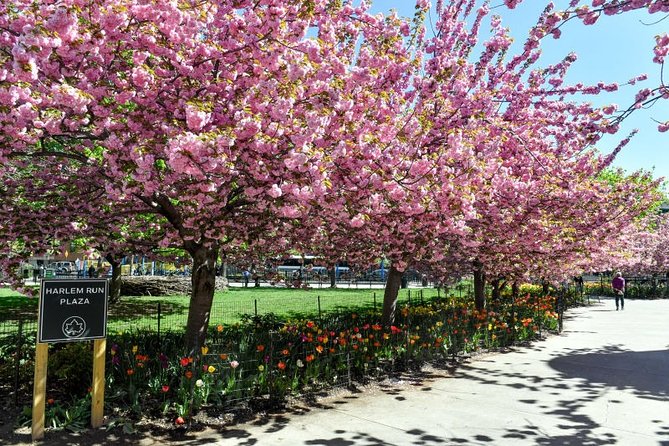
Next up is Marcus Garvey Memorial Park, one of New York City’s oldest parks. It’s not a quick “pass by and move on” moment. You get around 30 minutes, which is enough time to look, absorb, and actually sit if you want.
What gives the park weight is its link to major public moments. The site is also where Fidel Castro spoke in 1960. That detail turns a green space into a historical waypoint, and it helps you connect Harlem’s local story to broader world events.
Even if you’re not a “speech history” person, this stop still helps you understand the role parks play in community life: gathering, visibility, and public presence.
Temple Israel / Hand-In-Hand details: when you notice the symbols
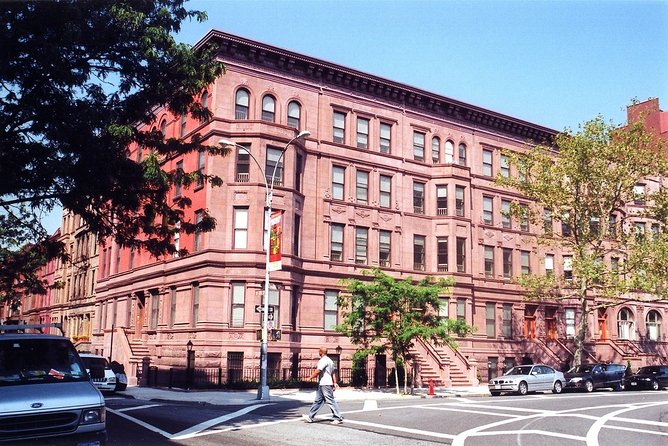
The route also includes another architecture-and-faith stop tied to an older Jewish congregation story. The church mentioned on the route was originally Temple Israel—the first Jewish congregation incorporated in Harlem—as Hand-In-Hand in 1873.
Here’s what to look for: you can spot Stars of David in leafy capitals on the building’s four Corinthian columns. You may also find them embedded in the window casements. That’s the kind of detail you’d almost certainly miss alone unless someone points your eyes to the right spot.
This is one of the tour’s best lessons in observation. It trains you to treat architecture like a text. Look closer, and the neighborhood starts “reading back” to you.
Apollo Theater: the music landmark you can feel even on a sidewalk
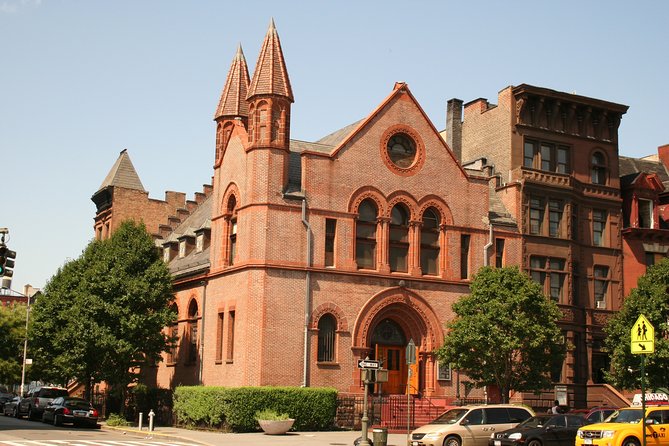
Later in the walk, you arrive at the Apollo Theater area. Even if you’ve only seen it through photos or pop culture, it’s powerful to stand near it in real life.
The Apollo is more than a building; it’s a symbol of performance and possibility in Harlem. On this kind of walking tour, the value is hearing the connections—how the area’s cultural life relates back to the streets you’ve already walked.
Take a moment here if you can. Stop walking long enough to let the building and the block around it register. Then you’ll understand why Harlem’s music story is not just something that happened “back then.”
Lunch included: plan for a real meal break
Lunch is part of the ticket, and that’s a big deal on a walking tour. You’re not guessing where to eat or timing your hunger while your route is still moving. The meal is served at a local eatery, and included with the tour.
In practice, this break tends to be where the day clicks. You’ll sit down after the architecture and the park context, and suddenly the whole experience feels more human. It’s also where you can ask questions without the pressure of keeping pace.
Some guides have led guests to soul food-style dishes and also include dessert stops during the day. A few guests have mentioned eating at places such as Jacob’s Market and enjoying the variety of meal choices, including vegetarian options for at least some travelers. If you have dietary needs, you’ll be best off asking the guide what’s offered that day once you arrive.
Dessert can be a highlight too. One guest described a stop for red velvet cake from a local baker who holds a Guinness record. Even if you’re not chasing trivia, dessert is part of how Harlem days feel like Harlem days.
The pace: why some people feel “slow,” and when that’s a good thing
The tour lasts about 3 hours, but it’s not the kind of route where you sprint between stops. Some people love that it gives time for stories and for standing near details long enough to see them. Others find the pace slower than expected.
Here’s how to handle it:
- If you like thoughtful walking, this tempo is a win.
- If you only want quick photo stops, bring a little patience and expect to hear more than you’re used to.
Also, because you’re walking and talking, the loud street sounds can sometimes make it tough to catch every line. I’d rather you stand where you can hear than try to film everything from the back.
Who this tour suits best
This is a strong fit if you want:
- a guided Harlem walk with clear stop-and-story structure
- architecture and neighborhood context, not just big-name landmarks
- lunch included so the day stays simple
It’s also a good choice if you’re traveling solo and want the comfort of a group dynamic without being stuck on a bus all day. A few guests described feeling welcomed even when they were the only person in the group.
If you’re bringing family, this kind of route can work well because it’s small-group and you get built-in breaks with lunch and park time. Just note that it’s still a walking tour, so comfy shoes matter.
Quick value check: why this can be a smarter Harlem day
You’re paying $82 for three things that add up:
- a professional guide who connects buildings to people
- a structured route through major sites like St. Martin’s Episcopal Church, Marcus Garvey Memorial Park, and Apollo Theater
- lunch included, which removes one major planning headache in New York
In other words, you’re not just buying a walk. You’re buying time-saving direction and a way to “read” the neighborhood while you’re there.
Should you book the Mount Morris Park Walking Tour with Lunch?
I’d book this if you want a Harlem day that feels grounded in place. The tour is at its best when you care about architecture and want to understand why this neighborhood matters beyond a headline. Lunch being included at the price also makes it easier to commit without building an entire separate food plan.
I’d think twice if you’re the type who wants to cover as much ground as possible in the shortest time. The pace can feel unhurried, and street noise may make it harder to hear unless you stay close to the guide.
If you can handle a comfortable walking rhythm, you’ll leave with a clearer sense of Harlem—one church facade, one park moment, and one story at a time.
FAQ
What’s the duration of the Harlem walking tour?
It runs for about 3 hours.
How much does the tour cost?
The price is $82.00 per person.
What time does the tour start?
The start time is 11:00 am.
Where does the tour meet?
The meeting point is 145 W 122nd St, New York, NY 10027, USA.
Where does the tour end?
The tour ends in Harlem, New York, NY, USA.
Is lunch included?
Yes. Lunch is included with the tour.
Is the tour offered in English?
Yes, the tour is offered in English.
Are there admission tickets you need to buy for the stops?
The information provided lists the stops as having free admission tickets.
Is hotel pickup or drop-off included?
No. Hotel pickup and drop-off are not included.
What’s the group size limit?
The tour has a maximum of 30 travelers.
Is cancellation possible if weather is bad?
The experience requires good weather. If it’s canceled due to poor weather, you’ll be offered a different date or a full refund.