REVIEW · NEW YORK CITY
New York City: Greenwich Village Guided Walking Tour
Book on GetYourGuide →Operated by ExperienceFirst · Bookable on GetYourGuide
Greenwich Village has stories in every doorway. In about two hours, you’ll hit the Stonewall Inn area, Beat-era hangouts, and writer-and-artist landmarks that explain why this neighborhood has always attracted troublemakers and thinkers.
What I like most: the tour is built around real local connections—often guided by people like Steve or Angela—so the history comes with names, context, and street-level meaning. I also love the stop selection: Washington Square Park, Café Society, Jones Street photo points, and iconic theater-and-architecture sights like Cherry Lane Theater.
One thing to consider: this is a walking tour, and it’s not listed as suitable for people with mobility impairments. If you need lots of breaks or step-free routes, it may feel like more work than you want.
In This Review
- Key highlights to expect
- Greenwich Village: Why This 2-Hour Walk Feels Longer (In a Good Way)
- Meeting Points and Timing: How to Not Waste Your First 15 Minutes
- Washington Square Park to MacDougal Street: Writers and Ideas Up Close
- Christopher Street and Stonewall Inn: The Movement Story Where It Happened
- The Café Society Stop and Beat-Era Performers: Music and Comedy on Real Corners
- Jones Street and Dylan Pop-Pictures: When Album Covers Become Wayfinding
- Oldest Wood Frame House, 77 Bedford Street, and Cherry Lane Theater
- The Guides Matter: What Makes This Tour Feel Personal
- Price and Value: What $39 Buys You in New York Time
- Quick Tips to Make the Most of Your Greenwich Village Walk
- Who Should Book This Tour?
- Should You Book This Greenwich Village Guided Walking Tour?
- FAQ
- How long is the Greenwich Village guided walking tour?
- What is the price per person?
- Where does the tour meet?
- What are some of the main places you’ll see?
- Is the tour guided by a live person?
- Is there a private group option?
- What should I bring for the tour?
- What happens if the weather is bad?
- Can I cancel for a full refund?
- Is the tour suitable for people with mobility impairments?
- Is there a reserve now & pay later option?
Key highlights to expect
- Stonewall Inn and the birth of the gay liberation movement, explained on the street
- Beat Generation energy, with stops tied to writers and public thinkers
- Café Society and the first integrated NYC club story
- Jones Street photo points, including the The Freewheeling Bob Dylan album-cover spot
- Oldest wood frame house area and 77 Bedford Street (Issac Hendricks)
- Cherry Lane Theater, noted as the oldest continuously running off-Broadway theater
Greenwich Village: Why This 2-Hour Walk Feels Longer (In a Good Way)
Greenwich Village is one of those places where you can’t separate the buildings from the ideas they hosted. This tour leans into that. You’re not just “seeing sights.” You’re getting the neighborhood’s logic: who came here, what they argued about, where they performed, and why the streets became a stage for culture and civil rights.
The experience is especially strong at the moments when the Village turns into a timeline. You start with literary names like Henry James and Edgar Allan Poe, then you move into the late-1950s Beat atmosphere. After that, it tightens around major movement history with stops near Stonewall, before popping outward again to music, comedy, and pop culture. It’s the kind of structure that makes the neighborhood feel coherent—like you’re following a thread instead of hopping between random landmarks.
And you get that street-level feeling because the tour is guided. People like Steve and Angela (and other guides who lead this format) are described as personal, story-driven, and willing to tailor the pacing to the group. That matters in New York, where the same street can feel like two different neighborhoods depending on who’s telling the story.
You can also read our reviews of more walking tours in New York City



Meeting Points and Timing: How to Not Waste Your First 15 Minutes
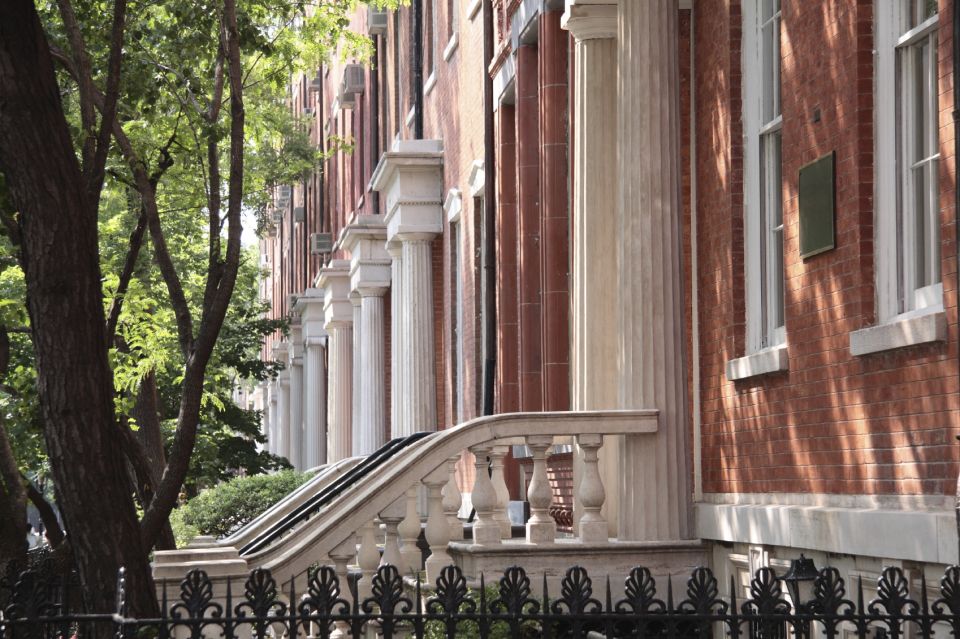
The tour’s starting point can vary based on what option you book. You may meet at 375A 6th Ave (option listed), or at Washington Square Park. From there, the walk moves through the Village using a route that hits the key zones efficiently.
Because the total duration is about 2 hours, your time management matters. The route is compact, which is ideal if you want highlights without building an entire day around neighborhood exploration. It’s also why you’ll feel the walking pace. Bring comfortable shoes and plan for a solid stroll, not a sit-and-listen museum tour.
Weather is another practical point. The experience runs regardless of weather conditions, so dress for the day you actually get. If it’s hot, plan to pace yourself and drink water before you meet your guide. (A couple of guides in this style are noted for keeping groups comfortable, but you still control your comfort with what you wear.)
Washington Square Park to MacDougal Street: Writers and Ideas Up Close
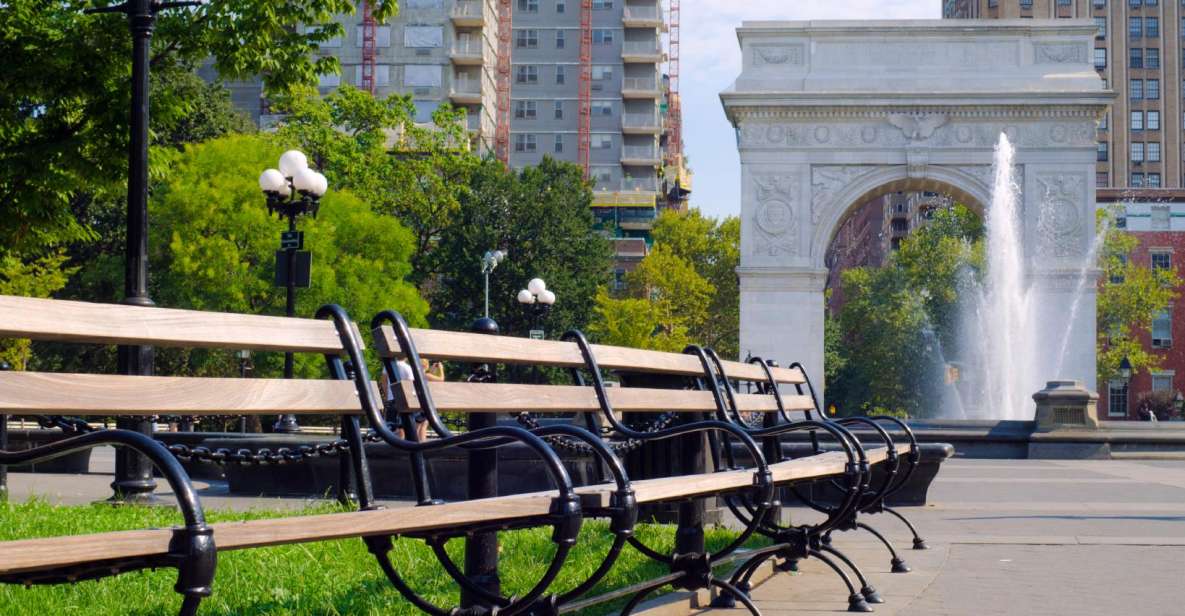
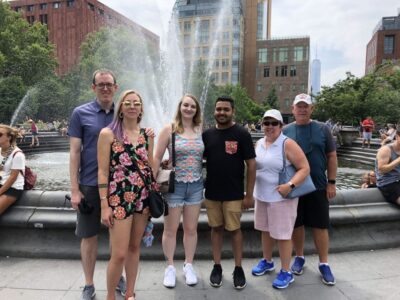
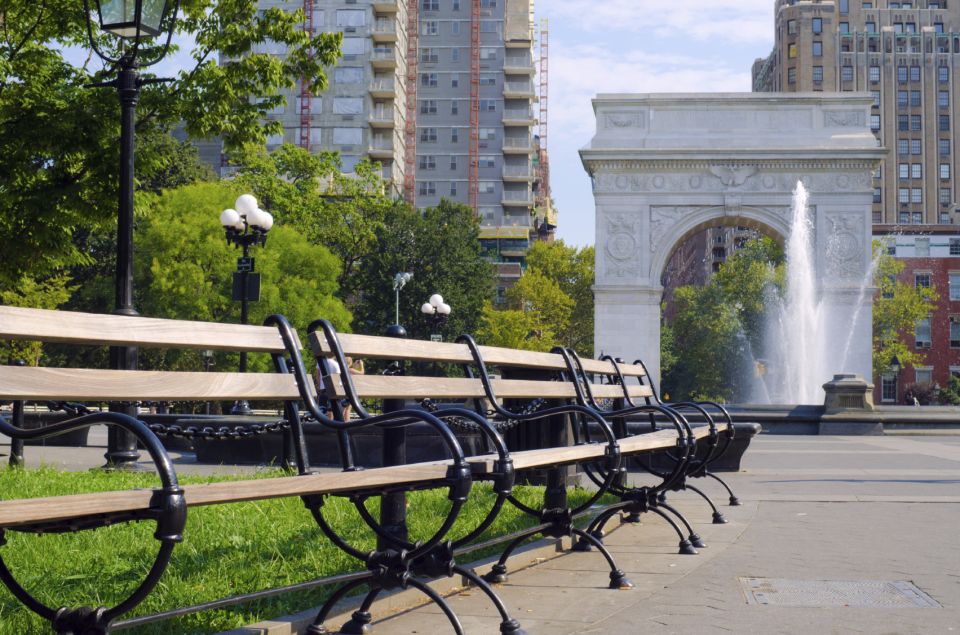
Washington Square Park is the classic Village “starting note.” Even if you’ve seen it from a distance, the tour treats it like a switchyard for themes: intellectuals, artists, poets, and people who wanted their ideas to be seen in public.
From there, you’ll head toward MacDougal Street, where you get a mix of history and photo-stop time. The tour’s description emphasizes meeting your guide and walking in the footsteps tied to Henry James and Edgar Allan Poe, which sets the tone early: the Village wasn’t just an artistic backdrop. It was a magnet.
This is also where the Beat storyline often comes into focus. The neighborhood’s reputation as a place for debate shows up in the way the tour frames smoky-café conversations and the kind of radical thinking that flourished here. Names like Upton Sinclair and John Reed appear in the tour’s themes, so you’re not only learning “facts.” You’re getting a sense of how arguments circulated—who said what, and why people listened.
If you like tours that include context—why a movement formed, how it spread—this section is your payoff. The park-and-street pairing helps it feel real, not academic.
Potential downside in this segment: because New York is loud and the group is outdoors, you may want to stand close to your guide during busy crossings or around construction noise. One guest mentioned wanting earpiece-style help in noisy areas, and that’s a fair consideration on a city day.
Christopher Street and Stonewall Inn: The Movement Story Where It Happened
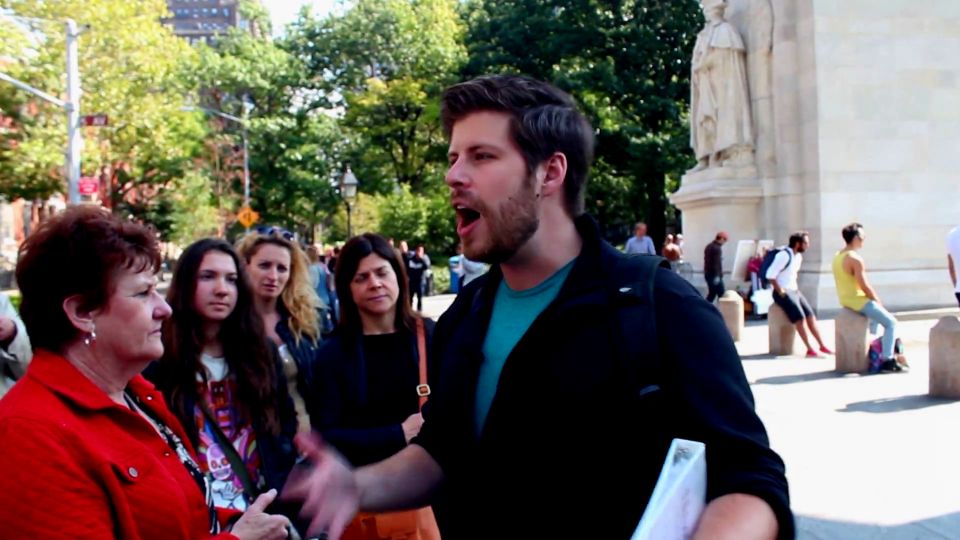
At Christopher Street, the tour tightens the focus. This is where the narrative lands with maximum clarity because you’re near Stonewall Inn, a cornerstone for the birth of the gay liberation movement.
What makes this stop valuable isn’t just the landmark itself—it’s how the tour connects the neighborhood environment to the moment. Greenwich Village is introduced as a magnet for artists and intellectuals, but Stonewall adds the missing piece: when people organized for dignity and visibility, the street became history.
A big plus here is the “outside the landmark” approach. You hear about the birth of the movement outside Stonewall Inn while standing in the actual zone, so the story feels less like a lesson and more like a location-based truth. If you care about civil rights history, this portion is the emotional anchor of the walk.
Practical note: this is a high-interest area, so it can be crowded depending on the day. Keep your camera ready but also expect short pauses for your guide to frame the scene.
The Café Society Stop and Beat-Era Performers: Music and Comedy on Real Corners
One of the most interesting “how New York works” moments comes from the tour’s focus on performance spaces—places where culture didn’t stay private.
You’ll hear about Café Society, including its role as the first integrated NYC club. That kind of detail is more than a trivia nugget. It connects the Village’s creative identity to real social change, showing how entertainment spaces could challenge norms instead of just reflecting them.
The tour also brings in performers and public voices associated with the neighborhood’s reputation. Lenny Bruce is specifically highlighted, and the Village links here to the kind of comedy and commentary that pushed boundaries. Add Dylan Thomas and other writer names in the same thread, and you’ve got a neighborhood where art didn’t politely stay in a room.
There’s also a Beat-to-music connection in the route’s storyline. The tour description calls out hideaways tied to figures like Jimi Hendrix alongside the literary crowd. And there’s the Jackson Pollack angle—used to explain how the neighborhood developed its freewheeling identity. Even if you don’t know Pollack’s biography inside out, the tour uses the name to explain the Village vibe: creative risk-taking, mixed crowds, and a general refusal to stay in a single box.
This is where you start to see why the Village became a magnet for people who didn’t fit comfortable labels. The stops explain that attraction in human terms.
You can also read our reviews of more guided tours in New York City






Jones Street and Dylan Pop-Pictures: When Album Covers Become Wayfinding
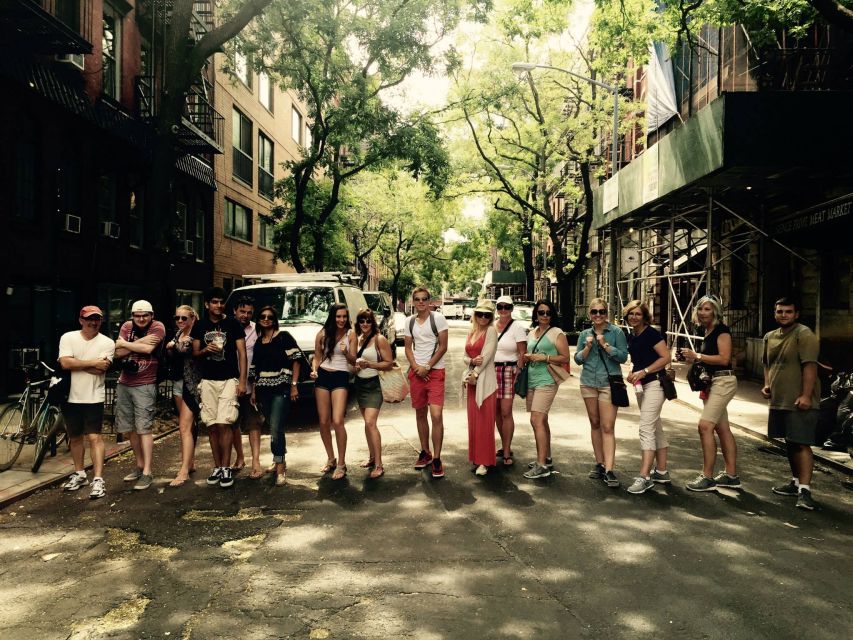
New York has a special talent for making pop culture feel like geography. This tour leans into that, and it’s fun.
You’ll walk past Jones Street, tied to the photo spot for Bob Dylan’s album cover The Freewheeling Bob Dylan. The idea here is simple: you don’t just hear that Dylan was part of the Village—you stand near the street used for a visual piece of his mythmaking.
The tour also uses pop culture as a bridge to help you remember everything else. One highlight includes seeing the apartment building used in the iconic sitcom Friends. Whether you came to the Village for serious history or just want some street-level recognition, these moments make the tour stick in your brain.
Why this helps: after Stonewall and Beat-era stories, pop culture stops give your brain a palate cleanser. You get a break from heavy topics without leaving the neighborhood’s story entirely.
Oldest Wood Frame House, 77 Bedford Street, and Cherry Lane Theater
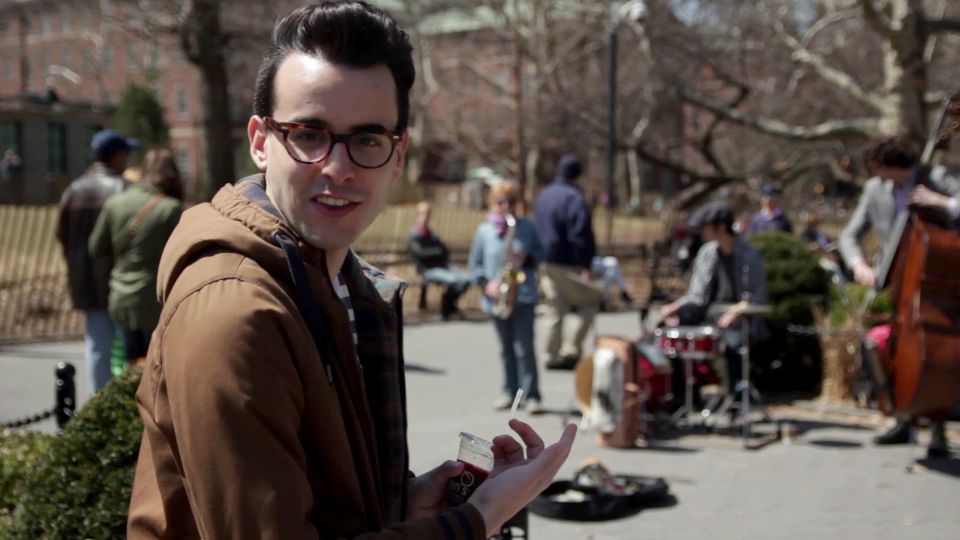
This is the “slow down and look up” section.
You’ll visit the area tied to the oldest wood frame house in the Village, plus 77 Bedford Street, listed as the former home of Issac Hendricks. This kind of stop matters because it anchors the tour in physical continuity. It’s easy to treat the Village as a late-19th to mid-20th century story, but wood-frame architecture makes it feel older—like the neighborhood’s creative and political life sits on top of a much longer foundation.
Then you have the theater angle: the tour highlights Cherry Lane Theater, described as the oldest continuously running off-Broadway theater in New York. If you think of off-Broadway as a pipeline for boundary-pushing work (and you probably do), this is the kind of stop that turns that idea from abstract to real. The Village didn’t just produce writers and activists; it produced stages.
This is also a good section for people who enjoy architecture details and street-scale design. You’ll leave with a better sense of why this neighborhood keeps producing art rather than becoming only another place for shopping and office towers.
The Guides Matter: What Makes This Tour Feel Personal
Guides are a huge part of why this walking route works. The overall feedback points to guides who don’t run the tour like a script.
You’ll see names repeat in the tour experience: Steve (and specific Steve locals), Angela, Rob, Justin, Dave, and Helene, among others. Across these different guides, the same pattern shows up in the way people talk about the experience: storytelling first, clear connections between eras, and a willingness to answer questions.
One guest experience mentioned Angela emailing recommendations after the tour, which is a nice perk because it extends the neighborhood help beyond the two-hour walk. Another guest talked about how guides manage groups during intense heat—making sure people stayed hydrated and found shade when possible. Even if you don’t rely on that, it’s a sign the guides are paying attention to basic traveler needs, not just delivering talking points.
Also worth noting: some guides are described as long-time residents with firsthand knowledge of how the Village has changed. That’s useful because it adds friction to the story—instead of only presenting a tidy timeline, you get a sense of what it cost to preserve the neighborhood’s creative spirit.
If you care about how neighborhoods evolve under economic pressure and changing rent realities, this kind of guiding can be very grounding.
Price and Value: What $39 Buys You in New York Time
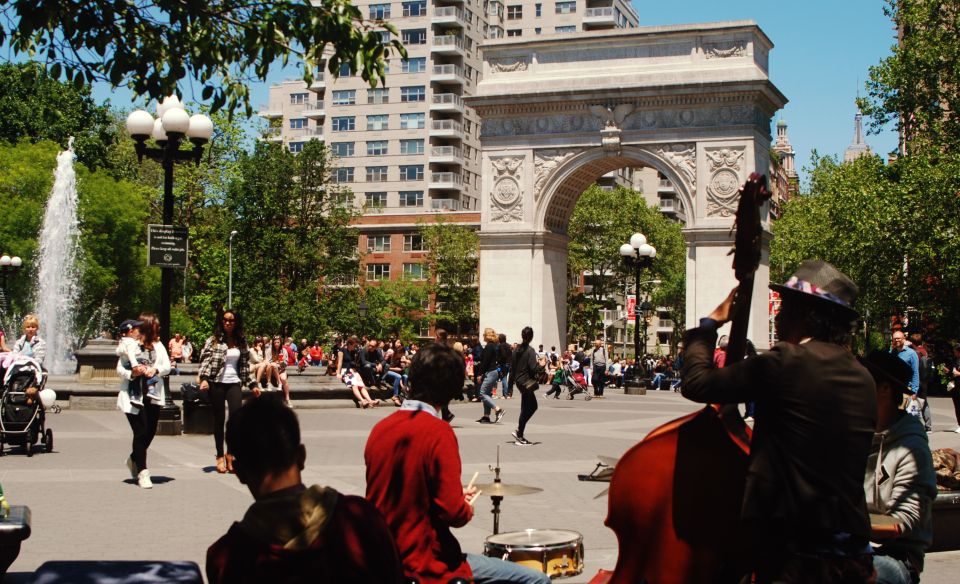
At $39 per person for about 2 hours, this is priced in the “doable on a trip budget” range. The main reason it feels worth it is that you’re paying for guided context that you can’t easily assemble in a guidebook app.
A self-guided walk might show you Stonewall, Washington Square Park, and a handful of famous buildings. This tour aims to make those places meaningful by explaining the connections: how the Beat Generation grew here in the late 1950s, how public thinkers debated, how a club like Café Society ties into integration history, and how comedic voices like Lenny Bruce fit the Village’s boundary-pushing culture.
You also get a bundle of “rare sight” style details—like the mention of the city’s smallest piece of private property—and not just the postcard landmarks. Those are the moments that often separate an okay walking tour from one that sticks.
Is it for everyone at this price? If you hate walking, need step-free routes, or only want broad skyline views, then any walking tour won’t feel efficient. But if you want a high-density Village orientation with big themes handled in a human way, $39 is a reasonable bet.
Quick Tips to Make the Most of Your Greenwich Village Walk
- Wear comfortable shoes. The route is short on paper, long on pavement.
- Check the weather and dress for it, since the tour runs in poor weather.
- Have your phone camera ready, especially for photo-stop points like Washington Square Park and key streets.
- Ask your guide questions. If your guide like Steve or Angela tailors the tour to interests, you’ll get more out of it by steering the conversation.
- If it’s noisy where you are standing, move a step closer to hear better.
Who Should Book This Tour?
Book it if you want:
- A guided orientation to Greenwich Village that connects literature, music, comedy, and social movements
- Stops tied to Stonewall, the Beat Generation, and Café Society
- Architecture-and-theater touches like the oldest wood frame house area and Cherry Lane Theater
- A story-led format that works for solo travelers and small groups
If you want to lounge and browse shops at your own pace, this tour may feel too structured. And if mobility is a factor, it’s not listed as suitable.
Should You Book This Greenwich Village Guided Walking Tour?
Yes—if you want a compact, high-impact snapshot of Greenwich Village with real names and place-based stories. The combination of Stonewall-area history, Beat-era atmosphere, and performance culture makes this more than a checklist walk. And because guides are often praised for warmth, humor, and personalization (not just facts), the experience tends to feel human.
If you’re on a tight schedule and want to understand why the Village mattered—socially, artistically, and politically—this is a strong way to spend two hours in New York without losing the plot.
FAQ
How long is the Greenwich Village guided walking tour?
The tour lasts 2 hours.
What is the price per person?
The price is $39 per person.
Where does the tour meet?
The meeting point may vary depending on the option booked. Listed options include 375A 6th Ave and Washington Square Park.
What are some of the main places you’ll see?
You’ll see places such as Washington Square Park, the Stonewall Inn area, and the Friends apartment building. The tour also highlights stops tied to the Beat Generation, Café Society, and other Village landmarks.
Is the tour guided by a live person?
Yes. It includes a live English-speaking guide.
Is there a private group option?
Yes, private group availability is mentioned.
What should I bring for the tour?
Bring comfortable shoes and weather-appropriate clothing.
What happens if the weather is bad?
The tour runs regardless of weather conditions. If the provider is forced to cancel, ticket-holders can reschedule (subject to availability) or receive a refund.
Can I cancel for a full refund?
Yes. Free cancellation is available up to 24 hours in advance for a full refund.
Is the tour suitable for people with mobility impairments?
No. It’s listed as not suitable for people with mobility impairments.
Is there a reserve now & pay later option?
Yes. The tour offers reserve now & pay later, meaning you can book your spot and pay nothing today.