REVIEW · NEW YORK CITY
New York City: Lower East Side Food Tour
Book on GetYourGuide →Operated by Sidewalk Food Tours · Bookable on GetYourGuide
Knishes, bialys, and tenements in three hours. What makes this Lower East Side tour special is the way you eat through century-old Jewish delis and bakeries while the guide ties each stop to the neighborhood’s immigrant-and-working-class story. I like that you’re not just grazing; you’re sampling classics from places like Yonah Schimmel’s Knish Bakery, Kossar’s Bialys, Russ & Daughter’s, and Katz’s Delicatessen, then connecting the food to why it mattered here.
You’ll also appreciate the slower, small-group feel—limited to 8 people—which helps the guide keep the talk focused on what you’re tasting. One consideration: this tour is not suitable for people with diabetes, and while substitutions are often possible for other dietary restrictions, you should flag needs when you book.
In This Review
- Key points that make this tour worth your time
- Katz’s as a starting line: where the Lower East Side story begins
- How 3 hours actually plays out on foot
- Food stops you’ll remember: what each classic adds
- Yonah Schimmel’s Knish Bakery: the comfort-food warm-up
- Russ & Daughter’s: the appetizing-shop stop that teaches you to taste
- Katz’s Delicatessen: when the meal part turns real
- Kossar’s Bialys: the bread-and-butter you can’t fake
- The Pickle Guys: half-sour and full-sour for maximum crunch
- Doughnut Plant: dessert that still feels like a neighborhood conversation
- North Dumpling: handmade northern Chinese comfort
- Economy Candy: the 1937 time capsule
- Bonus stops that show the route’s real range
- Tenements, synagogues, and why the guide’s context matters
- Price and value: is $99 for 3 hours a fair deal?
- Who this tour fits best (and who should pick something else)
- Practical tips so you don’t waste a single minute
- Should you book this Lower East Side Food Tour?
- FAQ
- How long is the Lower East Side Food Tour?
- What is the price per person?
- Where does the tour meet?
- How many people are in the group?
- What’s included in the price?
- What dietary restrictions should I know about?
- Is there free cancellation?
Key points that make this tour worth your time
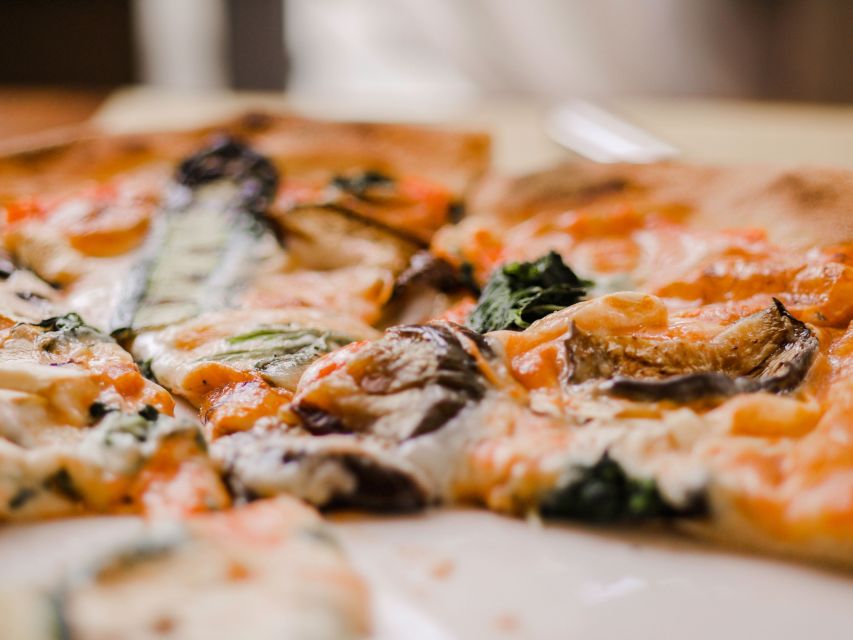
- Old-school Jewish institutions: Yonah Schimmel’s, Kossar’s, Russ & Daughter’s, and Katz’s are part of the core lineup
- Candy since 1937 at Economy Candy—seriously old-school, very Lower East Side
- Pickles made the old-fashioned way at The Pickle Guys, including half-sour and full-sour options
- Mix of classics and variety: doughnuts at Doughnut Plant and handmade dumplings at North Dumpling
- Tenement-and-synagogue context so the neighborhood isn’t just a backdrop
- Small group pacing with an English-speaking guide (one guide named Jack has been praised for clear, fun explanations)
Katz’s as a starting line: where the Lower East Side story begins
The tour meets at 205 East Houston Street, outside Katz’s Deli. That’s smart. Katz’s is a known landmark, and being right there means you start the experience with the right mood: old-school deli culture and serious local foot traffic. If you’re using the subway, plan for the 2nd Ave stop on the F train, or take B, D, F, M to Broadway–Lafayette and walk east along E Houston.
What I like about this setup is that you’re not scrambling to find the “right corner.” You walk a few steps, find the group, and start eating. And because this is a food tour, that first hour matters. When your first bite is tied to a place locals have trusted for generations, the whole route feels more meaningful.
You can also read our reviews of more food & drink experiences in New York City


How 3 hours actually plays out on foot
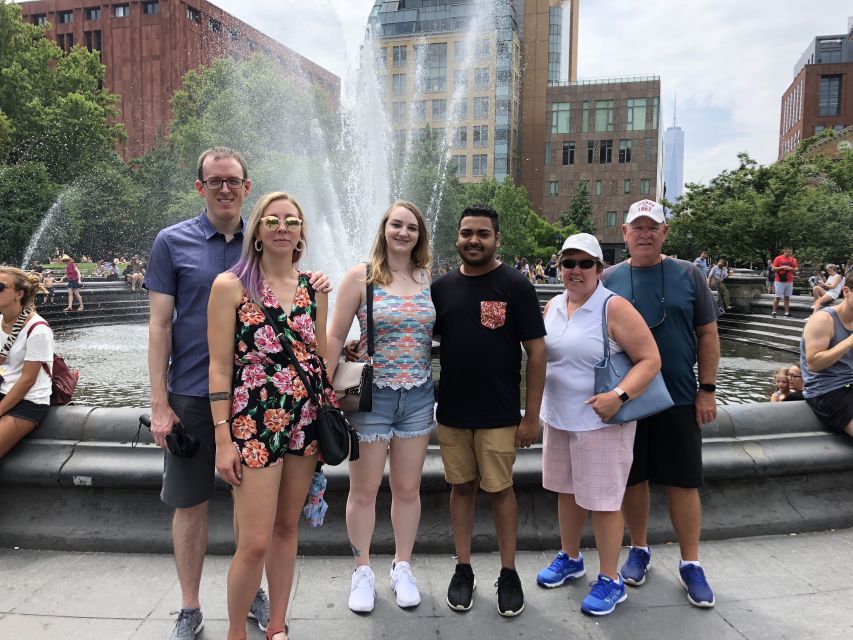
You’re looking at a 3-hour walking tour, designed around frequent short tastings and a couple of proper sit-down moments. That format keeps you from feeling like you’re just collecting samples while standing in line. You’ll spend enough time at key stops to notice textures and flavors, not just calories.
Also, this is a neighborhood where the street scene changes block by block. Expect a funky mix: trendy boutiques rubbing shoulders with mom-and-pop shops and cozy cafes. You’ll pass through areas that still feel like everyday city life, not a theme park version of New York.
Small groups help here. With up to 8 participants, you don’t get lost in a big pack. You can hear the guide, move at a human pace, and ask follow-up questions without the tour turning into a sprint.
Food stops you’ll remember: what each classic adds
This tour is built like a greatest-hits album, with tastings anchored by some of the most famous names in Jewish food history. The exact order can shift, but the core lineup is the same style of places.
Yonah Schimmel’s Knish Bakery: the comfort-food warm-up
Yonah Schimmel’s (est. 1910) sets the tone early with knishes—classic, portable comfort food from a time when immigrant families needed meals that worked on the go. What you’ll likely notice is how knish flavor is less about one dramatic ingredient and more about balance: savory filling and a doughy exterior that holds up.
For me, this is one of the most “Lower East Side” tastings because it’s food built for real schedules and real streets, not fancy plating.
Russ & Daughter’s: the appetizing-shop stop that teaches you to taste
Russ & Daughter’s (est. 1914) is one of those New York institutions that locals treat as normal. The tour uses it as a teaching stop—how appetizing culture became part of neighborhood routines, and why these flavors stuck around.
If you’re into salty, briny, buttery flavors, you’ll probably love this part. If you’re more cautious with strong tastes, this is also where the guide’s context helps you understand what you’re eating and what to expect.
You can also read our reviews of more tours and experiences in New York City


Katz’s Delicatessen: when the meal part turns real
Katz’s (est. 1888) is where you stop being in tasting-mode and start eating like you’re on a proper New York break. In the tour format, Katz’s includes a sit-down small meal in addition to the surrounding tastings.
Katz’s matters because it’s not just famous—it’s a window into how deli food became the default comfort system for people here. Even if you’ve eaten deli before, this kind of guided stop makes you notice things like texture, portion style, and how the whole deli experience works as a ritual.
Kossar’s Bialys: the bread-and-butter you can’t fake
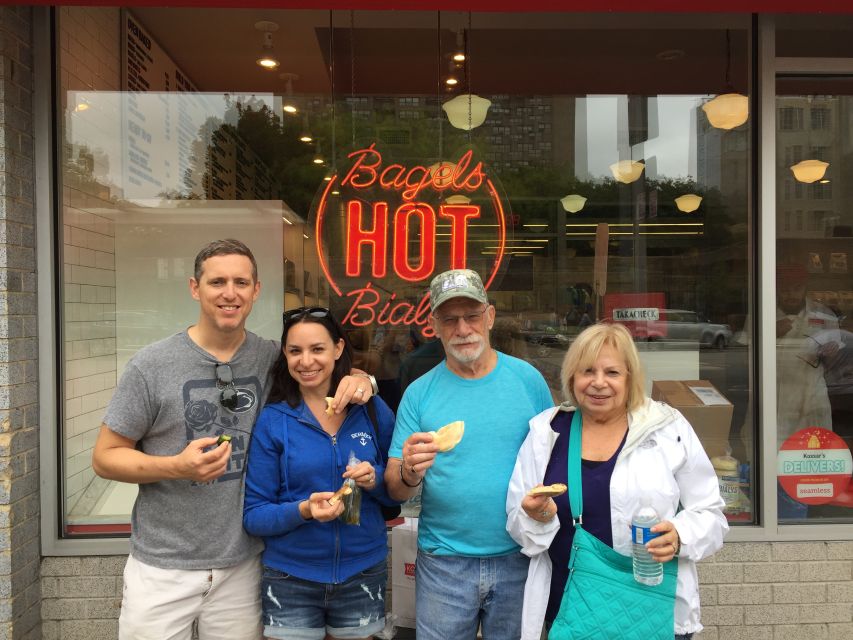
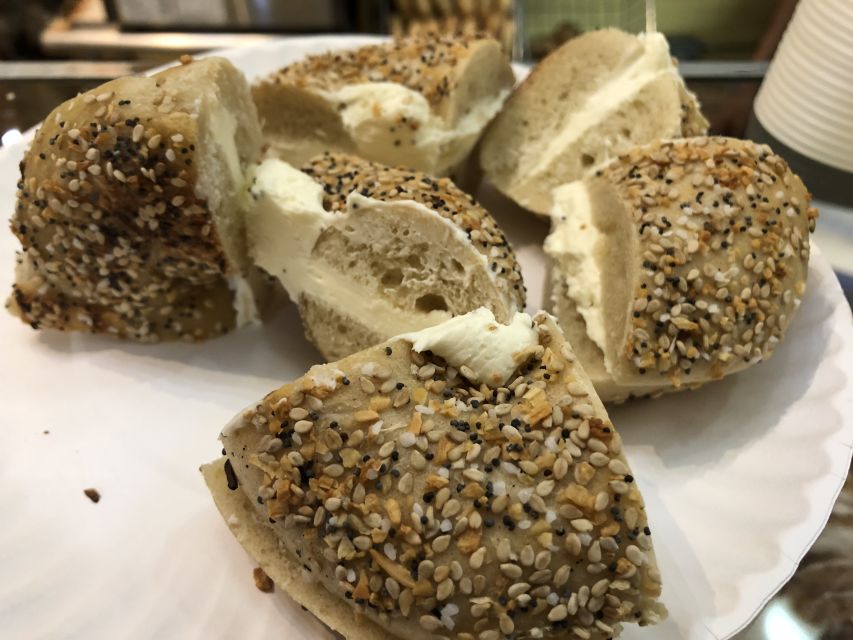
Kossar’s Bialys (est. 1936) brings a different kind of Jewish comfort—bialys, which are their own category. A bialy has the chewy bread feel you associate with bagel culture, but with its own shape and filling style.
This is also a great stop for your palate because it’s not just one-note salt and fat. Bialy toppings and the overall bread structure help you understand why Jewish bakeries became so central to everyday eating.
The Pickle Guys: half-sour and full-sour for maximum crunch
Pickles are a genius tour choice because they reset your mouth. The Pickle Guys (est. 2002) goes old-school on making pickles and gives you options like half sour and full sour. That means you can choose how intense you want the punch to be.
If you like your food with personality, this is a fun stop. If you’re sensitive to strong vinegar tang, start with half-sour and see how your taste buds react before going full intensity.
Doughnut Plant: dessert that still feels like a neighborhood conversation
Doughnut Plant (est. 1994) shifts the mood from savory to sweet with doughnuts made from a family recipe. The Lower East Side is full of creative food energy, and this stop reflects that—dessert that feels both special and street-smart.
This tasting works best when you think of it as pacing. You need a sweet reset, and doughnuts do it fast without dragging the tour into a sugar spiral.
North Dumpling: handmade northern Chinese comfort
Not every bite on this route is Jewish, and that’s part of why the Lower East Side works as a food story. North Dumpling adds handmade dumplings with a northern Chinese style. It’s a good reminder that this neighborhood wasn’t one culture at a time—it was multiple waves overlapping.
If you like dumplings, this stop gives you a satisfying, filling contrast. It also keeps the tour from feeling like you’re repeating one flavor profile for three hours.
Economy Candy: the 1937 time capsule
Economy Candy (est. 1937) is the stop that can surprise you even if you think you know what candy shops are. Floor-to-ceiling candy, nuts, and dried fruit is the kind of old-school chaos that makes you slow down and look around.
This is also a smart “last stops” flavor. Candy shop tastings let you finish the tour with something you can process easily, and it’s perfect if you like sharing small sweets afterward.
Bonus stops that show the route’s real range
In practice, the route can include other classic nearby food stops. One sit-down small meal is noted at Castillo de Jagua, and Essex Market may appear as part of the tasting mix. That matters because it shows the tour isn’t only about copying a list—it’s about mixing neighborhood flavors while still staying focused on the Lower East Side’s food identity.
Tenements, synagogues, and why the guide’s context matters
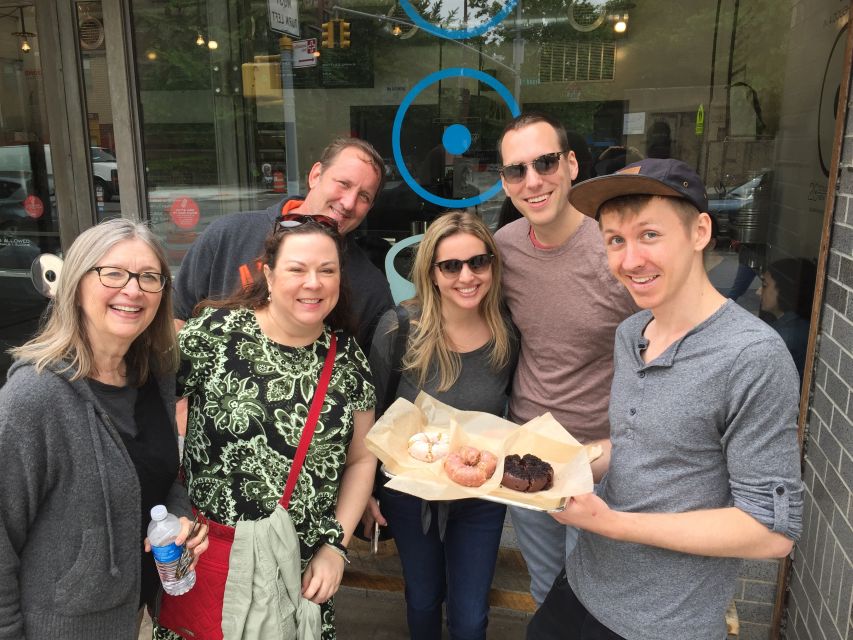
This tour doesn’t treat history like a poster on a wall. It uses the neighborhood’s geography—especially the historic tenement buildings—to explain what life looked like for people who lived here when the area was still heavily shaped by immigration and work.
You’ll also see historic synagogues and learn how Jewish culture became a major center here. The big value is that you understand why certain foods became everyday staples. When you taste deli and bakery classics in that context, they stop being just famous and start feeling like a survival toolkit: food that could feed people reliably, carry across generations, and match the rhythm of city life.
Guides can make or break this part. One guide named Jack has been praised for giving clear food-related neighborhood context and keeping the tone engaging rather than lecture-y. That’s exactly what you want on a walking tour: a guide who explains without drowning you in dates.
Price and value: is $99 for 3 hours a fair deal?
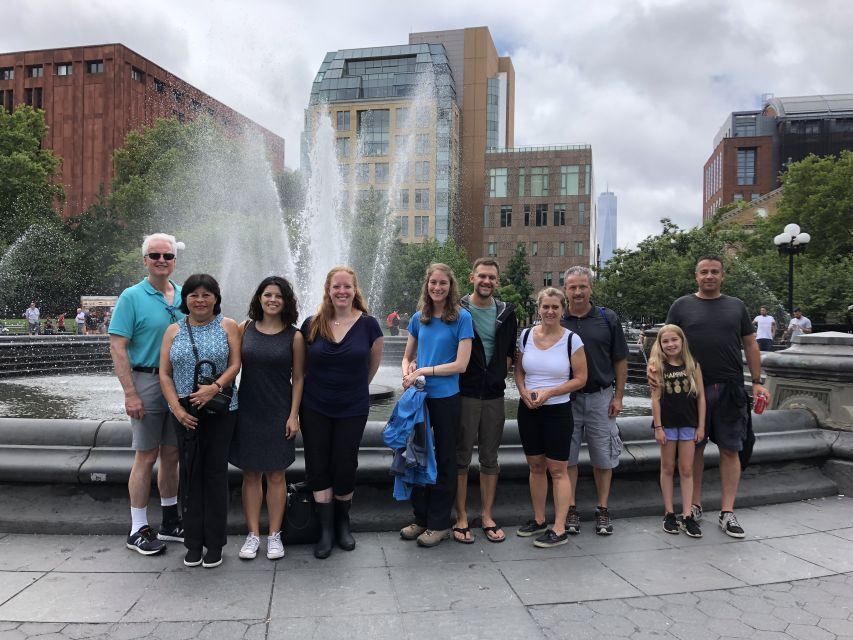
At $99 per person for a 3-hour small-group tour, value comes down to two things: how many tastings you get and how many of those tastings are at top-tier institutions.
Here’s the practical math. You’re sampling from long-running, famous places—Katz’s, Russ & Daughter’s, Kossar’s, Yonah Schimmel’s—plus stops like Pickle Guys, Doughnut Plant, North Dumpling, and Economy Candy. That’s a lot of individual “pay on your own” meals and snacks, and many of those would cost significantly more when ordered separately.
Add in that the tour includes all food tastings and one bottle of water, and you’re not constantly buying small things along the way. Also, the tour skips the ticket line, which saves time when you hit popular spots.
So if your goal is to eat well in a short time with minimal guesswork, $99 can feel pretty reasonable.
Who this tour fits best (and who should pick something else)
This is a great match if you:
- Want a walk-and-eat plan with structure
- Like old-school New York food institutions, not just “Instagram spots”
- Enjoy a history-light approach that stays connected to what’s on your plate
- Prefer small groups and an English-speaking live guide
One clear mismatch: it’s not suitable for people with diabetes. If you have diabetes, you’ll want a different type of food experience with more controlled options.
Dietary restrictions other than diabetes can often be handled if you tell the operator a couple of days before the tour—so let them know when you book. That doesn’t guarantee every swap, but it does give you the best chance for substitutions that still keep the tour satisfying.
Also, wear comfortable shoes. This is a walking route, and New York sidewalks don’t care about your fashion choices.
Practical tips so you don’t waste a single minute
- Eat before you go only lightly. This tour is built around tastings and small meals, so you’ll want some room.
- Bring comfortable shoes and be ready for sidewalk time.
- Leave pets and large bags at home. Pets aren’t allowed, and luggage or large bags aren’t allowed either.
- If you have a food restriction, message it a couple of days prior so substitutions can be arranged.
- If you run late or get turned around, you can call 877-568-6877.
One more small thing: bring your appetite for “real New York.” The Lower East Side isn’t polished like a museum. It’s a working neighborhood, and that’s part of the charm.
Should you book this Lower East Side Food Tour?
Book it if you want a focused, high-value way to eat through the Lower East Side’s most iconic Jewish food stops—then understand the tenements and synagogues that shaped those flavors. The small-group size and the guide’s role in connecting food to place make the difference between tasting snacks and actually getting something out of the experience.
Skip it if you need a diabetes-friendly route, or if you’re looking for a completely customizable menu where every bite can be controlled to a strict medical standard. In that case, you’ll be happier with a different kind of food tour.
If you’re the kind of traveler who likes eating like a local—while also learning just enough to make the streets feel readable—this is the sort of tour that leaves you full, informed, and ready to wander the rest of the Lower East Side on your own.
FAQ
How long is the Lower East Side Food Tour?
The tour lasts 3 hours.
What is the price per person?
It costs $99 per person.
Where does the tour meet?
It meets at 205 East Houston Street, outside Katz’s Deli.
How many people are in the group?
The tour is a small group limited to 8 participants.
What’s included in the price?
You get all food tastings plus one bottle of water.
What dietary restrictions should I know about?
If you have a dietary restriction (like vegetarian, diabetic, or allergies), let them know a couple of days prior. Substitutions are usually possible. Note that the tour is not suitable for people with diabetes.
Is there free cancellation?
Yes. You can cancel up to 24 hours in advance for a full refund.