REVIEW · NEW YORK CITY
Chinatown – Official Historic District Tour
Book on Viator →Operated by Tommys New York · Bookable on Viator
Chinatown clicks faster with a guide. This Official Historic District tour meets at the Chinatown Information Kiosk on Canal Street and turns a 90-minute walk into a guided map of Chinese immigrant history and everyday life. I liked how the licensed in-person guide connects what you see on the street to what’s changed over time and what’s going on now.
I also came away impressed by the tour’s focus on practical access to places you’d miss wandering solo. You’ll cover about two miles on mostly city sidewalks, take rest stops along the way, and even step inside several establishments—one of the highlights people often bring up is visiting temples. With a max group size of 32, it still feels like a real conversation, not a herd.
The main thing to plan for is physical comfort and topic fit. There’s a fair bit of walking and standing, some stops include stairs, and the content may not work well for young kids (a 9-year-old didn’t find it a good match). Bring comfortable shoes, and if you’re traveling with kids, think about who can handle history and current-events talk.
In This Review
- Key Things I’d Block Time For
- Meeting at the Chinatown Information Kiosk (and Why It Matters)
- The Two-Mile Walk Through Chinatown’s Official Historic District
- Inside Stops: Temples and Other Places You Likely Won’t See Alone
- Canal Street: Quick Stop, Big Context
- How the Tour Explains Neighborhood Change (Chinatown and Little Italy)
- Price and Value: Is $38 Worth 90 Minutes?
- Who This Tour Fits Best (and Who Might Want a Different Day)
- Tips to Make the Most of Your Tour Day
- Should You Book This Chinatown Information District Tour?
- FAQ
- What is the price per person?
- How long is the tour?
- Where does the tour meet?
- What time does the tour start?
- Is the tour guided?
- Is the tour in English?
- Is transportation included?
- How much walking is involved?
- Is the tour suitable for people with mobility needs?
- Are service animals allowed?
- What’s the cancellation policy?
Key Things I’d Block Time For
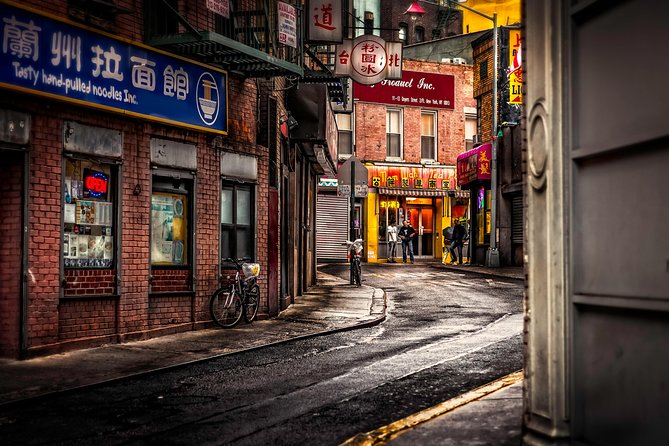
- Canal Street start point at the Chinatown Information Kiosk, so you get oriented fast
- Two miles of walking with rest stops, but you should still expect a steady pace
- Temple interiors and other inside visits, not just photos on the sidewalk
- Neighborhood change, explained clearly, including how Chinatown and Little Italy shifted
- A small-group feel (up to 32 people) that keeps questions in the mix
Meeting at the Chinatown Information Kiosk (and Why It Matters)
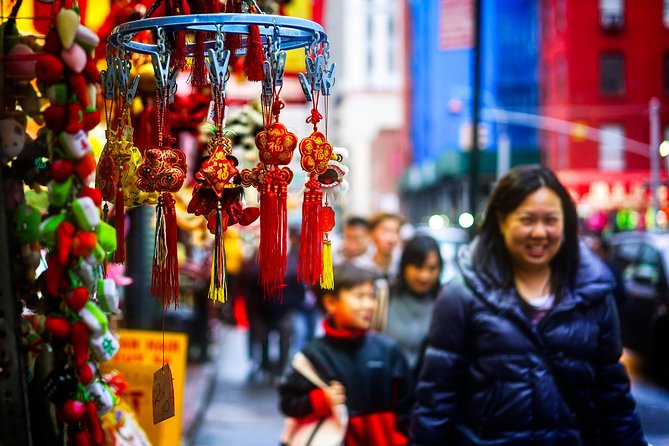
This tour starts at a spot that actually helps you. The meeting point is the Chinatown Information Kiosk on Canal Street, at 101 Baxter St. If you’ve ever felt overwhelmed in a busy neighborhood, you’ll like this setup. You’re not trying to find your guide under neon and crowds—you show up, get the basics, and then you’re off.
I like that the start is public-transit friendly. That means you’re less likely to burn time figuring out how to get there. And because the tour ends back at the meeting point, you get a clean loop for your day. It’s the kind of plan that makes Chinatown feel manageable even if you only have a small window.
You’ll also be handed a mobile ticket, which is useful in a city where lines and printed tickets can turn into an extra headache. All of it adds up to a smoother start—less logistics wrestling, more walking with context.
You can also read our reviews of more historical tours in New York City



The Two-Mile Walk Through Chinatown’s Official Historic District
The core of the experience happens in Chinatown, and you should expect it to be active. The tour covers roughly two miles, and it’s designed for people with moderate physical fitness. That doesn’t mean it’s an athletic challenge. It means you’ll be on your feet, moving from stop to stop, and you’ll want to wear comfortable shoes.
There are rest stops along the route, which is a real quality-of-life detail. Still, some stops involve stairs. So if stairs are a deal-breaker for you, I’d treat that as a key consideration before you book.
One of my favorite parts of this style of tour is how it’s structured. You’re not just drifting down side streets. You’re following a path with purpose: history, culture, and how religion and community practices show up in everyday life. That’s why it tends to work well for people who want more than surface-level sightseeing.
Inside Stops: Temples and Other Places You Likely Won’t See Alone

A big reason this tour earns strong ratings is the “inside access” feel. You’ll visit the interior of several establishments. In Chinatown, that matters because so much of what makes the neighborhood unique lives behind doorways: how people practice, gather, and preserve traditions.
Two interior experiences come up again and again: Buddhist and Taoist temples. If you haven’t toured temples before, this is the kind of introduction that helps you see what you’re looking at. You don’t have to guess at symbolism. The guide explains the roles of religious practices in the neighborhood, and it turns what could be confusing into something you can follow.
There’s also mention of an office visit that’s usually not open to the public. That’s the practical value of hiring a guide here: you get the “how this place works” perspective, not just the “look at this building” perspective.
And you’ll notice the pacing is set up for learning without feeling rushed. People highlight that it’s well timed and not chaotic—so you can actually take in stories, not just keep up with footsteps.
Canal Street: Quick Stop, Big Context
The itinerary includes a short second stop at Canal Street. It’s only about five minutes, but don’t treat it as filler. Canal Street is one of those places where you can see the neighborhood’s contradictions at once: tourist-facing energy alongside the deeper community life running just out of view.
This stop helps you lock in what you just learned in Chinatown proper. You start to see the neighborhood as something layered—migration patterns, shifting populations, changing business districts, and the way the street grid connects it all.
Think of it as a brief reset before you head back. You’ll leave with a clearer sense of where you are and what you’re looking at if you continue exploring on your own.
How the Tour Explains Neighborhood Change (Chinatown and Little Italy)
One of the most useful takeaways is how the tour handles change over time. Chinatown doesn’t exist in a vacuum, and the tour makes that clear by connecting Chinatown’s growth with the shrinking of nearby Little Italy as immigrants moved into different areas and life patterns changed.
You’ll even experience part of that shift while walking through the route. The point isn’t just that two neighborhoods both changed. It’s that communities evolve based on immigration, economics, and what people need to survive and build home.
This is also where the guide’s voice matters. Some visitors specifically mention the guide’s enthusiasm and the sense that they truly love what they’re doing. When that energy is paired with clear explanation, the neighborhood becomes easier to read. You stop seeing only storefront signs and start seeing the story behind them.






Price and Value: Is $38 Worth 90 Minutes?
At $38 per person for about 90 minutes, this isn’t a bargain ticket in the way free walking tours sometimes feel. But it can be good value if you care about more than photos.
Here’s why it often feels worth it:
- Licensed, in-person guidance: you’re not just paying for a route; you’re paying for context delivered by a guide who can explain what you’re seeing.
- Interior access: the tour includes stops inside multiple establishments. That access tends to be the difference between casual sightseeing and a real cultural visit.
- Time efficiency: you get a structured overview in a small window. If your schedule is tight, buying that time can be smarter than spending hours trying to self-navigate.
In practical terms, I’d treat this as a “primer” tour. You’ll likely enjoy Chinatown more afterward, because you’ll understand what to notice.
Who This Tour Fits Best (and Who Might Want a Different Day)
This is a strong match for people who like to ask questions and want more than a casual stroll. It’s also ideal if you enjoy history that’s connected to daily life—religion, immigration, community practices, and the way current events shape neighborhoods.
It’s also well suited for first-time Chinatown visitors who want a guided introduction. People who are new to the area often leave saying they’re glad they took the tour first, because it helps Chinatown make sense fast.
The main caution is age and topic style. One review noted that it wasn’t a good fit for kids or families because some of the information and the guide’s perspective weren’t appropriate for a 9-year-old. If you’re traveling with young children, I’d be careful. Consider whether your kids can handle history and current-events discussions, and how comfortable you want them to be around potentially sensitive topics.
Tips to Make the Most of Your Tour Day
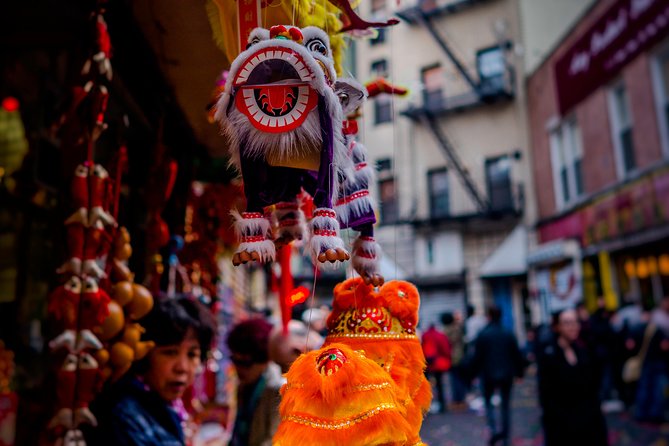
A good tour is partly about the guide. The other half is how you show up. Here’s what will help you get the full benefit:
- Wear comfortable shoes. The walking adds up, and you’ll also be standing during explanations.
- Check the weather. It’s an outdoor walk for the majority of the time, and clothing should match the day.
- Plan for stairs. The route includes some steps at certain stops.
- Keep a curious mindset. The best learning tends to happen when you let the stories connect to what you’re seeing around you.
Should You Book This Chinatown Information District Tour?
If you want Chinatown to feel clearer, book it. This tour is for you if you like guided context, temple interiors, and understanding how Chinese immigrant history and community life shaped the neighborhood. It also works well if you’re short on time, because it fits into a tight schedule while still delivering meaningful stops.
I’d skip or reconsider if stairs and lots of standing would be a problem for you, or if you’re traveling with younger kids who may not handle the subject matter well. And if your ideal day is only shopping and quick photo stops with minimal conversation, this may feel more talk-heavy than you want.
Overall, at $38 for a licensed, small-group experience with inside visits and a structured route, it’s a practical way to see Chinatown with your eyes open.
FAQ
What is the price per person?
The tour costs $38.00 per person.
How long is the tour?
The duration is approximately 1 hour 30 minutes.
Where does the tour meet?
You meet at the Chinatown Information Kiosk at 101 Baxter St, New York, NY 10013.
What time does the tour start?
The start time listed is 11:30 am.
Is the tour guided?
Yes. It includes a licensed in-person guide.
Is the tour in English?
The tour is offered in English.
Is transportation included?
No. Transportation to and from the attraction is not included.
How much walking is involved?
The tour covers about two miles of walking, with rest stops along the way.
Is the tour suitable for people with mobility needs?
The tour notes a moderate physical fitness level, and there are stairs at certain stops.
Are service animals allowed?
Yes, service animals are allowed.
What’s the cancellation policy?
Free cancellation is available. You can cancel up to 24 hours in advance for a full refund.