REVIEW · NEW YORK CITY
New York City’s Hell’s Kitchen: Walking Food Tour
Book on GetYourGuide →Operated by Manhattan Walking Tour · Bookable on GetYourGuide
Food and history share one Hell’s Kitchen walk. In just 150 minutes, you’ll eat across five stops and learn why this part of Manhattan earned its famous nickname and how it helped shape pop culture like West Side Story.
Two things I really like: the tour’s small group size (up to 8) means you can ask questions and actually hear the stories, and the food mix is broad enough to feel like a mini trip around the world without leaving the neighborhood. One heads-up: a couple tastings can involve sharing dishes, which can feel a bit awkward if you prefer personal portions.
In This Review
- Key things to know before you go
- Meet at Gyu-Kaku and Start Eating Before You Even Feel Hungry
- Five Stops, One Walk Through Food Cultures
- 1) A Japanese start at Gyu-Kaku
- 2) Georgian comfort food, including khinkali
- 3) Indian-spiced flavors and a fusion twist
- 4) Cookies as a real stop, not an afterthought
- 5) The Meatball Shop plus other signature tastings
- The Hell’s Kitchen Stories You’ll Carry Off the Sidewalk
- Irish roots and the nickname origin
- Crime, gangs, and the edge of the city
- Why the guide storytelling style matters
- West Side Story Connections You Can Spot in Plain Sight
- What the Small Group Feels Like on the Ground
- The one wrinkle: sharing plates
- Vegetarian Options Exist, But Don’t Count on Miracle Swaps
- Price and Value: $129 for Food, Walking, and Real Context
- Tips for Making the Most of Your Hell’s Kitchen Walk
- Should You Book This Hell’s Kitchen Food Tour?
- FAQ
- Where does the tour meet?
- How long is the walking food tour?
- How much does it cost?
- How many people are in the group?
- What foods and countries are featured?
- Are there vegetarian options?
- Can the tour accommodate vegan or gluten-free diets?
- Are pets allowed?
- Is the tour guided and in what language?
Key things to know before you go
- Meet at Gyu-Kaku on W 44th St (between 8th and 9th Avenues) so you start in the middle of the action
- Five tastings in 150 minutes gives you variety without spending the whole day eating
- You’ll hear how Irish Americans and later immigrant groups shaped Hell’s Kitchen
- Expect food stops ranging from Japanese to Georgian to Indian-spiced flavors
- The guide role matters: names like Alex, Jake, Claire, Cale, and Nicky come up often for story-telling
- You’ll likely walk enough to justify skipping a heavy dinner later
Meet at Gyu-Kaku and Start Eating Before You Even Feel Hungry
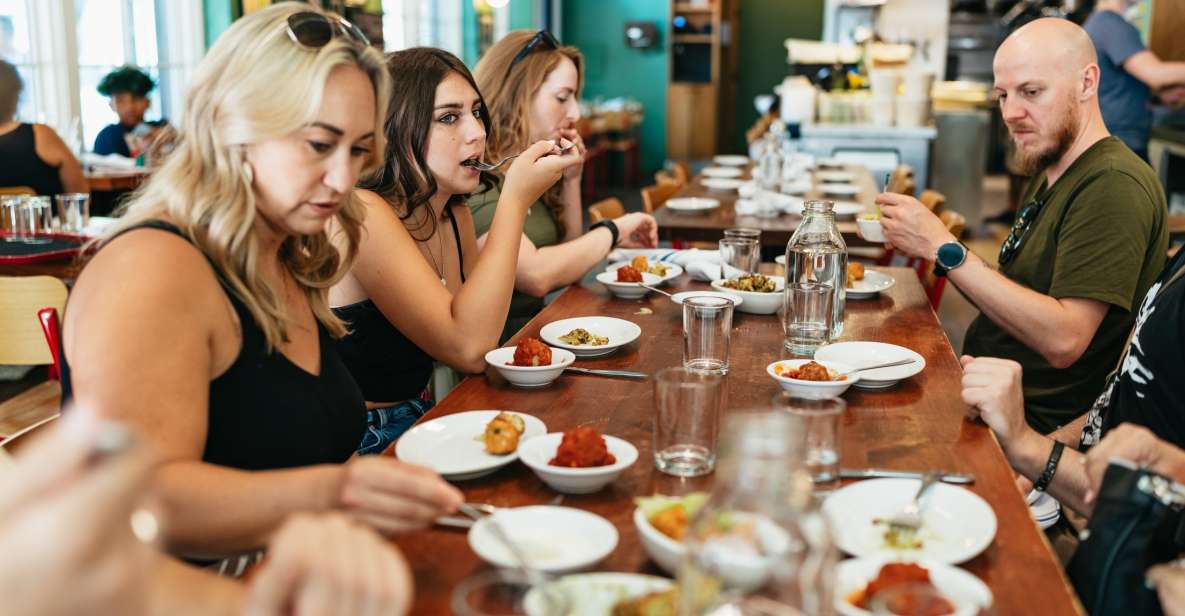
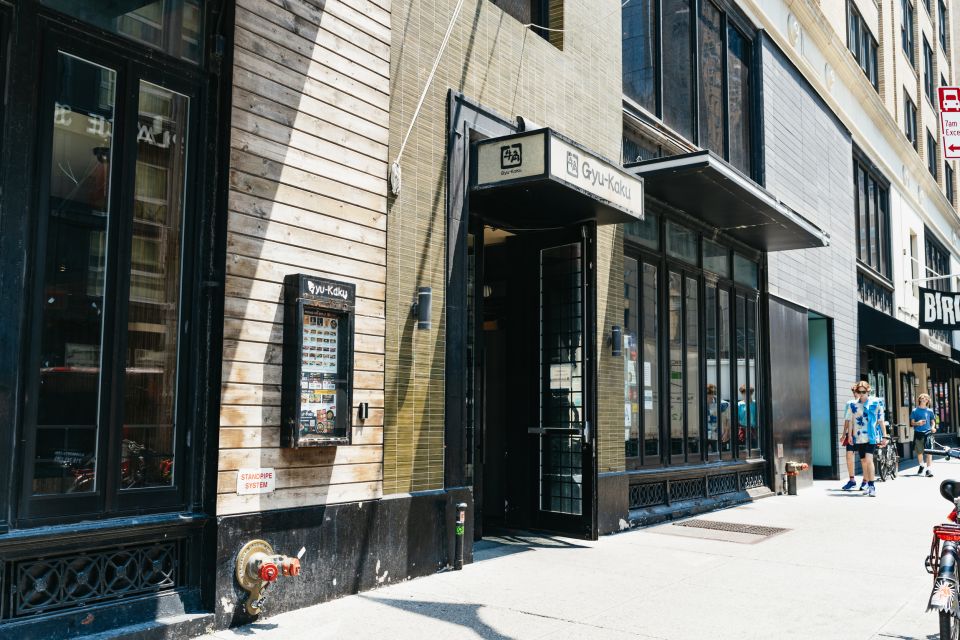
The tour starts right at Gyu-Kaku, 321 W 44th Street, between 8th and 9th Avenues. That location is smart because it puts you in the center of Hell’s Kitchen’s street life from the first minute, not tucked away on some side street where you’re still trying to find the vibe.
With a tour time of about 150 minutes and a group capped at 8 people, this is the kind of plan that feels efficient but not rushed. You’re walking, tasting, and listening at the same time—so you’ll want good shoes and the mental decision to go light on breakfast or skip it entirely.
If you like tours where the guide talks like a local (not a script), you’ll probably enjoy the pacing. Many guests mention guides like Alex and Jake as particularly personable story-tellers, and that matches what you want on a food-and-history walk: clear, human explanations that make the neighborhood make sense while your stomach stays busy.
You can also read our reviews of more food & drink experiences in New York City



Five Stops, One Walk Through Food Cultures
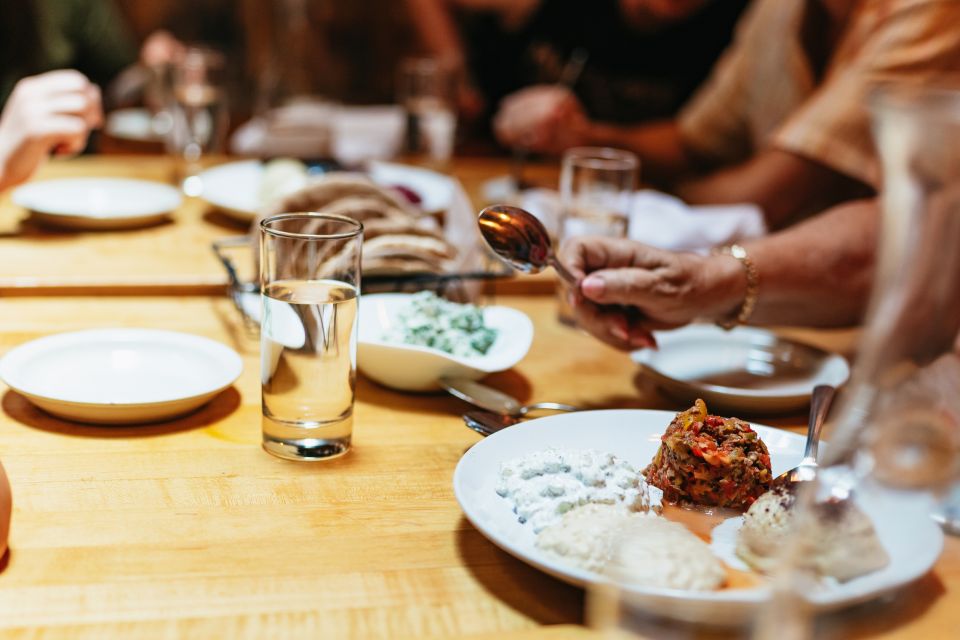
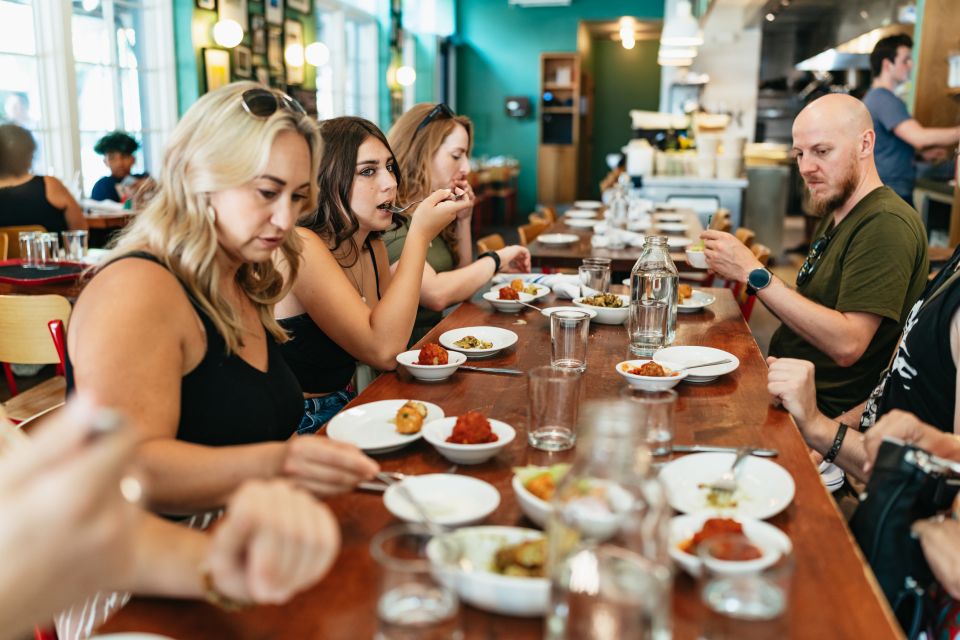
The heart of this experience is five different eateries. The food choices are intentionally varied, including Japanese flavors, Georgian dishes like khinkali, and Indian spices—plus a few surprises that connect cuisines in NYC style.
Here’s how the variety usually plays out as you move through Hell’s Kitchen:
1) A Japanese start at Gyu-Kaku
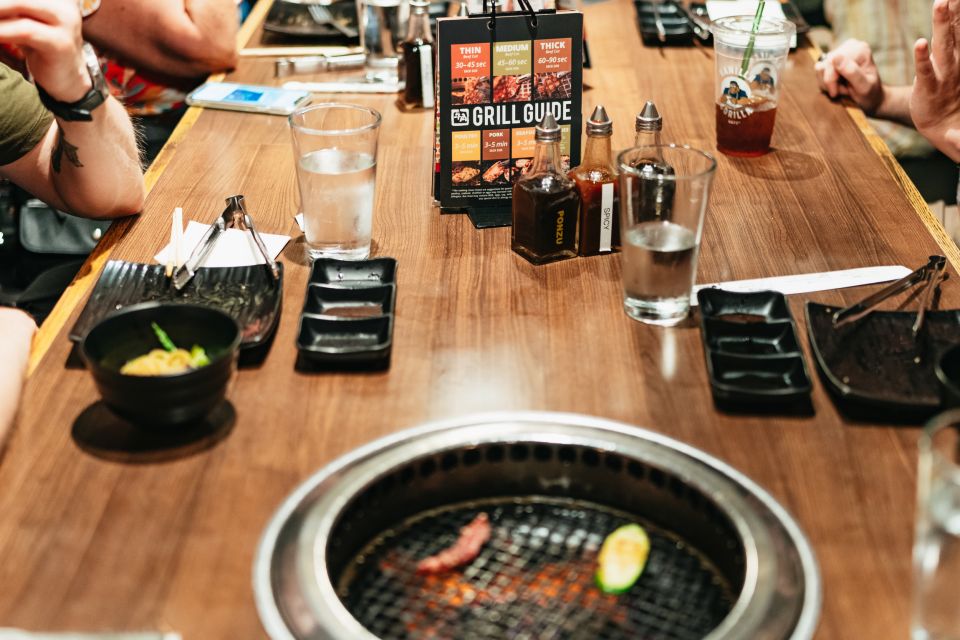
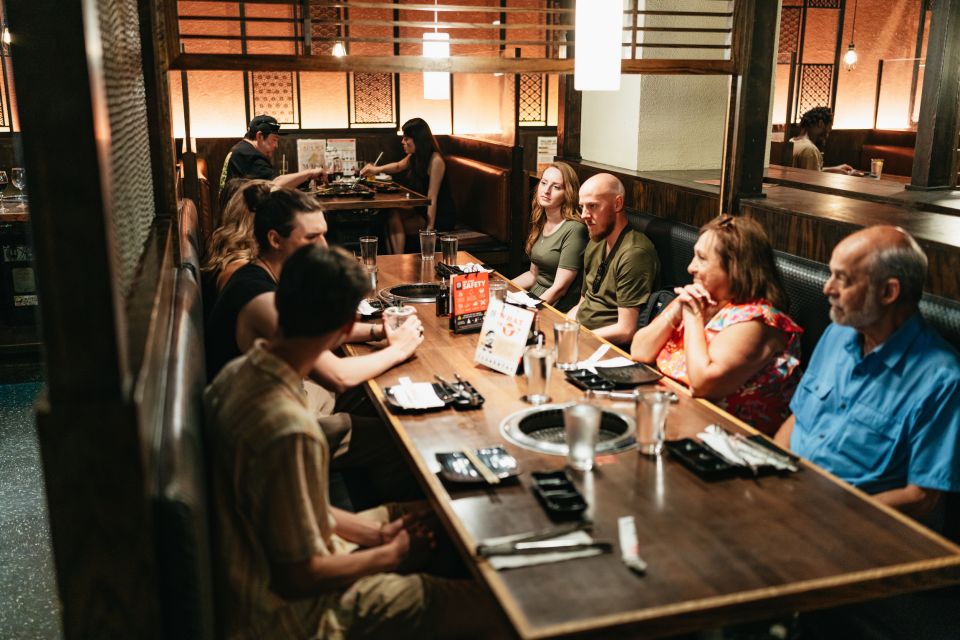
Starting at Gyu-Kaku is your first hint that this won’t be the typical NYC tour mix of pizza and cheesecake. One guest specifically called out Japanese food enjoyed at the first stop, even if you hadn’t tried it before. The value here isn’t just the cuisine—it’s the momentum. You begin with something flavorful and easy to sample, then the tour keeps expanding from there.
What to expect: a sit-down or structured tasting early on, with staff welcoming the group at the restaurant. If you’re the type who likes knowing where you are and what’s coming next, this first stop sets that tone.
2) Georgian comfort food, including khinkali
Georgian cuisine shows up as a standout. Multiple people mention the Georgian restaurant as a favorite, and at least one dish gets singled out: khinkali (the Georgian dumpling that’s hearty and satisfying without feeling like heavy filler).
Why this works on a walking tour: dumplings are shareable, filling, and easier to eat while everyone stays together. Also, Georgian food gives you a break from the more common Italian/American patterns you might associate with Manhattan food tours.
3) Indian-spiced flavors and a fusion twist
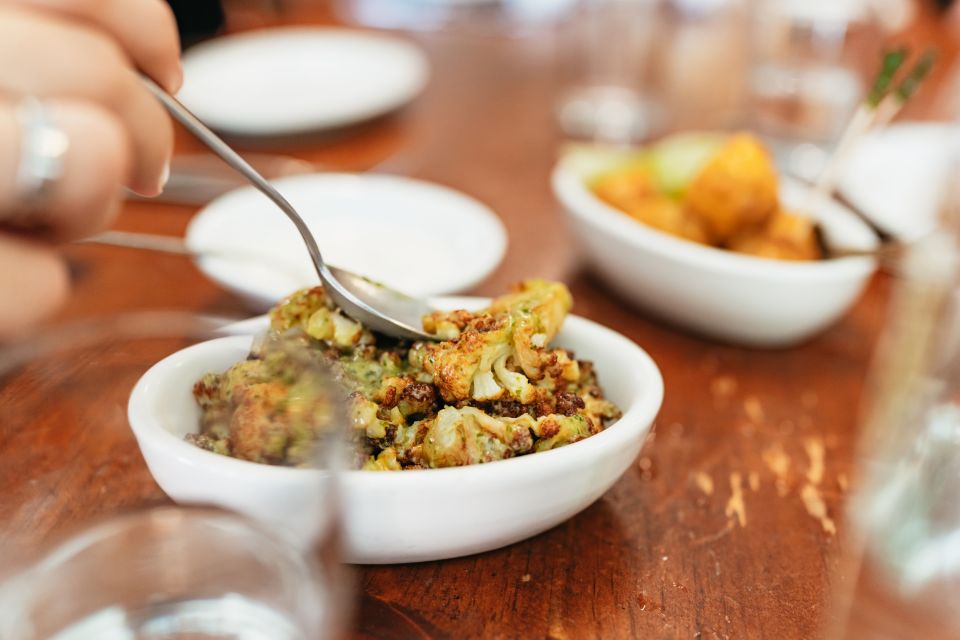
You’ll also get Indian spices, and the tour includes at least one fusion angle—people mention Indian-Mexican fusion tacos as part of the mix. That’s the NYC superpower in one bite: cuisines cross-pollinate in real neighborhoods, not just in trendy food apps.
Why you’ll probably like this stop: it’s different enough to keep your palate awake, but familiar enough that most people can appreciate the flavors without a crash course.
You can also read our reviews of more tours and experiences in New York City



4) Cookies as a real stop, not an afterthought
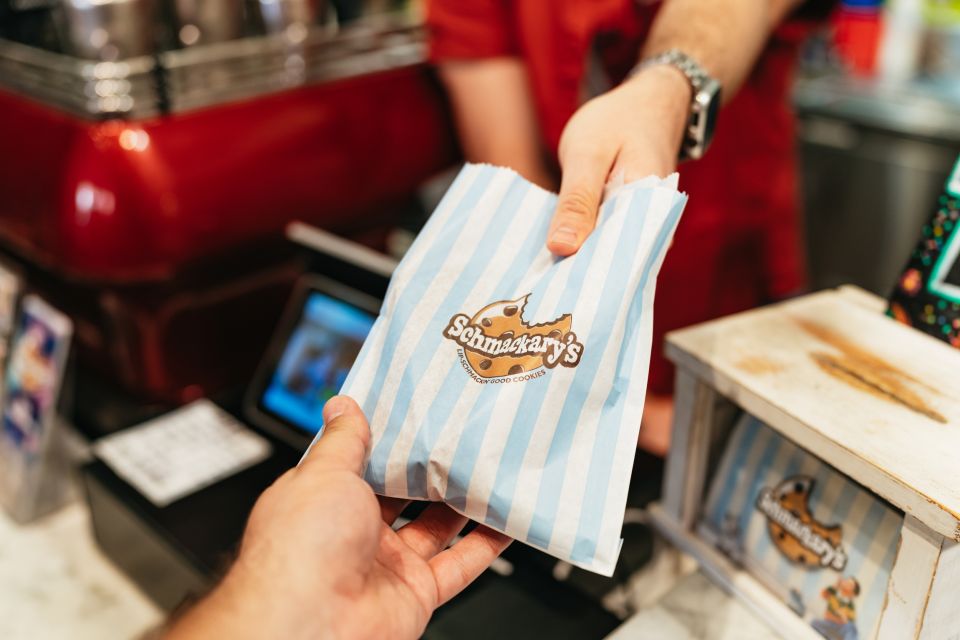
A “cookie store” comes up in the experience, and one guest even highlighted it for the history connection. That’s a fun detail because it prevents the tour from ending with something generic. Cookies work here as a palate reset, and the best part is you get the story behind it, not just the sweet.
Expect: quick, satisfying sweetness rather than a full meal.
5) The Meatball Shop plus other signature tastings
The itinerary includes a famous meatball stop: The Meatball Shop. Meatballs on a food tour are almost cheating—they’re portable, crowd-pleasing, and reliably delicious.
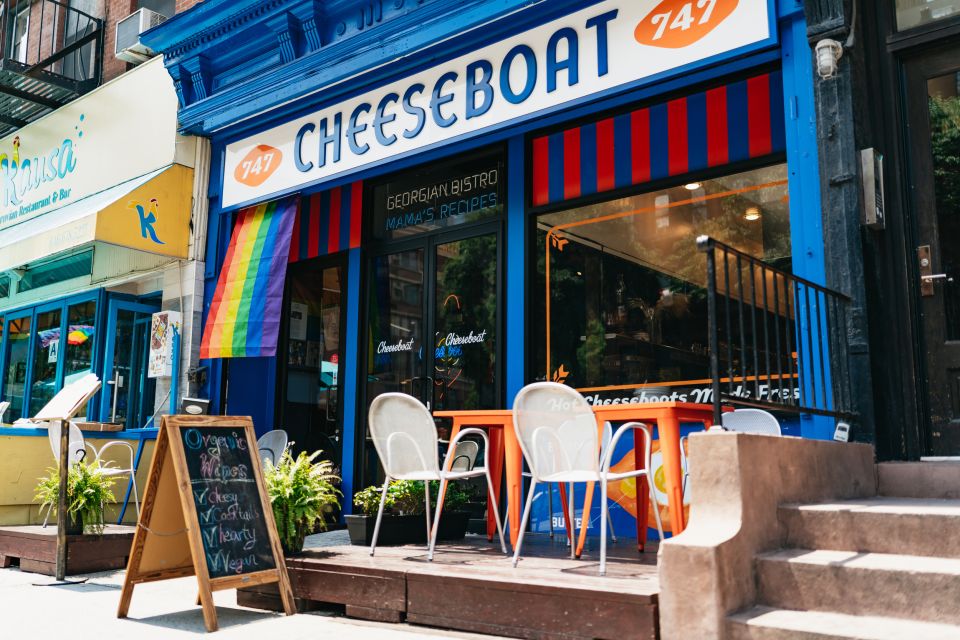
There are also mentions of specific tasting experiences like the Cheese Boat and a taste like orange wine. Even if you don’t know what those are ahead of time, that kind of inclusion is exactly why a guided tour beats self-planning. Your guide helps you eat things you might skip just because you wouldn’t know to order them.
The Hell’s Kitchen Stories You’ll Carry Off the Sidewalk
This tour is just as much about the neighborhood narrative as it is about food. Guides explain how Hell’s Kitchen evolved from a working-class area into a place where you can now find some of the city’s more prestigious properties—without pretending the past was tidy.
Irish roots and the nickname origin
One recurring theme: the neighborhood was originally home to hardworking Irish Americans, and the guide connects that to how Hell’s Kitchen got its name. You’ll also hear about ethnic tensions and how those stresses shaped daily life.
This matters because the neighborhood’s identity didn’t come out of nowhere. It came from real people living, working, arguing, and building community under pressure. That context makes the streets feel less like a postcard and more like a living timeline.
Crime, gangs, and the edge of the city
The tour also talks frankly about crime and gang violence—the kind of history that can turn any “fun neighborhood” description into something more complicated. The point isn’t to scare you. It’s to give you a truthful frame so you understand why the neighborhood became famous for both its danger and its reinvention.
Why the guide storytelling style matters
If you’ve ever done a history tour where the facts come out like a lecture, you’ll appreciate the way guides like Claire or Nicky are described: welcoming, easy to talk to, and focused on stories you can picture while walking. People also mention that guides share extra tips and tricks for food and shows, and one guest even pointed to getting help with orchestra seats for a show.
That added local usefulness is part of the value. You’re not just getting a 150-minute tour—you’re getting a mini network of guidance for the rest of your NYC time.
West Side Story Connections You Can Spot in Plain Sight
Hell’s Kitchen is tied to West Side Story, and this tour connects the cultural dots without requiring you to be a theater buff. The guide shares anecdotes about how the neighborhood’s character helped inspire the story.
Here’s what to pay attention to while you listen: the way the guide ties specific streets and community changes to the broader themes of the musical. That’s the payoff. Instead of memorizing plot points, you start to recognize why the setting felt real to audiences.
If you’re seeing a show during your trip, this tour pairs well. Even if you’re not, the West Side Story connection is still a practical “why this place matters” lesson.
What the Small Group Feels Like on the Ground
A cap of 8 participants is a big deal on a walking food tour. You’re not competing for attention with 20 people, and it’s usually easier to hear the guide clearly while people are stepping in and out of restaurants.
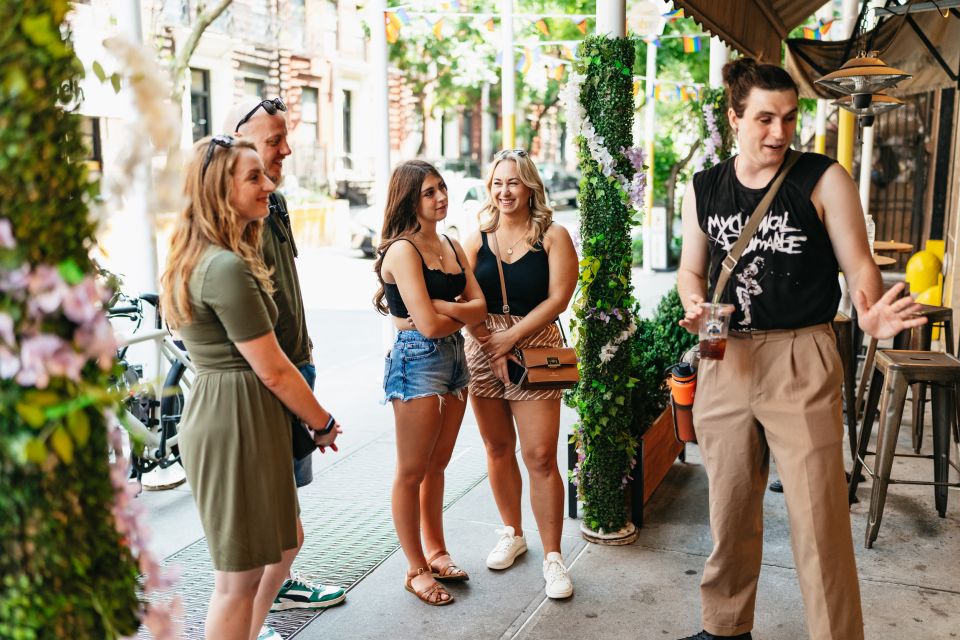
That also affects the vibe. Several guests praise guides for being personable and attentive, and people mention feeling comfortable asking questions. If you like your tours interactive, this format helps.
The one wrinkle: sharing plates
A downside that appears in the feedback: at least one dish can involve hands-on sharing, and one guest found that a little awkward with strangers at communal items. That’s the trade-off with group tastings—sometimes you’ll get a slice of something shared family-style, rather than every person receiving a personal portion.
My practical take: if you’re the type who really hates communal eating, go in with flexibility. You can still enjoy most of the food; just mentally brace for the occasional shared bite.
Vegetarian Options Exist, But Don’t Count on Miracle Swaps
The tour says a vegetarian option is available. The key detail is how you request it: you’re supposed to inform the supplier at the time of booking.
Everything else is tighter. The tour data states that any other dietary needs cannot be accommodated on this tour, including vegan, kosher, nut allergies, dairy-free, and gluten-free diets.
That can feel frustrating, especially because one guest mentioned their guide working hard to provide gluten-free choices. Still, you should treat that as not-guaranteed. The safest approach is to confirm your needs directly with the operator before you book, especially if your diet is medically strict.
If you’re vegetarian, you can book with more confidence. If you’re avoiding something major, confirm first, then decide.
Price and Value: $129 for Food, Walking, and Real Context
At $129 per person for about 150 minutes, you’re paying for three things at once: food at five locations, guide time, and local history narration tied to the neighborhood you’re walking through.
Is it pricey? Yes, NYC tours often are. But this one leans toward “value by design” because five stops means you’re not paying for one or two tastes and a long lecture. You’re eating multiple cuisines in a compact time window, and the guide adds meaning so it’s not just a food crawl.
My planning advice: treat the tour like a meal. If you’re tempted to schedule a big dinner after, consider skipping it. Several guests describe feeling so full that they changed dinner plans, and that tracks with a five-stop format.
Also, go hungry in a smart way. Wear comfortable shoes, don’t plan a heavy workout right after, and keep a bit of water handy.
Tips for Making the Most of Your Hell’s Kitchen Walk
A few practical moves make the biggest difference:
- Arrive at Gyu-Kaku on time so you don’t lose early momentum.
- Wear good shoes. You’ll be walking between spots.
- Come hungry, but don’t rely on substitutes if you’re not vegetarian. The tour can’t accommodate many dietary needs.
- If you get a guide like Alex, Jake, or Claire, expect strong story-telling and plenty of friendly answers to your questions. People repeatedly mention their warmth and helpful local recommendations.
- If you’re visiting for theater or nightlife, ask your guide for a quick plan for the rest of your evening. That’s a real part of the experience, not just small talk.
Should You Book This Hell’s Kitchen Food Tour?
You should book if you want a neighborhood-focused food tour that mixes international tastes with clear, street-level history. It’s a strong pick for first-time NYC visitors who want Hell’s Kitchen context fast, and it’s also good if you’ve been to Manhattan before but haven’t really learned why this area earned its nickname or how West Side Story connects to the streets.
You might skip it if you have strict dietary requirements beyond vegetarian, or if you hate any chance of shared, hands-on tastings. Also, if you prefer deep museum-style history over casual neighborhood stories, you may find this a bit more “food + walking” than “lecture.”
If you fall in the happy middle—hungry, curious, okay with group tastings—this one is a very good bet for a memorable couple hours in Hell’s Kitchen.
FAQ
Where does the tour meet?
The meeting point is Gyu-Kaku, 321 W 44th Street, located between 8th and 9th Avenues in New York.
How long is the walking food tour?
The tour lasts 150 minutes.
How much does it cost?
The price is $129 per person.
How many people are in the group?
The group is small, limited to 8 participants.
What foods and countries are featured?
You can expect a range of cuisines, including Japanese, Georgian flavors (including khinkali), and Indian-spiced options, plus other stops such as cookies and a meatball restaurant.
Are there vegetarian options?
Yes. A vegetarian option is available, but you need to inform the local supplier at the time of booking.
Can the tour accommodate vegan or gluten-free diets?
The tour data says it cannot accommodate vegan, kosher, nut allergies, dairy-free, or gluten-free diets.
Are pets allowed?
No pets are allowed on this tour (assistance dogs are allowed).
Is the tour guided and in what language?
Yes. It includes a live English-speaking guide.