REVIEW · NEW YORK CITY
New York Soho and the Village Art and Architecture Tour
Book on Viator →Operated by Build Tours · Bookable on Viator
Look up; the Village has stories in stone. This small-group SoHo and Village architecture walk turns busy streets into a guided lesson in urban design, and I especially like the personal headsets that help you hear every detail. The one trade-off: the route is short, so you won’t have time to linger like you might outside a museum or courthouse.
What you’ll get is a focused evening stroll that starts at Cooper Square and ends in Washington Square Park under the arch, with a mobile ticket and a maximum group size of 15. It runs about two hours (including travel time), it’s planned for good weather, and you’ll hit a string of major art and architecture stops along the way.
In This Review
- Key highlights that make this tour worth your time
- A Two-Hour Walk Through SoHo and the Village’s Design Logic
- Where the Tour Starts and How the Evening Fits Together
- Ivan’s Headsets and Small-Group Size: Why It Feels Personal
- Stop by Stop: Cooper Union to Washington Square Arch
- 1) Cooper Union Foundation Building
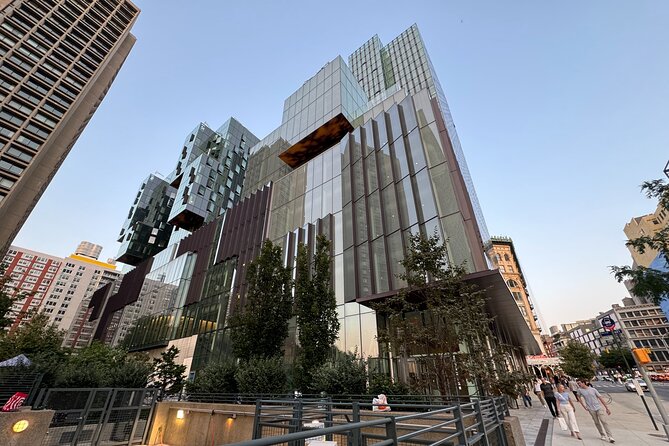
- 2) 40 Bond St (Herzog and de Meuron residences)
- 3) New Museum of Contemporary Art (SANAA)
- 4) PUBLIC Hotel
- 5) Capitale (former Bowery Savings Bank, McKim, Mead & White, 1895)
- 6) Little Singer Building
- 7) Scholastic Building by Aldo Rossi (pass by)
- 8) New York’s old cathedral
- 9) NYU Main Campus (Houston Street and around Washington Square)
- 10) Silver Towers (public spaces and art)
- 11) Bobst Library (enter)
- 12) Washington Square Park, New York (end under the arch)
- What You Actually Learn: How the Guide Trains Your Eye
- Value for $49: When a Short Tour Makes Sense
- Who This Tour Fits Best
- Should You Book This SoHo and Village Architecture Tour?
- FAQ
- How long is the tour and what time does it run?
- How much does it cost?
- Where does the tour start and end?
- Is the group size limited?
- Does the tour include headsets?
- Are there admission fees at the stops?
- Is it available in all weather?
Key highlights that make this tour worth your time
- Small group of up to 15 with in-person guidance, so questions don’t get lost
- Headsets for clear audio, useful when sidewalks get noisy
- A tight route from Cooper Square to Washington Square, ideal for a night out
- Architecture you’d miss on your own, including major landmark buildings
- Free access at multiple stops, including time to enter Bobst Library
- Art institutions plus street-level culture, from contemporary art to historic banking facades
A Two-Hour Walk Through SoHo and the Village’s Design Logic
New York’s streets can feel like a blur until someone points out the patterns. This tour is built for that moment: you walk, you look up, and the guide helps you read the city like a map of ideas. The West and East Village, SoHo, and the Lower East Side are packed with architecture that reflects money, migration, design trends, and city planning all at once.
I like that the tour keeps a steady pace. It’s short enough to fit into a busy schedule, but it’s structured enough that you come away with something clearer than a list of buildings. The headsets also matter more than you’d think: when you’re outside near traffic, standing in a group without clear audio can kill the experience fast.
The other strong point is the feel of the walk. It’s intimate, and the guide—Ivan—turns the stops into a conversation. In the reviews, Ivan comes up again and again for being focused, clear, and able to answer questions without making you feel rushed. One review even notes that he reminded someone to look up and around, which is exactly the skill this kind of tour trains.
You can also read our reviews of more walking tours in New York City



Where the Tour Starts and How the Evening Fits Together
You meet at Cooper Square at 5:30 pm, then you end at Washington Square Park under the arch. That end point is convenient: it’s one of the easiest places to keep exploring after the tour, whether you want a quick coffee, a late dinner, or just another lap around the square.
The tour lasts about two hours, and travel time is included in that estimate. So you’re not spending a big chunk just moving between far-apart neighborhoods. Instead, the route stays tight enough that the story keeps moving—Cooper Union early, then a chain of architecture stops that gradually build toward Washington Square.
You’ll also get a mobile ticket, and the tour includes all fees and taxes. That matters for planning: you’re not doing last-minute math while you’re trying to enjoy your evening.
Ivan’s Headsets and Small-Group Size: Why It Feels Personal
A group of 15 is the sweet spot for an architecture walk. Large groups can turn “guided” into “follow the person with the umbrella.” Here, the size is small enough that you can actually ask questions and get answers that fit what you’re noticing.
Then there’s the headset setup. The tour provides professional individual headsets for each guest, which makes a noticeable difference when you’re on sidewalks near traffic or when the group stops in a place where you can’t all hear the guide easily. If you’ve ever struggled to catch words on outdoor tours, you’ll appreciate this design.
From the feedback, Ivan is also the kind of guide who keeps the experience from feeling like a lecture. One review sums it up simply: it never felt boring, and the route stayed interesting even when the architecture details could have become too technical. That’s a good sign for first-timers who still want depth without drowning in jargon.
Stop by Stop: Cooper Union to Washington Square Arch
Below is the tour’s flow, with what each stop adds and what to watch for. Times are approximate where they’re provided.
1) Cooper Union Foundation Building
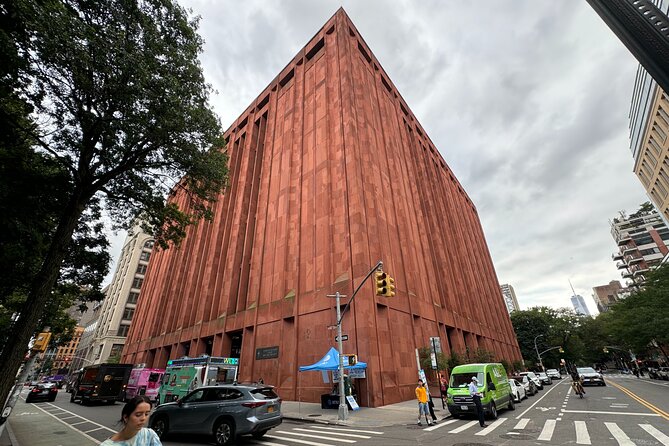
The walk begins with the Cooper Union Foundation Building. You get about 10 minutes here, and admission is free with a ticket handled as part of the tour.
This is a smart first stop because it sets the tone: it’s not just street decoration, it’s civic identity. Cooper Union is the kind of site that helps you understand why New York has always treated design as something tied to education and public life. Even if you’re not an architecture nerd, you’ll likely notice how the building’s presence anchors the surrounding streets.
One practical tip: arrive ready to look upward. The guide’s whole job is turning your attention to the parts people skip when they’re trying to get somewhere else.



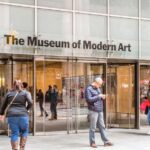


2) 40 Bond St (Herzog and de Meuron residences)
Next comes 40 Bond St, a residential building by Herzog and de Meuron. You’ll have around 5 minutes and again, free ticket entry is included for the visit.
This stop works well because it connects big-name architecture to everyday city living. You might see details that look like they belong to a magazine—then the guide ties it back to how a dense neighborhood makes design decisions in real time. It’s a reminder that architecture isn’t only for museums.
Potential drawback at this kind of stop: because you’re briefed on the exterior and you can’t always linger, you’ll want to listen for the one or two key points the guide repeats. Those are the ones that actually stick after you leave.
3) New Museum of Contemporary Art (SANAA)
Then you’re at the New Museum of Contemporary Art, designed by SANAA. Another 5 minutes, free admission handled through the tour.
Here’s the value: contemporary museums teach you how New York layers art into the city. Even if you don’t go inside for long (the time is short), the building’s design can help you see how contemporary culture and real estate pressures meet. This is also a good moment to notice how the area around the museum shifts compared with Midtown—SoHo and the nearby neighborhoods have a different rhythm.
4) PUBLIC Hotel
The tour continues with a stop for PUBLIC Hotel, about 5 minutes.
Even though this isn’t an art institution in the classic sense, hotels like this often represent the modern face of New York—where design, branding, and public-facing space get blended. Keep your eyes open for how the building interacts with the sidewalk. Good design in New York is rarely passive; it’s meant to be used and noticed.
5) Capitale (former Bowery Savings Bank, McKim, Mead & White, 1895)
Now for the turn toward historic grandeur: Capitale, the former Bowery Savings Bank by McKim, Mead & White from 1895. You get about 5 minutes.
This is one of those stops that makes you understand why people love New York architecture even when they don’t care about theory. A former bank building is a clue into the city’s priorities: you can often read ambition and civic power right into the facade.
What to watch for here is contrast. You go from contemporary and boutique-facing design to something built for institutional trust. That shift is part of why the tour works: you see design as a timeline, not as isolated landmarks.
6) Little Singer Building
The route includes a visit to the Little Singer Building. The tour plan doesn’t list a specific time for this stop, but it’s treated as a meaningful architectural moment.
Singer-related buildings matter in New York because they represent industrial-era ambition moving into the urban fabric. This stop gives you an extra historical layer without turning the walk into a full museum day.
7) Scholastic Building by Aldo Rossi (pass by)
You’ll also pass the Scholastic Building by Aldo Rossi. This is a “go by it and learn what to look for” moment rather than a long pause.
Aldo Rossi is known for design that’s tied to memory and urban form, so even a brief pass can be useful. Listen for the guide’s framing: the goal is to help you see what the building is communicating about place and identity, not just what it looks like from the street.
8) New York’s old cathedral
Next is a stop to visit NY’s old cathedral. Again, the itinerary doesn’t give a precise time block here, but it’s included as a full stop.
Cathedrals in cities like New York do more than host services—they act like landmarks, civic anchors, and crowd-makers in one. This is a great place to pause and reset your thinking after the more commercial architecture. If you tend to speed-walk when you’re outdoors, slow down here. The guide’s explanation should help you notice why this kind of building still shapes the neighborhood’s mental map.
9) NYU Main Campus (Houston Street and around Washington Square)
You then head to NYU’s Main Campus, focusing on new additions to the campus and residences along Houston Street and around Washington Square. This is about 5 minutes, with free access noted.
This stop is valuable because it shows how the present keeps editing the city. You’re not only looking at preservation; you’re seeing what growth looks like when it lands in a dense, older neighborhood. If you’ve ever wondered how universities reshape urban blocks, this is the clearest kind of answer: look at the buildings, then listen to the planning logic behind them.
10) Silver Towers (public spaces and art)
Next are the Silver Towers, with about 10 minutes set aside. The tour specifically highlights the buildings and the public spaces and art around them.
This stop helps you see architecture as community space. In New York, the story often lives not only in the facade but in what happens where people gather. If the guide points out specific art or public areas, that’s where you’ll likely get the strongest “aha” moment, because it shifts you from thinking of buildings as objects to thinking of them as systems.
11) Bobst Library (enter)
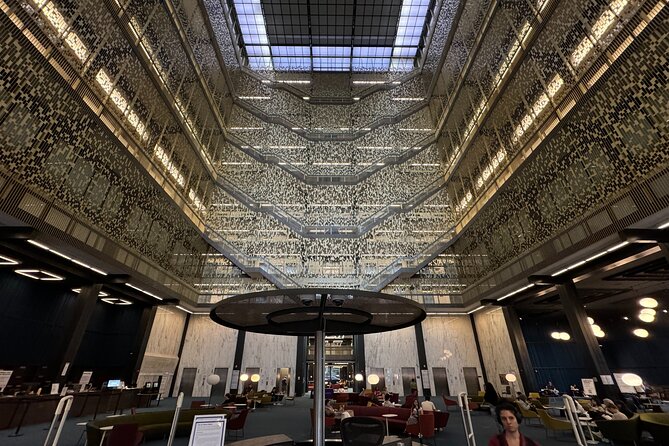
The tour then goes to Bobst Library. You’ll have about 5 minutes, and this is one of the few stops where the plan calls out that you can enter.
Entering a major library is a quick but powerful change of pace. Even with limited time, you’ll likely notice scale, layout, and the way interior design affects how people move and study. It’s also a reminder that “architecture” includes what’s inside, not only what’s on street corners.
12) Washington Square Park, New York (end under the arch)
Finally, you finish at Washington Square Park. The plan calls for about 10 minutes, and the meeting-point description says you end under the arch.
Ending here makes sense because the park is one of New York’s natural classrooms. After hearing about design choices all night, you’ll start noticing how plazas work, how crowds form, and how public space becomes part of daily life. This is also the easiest place to branch out—either toward food or toward one more loop of the streets that caught your attention during the tour.
What You Actually Learn: How the Guide Trains Your Eye
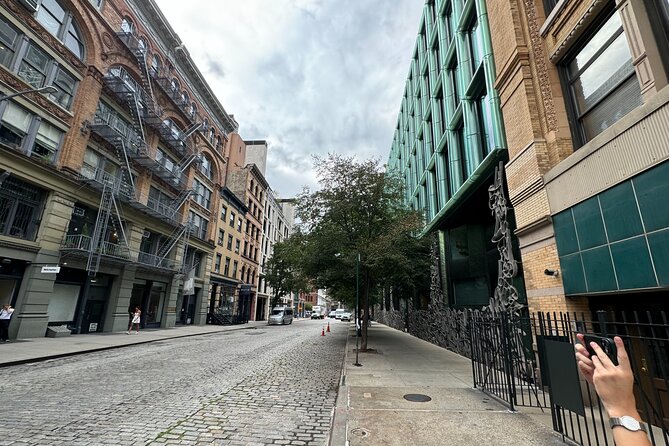
The architecture on this route spans several design “modes”: civic education spaces, private residences, contemporary art buildings, historic banking facades, and institutional campuses. That mix is the point.
Once you’ve heard the guide’s explanations, you’ll start recognizing patterns like:
- how urban planning decisions show up in block layout and transitions between neighborhoods
- how style changes when buildings shift from institutions to street-facing commerce
- why architects get hired for both identity and image, not just function
- how public art and public spaces can be part of the same overall design plan
The reviews also stress that Ivan keeps the tour tailored to interests. If you’re more into urban planning, you’ll get the city logic. If you’re more into architecture details, you’ll focus there. That flexibility is a big value-add for a short tour.
And one practical skill: you’ll be reminded to look up and around instead of only straight ahead. In New York, the best information is often above street level or hidden in the relationship between buildings and sidewalk space.
Value for $49: When a Short Tour Makes Sense
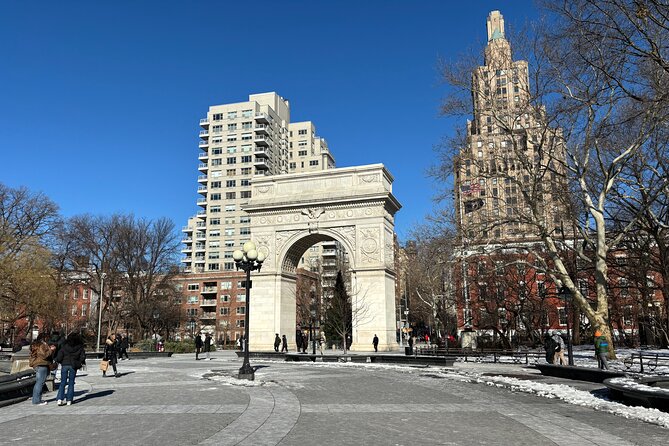
At $49 per person, this isn’t a bargain in the “free walking tour” sense, but it is solid value for what you get. The price includes:
- all fees and taxes
- an in-person guide
- professional individual headsets
Those extras matter because they remove common annoyances: you don’t pay extra for access, and you don’t lose the guide’s explanations to street noise. Also, the itinerary includes free admission ticket entry for key stops, and Bobst Library is specifically listed as something you can enter.
The other value element is time. Two hours is enough to learn a clear framework for what you’re seeing, but not so long that you’re exhausted or stuck when plans change. For many people, that’s the sweet spot for first-time architecture exploration.
Who This Tour Fits Best
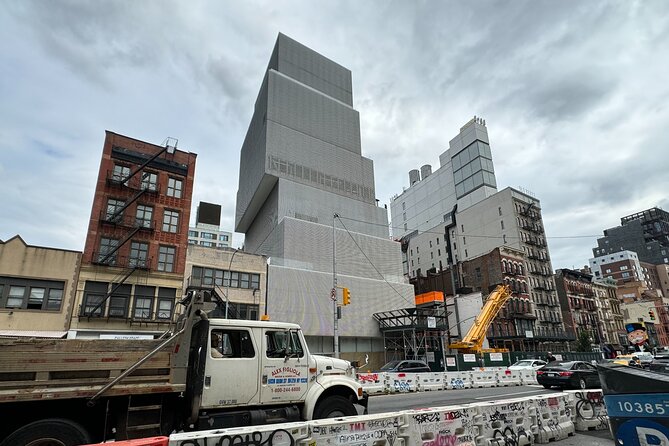
This works especially well if:
- you’re new to SoHo, the West and East Villages, or the Lower East Side
- you want more than photos and street names
- you care about how architecture connects to neighborhood identity
- you don’t want to get lost on your own or stare at buildings wondering what you’re looking at
It’s also a good pick if you want a guided night out. You’ll finish near Washington Square Park, which makes it easy to keep exploring right after.
If you only want museum-level time at a single location, the short format may feel limiting. But if you like a broad sweep with clear explanations, this is built for you.
Should You Book This SoHo and Village Architecture Tour?
I’d book it if you want a fast, guided way to understand how design shapes neighborhoods—especially if you’ve ever looked at a building and felt unsure what mattered about it. The combination of small group size, headsets, and a route that mixes major landmarks with art institutions is exactly what makes architecture feel understandable rather than intimidating.
Skip it (or at least lower your expectations) if you need long time in one place. The tour’s strength is the sequence of stops, not staying forever at any single site.
If you’re deciding right now, here’s the simplest test: if you’ll actually walk for two hours in good weather and you want someone to help you read the city, this tour is a smart use of time in New York.
FAQ
How long is the tour and what time does it run?
It lasts about 2 hours (approx.) and starts at 5:30 pm. Travel time is included in the tour duration.
How much does it cost?
The price is $49.00 per person.
Where does the tour start and end?
It starts at Cooper Square and ends at Washington Square Park under the arch.
Is the group size limited?
Yes. The maximum group size is 15 travelers.
Does the tour include headsets?
Yes. You get professional individual headsets so you can hear your guide clearly.
Are there admission fees at the stops?
The tour lists free admission ticket for multiple stops, and it includes fees and taxes. Tips are not included.
Is it available in all weather?
The tour requires good weather. If it’s canceled due to poor weather, you’ll be offered a different date or a full refund.