REVIEW · NEW YORK CITY
NYC: Central Park Guided Pedicab Tour
Book on GetYourGuide →Operated by NYC Park Tours™ · Bookable on GetYourGuide
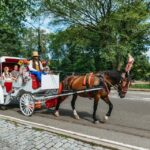
Central Park on wheels beats footwork. This private pedicab tour lets you glide through iconic sights while your guide adds stories and a professional photographer helps capture the moment.
I like how the experience mixes classic park landmarks with movie-spotting fun, from Home Alone 2 at Bethesda Fountain to Elf-style Bridge views, plus nods to Spiderman and Stuart Little. You’re also kept comfortable with a warm blanket in winter, which matters more than you’d think.
One possible drawback: you cover a lot in short stop times (about 1–2 hours total), so if you want long wandering breaks and a slow pace, you may feel slightly rushed.
In This Review
- Key Highlights Worth Planning Around
- How the Pedicab Changes Central Park
- Price, Timing, and What $44 Really Buys
- Getting Started at 6th Avenue (1411 6th Ave)
- Stop-by-Stop: From Gapstow Bridge to Wollman Rink
- Bethesda Fountain and Cherry Hill: Where Movie Memory Meets the Real Thing
- Bow Bridge, Alice in Wonderland, and Film-Spotting That Actually Helps
- Jacqueline Kennedy Onassis Reservoir and Belvedere Castle: Bigger Views, Less Effort
- Strawberry Fields by the Dakota Building: The Emotional Finale
- Professional Photographer Included: How to Get Great Shots Without Stress
- The Guides: What You’ll Actually Feel During the Ride
- Who This Central Park Pedicab Tour Suits Best
- Should You Book This Central Park Pedicab Tour?
- FAQ
- Where does the Central Park pedicab tour start?
- How long is the tour?
- How much does it cost?
- Is this tour private?
- What’s included in the tour?
- Can I just show up?
Key Highlights Worth Planning Around
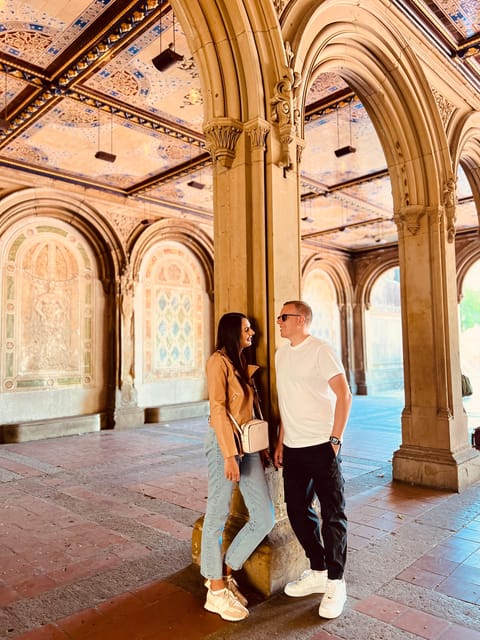
- Professional photos at the best-known corners so you’re not playing photographer roulette
- Bethesda Fountain with instant recognition from Home Alone 2
- Bow Bridge and Wonderland sights where pop-culture energy meets real Central Park beauty
- Strawberry Fields across from the Dakota Building for John Lennon-focused memories
- Belvedere Castle and reservoir photo moments for big views without hiking
How the Pedicab Changes Central Park
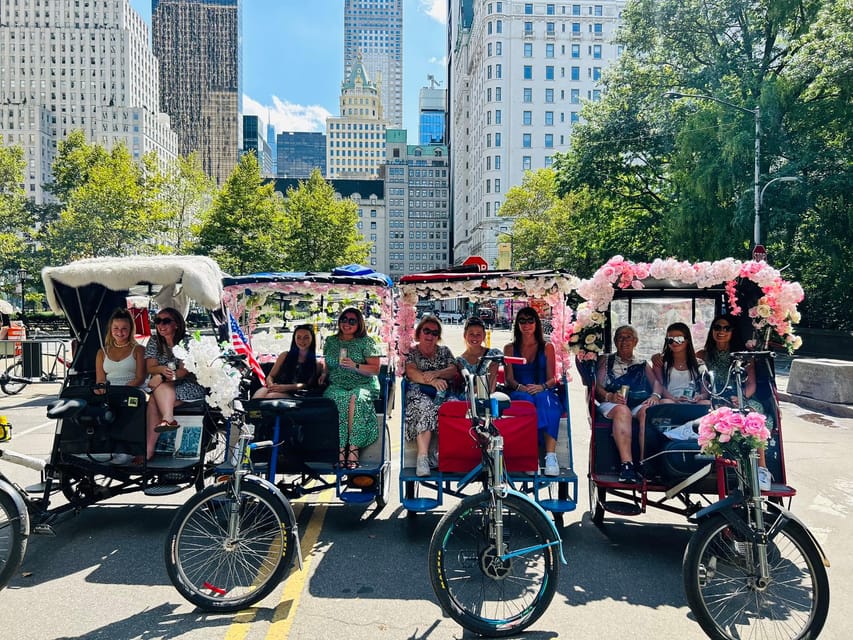
Central Park is designed for walking, but your time in Manhattan is not. The pedicab format solves that problem fast. You get the best parts of the park without the stop-and-go effort of trying to cross paths, navigate foot traffic, and guess distances between landmarks.
The private part is the real difference. Instead of watching other people’s schedules, your guide sets the tempo around your group and keeps you moving to the most famous spots. That means you spend less time figuring out where to go next and more time actually seeing it.
And you’re not just taking in scenery. With a guide riding along, you get the why behind the what. Central Park can feel like a set of pretty images—until someone points out the planning details, the landmark connections, and the movie cues that made these spots famous. The result is a tour that feels like a guided highlight reel, but with enough real facts to make it stick.
You can also read our reviews of more guided tours in New York City


Price, Timing, and What $44 Really Buys
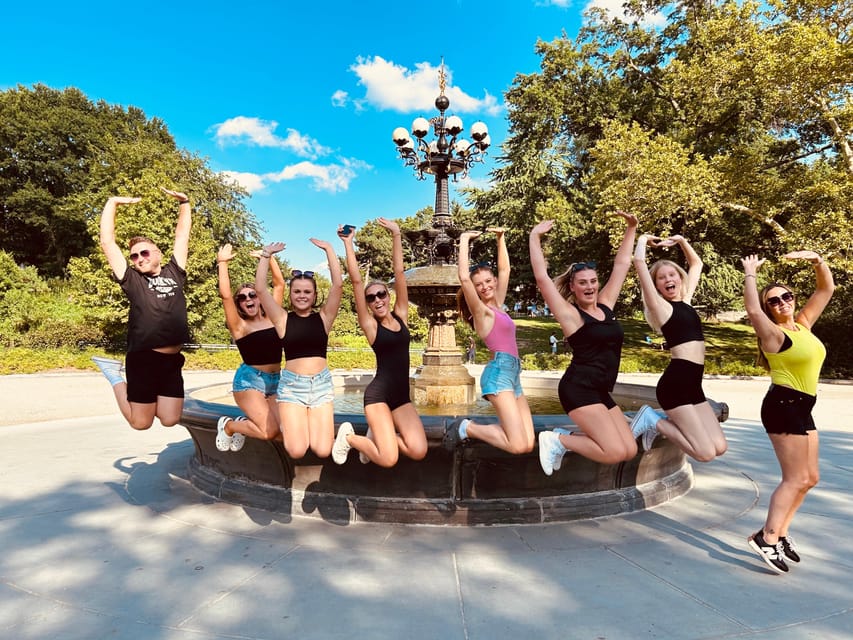
At $44 per person for about 1–2 hours, this sits in the “worth it if you use it well” category. If you’re the type who spends vacation time comparing photo angles and landmarks, the built-in photographer and structured route are the value engine.
Here’s what you’re effectively paying for:
- Transportation inside the park (so you avoid a lot of walking strain)
- A live guide who connects landmarks to stories and film locations
- Professional photography support, especially at the highest-impact stops
If you’re visiting Central Park once and want the core sights without spending half a day collecting them, the price makes sense. If you’re already planning to spend hours biking, wandering every path, and stopping for long breaks, you might get less “bang” from the guided pacing.
Timing matters too. The tour duration depends on availability and starting times, so treat it like a planned attraction, not a vague idea. Book early if you want a slot that fits your sightseeing rhythm.
Getting Started at 6th Avenue (1411 6th Ave)
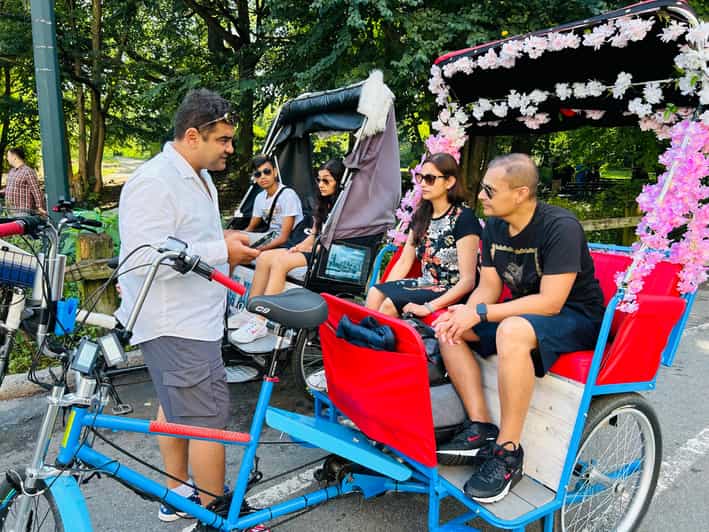
Your tour starts at 1411 6th Ave, in front of Starbucks between 57th and 58th on 6th Avenue. That’s convenient because you can anchor your Central Park plan to a clear Manhattan reference point. It also reduces that awkward first-day confusion of figuring out where your guide is and which entrance makes sense.
This also helps you arrive mentally ready. Instead of arriving to Central Park, then trying to figure out where your first landmark is, you roll into it with momentum. You sit down, settle in, and let the guide steer the route.
One thing I’d keep in mind: walk-ins aren’t allowed. You’ll want a prior reservation so everything runs smoothly.
Stop-by-Stop: From Gapstow Bridge to Wollman Rink
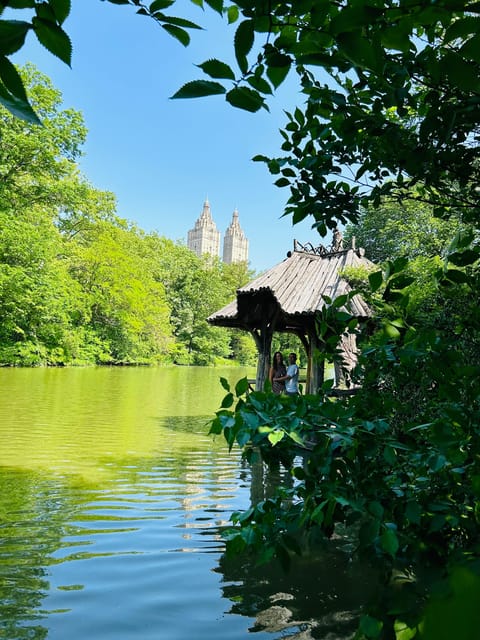
Gapstow Bridge is a great “warm-up” stop because it gives you classic Central Park views without feeling like work. Even if you’ve only seen images, you’ll recognize the shape and the location instantly once you’re there. It’s the kind of spot that makes you pause and look around—because it’s built for photos and for that postcard perspective.
Then you move to Wollman Rink, another landmark with an identity all its own. Depending on the season, you’ll see the rink as a Central Park feature that locals treat like a destination, not just a facility. The value of this stop is simple: your guide can frame how this area functions in the park’s daily life and why it stays culturally memorable.
Short stops here are helpful. They get you oriented fast, so the bigger moments later feel even more satisfying.
Bethesda Fountain and Cherry Hill: Where Movie Memory Meets the Real Thing
Bethesda Fountain is the star for a reason. It’s also one of the easiest places to make the park feel connected to pop culture. If you’ve seen Home Alone 2, you’ll likely recognize the fountain instantly. Even if you haven’t, it still works because it’s a visual focal point that draws the eye like a magnet.
The fountain area is also a moment for your guide to do what guides do best: turn a famous scene into something you can picture later. You’ll understand the setting better, and you’ll get more from it than the plain sight of water and stone.
From there, you head toward Cherry Hill, which is all about viewpoints and atmosphere. Cherry Hill tends to feel like a “park moment” rather than a structure moment. It’s a spot where you can feel the park’s personality—less street, more atmosphere.
And don’t be surprised if you hear extra notes about signature viewpoints like Pilgrim Hill during the ride. Central Park has these “look points” that help you see the park as a planned experience, not just scattered attractions.



Bow Bridge, Alice in Wonderland, and Film-Spotting That Actually Helps
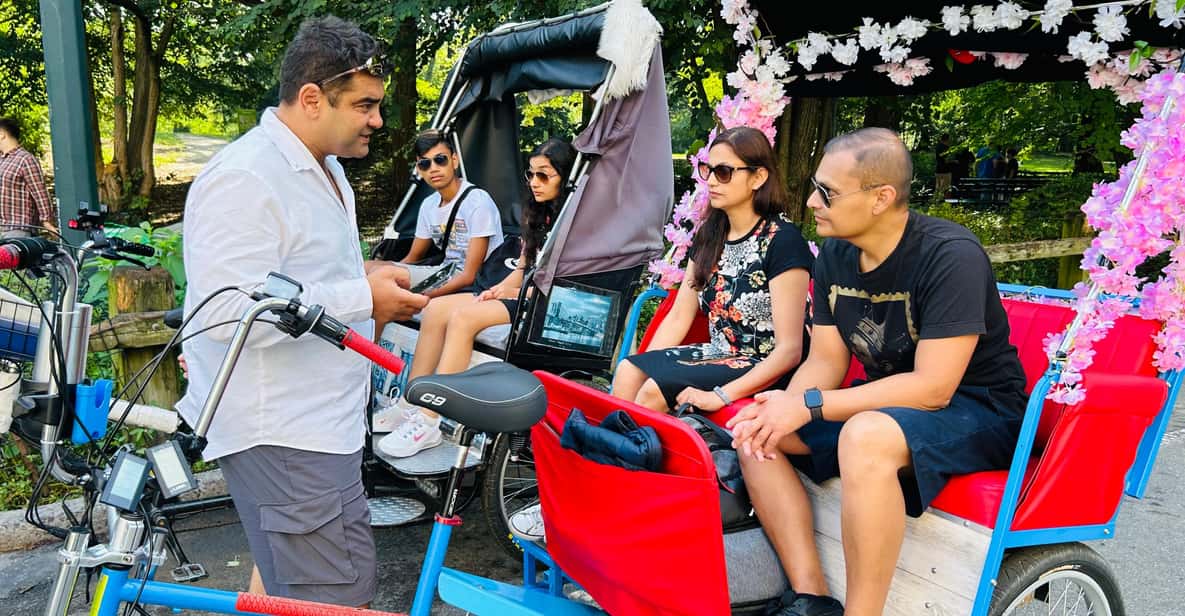
Bow Bridge is one of those landmarks you don’t need to fully understand to love. You’ll get the payoff right away: it looks like a storybook bridge, and it’s instantly photogenic.
Elf is one of the films your guide points to here. The bridge area is a natural match for movie recognition because it delivers both the visual cue and the emotional tone of the scene. Even if you only remember a single shot, the guide’s framing makes it feel logical instead of random.
Alice in Wonderland is another stop that adds a playful edge. Central Park’s themed touchstones can feel like tourist traps if you approach them wrong. But with a guided approach, it becomes a snapshot of how the park blends imagination, art, and visitor experience.
Then there’s the filming-location angle. Your guide flags other recognizable production moments across the park, including connections to Spiderman and the remote control boats from Stuart Little. The point isn’t trivia for trivia’s sake. It’s that these cues help you understand why people keep coming back to the same places.
Jacqueline Kennedy Onassis Reservoir and Belvedere Castle: Bigger Views, Less Effort
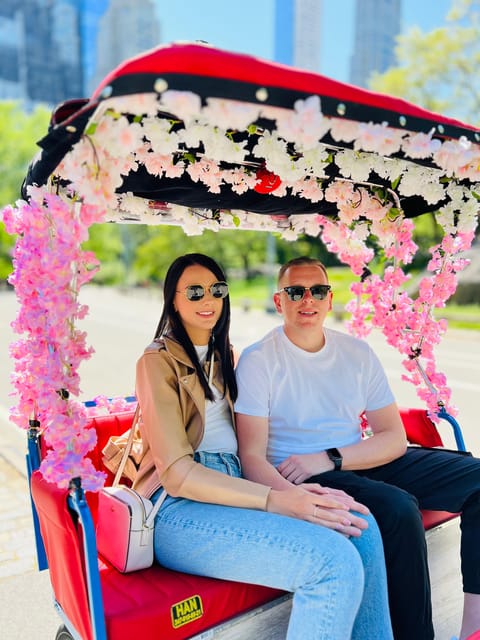
The Jacqueline Kennedy Onassis Reservoir is a “photo you can feel” stop. It gives you a wider sense of space inside the park, especially compared to the tighter landmark clusters. You’ll also have a photo stop moment here, which is smart because this is one of those views where getting your timing right matters.
After that, Belvedere Castle brings a different kind of payoff: it’s a landmark with presence. Even when your pedicab isn’t stopping for long, you get enough time to take in the shape and role of the castle in the park’s overall design.
If you want one practical travel tip: this is exactly the kind of stop where a guide helps you aim for better photos. The photographer (who is part of the tour experience) can guide you to angles that work with the surroundings rather than just pointing the camera and hoping.
Strawberry Fields by the Dakota Building: The Emotional Finale
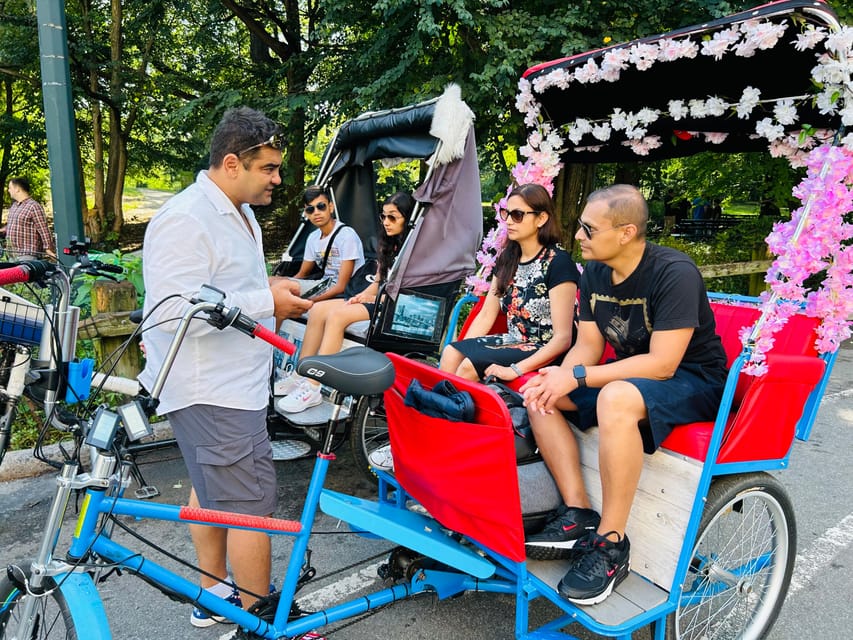
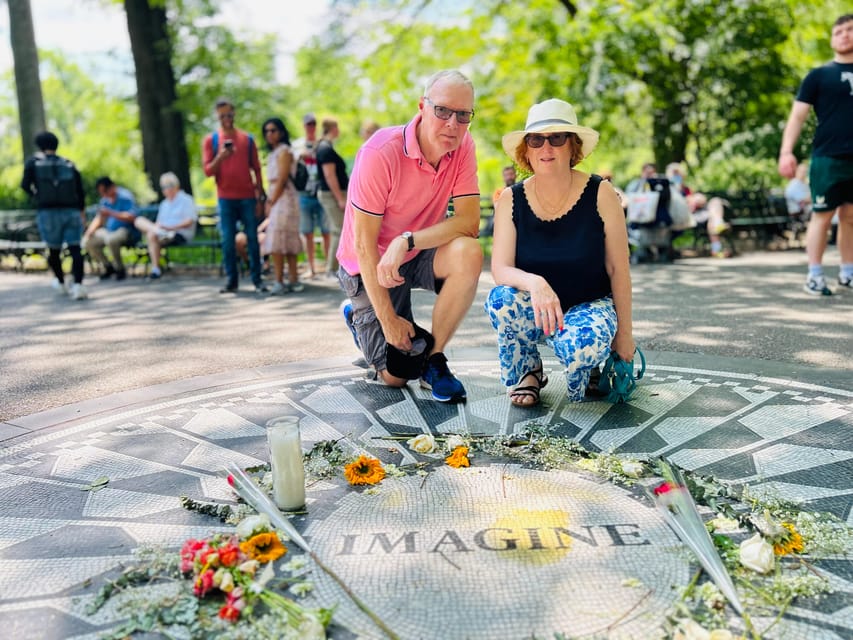
Strawberry Fields is where the tour’s tone softens. It’s dedicated to John Lennon and sits across from the Dakota Building, so you’re seeing the park plus the broader cultural context in one place.
This is also one of the best stops for photos because it’s not just a view—it’s a message. Your guide can give you context about the tribute area, and you’ll get time designed for a memorable shot.
What makes this finale work on a pedicab is pacing. After bridges, fountains, and castles, Strawberry Fields lands like a calm exhale. You’re still moving, but the experience shifts from sightseeing spectacle to something more personal and reflective.
Professional Photographer Included: How to Get Great Shots Without Stress
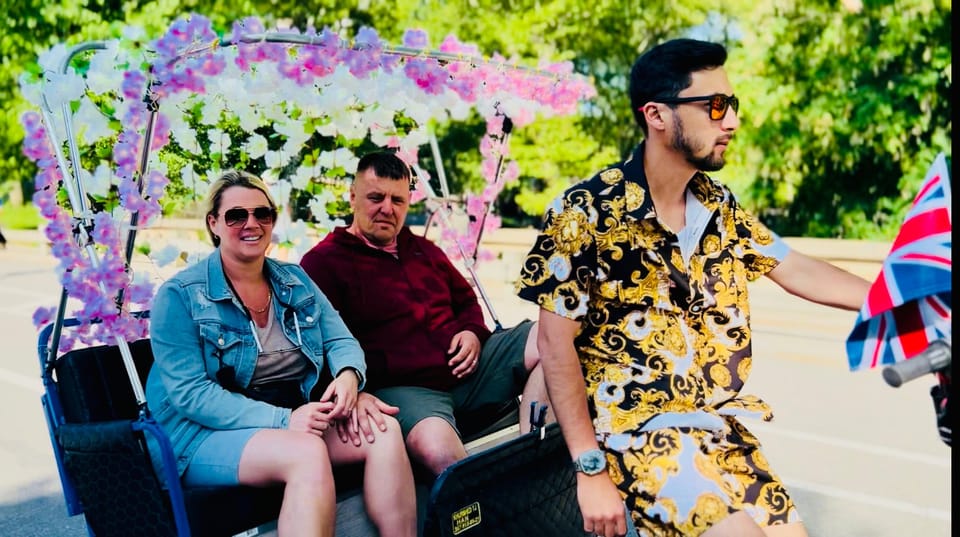
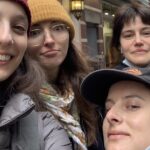
This is one of the most praised parts of the tour, and it’s easy to see why. Having a professional photographer on hand changes your behavior. Instead of scrambling for positions, you can relax and let the plan take care of you.
A few practical things to do:
- Tell the photographer what matters to you: full group shots, couple shots, or just crisp landmark photos
- Pay attention during the stops, because the best angles are often tied to the exact spot and time
- Be ready for quick turns: the tour moves efficiently, so you’ll want to stay focused during the short sightseeing windows
If you’ve ever tried taking photos around Bethesda Fountain or Bow Bridge yourself, you know the problem: you either get a great frame but you’re not in it, or you’re in it but the angle isn’t right. This tour solves that.
The Guides: What You’ll Actually Feel During the Ride
The guide experience is consistently a standout. Guides such as Josh, Ricky, Nick (often with Manu), Peter, AJ, and Abdul show up with the same core strengths: friendly energy, solid park storytelling, and a sense of humor.
That last bit matters. Central Park is beautiful, but it’s also huge. Humor helps you stay engaged while your guide moves you through it without turning the whole thing into a lecture. Many guides also handle photo pauses with patience, which makes your group feel comfortable rather than rushed.
A smart approach: ask questions during the ride. If you want the most from the movie connections, ask where the scenes relate to what you’re seeing now. If you want photo tips, ask where to stand for the best view. The guide is there to turn the landmarks into understanding.
Who This Central Park Pedicab Tour Suits Best
This tour fits best if you:
- Want the Central Park highlights without spending hours figuring out route logistics
- Care about photos and don’t want to rely on luck with your phone
- Like learning in small chunks while you ride rather than walking the whole time
- Enjoy movie trivia when it’s connected to real places, not random facts
It may be less ideal if you:
- Plan to linger at each landmark for long stretches
- Want a deep, slow, “every path” exploration day
- Prefer to build your own self-guided route with no structure
Should You Book This Central Park Pedicab Tour?
Yes, if you want a smart, efficient way to experience Central Park highlights with a guide and a photographer doing the heavy lifting for photos. The $44 price works best when you value the combination of private transport, storytelling, and the chance to get genuinely good images at famous spots like Bethesda Fountain and Strawberry Fields.
If you have the time and the energy to wander for hours, you can still do Central Park on your own. But if your schedule is tight—or you want a “see it, feel it, photograph it” day—this tour is a strong bet.
FAQ
Where does the Central Park pedicab tour start?
The tour starts at 1411 6th Ave, in front of Starbucks between 57th and 58th streets on 6th Avenue. It ends back at the meeting point.
How long is the tour?
The tour duration is about 1 to 2 hours. Starting times vary by availability.
How much does it cost?
It costs $44 per person.
Is this tour private?
The experience is described as a private Central Park guided pedicab tour.
What’s included in the tour?
The tour includes the Central Park pedicab ride, a live guide, and a warm blanket in winter. A professional photographer is also included to capture your experience at the stops.
Can I just show up?
No. Walk-ins aren’t permitted. You’ll need a prior reservation to join.