REVIEW · NEW YORK CITY
NYC: Fifth Ave Gilded Age Mansions Guided Walking Tour
Book on GetYourGuide →Operated by Untapped New York · Bookable on GetYourGuide
Fifth Avenue looks polished. The past is still there.
This guided walk focuses on what survived of the Gilded Age on Millionaire’s Row, and it helps you read the architecture you normally sprint past. You’ll move from the General Sherman statue near Central Park toward the Metropolitan Museum of Art, spotting the footprints of major estates and hearing how wealth, design, and even scandal shaped this stretch of Fifth Avenue.
What I like most is that the tour gives you two real payoffs fast: inside access to a Gilded Age mansion (not just looking from the sidewalk), and headsets that keep the guide’s stories clear even at street-distance. Second, the pace is built for questions and for real attention to details, helped by photo-based storytelling about homes that are now gone.
One drawback to plan for: you’re doing about 1.3 miles of mostly outdoor walking in rain or shine. If you hate long city walks or bad-weather commutes, this may test your stamina.
In This Review
- Key things you’ll remember
- A 2-hour walk that turns Fifth Avenue into a real place
- The route from the Sherman statue to the Met Museum
- Why you need a guide for Millionaire’s Row
- Grand Army Plaza to the Plaza Hotel: wealth as a public performance
- Private clubs and The Arsenal: the Fifth Avenue “no trespassing” lesson
- Richard Morris Hunt and the Frick Collection: art and power in the same frame
- A photo stop for what’s missing: learning the footprint of lost estates
- Consulate, Ukrainian Institute, and the Irish Historical Society: the Gilded Age afterlife
- Albertine inside: the bookstore stop you can actually step into
- The Benjamin N. Duke House and why single-family mansions are rare now
- Headsets, pace, and weather: how to make the tour feel easy
- Price and value: is $39 worth it for 2 hours?
- Who should book this Fifth Avenue mansion walk
- Should you book it?
- FAQ
- How long is the NYC Fifth Ave Gilded Age Mansions guided walking tour?
- Where does the tour start and where does it end?
- Is the tour mostly outdoors?
- Does the tour include access inside a mansion?
- Is the tour wheelchair accessible?
- What should I wear or bring?
Key things you’ll remember
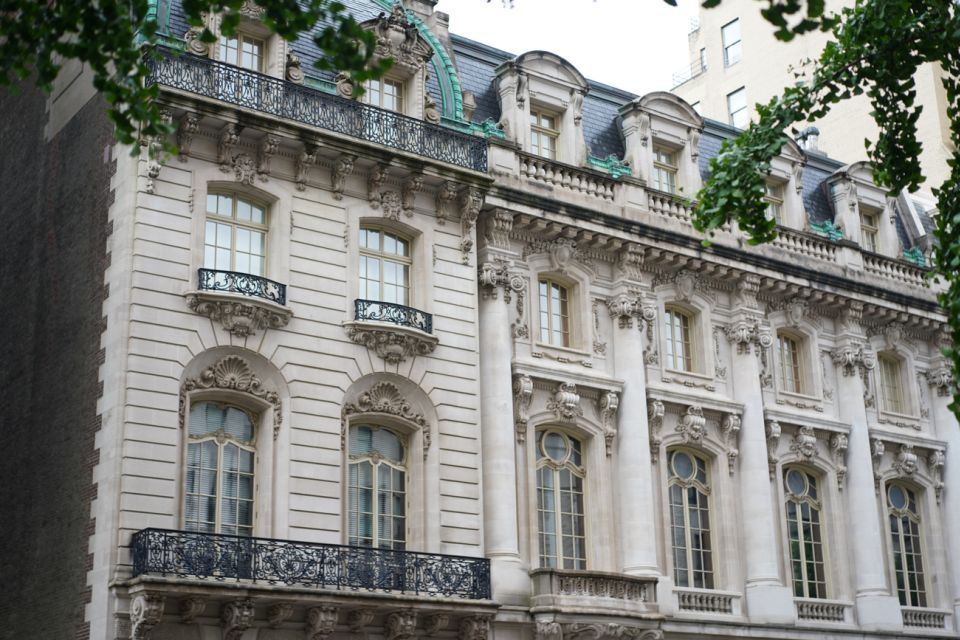
- An inside stop at Albertine, a bookstore housed in a Gilded Age mansion
- Headsets for clear listening so you don’t miss the good parts while moving
- Photo stops built around lost mansions, using historical images to reconstruct what disappeared
- Frick Collection context from the street, plus street-level clues you’d otherwise miss
- A route designed like a story, from Central Park’s edge down to the Met
- One of the last single-residence mansion narratives, showing how rare private homes became
A 2-hour walk that turns Fifth Avenue into a real place
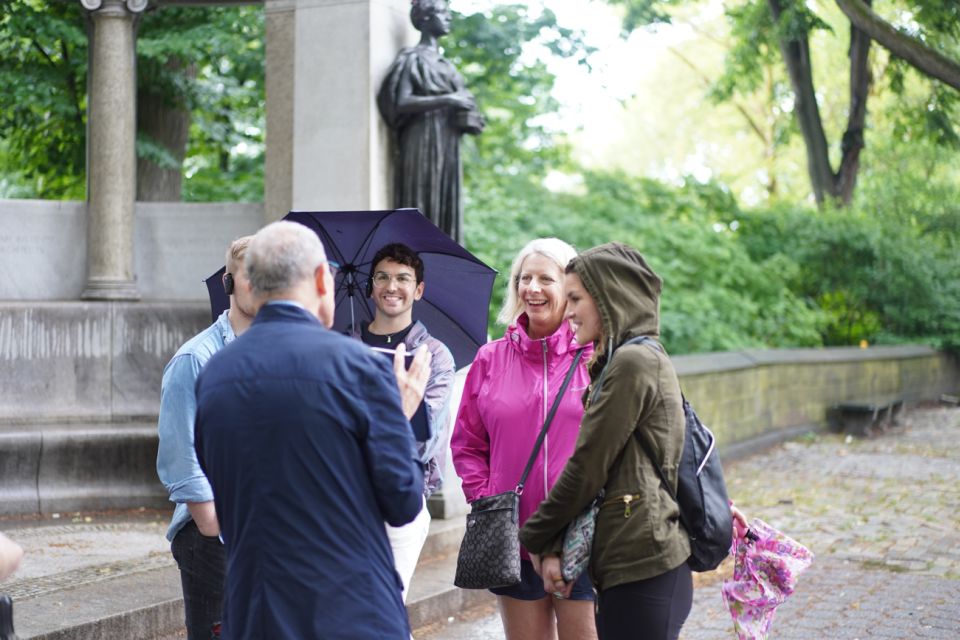
This is not a museum tour where you sit and watch glass cases. It’s a city walk that treats Fifth Avenue like an outdoor exhibit. You cover about 1.3 miles in 2 hours, mostly outdoors, with enough stops to make the time feel earned.
That time matters. At this price point, you’re paying for a compact route plus interpretation: someone explains what you’re looking at, why it was built, and what happened to it. In other words, you’re not just buying a stroll. You’re buying a way to see.
You can also read our reviews of more walking tours in New York City



The route from the Sherman statue to the Met Museum
You start at the gold statue of General William T. Sherman on horseback on 5th Avenue between 59th and 60th Street, and your guide holds an Untapped New York sign. The meeting address is listed as 764 Doris C Freedman Pl.
You end near the Metropolitan Museum of Art at 5th Ave and 80th St. That end point is handy. If you plan it right, you can treat the tour like a warm-up and then continue with the museum afterward, without needing extra transit.
The middle stretch is where Fifth Avenue’s contrast hits hardest: major hotels and clubs on one side of the street, and quieter institutional buildings on the other. The walk shows you how the Gilded Age didn’t vanish. It repurposed.
Why you need a guide for Millionaire’s Row
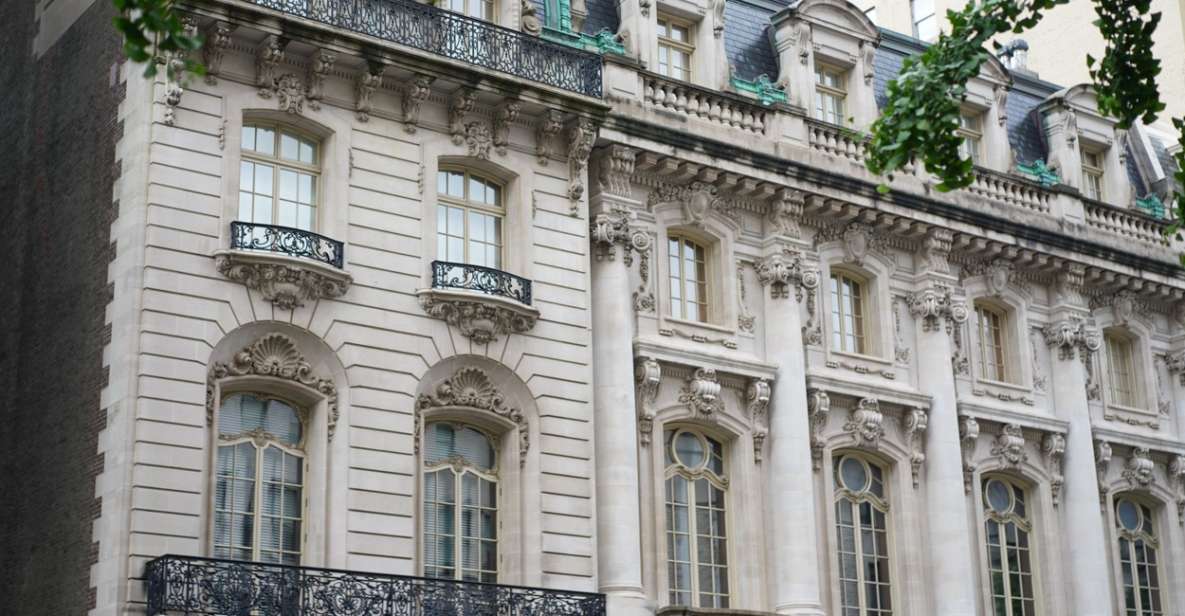
A lot of the mansions from this era are now private residences, private clubs, or institutions. That means you can’t always see inside, and you certainly can’t read the full story from the sidewalk.
This tour works around that limitation in two ways:
1) It uses street-level architecture cues so you learn what to notice even when gates block you.
2) It includes one interior visit so you get at least one direct feel for the scale and atmosphere.
That balance is key. The walk doesn’t pretend every doorway is open. It focuses on what you can access and what you can interpret from outside.
Grand Army Plaza to the Plaza Hotel: wealth as a public performance
The tour begins with a photo stop and guided talk at the General William Tecumseh Sherman Monument, right where Fifth Avenue starts feeling grand and ceremonial.
Next you move to the Pulitzer Fountain in Grand Army Plaza. This is a good early anchor because it sets the tone: this area isn’t just about individual fortunes. It’s about how a whole world of money wanted to be seen.
Then you pass by the Plaza Hotel. It’s one of those buildings you recognize instantly, but the value of the stop is not the skyline shot. It’s the context the guide brings: how Fifth Avenue became a stage where old money, new money, and American ambition all tried to look permanent.
Private clubs and The Arsenal: the Fifth Avenue “no trespassing” lesson
The next stops are mostly photo stops and passes by, including the Metropolitan Club and the Knickerbocker Club. The point here is simple: you’ll learn to spot the clues of wealthy residential design even when the building today is club space.
Then you pass by The Arsenal. This is where the guide’s job really matters. Without someone to connect dots, these buildings can blur together as “important” or “historic.” With commentary, they become part of one larger pattern: estates, then institutions, then a new kind of status marker.
This section also answers a practical question you may have before the tour: what’s actually left of the Gilded Age? The answer is a mix of entrances, facades, and footprints. You learn to see the difference between a mansion that survived and a neighborhood that merely inherited the vibe.
You can also read our reviews of more guided tours in New York City






Richard Morris Hunt and the Frick Collection: art and power in the same frame
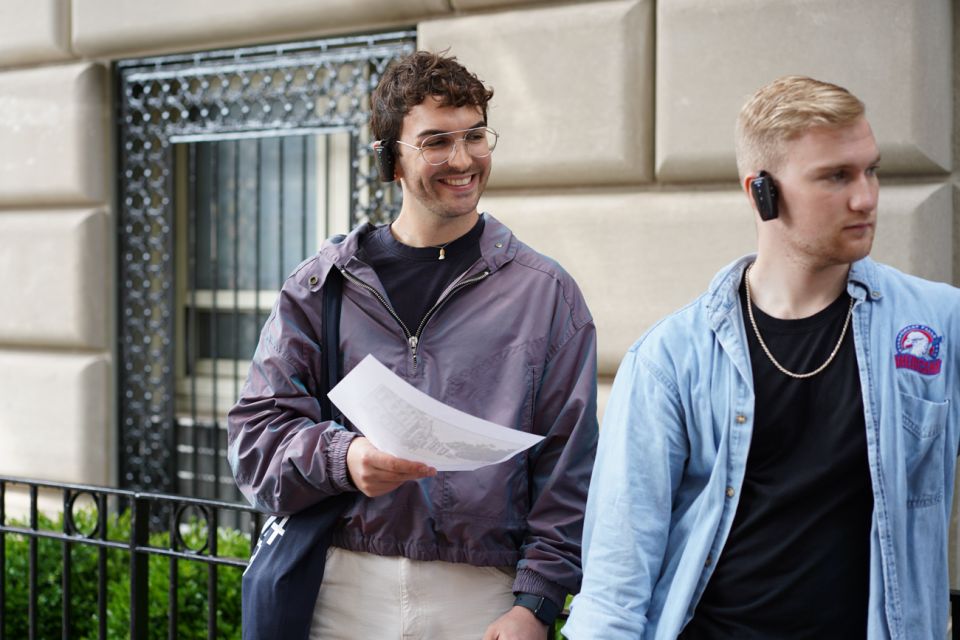
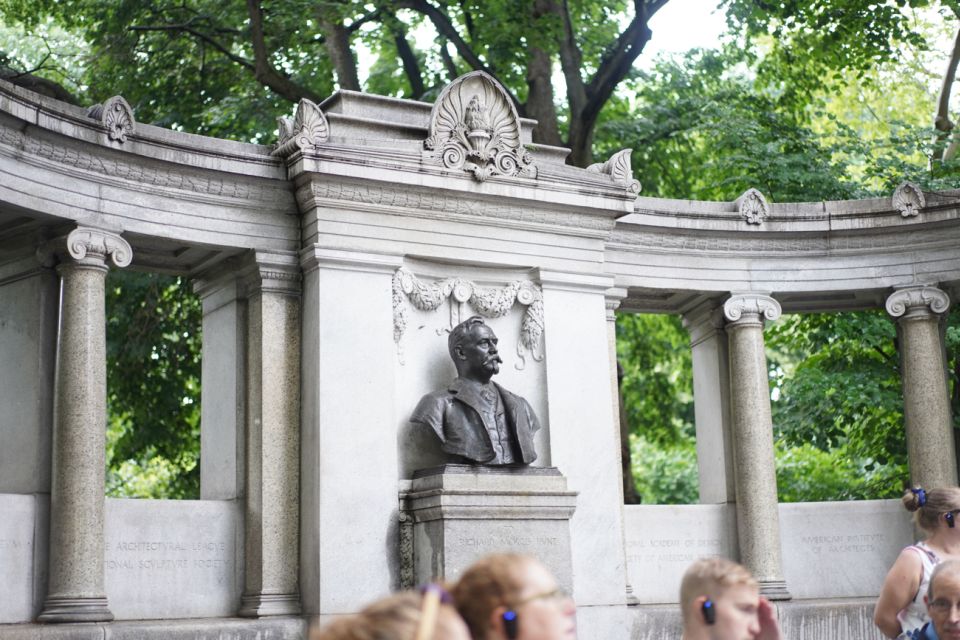
The tour makes a guided stop at the Richard Morris Hunt Memorial. Hunt is a major name in American architecture, and this pause helps you understand why the buildings look the way they do—design choices were part technical craft, part branding.
Then you head to the Frick Collection area for a photo stop and street-level viewing. The tour isn’t going inside the Frick Collection itself here; the value is the guide’s street-side framing. You’ll learn some secrets of what the Frick Collection represents and how the Gilded Age world used art to signal taste, influence, and permanence.
This is also one of the emotional turns of the walk. It’s easy to laugh at the excess until you realize how these collections and buildings still shape how New York presents itself today.
A photo stop for what’s missing: learning the footprint of lost estates
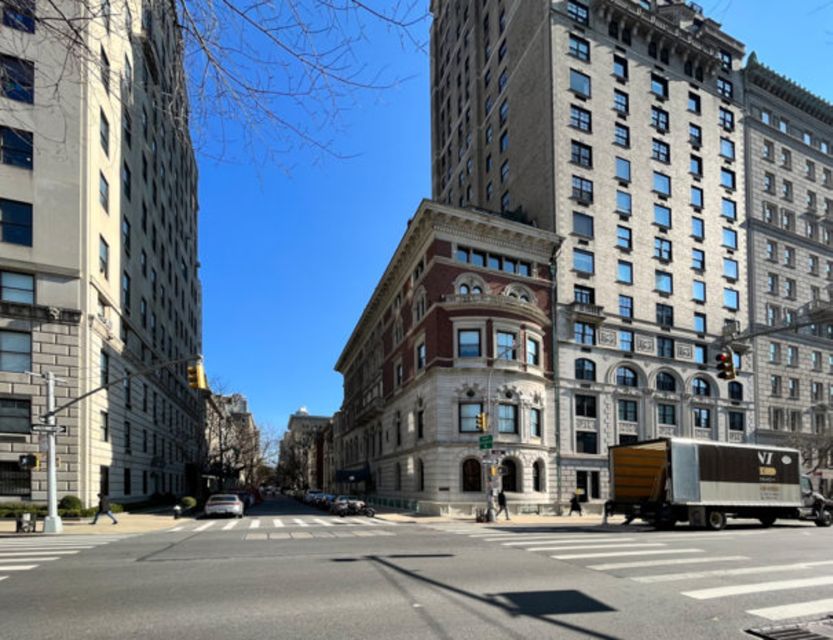
One stop is labeled as a hidden (and unnamed in the summary you provided) photo opportunity, and it fits the tour’s bigger theme: resurrecting mansions that are gone.
The highlight of the experience includes discovering the footprint of the largest single residence ever built in Manhattan. You’ll likely connect that to the idea of “place” rather than just “building.” Even when the house is not there, the city layout and the surrounding design choices can still point you to what used to occupy the space.
Expect the guide to use historical images during these moments. People in the tour group you’ll be traveling with can ask questions, and the guide can often link those questions back to the visible streetscape.
Consulate, Ukrainian Institute, and the Irish Historical Society: the Gilded Age afterlife

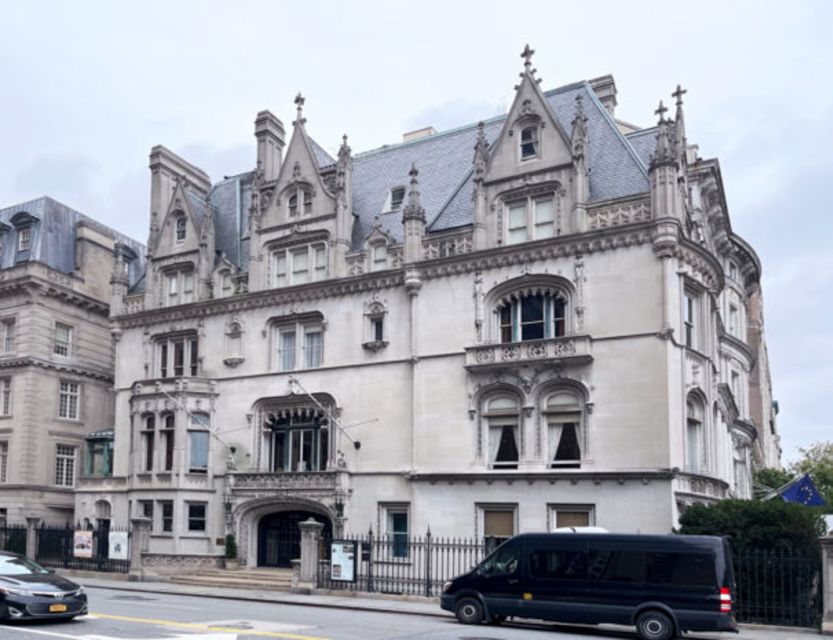
The walk continues with photo stops including the Consulate General of France, the Ukrainian Institute of America, and the American Irish Historical Society.
Here’s why I think this part is underrated: it shows you how Fifth Avenue changed function. The mansions didn’t only become apartments. They also became institutional identity. That tells a story about the city’s evolution, and it helps you avoid a common mistake—thinking the past is frozen in place.
Instead, the tour treats these buildings as evidence of reuse. The architecture gives clues, and the institutions give continuity.
Albertine inside: the bookstore stop you can actually step into
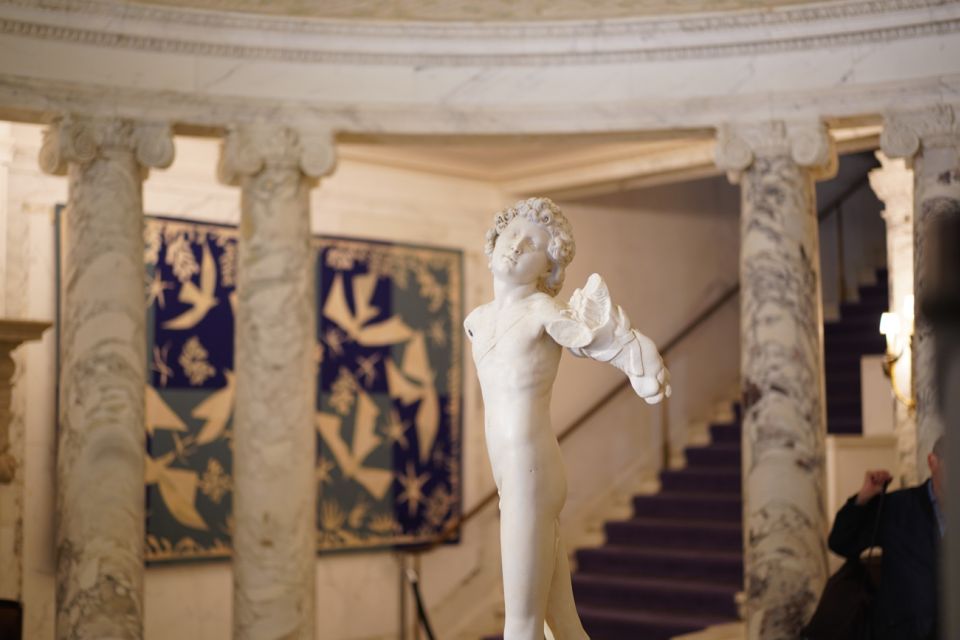
The most hands-on moment comes at Albertine, listed as a photo stop and a visit. This is the bookstore experience tied to the Gilded Age setting in the tour highlights.
If you like slowing down in places that feel curated by history rather than by trend, this is your stop. It’s also a good reset after lots of street-facing viewing. The transition from talking about mansions you can’t enter to entering a room built in that era is satisfying in a very practical way: you can finally connect the look outside with the feel inside.
The Benjamin N. Duke House and why single-family mansions are rare now
The tour finishes with a photo stop at the Benjamin N. Duke House before ending near the Metropolitan Museum of Art.
The tour highlights include uncovering one of the last single residence mansion narratives on Fifth Avenue. Even if the city has changed names and uses over time, the idea you’ll take away is that pure private mansion living became harder. As New York grew, the surviving structures tended to shift into clubs and institutions.
So this isn’t just a pretty facade. It’s a reality check about what kind of space was possible in the Gilded Age—and what isn’t.
Headsets, pace, and weather: how to make the tour feel easy
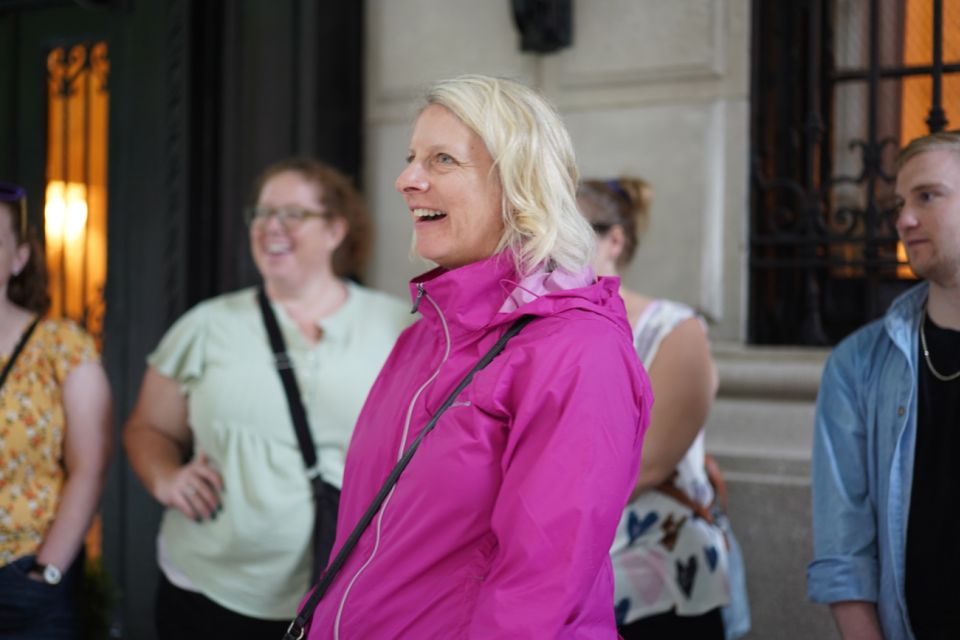
This tour gives headsets so you can hear clearly, even when you’re at a distance from the guide. Multiple people have praised this as essential for hearing over street noise. You’ll still be moving, so the sound system helps you focus on what the guide is actually saying rather than straining.
Bring comfortable shoes. The walking is short on paper (about 1.3 miles), but New York sidewalks add little friction: curbs, crosswalk waits, and the need to stop often for stories.
Also, it runs rain or shine. That means you should plan clothing like you’re heading out for a real walk, not just a quick photo loop.
Price and value: is $39 worth it for 2 hours?
At $39 per person for 2 hours, the value comes from three pieces you’re getting together:
- A local New Yorker guide who turns architecture into story
- Headsets, which make a walking tour genuinely usable
- At least one interior visit to a Gilded Age mansion (Albertine)
If you’ve ever paid for “look-only” architecture walks, you know how frustrating it can be. Here, even with several pass-by stops, you still get a real inside experience. For a short duration, that inside component is a big part of why this feels worth the money.
It also helps that the guide-led experience is described as moving at a comfortable pace. People mention not feeling rushed, which matters when you’re listening and stopping often.
Who should book this Fifth Avenue mansion walk
Book this if you want:
- A guided way to understand Gilded Age wealth and architecture without spending all day on trains
- A route that connects Central Park’s edge to the Met area
- Clear narration with headsets, so you can enjoy the buildings without missing the story
- A chance to step into a Gilded Age mansion bookstore at Albertine
I’d skip it if you:
- Struggle with steady outdoor walking in weather
- Prefer quiet, self-guided museum time to curbside history
One more practical note: the tour includes multiple photo stops and a few guided moments. If you want to take lots of pictures, you’ll get opportunities, but you should still expect to keep moving.
Should you book it?
Yes, if your goal is to understand Fifth Avenue, not just cross it. The combination of a structured route, headsets, and an actual interior stop at Albertine makes the $39 feel like an admission fee to a guided experience—one that helps you read the city with new eyes.
If you’re fit for a 1.3-mile outdoor walk and you like architecture stories with a human edge, this one is an easy yes.
FAQ
How long is the NYC Fifth Ave Gilded Age Mansions guided walking tour?
It lasts about 2 hours.
Where does the tour start and where does it end?
You meet at the General William T. Sherman statue on 5th Avenue between 59th and 60th St. The tour ends near the Metropolitan Museum of Art at 5th Ave and 80th St.
Is the tour mostly outdoors?
Yes. It is almost entirely outdoors, with about 1.3 miles of walking.
Does the tour include access inside a mansion?
Yes. It includes access inside a Gilded Age mansion.
Is the tour wheelchair accessible?
Yes, the tour is listed as wheelchair accessible.
What should I wear or bring?
Wear comfortable shoes and dress for the weather, since the tour runs rain or shine.