REVIEW · NEW YORK CITY
NYC: Greenwich, SoHo, Little Italy and Chinatown Tour
Book on GetYourGuide →Operated by CARERI ENTERTAINMENT · Bookable on GetYourGuide
New York can be a lot to piece together. This 3-hour walk stitches together SoHo cast-iron buildings and food recommendations across five neighborhoods, so you get a clearer picture fast. One catch: you’ll cover more walking time than you might expect, so plan for steady steps and comfy shoes.
I like how the meeting spot is easy to find in Union Square—the guide holds a sign near Bank of America—then the tour keeps moving with stories you can actually see on the street. You’re not stuck listening the whole time either; the route is built around architecture, storefront details, and neighborhood atmosphere. If your feet aren’t ready, the pace can feel long (it’s listed as 3 hours, but it’s closer to 3.5–4 hours of walking).
The best part is the guide tone. In earlier bookings, a guide named Antonio earned praise for being friendly and making the walk fun even for kids, while still covering the well-known sights and the smaller corners that people often miss.
In This Review
- Key Points You’ll Care About
- Union Square Start: Easy Meeting and a Clear Route
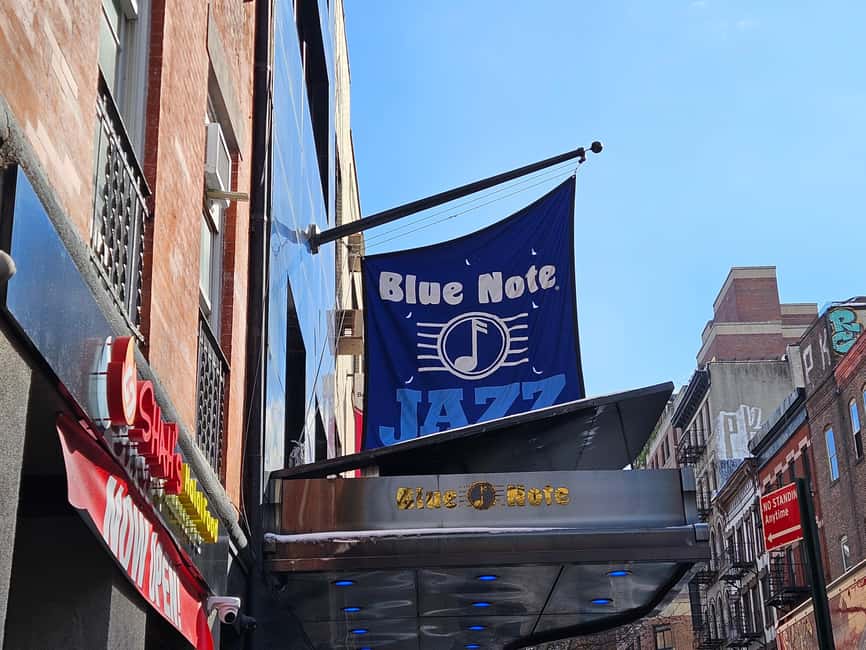
- Greenwich Village: Jazz Corners, Townhouse Lines, and Speakeasy Lore
- SoHo Cast-Iron Buildings: From Industry to Fashion-Grade Luxury
- NoLiTa to Little Italy: Trendy Cafés, Pasta Smells, and Mob-Era Stories
- Chinatown: Herbal Shops, Markets, and Dumpling-Worthy Direction
- Food Recommendations: How to Use Them Without Overspending
- Timing and Walking Pace: 3 Hours That Means 3.5 to 4 on Foot
- What $62 Buys You: Guide Time, Street Stories, and Direction to Food
- Who This Tour Fits Best (and Who Might Want Something Different)
- What to Bring: Shoes, Water, and a Camera for Street-Level Details
- Should You Book This Greenwich Village–SoHo–Chinatown Tour?
- FAQ
- Where is the meeting point?
- How long is the tour?
- Which neighborhoods are included?
- Is food included?
- What languages are available for the live guide?
- What should I bring?
- Can I cancel for a refund?
Key Points You’ll Care About
- Union Square start near Bank of America, with a sign so you can locate your guide quickly
- Greenwich Village streets linked to jazz clubs, historic townhouses, and speakeasy-style lore
- SoHo’s cast-iron buildings explained as part of a shift from industry to art, fashion, and luxury shopping
- NoLiTa and Little Italy contrast: trendy cafés on one side, pasta smells and old-school mob history on the other
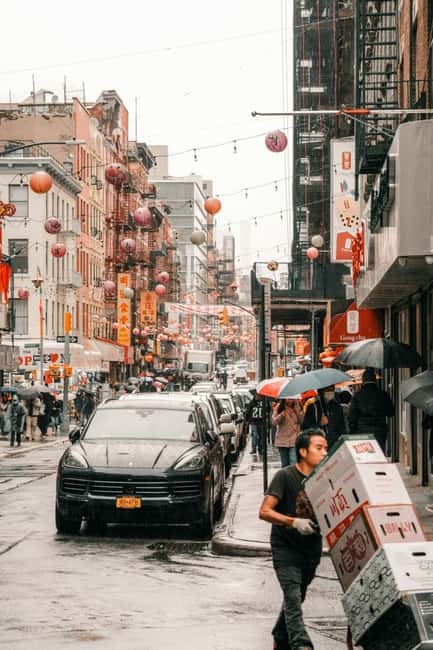
- Chinatown market stops with traditional herbal shops and guidance toward authentic Chinese eateries
- Food advice, not included: the tour steers you to places, then you decide what to order
Union Square Start: Easy Meeting and a Clear Route
Your tour begins at Union Square, near Bank of America, where the guide will be holding a sign with the tour name. That matters because New York meeting points can be chaotic; this one is designed for fast, low-stress regrouping.
From there, you’re working through five neighborhoods in about 3 hours of tour time. The listing also notes the walking is closer to 3.5–4 hours, which is a helpful heads-up. Translation: you’re not strolling at a museum pace, and you’ll want your legs to be ready for short blocks, repeated turns, and street crossings.
The guide leads in English, French, Spanish, or Italian, which is great if you’re traveling with a group that includes non-English speakers. Even when you’re reading city plaques on your own, a guide helps you connect what you’re seeing—like building materials and street layouts—to why the area looks the way it does.
Finally, remember what’s included: the tour itself and expert recommendations for food and sights. Food and drinks are not included, so treat this as a “where to go next” plus “why it matters” experience, not a tasting tour.
You can also read our reviews of more walking tours in New York City



Greenwich Village: Jazz Corners, Townhouse Lines, and Speakeasy Lore
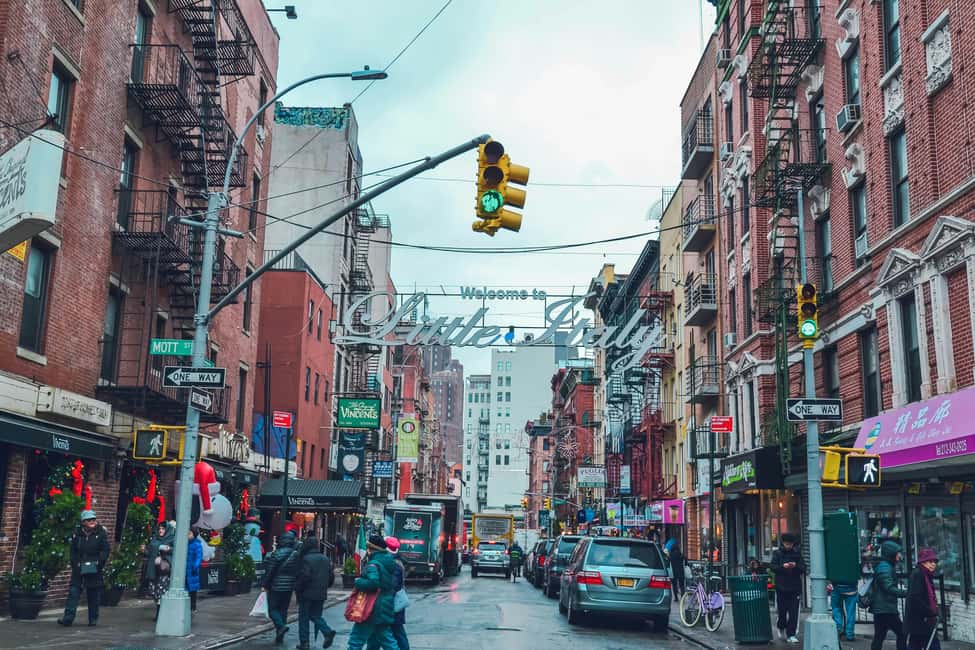
Greenwich Village is where the tour slows down just enough to let you notice the details. You’ll walk through the kind of streets where jazz clubs, historic townhouses, and speakeasy-style stories feel part of the same scene. It’s not about checking off a single landmark. It’s about recognizing the vibe—older buildings, quieter blocks, and a sense that the neighborhood’s character was built over time.
A good Village guide doesn’t just name places. It links the streets to the people who shaped them. In this route, you get that connection while you’re still outside, which is a big advantage. If you try to do this on your own, it’s easy to miss the “why” and only remember the “what.”
Practical tip: Village streets can be more narrow and residential-feeling than SoHo or Chinatown. If you’re hoping for photos, look for the moments where one street opens to a slightly wider view—those are often where you’ll get the cleanest shots without crowds blocking your frame.
One possible drawback here is also a real-life New York fact: when you’re chasing atmosphere, you’re also dealing with real pedestrians. The guide’s job is to keep the group moving smoothly while still letting you take in the sights. If you like unhurried wandering, you’ll still get some of that—but the tour is structured.
SoHo Cast-Iron Buildings: From Industry to Fashion-Grade Luxury
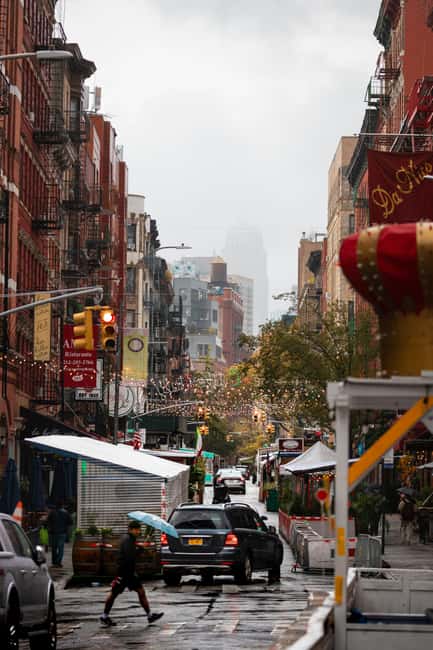
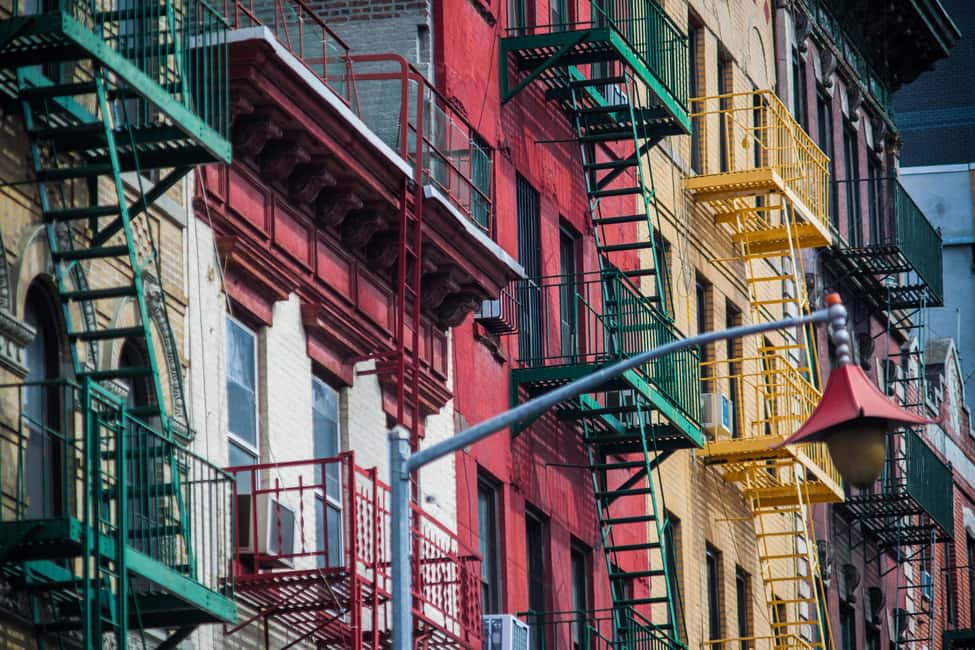
Then you hit SoHo, and the street becomes architectural homework—in the best way. This part of the walk is focused on SoHo’s cast-iron buildings, and you’ll learn how this neighborhood shifted from industrial roots to an area associated with artists, fashion, and high-end shopping.
That explanation matters. Cast-iron is one of those materials you can walk past without understanding. A guide helps you see why it’s special: the look, the engineering vibe, and the way those buildings fit their era. Instead of treating SoHo like a shop-and-photo stop, you understand it as a design story.
SoHo also rewards your attention to storefronts and street geometry. You’ll notice how blocks feel “designed,” with repeated facades and a rhythm that looks intentional. The tour ties that visual pattern back to what happened here—art and fashion arriving after the industrial period, followed by luxury retail.
If you’re traveling with kids, this segment can be surprisingly effective because the buildings give you something concrete to point at. In earlier bookings, Antonio was praised for showing corners that became memorable for families, which suggests he keeps the tone lively while still hitting the history.
The only consideration: SoHo is a popular area, so plan for crowds at the most photogenic spots. The guide can help you avoid the worst bottlenecks by timing the group’s movement, but it’s still one of the busiest places you’ll walk through on this route.
NoLiTa to Little Italy: Trendy Cafés, Pasta Smells, and Mob-Era Stories
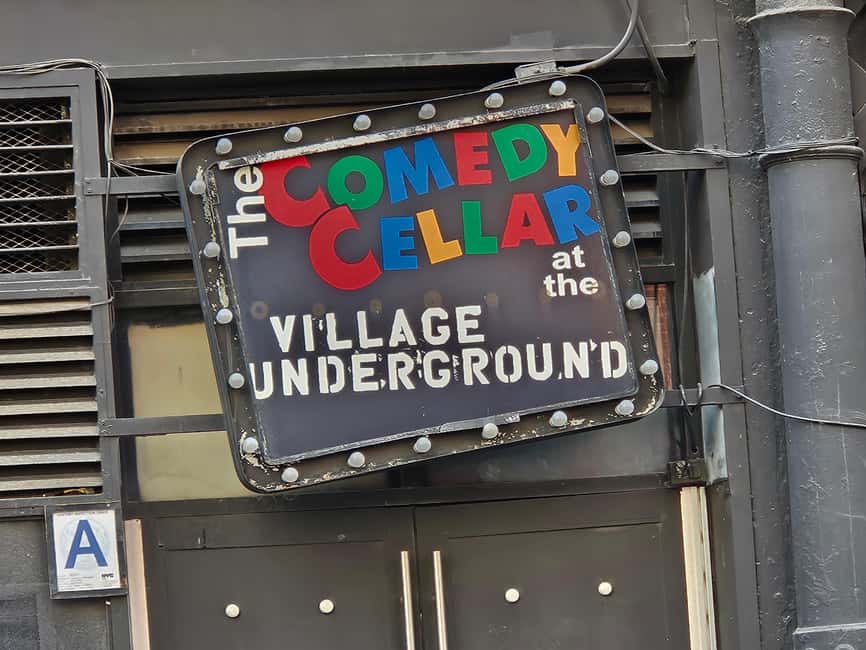
NoLiTa (North of Little Italy) is a satisfying pivot. The tour moves from SoHo’s cast-iron style into a neighborhood with a mix of historic landmarks and trendy cafés. This is where you start getting more of that “everyday street life” energy—people stopping for coffee, browsing, and lingering on corners.
NoLiTa is also a good place to reset your camera and your expectations. The architecture might be less dramatic than SoHo’s facades, but the street experience becomes more human. You’ll feel the neighborhood as a place where locals actually eat and hang out, not just as a shopping corridor.
Then the route flows toward Little Italy, and that’s where the senses kick in. The area is described as having the aroma of fresh pasta, and the stories lean into nostalgia—old-school mob history is part of the storytelling here. This is an example of why a guided walk can be more effective than self-guided wandering: the guide provides context that turns ordinary blocks into a narrative.
A helpful way to think about this segment: NoLiTa shows you the city adapting; Little Italy shows you the city remembering. Together, they give you two different lenses for understanding how New York neighborhoods change without completely losing identity.
One practical note: food smells are strong in Little Italy, and your budget might feel strong too. Since food and drinks aren’t included, use the guide’s recommendations as a menu of options, then decide what’s worth paying for. If you go in hungry, you’ll likely spend more.
Chinatown: Herbal Shops, Markets, and Dumpling-Worthy Direction
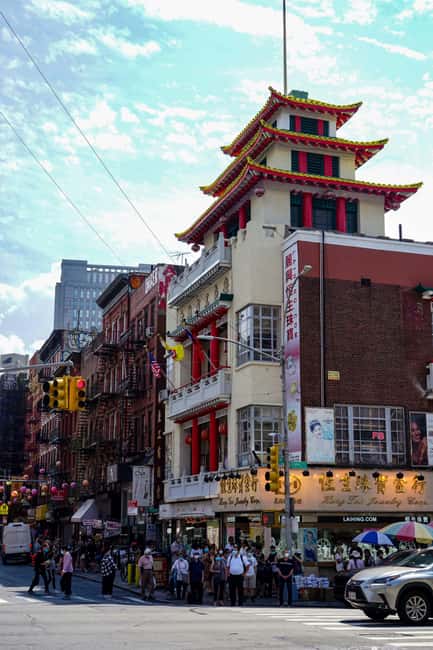
Chinatown is where the tour shifts from architecture and neighborhood lore to everyday culture you can see and taste—at least in theory, since the tour doesn’t include food. You’ll pass traditional herbal shops, bustling markets, and Chinese eateries that feel deeply rooted in immigrant community history.
The guide’s role here is crucial. Chinatown is packed with details, and without context you can feel lost quickly. With a guide, you’re walking with someone who can point out what you’re looking at and explain why it exists. That’s what turns a crowded street into an informative walk.
You’ll also get guidance toward authentic food choices. The tour materials mention cravings like steaming dumplings and classic NYC pizza, plus cannoli-style dessert talk from the Italian side of the route. In Chinatown, though, the recommendations naturally lean Chinese—think dumplings and other dishes where you’d want locals’ direction on what to order.
Practical tip: markets mean lots of visual stimulation. If you’re prone to information overload, take a simple approach—choose one or two spots the guide mentions, then decide later what you actually want to eat. Your future self will thank you when you’re tired and still have enough energy to pick the right thing.
Also, the pace in Chinatown can feel faster because there’s so much happening at once. The group can stretch if people stop to look around. Stay close to the guide so you don’t miss the next set of explanations about the community, storefronts, and food culture.






Food Recommendations: How to Use Them Without Overspending
This tour includes expert recommendations for food and sights, but food and drinks are not included. That’s a good deal for travelers who like choice. You’re not paying extra for portions you might not eat. Instead, the guide helps you avoid the time-wasters: the places that look tempting but don’t match what you want.
The recommendations are framed around what you might be craving: pizza slices, cannoli, and dumplings are specifically called out. That matters because it gives you a straightforward way to plan your next meal without doing research on your phone for every turn.
Here’s how I’d use the guidance during the walk:
- Decide your “must-eat” category early (for example, dumplings in Chinatown or cannoli after Little Italy).
- Ask the guide what’s best for your timing, since the walk can move you past options quickly.
- Budget for one meal or a couple of snacks, not both a full meal and treats unless you know you can finish.
One small downside of recommendation-based tours is that you carry the decision. If you want a fully scheduled tasting experience with set dishes, this won’t scratch that itch. But if you want flexibility and control, it’s a smart way to eat well without getting locked into a specific menu.
Timing and Walking Pace: 3 Hours That Means 3.5 to 4 on Foot
The tour is listed as 3 hours, with an important note that it covers approximately 3.5 to 4 hours of walking. That’s not just fine print. It affects comfort, your energy level, and how much you’ll enjoy stopping for photos.
SoHo and Chinatown can be more physically demanding because of crowds and the density of storefronts. Greenwich Village tends to feel more open, while Little Italy and Chinatown can slow you down just because there’s so much to look at. The guide keeps things moving, but the city decides the tempo.
I recommend you dress for walking first, looking second. Wear comfortable shoes. Bring water. Camera optional, but you’ll probably want it—this route is photo-friendly, especially in SoHo with its building details and in Little Italy and Chinatown with their street textures.
If you’re traveling with kids, this duration can work if the group stays engaged. Earlier feedback praised Antonio for making the experience memorable for children, which hints the pacing is manageable when the guide keeps the storytelling clear and fun.
What $62 Buys You: Guide Time, Street Stories, and Direction to Food
At $62 per person for a walking tour, you’re paying for three things: a guide’s time, neighborhood context, and practical food direction. That’s good value if you want structure. Without a guide, you can walk these neighborhoods yourself, sure—but you’ll likely miss the connections between architecture, community history, and why specific places became known for certain foods or identities.
The tour also spans five neighborhoods: Greenwich Village, SoHo, NoLiTa, Little Italy, and Chinatown. That coverage matters because it saves you planning time and helps you move efficiently between areas that would otherwise take separate research and separate days.
You should compare this value to your own travel style. If you love solo exploration and you’re happy doing your own homework, you might spend less. But if you want someone to point at what to notice and where to go after for a meal, $62 can be a fair exchange for fewer hours of decision-making.
There’s also flexibility built into booking: the offer includes free cancellation up to 24 hours in advance for a full refund, plus a reserve now & pay later option. That’s helpful when you’re juggling weather, subway delays, or changes in your day.
Who This Tour Fits Best (and Who Might Want Something Different)
This is a solid match for you if you:
- Want to see several iconic neighborhoods in one morning or afternoon
- Like history, but also like it tied to what you can actually see on the sidewalk
- Appreciate food guidance, even though you’ll pay for your own meals
- Prefer a guide-led route rather than total self-planning
It’s less ideal if you:
- Want a full food tasting with included tastings and drinks
- Need a very slow, low-walking schedule
- Don’t enjoy crowded areas, since SoHo and Chinatown can be busy
For many people, the sweet spot is that this tour balances the famous (SoHo’s look, Little Italy’s identity) with the “how did this get here” explanation (cast-iron architecture shifting toward art and fashion, immigrant community history in Chinatown). That balance is what turns a walk into a story you’ll remember.
What to Bring: Shoes, Water, and a Camera for Street-Level Details
Bring comfortable shoes first. The route lasts longer than the headline 3 hours once you factor in walking time. If you pack blisters, you’ll miss half the fun because you’ll be thinking about your feet instead of the street.
Bring water to stay hydrated, especially in warmer months. Bring a camera if you like photos—SoHo’s building details and Chinatown and Little Italy street scenes are the kinds of visuals you’ll want to keep.
And wear clothing you can move in. This is a walk-through city experience, not a sit-and-stare activity.
Should You Book This Greenwich Village–SoHo–Chinatown Tour?
I’d book it if you want an efficient, guided route that covers real neighborhood character—from Greenwich Village’s jazz-and-townhouse feel to SoHo’s cast-iron architecture story, then into NoLiTa and Little Italy’s contrast, and finishing with Chinatown’s markets and herbal shops. The guide’s food recommendations are especially useful because food and drinks aren’t included, so you’ll get direction without feeling locked into a preset menu.
Skip it if you want a fully guided meal plan with included tastings, or if you’re not up for about 3.5–4 hours of walking. Otherwise, this is a practical way to get more out of your limited time in New York while still leaving room to choose what you eat when the moment arrives.
FAQ
Where is the meeting point?
You meet in Union Square, near Bank of America. The guide will be holding a sign with the name of the tour.
How long is the tour?
The tour is listed as 3 hours, but it covers approximately 3.5 to 4 hours of walking.
Which neighborhoods are included?
The walking route covers Greenwich Village, SoHo, NoLiTa, Little Italy, and Chinatown.
Is food included?
No. The tour includes guided walking and expert recommendations, but food and drinks are not included.
What languages are available for the live guide?
The tour is offered with a live guide in English, French, Spanish, and Italian.
What should I bring?
Wear comfortable shoes, bring a camera if you want photos, and bring water.
Can I cancel for a refund?
Yes. Free cancellation is available up to 24 hours in advance for a full refund.