REVIEW · NEW YORK CITY
SoHo, Little Italy, and Chinatown 2-Hour Guided Walk
Book on GetYourGuide →Operated by ExperienceFirst · Bookable on GetYourGuide
Three neighborhoods, one tight walk. In just two hours, you’ll move from SoHo’s cast-iron streets to Little Italy and Chinatown, with stories that range from immigrant survival to gang violence.
What I like most is how the walk turns famous addresses into something you can actually see: the E.V. Haughwout Building elevator milestone, and the Triangle Shirtwaist Factory fire site at the Italian American Museum. It’s history you track with your eyes, not history you squint at in a museum.
One drawback: it’s a walking tour with normal city pavement and traffic crossings, and it isn’t a fit for people with mobility impairments. Come with comfortable shoes and weather-appropriate layers, because you’ll be on your feet for the whole 2 hours.
In This Review
- Key things I’d plan around on this SoHo, Little Italy, and Chinatown walk
- SoHo to Chinatown in two hours: why this walk works
- Starting at Spring Street Park: how the guide sets your bearings fast
- SoHo section: Spring Street to the Cast Iron district (and why it feels film-famous)
- Spring Street and Greene and Spring: the Manhattan Well Murder location
- The E.V. Haughwout Building: first safety elevator, seen in place
- 421 Broome Street: pop culture meets a real address
- The Cast Iron district: where you’ll be on the lookout
- Old Police Station (1909 Beaux-Arts): a grand facade with a changed role
- Little Italy: Mulberry Street, cheese at Alleva, and the Triangle fire site
- Mulberry Street: the center line of the district
- Alleva Dairy: cheese history you can sense on the sidewalk
- Italian American Museum: Triangle Shirtwaist Factory fire site
- Old Saint Patrick’s and the Ravenite Club: faith and the mob story side by side
- Umberto’s and the Joe Gallo mob hit
- Chinatown section: opium den history, Bloody Angle on Doyers Street, and Chinese gang violence sites
- Opium den: survival, addiction, and shadow economies
- Bloody Angle (Doyers Street): why a narrow street corner got a name
- The border effect: how Chinatown connects back to Little Italy stories
- Pace, group flow, and what to bring so the walk stays fun
- Price of $39: is it worth it for SoHo, Little Italy, and Chinatown?
- Who this SoHo, Little Italy, and Chinatown walk suits best
- Should you book this 2-hour walk?
- FAQ
- How long is the SoHo, Little Italy, and Chinatown guided walk?
- What does it cost?
- What is included in the price?
- Are food costs included?
- Where does the tour start and where does it end?
- Is the tour in English?
- Is it suitable for people with mobility impairments?
- Can I cancel or reserve without paying right away?
Key things I’d plan around on this SoHo, Little Italy, and Chinatown walk
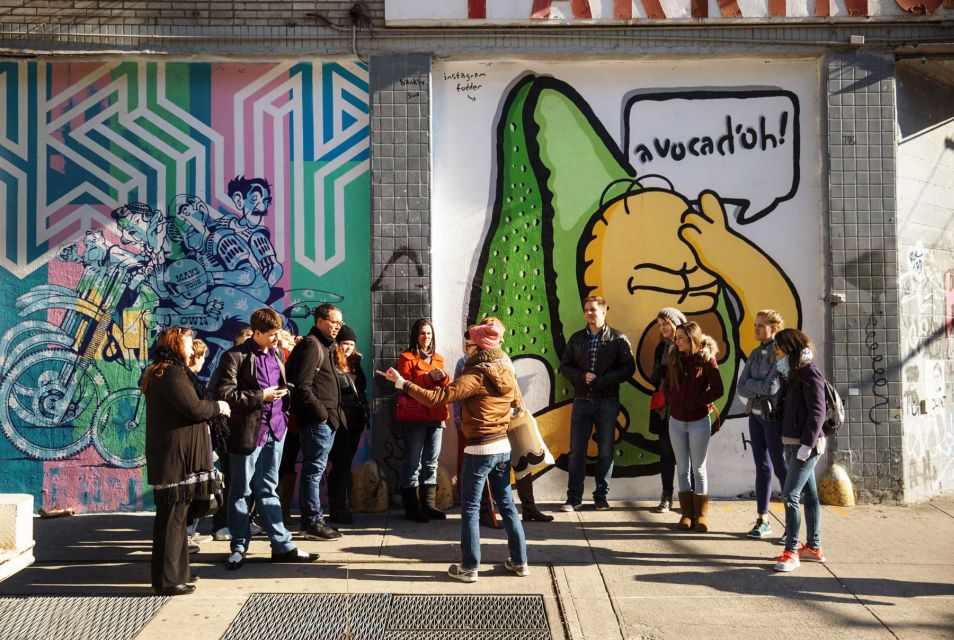
- Cast Iron district street drama (including movie-and-celebrity vibes) in the SoHo stretch
- Criminal-history stops with real addresses tied to Mafia and Chinese gang violence locations
- Food-forward pacing in Little Italy so you can sample ethnic bites without spending the whole day eating
- Photo-worthy landmarks with clear stories like the first safety elevator and famous apartment lore
- Chinatown street corners with darker legends including Doyers Street’s Bloody Angle and opium den history
- Guides who manage energy and questions well—people have praised guides like Arun, George, Filip, Angela, and Steve for keeping the group engaged and moving safely
SoHo to Chinatown in two hours: why this walk works
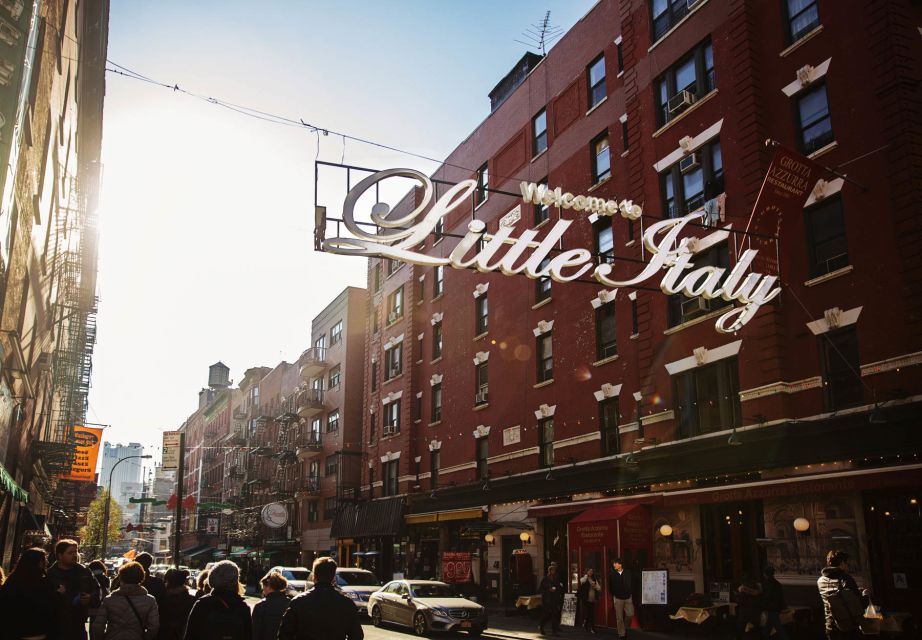
This is the kind of Manhattan tour that makes you feel like you’re doing “big city” right. You cover three neighborhoods that look different enough to feel like different towns, yet they sit close together. The payoff is speed and context: you’re not just walking pretty streets, you’re learning how those blocks became what you see today.
The mix of topics is also the point. SoHo brings fashion and film-set energy, but it also connects to older working-class New York. Little Italy carries food, faith, and immigrant hardship. Chinatown pulls you toward a different kind of survival story, including the ways crime and migration overlapped in the city’s early decades. If you want one walk that helps you understand why Manhattan looks the way it does, this format is smart.
At $39 for 2 hours, the value is in the concentration. You’re paying for a guide to stitch together places you’d otherwise pass quickly—addresses like the old police station building, the elevator landmark, and Doyers Street’s Bloody Angle.
You can also read our reviews of more walking tours in New York City



Starting at Spring Street Park: how the guide sets your bearings fast
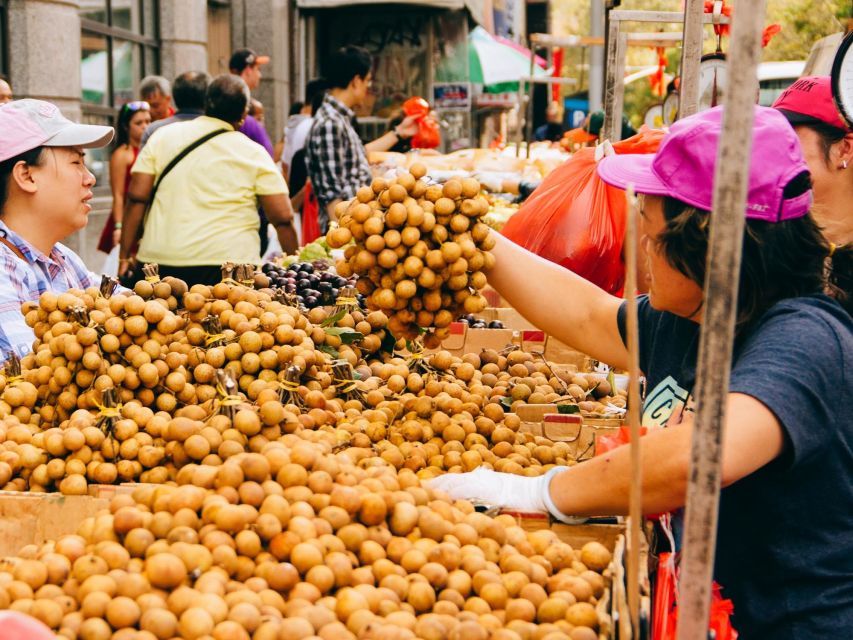
Your exact meeting spot can vary by the option you book, but one of the common starting points is Spring Street Park. The early minutes matter, because this walk covers more than three neighborhoods’ worth of street story.
Here’s what I’d watch for right away: your guide will help you connect street names to events you’ll hear later. For example, Spring Street and Greene and Spring streets show up because they’re tied to the Manhattan Well Murder, described as the first recorded murder case in New York City. When you understand why you’re standing where you’re standing, the rest of the walk sticks.
If you’re the type who likes to ask questions, this is also a good moment to do it. Many guide highlights in people’s write-ups mention that their guides are approachable, answer questions, and bring pop culture into the mix—so you can steer the pace a bit if your group wants more detail.
SoHo section: Spring Street to the Cast Iron district (and why it feels film-famous)
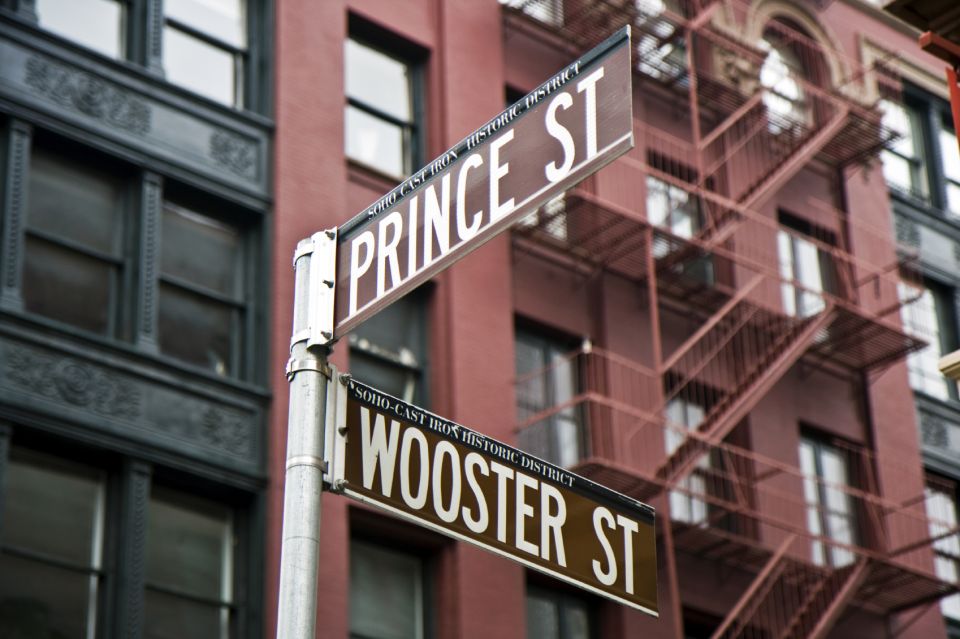
SoHo is famous for its design, but what makes it fun on foot is how fast the city changes its “mood.” One minute you’re on a classic street; the next you’re looking at the kind of building that gets used as a backdrop.
The walk gives you a tight run through key SoHo stops:
Spring Street and Greene and Spring: the Manhattan Well Murder location
You start by connecting street corners to a specific story: the Manhattan Well Murder at Greene and Spring streets. It’s the kind of detail that makes a simple intersection feel like a marker in the city’s timeline.
The practical value here: you’ll start noticing how New York’s older neighborhoods hold layers. The buildings may look timeless, but the events tied to them don’t.
The E.V. Haughwout Building: first safety elevator, seen in place
One of the most satisfying stops is the E.V. Haughwout Building, known for housing the first safety elevator. Even if you don’t care about elevators, this matters because it connects technology to the way buildings—and neighborhoods—grew upward.
It’s also an easy story to picture when you’re standing there. A guide can point out the “why” behind the landmark: if elevators got safer, more people could live and work farther up, and SoHo’s building boom becomes easier to understand.
You can also read our reviews of more guided tours in New York City






421 Broome Street: pop culture meets a real address
This walk doesn’t ignore modern celebrity lore. You’ll pass 421 Broome Street, tied to Heath Ledger’s death in Mary Kate Olsen’s apartment. It’s not there to sensationalize the moment—it’s there to show how Manhattan keeps remixing its famous addresses across decades.
If you like the intersection of current fame and older streets, you’ll appreciate this part. It helps you connect the neighborhood you see now to the neighborhood that got famous for other reasons.
The Cast Iron district: where you’ll be on the lookout
The Cast Iron district is the star of SoHo on this route. You’ll hear why cast-iron architecture became so recognizable and why the area became a favorite filming location. People also mention the fun idea of spotting celebrities, fashionistas, or filming cues in this zone.
What I like about this stop: it’s visual. You don’t need extra imagination. The buildings already look like scenes.
Old Police Station (1909 Beaux-Arts): a grand facade with a changed role
You’ll also see the old police station building from 1909, now a residence. This is a good reminder that neighborhoods don’t freeze; city infrastructure repurposes.
Standing in front of a former civic building while hearing its story helps you understand why certain streets feel “important” even when the original purpose is long gone.
Little Italy: Mulberry Street, cheese at Alleva, and the Triangle fire site
Little Italy in this walk feels less like a theme park and more like a neighborhood with a mission: food, faith, and the memory of what immigrant communities endured.
Mulberry Street: the center line of the district
You’ll hit Mulberry Street, described as the heart of Little Italy. This is where the atmosphere shifts into something warmer and more human-scale. The guide’s job here is to connect everyday sights to the deeper story of why families ended up here in the first place.
Alleva Dairy: cheese history you can sense on the sidewalk
You’ll also pass Alleva Dairy, where cheese has been made for about a hundred years. This kind of stop is simple but meaningful: it grounds the walk. The city story isn’t only about tragedy or crime; it’s also about continuity.
If you like eating while you learn, this is where you’ll get the most natural “okay, now I want to stop” energy. Food costs aren’t included, but the sampling and the guide’s suggestions help you decide what’s worth your money.
Italian American Museum: Triangle Shirtwaist Factory fire site
One of the strongest stops is the Italian American Museum, linked to the Triangle Shirtwaist Factory fire. Even though this is a walking tour (not a museum ticket day), the guide can point out why this site matters: it’s connected to labor and workplace conditions, and it helps explain why immigrant communities pushed for change.
This is also a part of the walk where you’ll likely feel the tone shift. The stories turn serious. That’s not a flaw; it’s the truth of the neighborhood.
Old Saint Patrick’s and the Ravenite Club: faith and the mob story side by side
The walk also includes Old Saint Patrick’s and the Ravenite Club, tied to John Gotti. It’s a striking juxtaposition, and it’s exactly why this tour works: you see the same blocks holding devotion, ambition, and crime in different eras.
If you’re hoping for a clear “this is what happened” narrative, Ravenite Club is one of the stops that usually delivers. It turns a plain-looking street presence into a node in the Mafia story.
Umberto’s and the Joe Gallo mob hit
Another high-impact Mafia stop is Umbertos, connected to the mob hit on Joe Gallo. This isn’t random name-dropping. It’s about showing how organized crime shaped fear, power, and neighborhood dynamics.
One practical consideration: these stories are intense. If your group prefers lighter topics, it helps to know that the tour leans into true-crime territory.
Chinatown section: opium den history, Bloody Angle on Doyers Street, and Chinese gang violence sites
Chinatown can feel like a different language even when you speak English. The guide helps you translate the street signals: where commerce concentrates, where the city’s darker chapters left marks, and why certain corners became infamous.
Opium den: survival, addiction, and shadow economies
You’ll hear about an opium den. This stop matters because it explains a slice of history that’s easy to miss if you only focus on food and storefronts. It puts Chinatown’s past in context: not just as a cultural destination, but as a place shaped by pressure, migration, and underground economies.
Bloody Angle (Doyers Street): why a narrow street corner got a name
You’ll also visit Bloody Angle on Doyers Street. Hearing the story behind the name is usually the moment the whole group goes quiet for a second, because it makes the street feel like more than scenery.
And it’s tied directly to violence in this neighborhood’s older era. The guide frames it so you understand why “gang violence” wasn’t abstract—it happened on real blocks.
The border effect: how Chinatown connects back to Little Italy stories
This is where the walk’s layout helps. Little Italy and Chinatown overlap in the way people, businesses, and city policies overlapped over time. The route doesn’t treat them as totally separate universes—it shows how the transitions happen block by block.
If you’re the kind of traveler who wants to understand cities as systems, you’ll like this. It’s not just three lists of sights. It’s a chain.
Pace, group flow, and what to bring so the walk stays fun
The tour is designed for about two hours, but the real question is how it feels. The route is walking across multiple neighborhoods, so your comfort depends on your shoes and your attitude toward street-level sightseeing.
A few practical notes:
- Wear comfortable shoes. This is continuous sidewalk time.
- Bring weather-appropriate clothing. People have specifically noted that guides manage hot days by finding shaded spots when they can.
- If your group includes kids or first-timers, the pace is described as easy and comfortable for everyone on the walk.
Guides have also been praised for safety habits, especially around traffic. That matters in Manhattan, where crossing the street isn’t optional—it’s part of the job.
Price of $39: is it worth it for SoHo, Little Italy, and Chinatown?
For $39 per person, you’re buying three things:
- A guided story thread across three neighborhoods that would take you much longer to research on your own.
- Access to specific addresses that you might not notice or understand without context (like the elevator landmark, the Triangle fire connection, and Bloody Angle).
- Decision help for food, since you’ll likely want to sample along the way but food costs aren’t included.
The big value question is whether you want a guide’s interpretation. If you’re only after sights and photos, you could self-walk these areas. But if you want street-level storytelling—immigrant struggle, Mafia sites, Chinese gang violence locations, and landmark lore—this price is a reasonable trade for time.
Also, the walk is short enough to fit into a busy NYC schedule. Two hours is the kind of window you can plan around without feeling like you’re losing half a day.
Who this SoHo, Little Italy, and Chinatown walk suits best
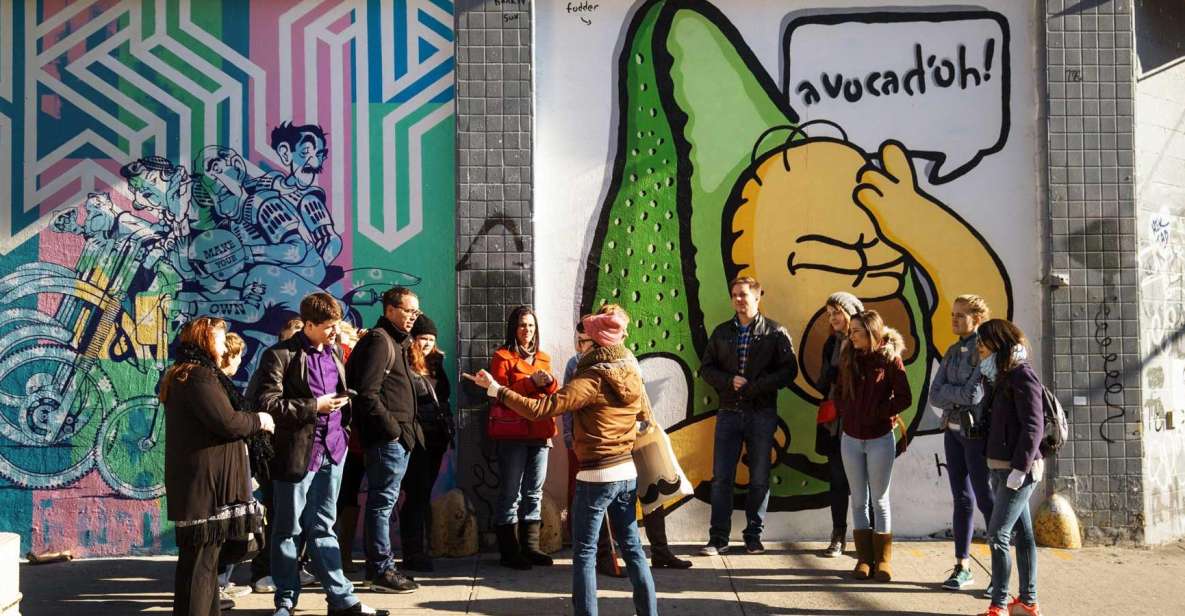
You’ll get the most out of it if you:
- Want a fast way to understand how Manhattan neighborhoods evolved
- Like history that’s tied to what you can see on the street
- Enjoy a mix of food suggestions plus true-crime and organized-crime storytelling
- Prefer an interactive guide who answers questions (people have highlighted guides like George and Angela for engaging delivery)
It’s not the best pick if you:
- Need mobility-friendly routes
- Want only light, non-dark topics. The tour includes gang-violence storylines, so it’s not strictly cheerful.
Should you book this 2-hour walk?
I’d book it if you want a high-impact Manhattan day starter: SoHo’s cast-iron charm and street-film energy, Little Italy’s food-and-faith anchors, and Chinatown’s older stories tied to specific corners. The guide component is a big deal here—people have praised guides for energy, humor, and making the history feel connected to real places.
I’d skip it if you already know you won’t enjoy the heavier subject matter (mob violence, opium den history, Bloody Angle). In that case, you might get more satisfaction from a lighter cultural-food-only route.
If you’re on the fence, my advice is simple: this is a smart use of two hours in New York, especially on a day when you still want to explore on your own afterward with a clearer sense of where things happened and why the streets earned their reputations.
FAQ
How long is the SoHo, Little Italy, and Chinatown guided walk?
The tour lasts 2 hours.
What does it cost?
It’s $39 per person.
What is included in the price?
You get a 2-hour walking tour with an English-speaking guide.
Are food costs included?
No. Food costs are not included, though the walk includes stops where you can sample ethnic food.
Where does the tour start and where does it end?
The meeting point may vary depending on the option booked. One starting location option is Spring Street Park, and the tour drops you off at Columbus Park.
Is the tour in English?
Yes, the guide provides the tour in English.
Is it suitable for people with mobility impairments?
No, it is not suitable for people with mobility impairments.
Can I cancel or reserve without paying right away?
You can cancel up to 24 hours in advance for a full refund. You can also reserve now and pay later.