REVIEW · NEW YORK CITY
TriBeCa Architecture & History Walking Tour
Book on GetYourGuide →Operated by Metro Tours USA · Bookable on GetYourGuide
TriBeCa has secret architectural plot twists. This 2.5-hour walking tour turns Manhattan’s streets into a guided timeline, from farmland to industrial muscle to the New York that people recognize today.
I love how the guide connects landmark buildings to the neighborhood’s changing purpose—especially the shift from 19th-century industry to later luxury reuse. I also love the practical add-ons: you get neighborhood recommendations for brunch that won’t drain your wallet, plus spots for photos and hidden speakeasies.
One caution: this is a straight-up walking experience in rain or shine, so comfortable shoes really matter. If you hate long sightline stops (looking up at facades, hunting small details), you’ll want to pace yourself.
In This Review
- Key things to know before you go
- Starting at TriBeCa’s edge and walking north (the best way to see it)
- A. T. Stewart Building: where commercial power starts to show
- Frederick Hotel: style, identity, and why hotels matter in NYC
- From dry-goods warehouses to luxury residences: the reuse story you can read
- Ghostbusters Firehouse: pop culture as a map to real street history
- Staple Street sky bridge: a small structure with big storytelling value
- The 19th-century anti-slavery thread that changes the tone of the walk
- Weather, pace, and what to bring so you enjoy the full 2.5 hours
- Why the $40 price feels fair for TriBeCa’s mix of stops
- Guides: the difference a good story-teller makes
- Practical itinerary flow you can expect (without getting lost)
- Should you book this TriBeCa architecture tour?
- FAQ
- How long is the TriBeCa Architecture & History Walking Tour?
- How much does the tour cost?
- Where do I meet the guide?
- What landmarks will I see during the walk?
- What should I bring?
- Does the tour run in bad weather?
Key things to know before you go
- Start at TriBeCa’s southernmost point and walk north, so the story moves in a clean direction.
- See major exteriors like the A. T. Stewart Building and the Frederick Hotel, not just random streetscape.
- Visit the Staple Street sky bridge, a hard-to-find NYC feature that’s easier with a guide.
- Spot the Ghostbusters Firehouse, where pop culture and real neighborhood history meet.
- Learn TriBeCa’s role in the fight against slavery in the 19th century, a side of NYC history many walks skip.
- Get local recs for budget brunch, hidden speakeasies, and photo stops, so the tour keeps helping you after you finish.
Starting at TriBeCa’s edge and walking north (the best way to see it)
TriBeCa is one of those neighborhoods where the details matter. The sidewalks are the viewpoint, and the best way to understand the place is to move steadily—south to north—so you feel how the area evolved instead of hopping around.
You’ll meet your group looking for the black Metro Tours umbrella. Then you’ll head to the neighborhood’s starting point (the tour is designed to begin at TriBeCa’s southernmost edge) and gradually work your way upward through the blocks.
This kind of walking tour is also a fast way to learn where you are. TriBeCa looks like a clean, polished section of Manhattan from a distance, but up close you can read the layers: older commercial buildings, later residential conversions, and newer structures that changed the character of the area.
Tip for your first 30 minutes: keep one eye on building shapes and one eye on the street layout. The story sticks better when you’re tracking both at once.
You can also read our reviews of more walking tours in New York City



A. T. Stewart Building: where commercial power starts to show
The tour spends time on big-name architecture, and one early anchor is the A. T. Stewart Building. Even if you’ve only seen it from across the street, it’s the kind of structure that signals you’re no longer in “quiet neighborhood” territory. This is where TriBeCa’s wealth and ambition start to look real.
What I like about this stop is the way it frames buildings as tools. Instead of treating architecture like decoration, the guide connects it to business and influence—how a neighborhood earns its status, then learns to maintain it.
A drawback to keep in mind: you’ll be outdoors and scanning details at street level. If you want museum-style viewing distances, this might feel fast. But that’s also why the tour works. You get the vibe of the place, not just facts from a plaque.
Frederick Hotel: style, identity, and why hotels matter in NYC
Another standout exterior on the walk is the Frederick Hotel. Hotels sound like “background stuff” until you remember what they do in a city like New York. They bring visitors, business traffic, and attention—and they help cement a neighborhood’s identity.
TriBeCa’s story isn’t only about factories. It’s also about the kind of people who started showing up once the neighborhood became important. A hotel is basically a public-facing signal: this area is ready for guests and commerce.
Here’s what you’ll want to watch: how the building’s presence changes your sense of the block. One reason this tour is fun is that it trains you to notice how architecture affects your walking route, your comfort level, and your perception of “old vs. new.”
If you’re the type who likes to ask questions, this is a good stretch to do it. The guide’s job is to link what you see to the story behind it, and this stop gives you plenty to work with.
From dry-goods warehouses to luxury residences: the reuse story you can read
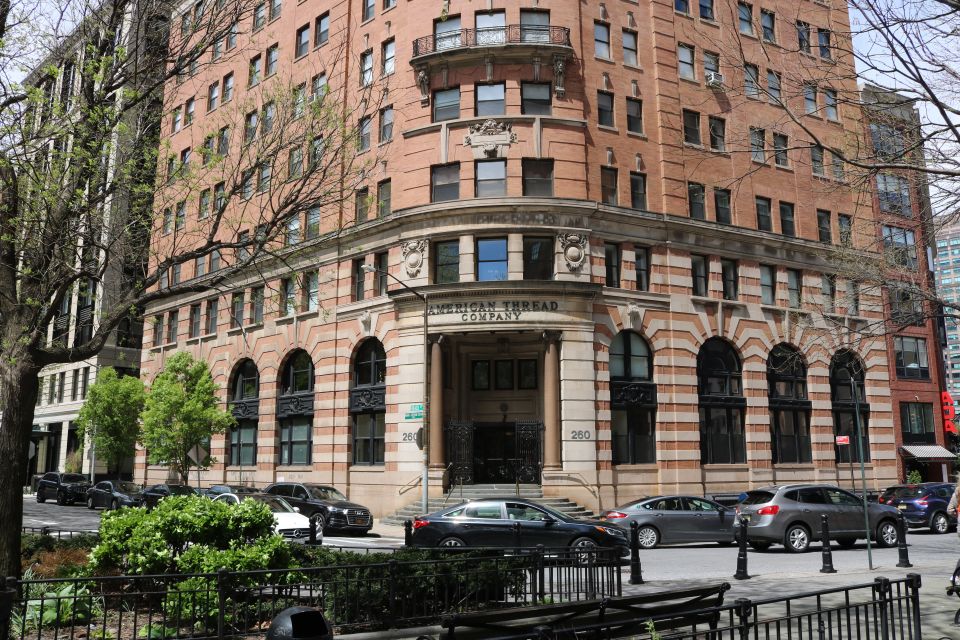
One of the most useful parts of the tour is how it explains the neighborhood’s physical transformations. TriBeCa started with an industrial and commercial role, and later many buildings shifted from working spaces—like dry goods warehouses—to luxury residences.
This isn’t just architecture trivia. It’s a practical lesson in how cities change without erasing everything. You can walk by a building that once served a completely different purpose, then notice how the exteriors keep their identity while the interiors change.
The “why” matters too. As TriBeCa evolved, it became more attractive to wealth, creative energy, and new development. Those forces didn’t appear out of nowhere. They built on earlier structures and street patterns that were already there.
Potential downside: the reuse discussion can feel broad if you expect a stop-by-stop historical lecture. The payoff is in seeing the contrast during the walk—especially when you spot older commercial shapes next to newer residential or modern structures.
Ghostbusters Firehouse: pop culture as a map to real street history
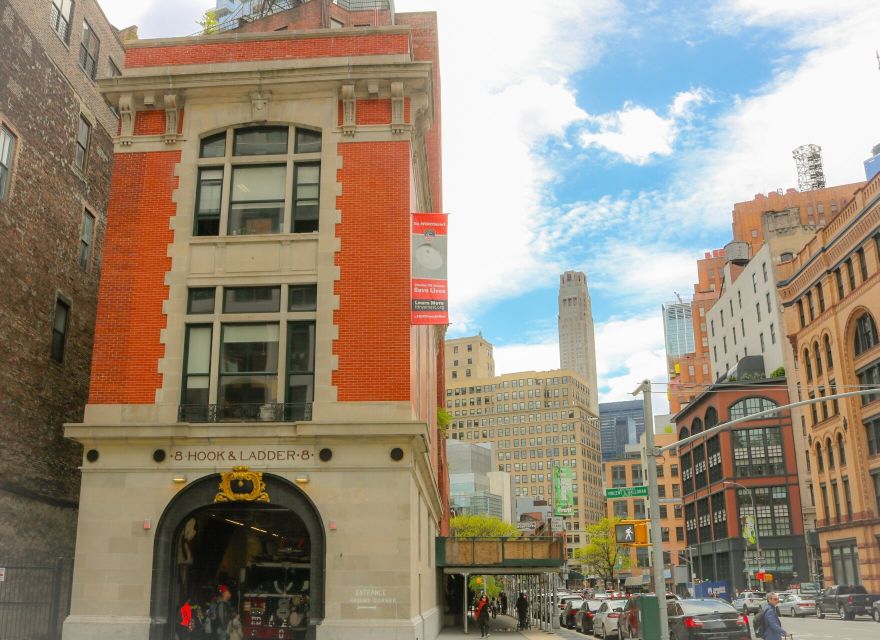
Then you hit one of the most fun “recognition moments” on the route: the Ghostbusters Firehouse. It’s world-famous, but the tour doesn’t treat it like a photo op only. It uses that famous landmark to point back to the neighborhood’s identity and how certain buildings became anchors for the public imagination.
This is the kind of stop that works even if you’re not a hardcore architecture person. The exterior is instantly recognizable, and once you’re looking, you start asking better questions: Why here? Why this building? How did TriBeCa’s character become cinematic?
I also like that this is timed for energy. After a stretch of older commercial buildings and architectural talk, a pop-culture landmark resets your attention without breaking the historical thread.
Do bring your phone for photos, but don’t forget to look away from the screen. The best shots here come when you notice the streetscape around the building, not just the front facade.
You can also read our reviews of more historical tours in New York City






Staple Street sky bridge: a small structure with big storytelling value
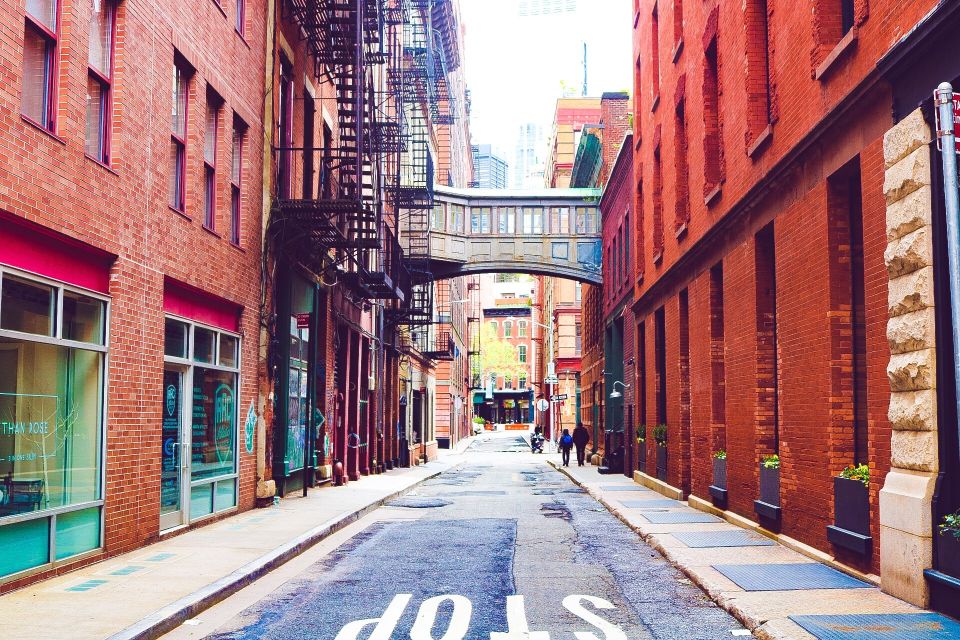
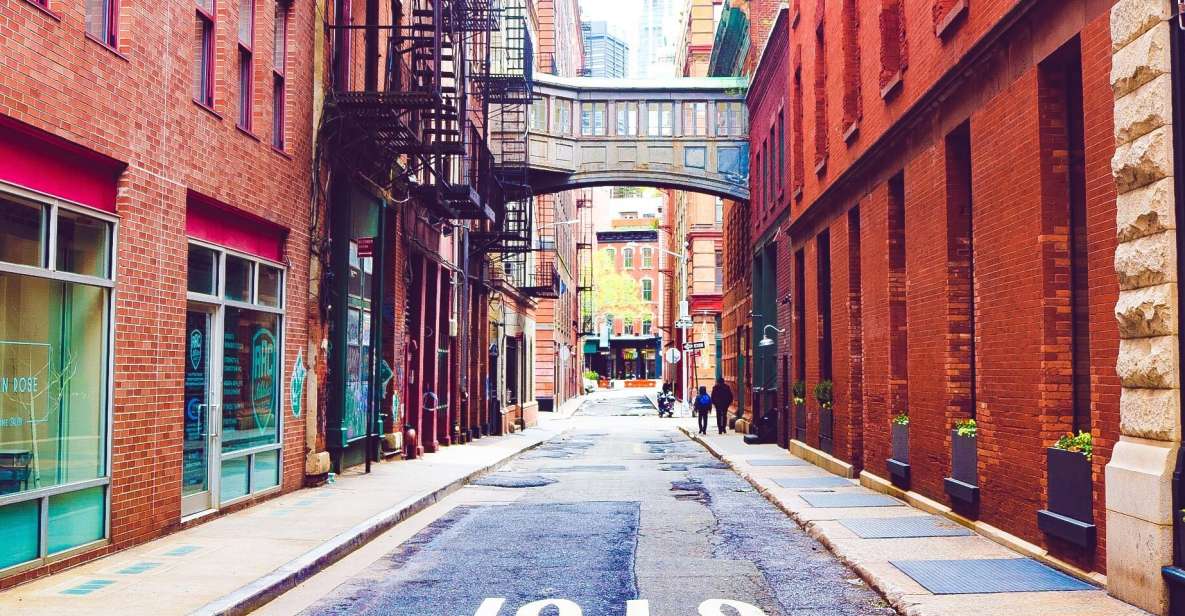
One of the tour highlights is one of the easiest places to miss on your own: the Staple Street sky bridge. The tour is designed to help you find it, which matters because it’s not the kind of thing you’d naturally hunt for during a casual walk.
Why it’s worth your time: a sky bridge is a practical piece of urban design, not just a quirky photo object. It shows how older buildings and industrial-era needs shaped movement—how people crossed spaces, how businesses operated, and how the built environment adapted over time.
This stop also gives you a mini lesson in “invisible history.” You’ll start thinking differently about the connections between buildings and how those linkages reflect work life, not just aesthetics.
My only caution: because it can be hard to spot, you’ll want to stay alert and keep close to the group for this segment. If you drift for snacks or photos, you might miss the exact moment the guide points it out.
The 19th-century anti-slavery thread that changes the tone of the walk
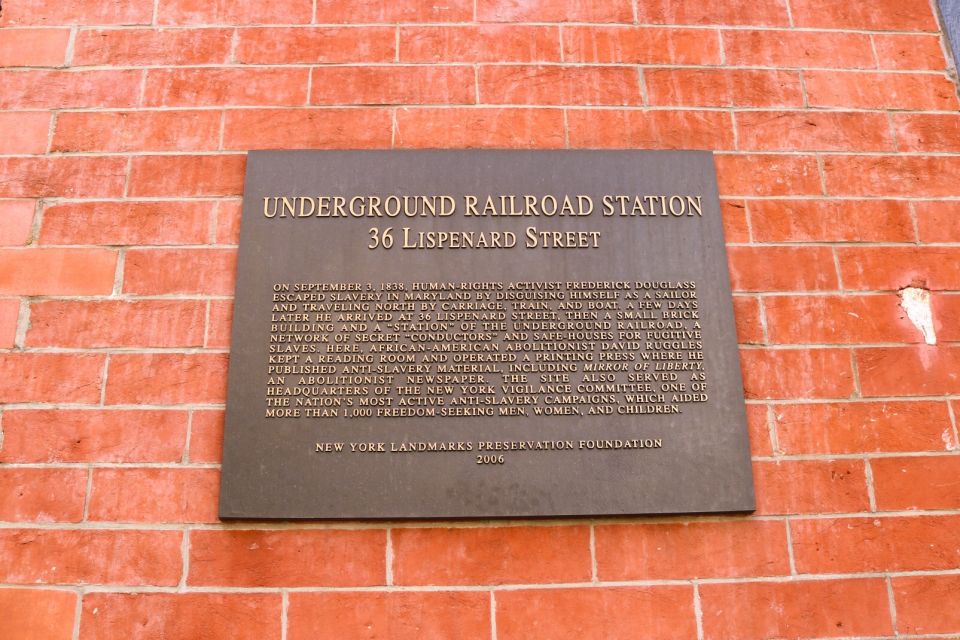
TriBeCa’s “invisible history” is one of the tour’s most important themes. You’ll learn about the neighborhood’s role in the fight against slavery in the 19th century—a piece of history that often doesn’t show up in casual New York neighborhood tours.
This is where the mood shifts. Instead of architecture as a style lesson, you get architecture as context. The point is that buildings and money matter—but so does what people did with their influence.
If you care about honest, less-comfortable history, this part is a strong reason to book. It adds meaning to the earlier stops, because you begin to see why some blocks and institutions mattered beyond commerce.
If you want to keep the tour light, you can still do it. Just know that this segment is meant to hit harder than a typical “look at this facade” moment.
Weather, pace, and what to bring so you enjoy the full 2.5 hours
This tour runs rain or shine, so plan like New York is going to be New York. Wear comfortable shoes and bring weather-appropriate clothing.
The tour duration is 2.5 hours, usually available in the morning. That’s a sweet spot: long enough to learn a real story, short enough that you can still build the rest of your day.
From the way guides handle the walk in practice, you should also expect short pauses. One past participant noted two short breaks, which makes sense for a walking route that includes looking up, taking photos, and moving between stops.
What I’d do to maximize your enjoyment:
- Walk with your camera ready, but don’t rush the details.
- Take a quick note on your phone after the A. T. Stewart and Frederick Hotel stops, so the themes stay fresh.
- If the sky bridge is your priority, don’t plan to leave the group for photos around that time.
Why the $40 price feels fair for TriBeCa’s mix of stops
At $40 per person for about 2.5 hours, the value comes from variety. You’re not paying for one building or one theme. You’re getting a guided route that pairs major exteriors (A. T. Stewart Building, Frederick Hotel) with a famous pop-culture landmark (Ghostbusters Firehouse), plus a real-to-the-street detail (Staple Street sky bridge) and a meaningful historical angle (anti-slavery in the 19th century).
You also get recommendations built for the hours after the tour: brunch suggestions that aim to be budget-friendly, plus hidden speakeasies and photo spots. That kind of local “what to do next” is often where group tours justify their cost.
In plain terms: you pay to avoid wandering aimlessly. Instead of guessing which corners are worth your time, you follow a plan that’s designed to make TriBeCa readable.
If you already know every TriBeCa fact and you’re only here for one quick photo, you might find it harder to justify. But if you want a guided story with a practical payoff, this price makes sense.
Guides: the difference a good story-teller makes
The tour is led by a New York City certified guide, and the guides’ personalities show up fast. Many past walks highlight the same core qualities: lots of energy, smart details, and a willingness to answer questions.
You may meet Meggan, Meghan, or a guide listed as Meghan Sara—names that show up in recent experiences. The common thread is that the guide brings the neighborhood to life through architectural stories and street-level context, not just dates.
I recommend you use this time to ask your own version of the question: What changed here, and why did it matter? When a guide connects the building to the neighborhood’s evolution, you leave with something you can actually use while you keep walking on your own.
Practical itinerary flow you can expect (without getting lost)
Here’s how the walk tends to feel as you move through TriBeCa.
You start at TriBeCa’s southern edge and begin building a baseline. Then you move into landmark architecture like the A. T. Stewart Building, where the story turns toward commercial strength and city-making.
After that, you shift into another prominent exterior like the Frederick Hotel, which helps explain how public life and visitors shape a neighborhood’s identity. From there, the tour connects older workspaces—like dry-goods warehouses—with later luxury living, so you can read change directly in the streetscape.
Midway, you’ll hit the Ghostbusters Firehouse for a pop-culture anchor that still supports the larger neighborhood narrative. Then you work toward the more hidden-feeling Staple Street sky bridge, which is exactly the sort of thing that feels like a secret once you’ve been shown.
Finally, the tour turns to the 19th-century anti-slavery story, giving the walk a moral and historical weight that the architecture alone can’t provide.
Should you book this TriBeCa architecture tour?
Book it if you want a walk that feels like a guided story with real-world payoff. This is a strong choice for architecture-curious visitors, history-minded travelers, and anyone who wants TriBeCa to make sense fast—without spending hours researching on your own.
Skip it if you dislike guided groups or you only want a short, casual stroll with minimal talking. Also skip if you’re not into walking and looking closely at facades for long stretches.
If you’re deciding between a quick photo tour and a meaning-first tour, this one leans meaning-first—then rewards you with famous street moments and practical local recs for what to do next.
FAQ
How long is the TriBeCa Architecture & History Walking Tour?
The tour lasts about 2.5 hours.
How much does the tour cost?
It costs $40 per person.
Where do I meet the guide?
Meet at the starting point by looking for the black Metro Tours umbrella. The nearest subways listed are 4/5/6/J/Z (Brooklyn Bridge City Hall), R/W (City Hall), or 2/3 (Park Place).
What landmarks will I see during the walk?
You’ll explore key exteriors including the A. T. Stewart Building and the Frederick Hotel, plus the Ghostbusters Firehouse and the Staple Street sky bridge.
What should I bring?
Bring comfortable shoes and weather-appropriate clothing.
Does the tour run in bad weather?
Yes, the tour goes out rain or shine. If conditions become too inclement, you’ll be notified and given an option to rebook or receive a full refund.