REVIEW · NEW YORK CITY
Upper West Side: Your Guide to Understanding NYC
Book on Viator →Operated by New York City Explained · Bookable on Viator
Movies live on these Upper West Side blocks. This is a guided neighborhood walk that connects iconic movie and TV locations with how real New Yorkers shaped the area over time, one block at a time.
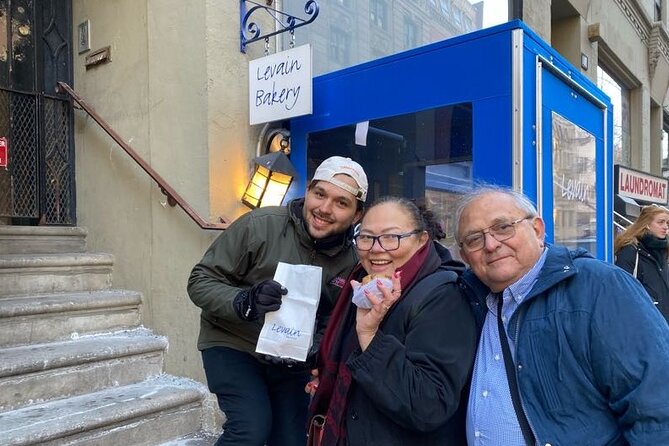
I like the way Mike makes architecture and everyday city life click, with clear stories you can actually picture. I also like the food-minded stops and recommendations, including classic Upper West Side bites like bagels, hot dogs, and cookies such as Levain.
One heads-up: it is a walking tour and lunch is not included, so plan comfy shoes and grab food on your schedule.
In This Review
- Quick reasons this tour works
- Where movies become a real neighborhood lesson
- Stop 1 at 225 W 86th St: the movie-building brownstone sprint
- Riverside Drive and West End Avenue: views plus pre-war context
- Zabar’s: the food stop that teaches neighborhood identity
- Verdi Square: a pocket park with Broadway’s bend
- Broadway Theatre area and Apple Bank’s look: when architecture gets clever
- Pacing, questions, and how Mike turns walks into a story you keep
- Price and value: $575 per group can be a steal or a splurge
- What you’ll do for food (and how to plan lunch)
- Who should book this Upper West Side walk
- Should you book?
- FAQ
- How long is the Upper West Side guided tour?
- What does it cost, and how many people can join?
- Is pickup offered?
- What language is the tour in?
- Where does the tour start and end?
- What’s included and what’s not included?
- What’s the cancellation rule?
Quick reasons this tour works
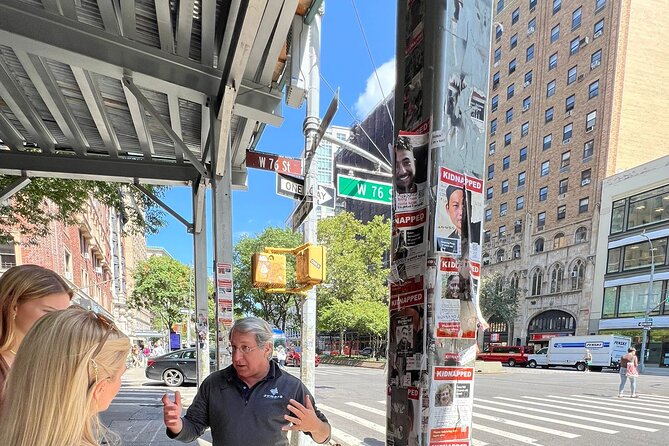
- Private guide time so you can ask questions without a crowd pushing you along
- Film-location storytelling at real buildings tied to Ghostbusters, You’ve Got Mail, Seinfeld, How I Met Your Mother, and Only Murders in the Building
- Pre-war architecture focus along West End Avenue and Riverside Drive, with great views of the park side of town
- Neighborhood culture stops like Zabar’s and Verdi Square that feel local, not staged
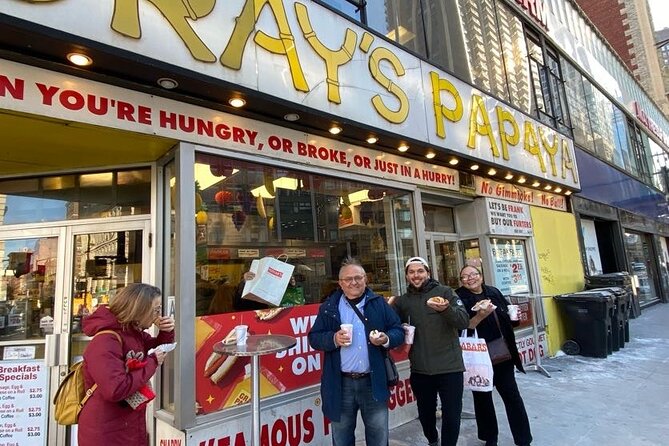
- Finish at Gray’s Papaya so your last hour can turn into a very New York snack mission
- Paced but flexible timing (about 20 minutes per key stop) that still leaves room for side questions
Where movies become a real neighborhood lesson
The Upper West Side can feel like a set from a dozen TV shows. The trick is learning why these blocks look the way they do, who lived here, and what changed. This tour uses film-famous buildings as anchors, then you build the bigger picture around them.
I especially like that it’s not just photo stops. The guide ties the look of the buildings to practical city planning: how people moved, how housing evolved, and how big changes showed up on ordinary streets.
If you want a first-time-friendly way to get your bearings fast, this is a smart choice. And if you’re a returning NYC fan, you’ll still pick up details you can’t usually spot on your own.
You can also read our reviews of more guided tours in New York City


Stop 1 at 225 W 86th St: the movie-building brownstone sprint
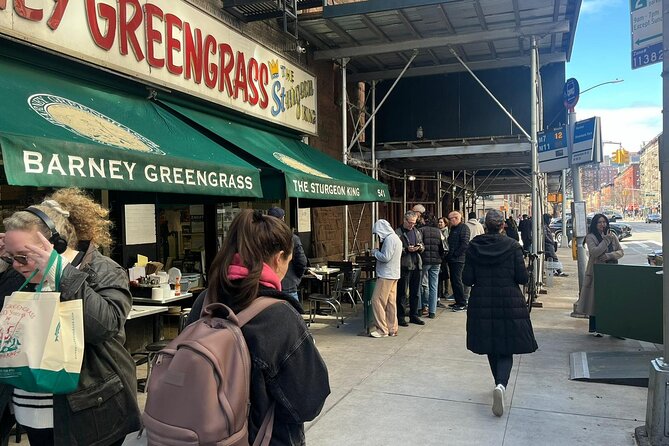
The action starts at 225 W 86th St, and it’s a strong start because it’s visually memorable. This is where the tour turns screen moments into street-level context—one facade at a time.
Here’s what you can expect to see around this stop area:
- You’ve Got Mail brownstone filming location vibes
- The Ghostbusters headquarters apartment building look-alike moment
- Additional TV touchpoints like Seinfeld, How I Met Your Mother, and Only Murders in the Building
What makes this stop valuable is the explanation style. The guide connects what you’re looking at with how and why these neighborhoods became desirable, and how architecture reflects changes in the city’s daily rhythm. In the feedback I saw, people kept praising Mike’s ability to explain not only the buildings, but the logic behind them—everything from construction choices to how apartment living became common.
Practical tip: have your camera ready, but don’t rush the story. A lot of the payoff here is hearing how the same building can mean something different once you understand the era.
Riverside Drive and West End Avenue: views plus pre-war context
After the excitement of the 86th Street film cluster, you shift into quieter, broader streets. Riverside Drive and West End Avenue run in a way that makes the Upper West Side feel like it has room to breathe, even in Manhattan’s grid.
This segment is great if you like:
- Pre-war building lines and the sense of permanence they give
- A more relaxed walking rhythm paired with park-side scenery
- Architecture spotting without it turning into homework
You’ll also get better at reading the neighborhood. When you understand where the park influence shows up and how the street walls were built, the Upper West Side stops feeling random.
One small consideration: this part is exposed in places, so bring a layer if the weather is dramatic. You’re walking outdoors for the duration of the tour.
Zabar’s: the food stop that teaches neighborhood identity
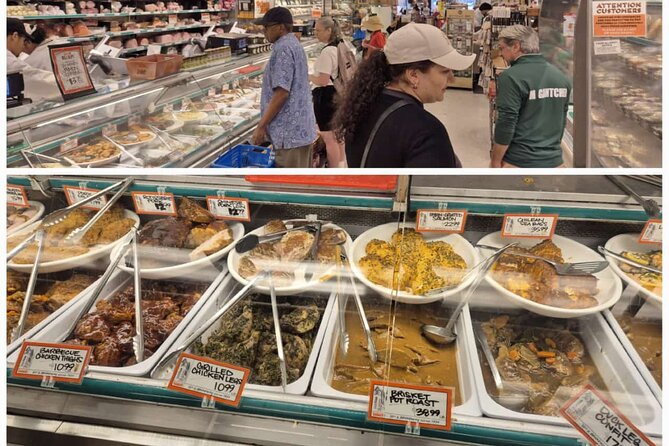
You’ll swing by Zabar’s, a classic Upper West Side institution. It’s not just a place to shop. It’s a snapshot of the neighborhood’s food culture and long-running community traditions, especially its Italian market identity.
The tour treats it like a cultural checkpoint—short time, but the goal is understanding the why behind the place. If you care about New York as a lived-in city (not just a sightseeing checklist), this stop helps you connect streets to shopping habits, family routines, and local tastes.
You might also find that this is where the tour’s “practical tips” energy shows up. In the notes I reviewed, people liked that Mike pointed them toward what to order and where to go afterward, not just what to photograph.
Practical tip: even if you don’t buy anything, it’s worth slowing down. Looking at what people actually pick up tells you a lot about the neighborhood.
Verdi Square: a pocket park with Broadway’s bend
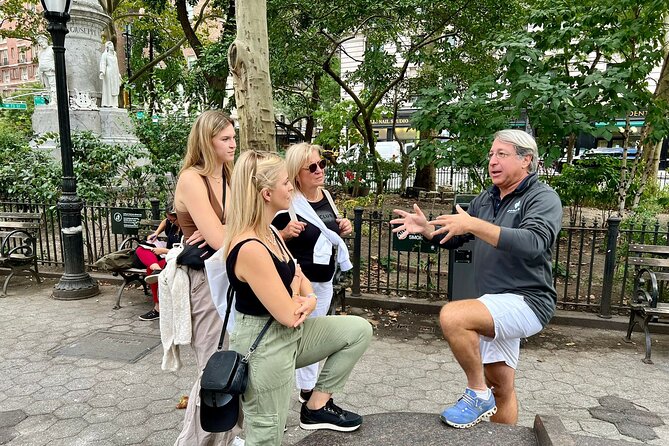
Verdi Square is one of those places that makes you think, I would never notice this alone. It sits tucked into the city fabric, and the park shape is tied to Broadway’s curve.
The tour uses this stop to remind you what parks do for neighborhoods. They soften the edges. They create meeting points. And they change how people walk, linger, and relate to the block.
This is also a good “reset” moment. After film locations and commercial streets, a small green space lets your brain catch up. You’ll likely notice the difference in pace here right away.
Quick tip: if you’re timing photos, early afternoon light can be nice around small parks, but weather matters. This is a stop where comfort beats perfect shots.



Broadway Theatre area and Apple Bank’s look: when architecture gets clever
The final stretch leans into big-city design with a twist. You’ll head toward the Broadway Theatre area and pass a striking bank building known for architecture inspired by Grand Central-style flair—Apple Bank for Savings at 2100 Broadway.
This stop is about recognizing patterns. New York loves reusing ideas that work: impressive entryways, memorable interiors, and buildings that make a sidewalk feel important. When you learn what to look for, the city gets easier to read.
And it’s not just an architectural detour. It ties back to the tour’s central theme: how the neighborhood became what it is. Institutions, housing, and commercial space all evolved together.
Practical tip: look upward here. The “wow” is often above eye level.
Pacing, questions, and how Mike turns walks into a story you keep
This is listed as a private tour for up to 6 people, with a duration of about 3 to 6 hours. That range matters. In a private setting, the guide can stretch or compress time based on your questions and interests.
Based on what I saw emphasized in the feedback, the best part of the experience is the guide’s style:
- clear explanations about city design and how it affects daily life
- patience and openness to questions
- a pace that avoids rushing people through key spots
People also praised Mike’s punctuality and his calm, friendly hosting. One review even highlighted that the tour worked for a family with a very young child, which suggests the guide keeps an eye on real-life needs instead of running the clock like a robot.
If you’re someone who likes to know why a building exists, you’ll probably have a great time. If you mostly want a fast highlight reel and you hate walking, you might find it more effort than you expected. Just be honest with your own pace before you book.
Price and value: $575 per group can be a steal or a splurge
The price is $575 per group, up to 6 people. That means your real cost per person depends on how many you bring.
Here’s the math:
- If you fill it with 6 people: about $96 per person
- If you come with 4 people: about $144 per person
- If it’s just you and one other: about $288 per person
That’s the deal: this tour is best value when you travel with friends, siblings, or a small family cluster. It turns from pricey to very reasonable if you can split the group cost.
Also, you’re paying for more than walking. You’re paying for a guide who knows how to connect film locations, architecture, and immigration-era shifts into one coherent story. That’s hard to replicate with a self-guided audio tour unless you already know what to look for.
What you’ll do for food (and how to plan lunch)
Lunch is not included, and the tour is structured as a half-day walking experience with landmark stops. The good news is the route ends at Gray’s Papaya (2090 Broadway), which makes it easy to keep the momentum going with a classic NYC meal right after the tour.
So your best plan is simple:
- wear shoes you can walk in without complaining
- bring a light snack if you know you get hungry
- treat lunch as your post-tour move, not a guaranteed stop
If you love food, you’ll still get plenty of local flavor through stops like Zabar’s and food-minded recommendations along the way.
Who should book this Upper West Side walk
Book it if you want:
- movie locations with real neighborhood context
- architecture stories that explain how the city functions
- a private guide format where questions are welcome
- a route that ends with an easy snack/meal option
It’s also a strong pick for people who like to learn in a practical way. Instead of memorizing dates, you learn how decisions shaped the blocks you’re walking.
If you’re short on time, the 3–6 hour flexibility is helpful. Just know you’ll still be moving on foot for the full experience.
Should you book?
Yes, if you can make the walking part work and you want the Upper West Side explained in a way that feels like a conversation, not a lecture. The private group size, the film-location focus, and the strong guide storytelling make it worth the price—especially if you fill the group.
Skip it only if you’re hoping for a mostly indoor, minimal-walking day, or if you want lunch included in the cost. Otherwise, this tour is a smart way to see a famous part of Manhattan without staying stuck at the tourist surface.
FAQ
How long is the Upper West Side guided tour?
It runs about 3 to 6 hours, depending on the pace and how many questions you ask during the walk.
What does it cost, and how many people can join?
It costs $575.00 per group, with room for up to 6 people. This is a private tour, so only your group participates.
Is pickup offered?
Yes, pickup is offered.
What language is the tour in?
The tour is offered in English.
Where does the tour start and end?
It starts at Times Square, Manhattan, NY 10036, and ends at Gray’s Papaya, 2090 Broadway, New York, NY 10023.
What’s included and what’s not included?
Included: a guided walking tour with a professional NYC guide and visits to key cultural and historical landmarks, including film-location and cultural stops. Not included: lunch.
What’s the cancellation rule?
You can cancel for free up to 24 hours in advance for a full refund. If you cancel less than 24 hours before the start time, the amount paid is not refunded.