REVIEW · NEW YORK CITY
World Trade Center Tour with 911 Museum & Observatory All Access
Book on Viator →Operated by New York Tours · Bookable on Viator
Ground Zero deserves better than a quick stop. This 5-hour, max-15-person walk connects the World Trade Center story with small-group pacing and Extra Large Visuals so you don’t feel swallowed by crowds. You finish with included entry to the 9/11 Museum and (for those who choose it) One World Observatory.
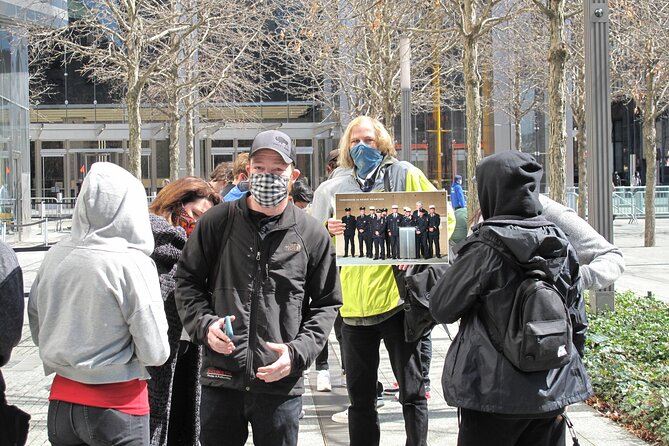
I love the way the guide maps the day in your head as you move, often using before, during, and now reference photos. Guides like Christopher, Richard, and Andrew are repeatedly praised for making the details clear, emotional, and easy to follow, not just a list of dates. And because you get museum and observatory tickets with your guided time, you’re not stuck guessing how long to spend.
The main drawback to plan for is a lot of walking, and the mood can be intense. Also, your observatory views depend on conditions, so heavy fog or rain can cut down what you can see.
In This Review
- Key things to know before you go
- From Starbucks by the Oculus to a guided reset of the day
- The Oculus: where the guide helps you stop feeling lost
- World Trade Center overlook: see the whole scene before you enter the details
- Brookfield Place and Operation Aegis: a rescue story told with clarity
- Winter Garden: a $60 million glass pavilion that changes your mood
- Building Four, lost reserves, and the Survivor Tree
- The National 9/11 Memorial & Museum: guided context, self-guided pace
- One World Observatory all access: HyperSpeed and big views
- Price and value: what $128.95 really buys you
- Who should book this World Trade Center tour?
- Practical tips: walking stamina, snacks, and when to aim for clear views
- Should you book this tour?
- FAQ
- How long is the World Trade Center tour?
- What is the price per person?
- How big is the group?
- What languages is the tour offered in?
- Is the 9/11 Museum guided or self-guided?
- Is One World Observatory included?
- Where does the tour start and end?
- How much time is planned at the museum and observatory?
- What’s included in the guided walking portion?
- What is the cancellation policy?
Key things to know before you go
- Small group (up to 15): easier questions, less chaos, and a better sense of where you are.
- Guided walk plus self-guided time: you get the story up front, then space to linger.
- Operation Aegis stop: you’ll hear the sea-based rescue effort and why it mattered.
- Winter Garden + Eleven Tears: the glass pavilion and a specific memorial for 11 employees make it personal.
- Survivor Tree and Building Four mystery: recovery themes plus unanswered questions.
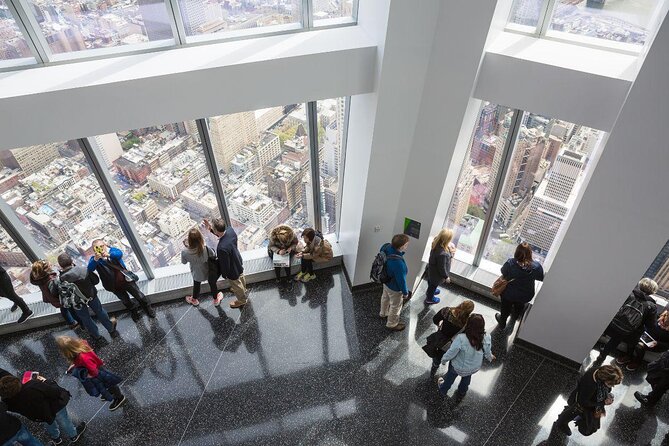
- One World Observatory access: the HyperSpeed elevator ride and city views are included if you pick that package.
From Starbucks by the Oculus to a guided reset of the day
The tour starts at 20 Dey St, where you’ll meet near the Oculus and begin right by the transit hub that replaced so much before. You’ll start across the street at Starbucks, and that sounds ordinary—until you realize how central this area is to the modern rebuilt landscape. The guide quickly frames what you’re about to see and why it’s laid out the way it is.
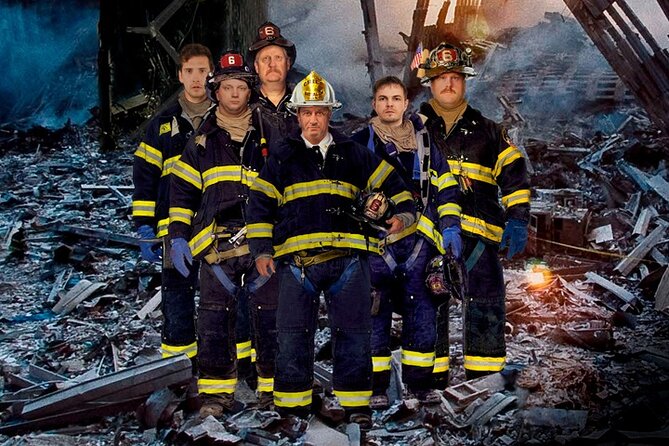
What I like here is the fast orientation. After a few minutes, you’re not just staring at buildings. You understand what you’re looking at, and how it connects to September 11, 2001. One detail I found especially useful is the focus on first responders and unit stories early on, including FDNY Captain John Jonas and the team known as the Dragon Fighters.
You can also read our reviews of more museum experiences in New York City


The Oculus: where the guide helps you stop feeling lost
The Oculus is more than a pretty landmark. It’s the front door to the rebuilt World Trade Center complex, and it’s also a symbol of how the city rebuilt circulation—subway lines, pedestrian flow, and access. Starting here matters because it gives your brain a “map layer” before you step into the memorial footprint.
If you’ve ever wandered around Ground Zero on your own, you know how quickly you can feel confused by sight lines. This tour keeps you moving with purpose. You’ll spend about five minutes at the Oculus stop, but that short burst is used to set the narrative and get you ready for the next two parts: the memorial overlook and the broader complex walk.
World Trade Center overlook: see the whole scene before you enter the details
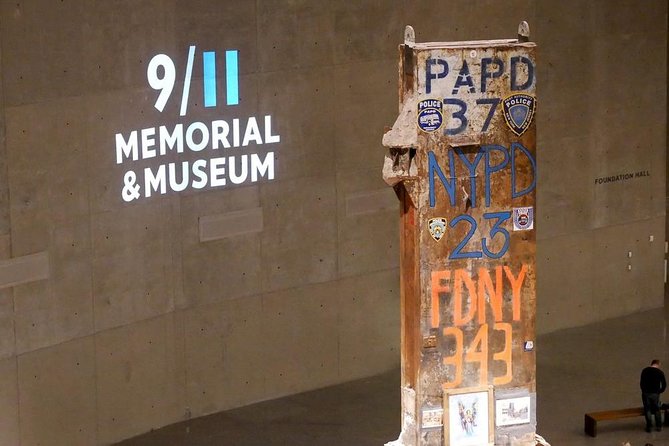
Next you head to a vantage point over the World Trade Center Memorial Plaza. This is one of the smartest moments in the day. From above and at a distance, you can take in the layout: One World Trade Center, the reflecting pools, and the museum footprint all in one view.
Why it’s valuable: you get geography first, emotion second. When you later see names and artifacts up close, your brain already knows where things sit relative to each other. It’s much easier to follow what the guide is describing, especially if you’re visiting for the first time.
You’ll have about 40 minutes here, and since it’s guided, you’re not spending that time hunting for the best photo spot. You’re using that time to understand the space.
Brookfield Place and Operation Aegis: a rescue story told with clarity
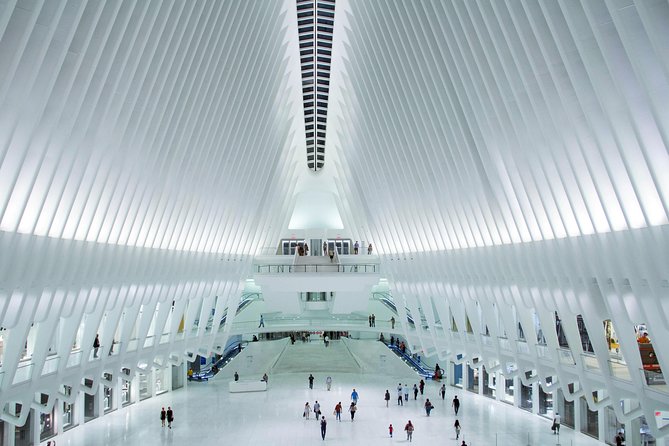
The walk continues toward the World Financial Center area and then to Brookfield Place. This is where the tour expands beyond the memorial moment and into what happened after the attacks—specifically, the evacuation and rescue efforts.
A standout topic is Operation Aegis, described as the largest rescue by sea in history. The story is focused on the scale: over 500,000 civilians evacuated by a mix of watercraft. If you’ve only heard the day told through the most famous images, this is the part that rounds out your understanding.
It also gives the guide a chance to talk about scale and logistics—how a city tries to keep people moving when everything is broken. You’ll spend about 45 minutes around this area, which feels long enough to actually absorb the narrative without rushing.
Winter Garden: a $60 million glass pavilion that changes your mood
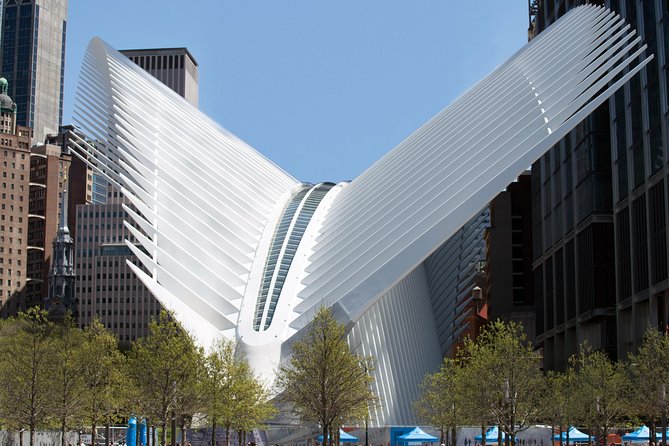
Then you reach the reconstructed Winter Gardens: a $60 million, 10-story glass pavilion rebuilt after it was devastated. This stop is a reminder that recovery is not just rebuilding steel. It’s also about rebuilding indoor public space—light, air, and a place for people to gather.
Right nearby is a smaller, more personal tribute: the Eleven Tears Memorial, dedicated to the 11 American Express employees lost on that day. For me, this is the emotional turning point where the story becomes less abstract. Instead of thinking of September 11 as a big headline, you start thinking of it as 11 specific lives.
You’ll spend about 15 minutes here. That time is short, so come ready to slow down for a moment anyway. This is one of those stops where pausing for even two extra minutes can make the rest of the day hit harder.




Building Four, lost reserves, and the Survivor Tree
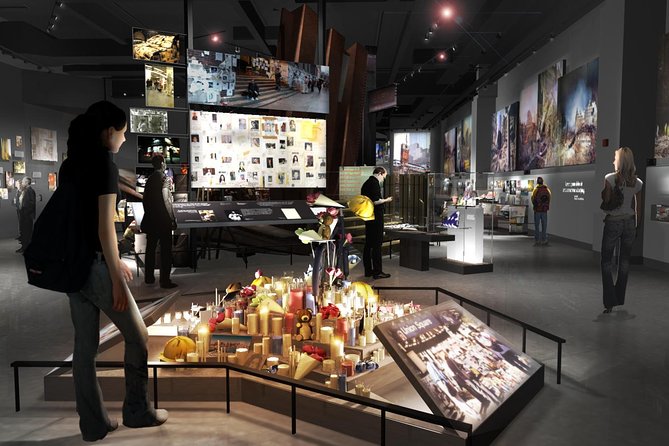
After the Winter Garden, the tour returns to the World Trade Center complex and finishes with more guided interpretation of design and construction. Expect the guide to connect the physical layout to what was learned in the aftermath.
Two memorable themes are frequently highlighted:
- The mystery around the lost gold and silver reserves of Building Four.
- The Survivor Tree, a powerful symbol tied to resilience and rebirth.
These don’t feel like trivia when a good guide frames them. The gold and silver story is presented as a question tied to the chaos of the day. The Survivor Tree gives you a living image of survival—something you can see and feel, not just read about.
You’ll have about 15 minutes in this final guided complex section. It’s brief by design: the tour is meant to prepare you for the museum, not replace it.
The National 9/11 Memorial & Museum: guided context, self-guided pace
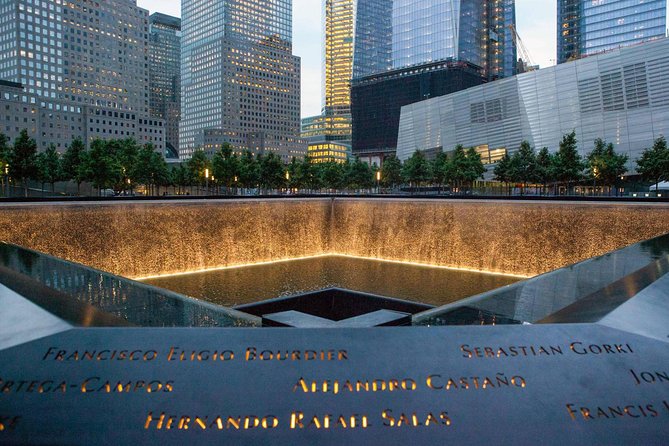
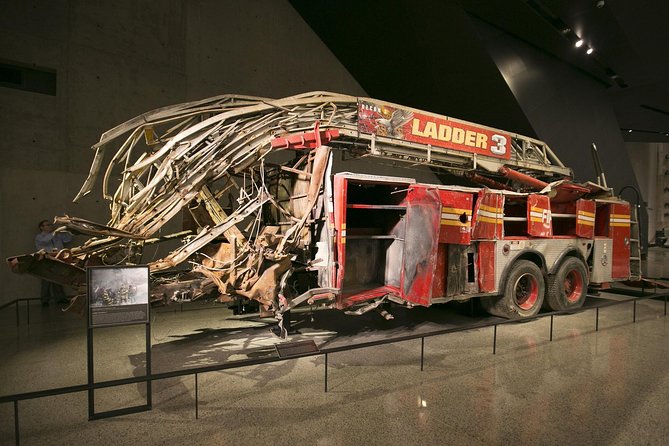
Once your walking portion finishes, you’re granted entry to the National 9/11 Memorial & Museum. This part is self-guided for about two hours, which I think is a big reason this tour works so well.
A good guide can help you understand what you’re looking at. But a memorial doesn’t benefit from being rushed with facts. Two hours is enough time to see key exhibits and still sit with a space when you need to.
Here’s how I’d use your time:
- Start with the main areas that explain the timeline and impact.
- Then shift into artifacts and personal items, where the story becomes human-scale.
- Finally, give yourself a little buffer for the memorial itself, since it often takes longer to process than you expect.
If you’re visiting with family or mixed ages, the self-guided format helps. The guide sets the stage, then you control the pace.
One World Observatory all access: HyperSpeed and big views
If you choose the One World Observatory package, your tour includes admission and time to ride up and look around on your own for about an hour.
You’ll take HyperSpeed elevators to the observatory on the 100th floor. The ride is described as lasting 48 seconds, and during that short span you’ll watch a timeline transformation of Manhattan. It’s quick, but it’s timed to make the view feel connected to the city’s long story rather than just another skyline stop.
At the top, you’ll enjoy views across four different states. This is where timing and weather matter most. If conditions are clear, you can make out more range. If it’s cloudy or rainy, you may find the horizon compressed and views less dramatic.
Bring whatever helps you feel comfortable looking outward for a while: a phone with charged battery, and patience. This is a views stop, not a quick selfie and out.
Price and value: what $128.95 really buys you
At $128.95 per person, this isn’t a budget add-on. The value is in how the package is built.
You’re paying for:
- A guided 2-hour walking tour with large visuals (so you aren’t piecing the story together alone).
- Admission to the 9/11 Museum (included).
- Admission to One World Observatory (included if you select that package).
- All fees and taxes.
So you’re not just buying entry tickets and hoping you figure out the narrative on your own. You’re getting a guided storyline that helps the memorial and museum make sense, and then you’re getting time to explore at your own pace.
If you’re the kind of traveler who loves context, this price starts to feel fair fast. If you only want a simple monument circuit with no narrative, you might feel it’s pricey for what you get. But for first-time visitors, or anyone who wants the story organized from site to site, it’s a strong value.
Who should book this World Trade Center tour?
This tour is a great fit if you want:
- A small-group, guided structure so you don’t feel overwhelmed.
- A route that covers the complex as a connected story, not separate stops.
- Museum time where you can linger after the guided setup.
It’s also a good choice for families who want clarity and pacing. Many guides are praised for keeping the material easy to hear and understand, with helpful visuals. If someone in your group moves more slowly, you’ll still be walking a fair amount, so plan on slower breaks and comfortable shoes.
If you prefer purely self-guided visits, you might not need the walking tour. But if you want your first trip to feel coherent and respectful, the guide-led approach is a big win.
Practical tips: walking stamina, snacks, and when to aim for clear views
You’re signing up for several hours of walking across a dense and emotionally serious site. That means shoes matter. Bring comfortable footwear and dress for the weather because you’ll be outside for major portions of the day.
Two practical tips that come straight from how the day plays out:
- Pack snacks. The walking time is long enough that you may not have time to grab food when you want it.
- Don’t assume perfect visibility at One World Observatory. Heavy fog or rain can reduce what you can see, so check forecasts and keep expectations flexible.
Also, plan to arrive with a little extra time. You start at 20 Dey St, and the tour ends inside the 9/11 Memorial. In other words, you’re finishing right where most people want to spend quiet time, so you’ll likely want that mental headspace.
Should you book this tour?
I’d book it if you want your visit to feel organized and human—not scattered. The small-group size, guided narrative with large visuals, and included access to both the 9/11 Museum and One World Observatory (for the package) make it a good “one strong day” choice.
I would skip it only if:
- You’re determined to go fully self-guided and don’t want a structured route.
- You’re not comfortable with emotional content, since the material is presented seriously and can feel intense.
If you’re ready for a thoughtful, guided walk that leads into the museum and then up to the skyline, this is a very solid pick.
FAQ
How long is the World Trade Center tour?
It lasts about 5 hours.
What is the price per person?
The price is $128.95 per person.
How big is the group?
The tour has a maximum of 15 travelers.
What languages is the tour offered in?
It’s offered in English.
Is the 9/11 Museum guided or self-guided?
The museum time is self-guided. You’re given access after the walking tour.
Is One World Observatory included?
It’s included if you select the One World Observatory package.
Where does the tour start and end?
It starts at 20 Dey St, New York, NY 10007, and ends inside the 9/11 Memorial at 180 Greenwich St, New York, NY 10006.
How much time is planned at the museum and observatory?
The museum is about 2 hours, and One World Observatory time is about 1 hour.
What’s included in the guided walking portion?
You get a guided walking tour with extra large visuals, plus entry to the 9/11 Museum and One World Observatory (if you choose that package).
What is the cancellation policy?
Free cancellation is available up to 24 hours before the experience start time for a full refund. Canceling less than 24 hours before won’t be refunded.