REVIEW · NEW YORK CITY
Metropolitan Museum Guided Group Tour
Book on Viator →Operated by Walks - USA · Bookable on Viator
The Met is huge; this tour gives you bearings. This guided group visit is designed to help you see real Met highlights without getting lost in more than 6,000 years of collections. You get a local English-speaking guide, a small group format (up to 18 people), and a skip-the-line ticket so your time goes toward art, not paperwork.
I like two things a lot. First, the route is built around the museum’s best-known stops, including the Temple of Dendur and major European and classical rooms. Second, the guide’s stories put context on the spot, from the Antioch Chalice legend (often linked with the Holy Grail story) to the scandal talk around John Singer Sargent’s Madame X.
One thing to watch: this is not a slow museum hang. The experience is meant to cover key areas, so the pace can feel fast if you want long, quiet time in one gallery.
In This Review
- Key tour takeaways
- Why a 2-3 Hour Met Highlights Tour Works
- Meeting on 5th Ave: Security, Bag Check, and Getting Started
- The Temple of Dendur and the Egyptian Entry Point
- Tudor Armor, the Antioch Chalice, and the Fun Side of Art History
- Greek and Roman Statuary: How to Look When You’re Not an Expert
- Sargent’s Madame X and the Real Meaning of Scandal
- The Pace: Fast Highlights vs. Time to Sit
- Price and Value: Is $65 Worth It?
- Who This Tour Fits Best (and Who Might Want Another Option)
- Tips for a Smoother Met Tour Day
- Should You Book This Met Highlights Tour?
- FAQ
- How long is the Metropolitan Museum guided group tour?
- What’s included in the $65 price?
- Is it a walking tour?
- How many people are in the group?
- Where do we meet?
- Are photos allowed inside?
- Can I cancel?
Key tour takeaways
- Small-group cap (18 max) keeps the experience personal and easier to follow
- Skip-the-line entry helps you start viewing sooner (security still takes time)
- A focused highlights route covers Egyptian, Tudor/armor, and Greek and Roman highlights
- Guides connect the dots with anecdotes, comparisons, and backstory
- Plans can change if galleries close or objects are unavailable
- Photo rules are simple: non-flash is allowed outside restrictions, no selfie sticks
Why a 2-3 Hour Met Highlights Tour Works
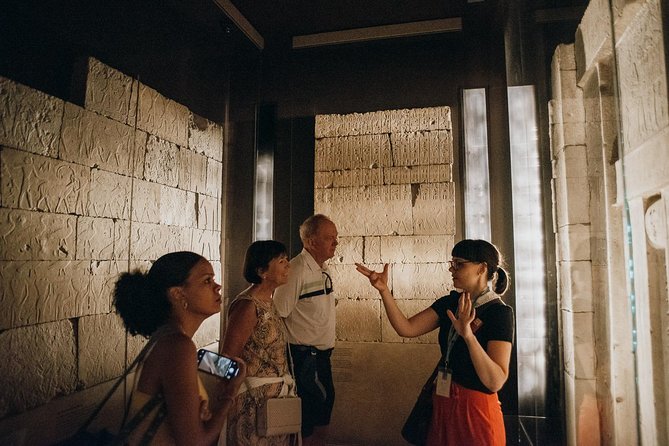
The Met is the kind of place that can quietly swallow a whole day. You can spend hours drifting and still feel like you barely scratched the surface. This tour is built for the opposite goal: get you oriented, then steer you to standout works while you still have energy to enjoy them.
The best part is that you’re not just looking at famous objects. You’re also learning how to read the place. The guide points out what to notice first, what the artwork is trying to do, and why certain pieces mattered to the people who made and collected them. It’s a strong way to avoid that overwhelmed feeling that hits when you’re staring at too many rooms at once.
You also get practical flexibility. Choose either a 2-hour or 3-hour option depending on what else you want to do that day. If you’re trying to fit the Met into a packed NYC schedule, this is often the difference between seeing “something” and seeing “the right something.”
You can also read our reviews of more guided tours in New York City



Meeting on 5th Ave: Security, Bag Check, and Getting Started

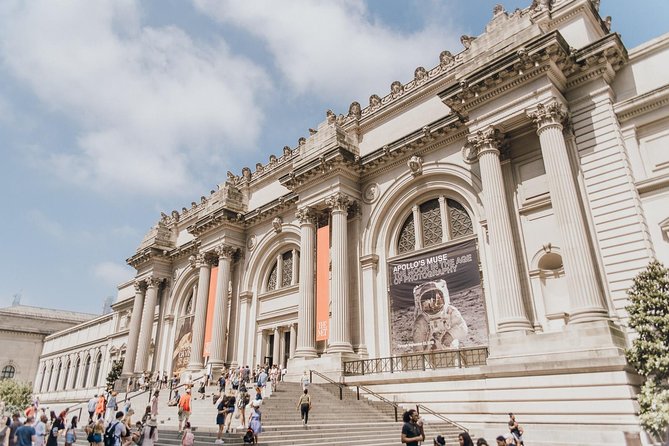
Your meeting point is at 1000 5th Ave at the Metropolitan Museum of Art. The tour meets in the lobby, and the start time requires you to arrive 15 minutes early. That “early” detail matters here. Even with skip-the-line style entry, the museum has a security check that can take up to 15 minutes.
A bag check is available, but it can add time too. My advice: travel light if you can, and build a small buffer into your arrival. If you’re late, you may miss the start and there are no refunds for late arrivals or no-shows, so it’s not a moment to gamble on.
Once you’re inside, you’ll have the guide’s direction right away. This helps you avoid the common mistake at the Met: walking a lot before you actually understand where you are in the collection.
Photo rules are also good to know in advance:
- Non-flash photography is allowed, but you can’t use flash inside the museum.
- Selfie sticks are prohibited.
If you follow those, you won’t get slowed down by extra explanations at the gate.
The Temple of Dendur and the Egyptian Entry Point
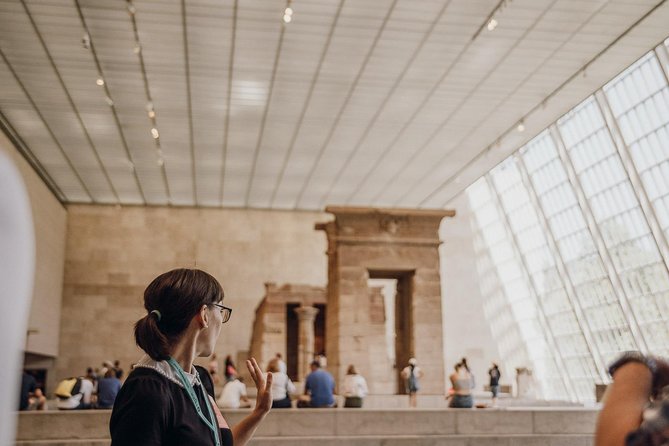
The tour starts at the Met, then moves into one of the museum’s best “first anchors” for first-timers: Egyptian galleries that lead you toward the Temple of Dendur (dating to 15 BC).
One reason this stop works is that it’s not just one exhibit you stare at. You’re guided along a sequence that includes models of Egyptian tombs leading into the space around the Temple. That setup helps you make sense of how the objects relate to each other. Instead of seeing Egypt as a random set of artifacts, you get a clearer sense of purpose and setting.
The Temple of Dendur is the kind of place where your brain suddenly goes quiet. It’s large, calm, and built for you to notice scale. A guide makes it easier to focus on what you’re seeing—what details stand out, how the structure fits the ancient context, and why this particular piece draws attention from generations of visitors.
If you’re short on time, this is the smart opening move. It creates a reference point for the rest of the highlights route.
Tudor Armor, the Antioch Chalice, and the Fun Side of Art History
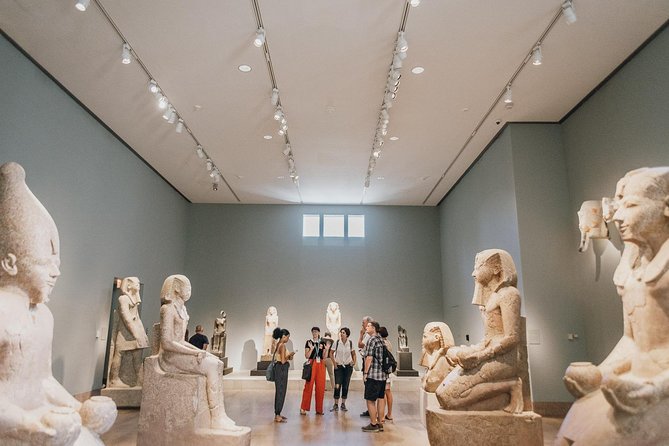
After the Egyptian segment, the tour shifts into Europe and the kinds of objects that make museum visits feel like storytime with footnotes.
You’ll cross into Tudor-era England to see King Henry VIII’s suit of armor. Armor can feel intimidating if you’ve never thought about it as more than “a thing worn in battle.” With a guide, it becomes evidence—of status, design choices, and how power wanted to look.
Then comes one of the most talked-about legend stops: the Antioch Chalice, often linked with the story of the Holy Grail (the tour notes it’s believed to be the Holy Grail). Even if you already know the legend, hearing it in museum context is the point. You learn what the object is, how it’s been interpreted, and why that kind of association matters for how people remembered and collected it.
This is also where you’ll feel how strong the guide selection can be. Multiple guides are praised for pacing and storytelling style in different ways. Names that showed up in standout guide feedback include Rob, Phil, Stephan, Katie, and Cherie. The common thread in the praise is simple: they keep the tone human—stories, anecdotes, and real explanations, not just dates and labels.
Greek and Roman Statuary: How to Look When You’re Not an Expert
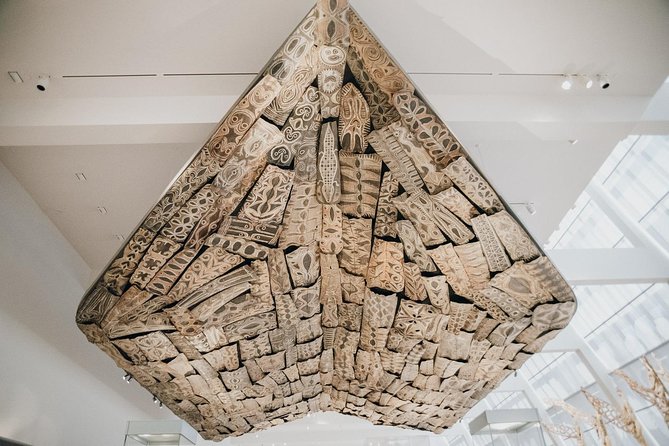
The Met’s Greek and Roman spaces can feel like a wall of great art. This is exactly where a highlights tour helps you slow down the right way. The guide leads you through Greek and Roman statuary, and you’ll hear about ancient frescoes and busts of emperors.
When you’re doing this on your own, it’s easy to miss the “why” behind the looks. A guide turns the viewing into a checklist you can actually use:
- What emotions does the face communicate?
- How does the pose guide your eye?
- What features repeat across periods or workshops?
You also get help comparing things without needing a PhD in ancient art. That’s one reason the classical stops are high-value on a short schedule. The guide helps you see patterns and differences, not just isolated masterpieces.
And if you’re the kind of visitor who likes to photograph, this section is usually perfect. You’ll get several chances to capture key works without feeling like you’re wandering to find them.
You can also read our reviews of more museum experiences in New York City






Sargent’s Madame X and the Real Meaning of Scandal
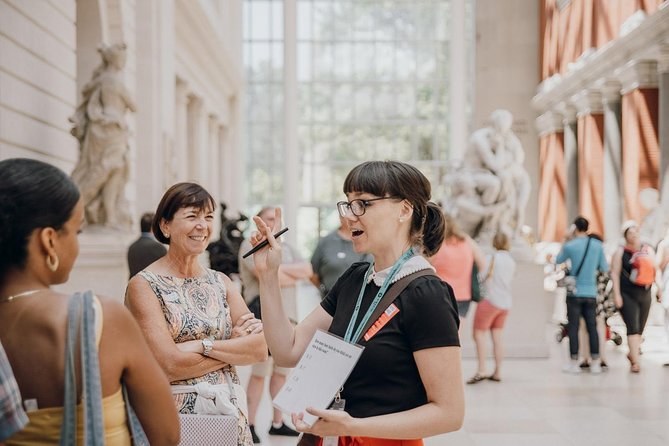
One of the most memorable highlights in this route is a discussion of John Singer Sargent’s Madame X, including the scandal behind it. That matters more than you might expect. When famous works have drama attached, you get a built-in narrative hook.
The guide helps you connect the artwork to the moment it came from. Instead of treating the painting like a famous image floating online, you start understanding what choices Sargent made—and why those choices caused reactions.
This kind of “story inside the art” is one of the most praised parts of these tours. In guide feedback, people repeatedly mention anecdotes and the way dates and comparisons get explained through confident answers. If you like learning fast, this section delivers.
The Pace: Fast Highlights vs. Time to Sit
Here’s the honest tradeoff. This tour is designed to cover major areas in limited time. That’s why some feedback points to a pace that can feel quick, especially if you like to pause and linger.
There’s also a practical reality: the museum can be busy, and crowds can shape how long you can sit anywhere. That’s where a good guide earns their keep. Strong feedback highlights guides who keep groups moving through crowds smoothly and adapt quickly.
On the downside, if you want to study every detail, you might finish the 2- or 3-hour tour wanting more time in the same rooms. One review-style pattern that matters for your planning is this: the Met is so large that you may still need extra time to see everything properly.
My suggestion:
- If you have only one visit planned, add another hour on your own right after the tour, focusing on just 1-2 departments.
- If you can come back later in your trip, use the tour as your orientation, then return to whichever sections grabbed you most.
Price and Value: Is $65 Worth It?
At $65 per person, the price may look steep until you put it in context.
You’re paying for:
- A local English-speaking guide
- A short guided route through the museum highlights
- A skip-the-line ticket
- A manageable structure that prevents you from wasting time figuring it out alone
For the Met, time is the big currency. Without guidance, a first-time visit often turns into a lot of walking with fewer “aha” moments. With a highlight route, you get multiple anchor stops—Egyptian to classical to European—and you learn enough context to keep the visit meaningful.
Also, the group size cap (up to 18 guests) helps keep the experience feeling like a tour rather than a lecture for a crowd.
If you’re someone who loves museums but hates decision fatigue, this price usually feels reasonable. If you already know the Met well and you’re comfortable picking your own path, you might be able to do it without a guided tour. But for most first-timers or time-crunched visitors, the value comes from focus.
Who This Tour Fits Best (and Who Might Want Another Option)
This guided highlights tour fits best if you:
- Want the Met done in a 2-3 hour chunk
- Feel overwhelmed by the sheer size of the museum
- Like art history stories that explain what you’re seeing in plain language
- Prefer a structure you can follow without mapping everything yourself
It’s also useful if you’re traveling with kids who need help staying engaged. A family-focused highlight from guide feedback mentions that the guide managed to keep attention and make the visit work for ages like 8 and 10.
It may not be the best fit if you:
- Want long, slow gallery time with lots of silence
- Want to focus deeply on one department for hours
- Need frequent rest breaks and more flexibility than a timed highlights route provides
If any of those are you, consider pairing the tour with additional self-guided time, or choosing a longer visit plan if available.
Tips for a Smoother Met Tour Day
A few small moves make a big difference.
- Arrive early. The tour meeting time is 15 minutes prior, and security can take time.
- Use non-flash photography rules in mind, and skip selfie sticks.
- Travel with a bag you can manage through the bag check quickly.
- Keep your expectations aligned with the tour goal: highlights and context, not a full museum master plan.
- Be ready for changes. Galleries and artwork visited can have closures or absences, and your guide may adjust the route.
Finally, pick your tour option based on your day. If you’re also planning nearby NYC sights, the 2-hour option can protect your schedule. If you want a fuller sweep with more time in the major stops, the 3-hour option gives breathing room.
Should You Book This Met Highlights Tour?
If your goal is to see the best-known Met areas and understand what you’re looking at, I think this is a strong booking. The proof is in the consistency: a 4.8 rating and 95% recommended signals that most people finish the tour feeling they got their time’s worth.
The experience shines when you want a guide who can connect objects with stories and help you navigate the Met without stress. The names that keep coming up in excellent guide feedback—Rob, Jett, Phil, Stephan, Katie, and Cherie—all align with what you want most: clear explanations, a comfortable pace, and real enthusiasm.
That said, if you need slow viewing and lots of time sitting still in one room, you may leave wishing you had more hours. In that case, either add self-guided time right after, or plan a second day at the Met.
Bottom line: for a first Met visit or a time-limited NYC trip, this is one of the most practical ways to get your bearings fast and enjoy the art without turning it into a confusing marathon.
FAQ
How long is the Metropolitan Museum guided group tour?
It runs about 2 to 3 hours, with options that you can choose based on your schedule.
What’s included in the $65 price?
The tour includes a local English-speaking guide, an expert walking tour, and a skip-the-line ticket to the Metropolitan Museum of Art.
Is it a walking tour?
Yes. It’s a walking tour with a moderate pace. Most travelers can participate as long as they can walk at a moderate pace.
How many people are in the group?
The tour has a maximum of 18 travelers.
Where do we meet?
You meet at the Metropolitan Museum of Art, 1000 5th Ave, New York, NY 10028, and the tour ends back at the meeting point.
Are photos allowed inside?
Non-flash photography is allowed, but the rules note that photography has restrictions inside the museum. Selfie sticks are prohibited. There’s also a security check before entering that can take up to 15 minutes.
Can I cancel?
Yes. There’s free cancellation available if you cancel at least 24 hours before the experience start time. Within 24 hours, the amount paid is not refunded.