REVIEW · NEW YORK CITY
New York City: Little Italy Italian Food Tasting Tour
Book on GetYourGuide →Operated by Best Tours US · Bookable on GetYourGuide
Little Italy can feel like a living museum. This food walk puts real bites in your hand as you learn how immigration shaped the neighborhood, with stops that go well beyond a snack run. I especially like the mix of old-school kitchens and tastings that add up to a full lunch, plus the story stops like the Prohibition bootlegging depot and movie locations from The Godfather and Donnie Brasco.
There are two things to plan for. First, it’s a walking tour (comfortable shoes matter). Second, this is not a good match if you have food allergies or dietary restrictions, since the tastings are part of the experience and aren’t framed as adjustable meals.
In This Review
- Key highlights to know before you go
- Little Italy in 2 Hours: the pace, the walking, and why it works
- Starting at La Bella Ferrara: where your sweet tooth gets a head start
- Di Palo’s and the mozzarella story you can taste
- Nolita Pizza and the cheese-focused approach to pizza
- Ferrara Bakery and pastries with real movie-set energy nearby
- Immigration history, food culture, and why the stories matter
- Curb Exchange: Prohibition bootlegging and the detective-named square
- A peek inside St. Patrick’s Cathedral: seeing the neighborhood beyond food
- Skip-the-line access and the licensed guide: small details that save time
- Languages and group size: what it feels like in real life
- Price and value: is $90 worth it for a 2-hour lunch walk?
- Who should book this tour—and who should skip it
- Should you book the Little Italy Italian Food Tasting Tour?
- FAQ
- Where do I meet my guide?
- How long is the tour?
- How many stops and tastings are included?
- Are skip-the-line passes included?
- What languages are available for the guide?
- Is the tour suitable for people with food allergies or dietary restrictions?
- Does the tour run in bad weather?
- What if there aren’t enough participants?
- Are pets allowed?
Key highlights to know before you go
- 4 venues, including places over a century old, with tastings that feel like a 4-course lunch
- La Bella Ferrara at the start, setting the tone with Little Italy sweets
- Di Palo’s mozzarella tradition, where cheese-making is treated like family heritage
- Curb Exchange Prohibition stories, tied to bootlegging history you can picture on the street
- Movie locations on the route, including The Godfather and Sex and the City
- A peek inside St. Patrick’s Cathedral, adding context beyond the food focus
Little Italy in 2 Hours: the pace, the walking, and why it works
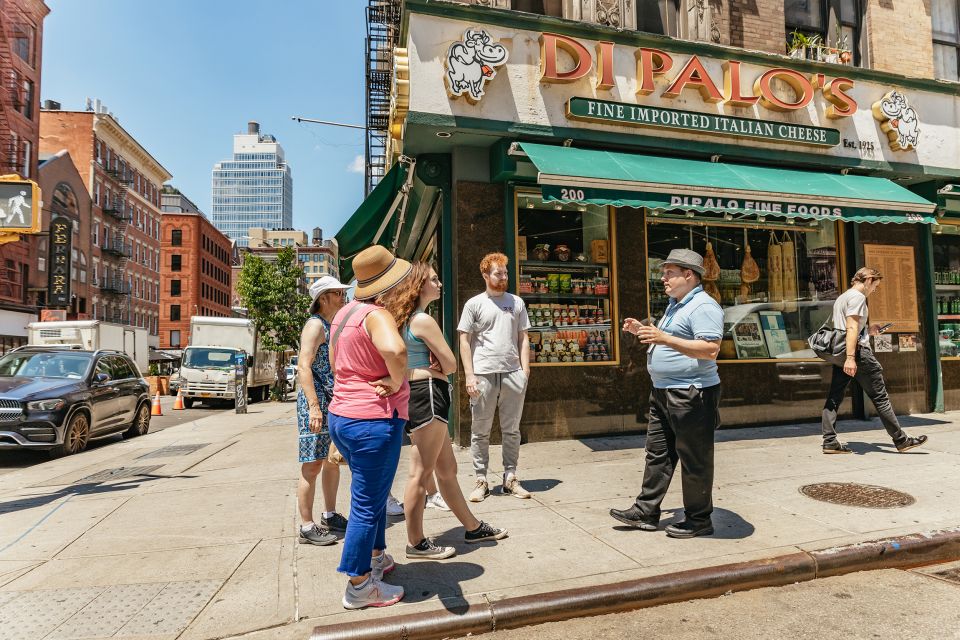
A 2-hour food tour sounds fast, and it is. The trick is that you’re not bouncing randomly—you’re moving along a tight corridor of long-running businesses, getting small tastings that collectively add up to a lunch-sized experience. You’ll cover enough ground to feel like you learned the neighborhood, but not so much that you’re worn out before dessert.
You’ll also get a guide who keeps the timing real. The tour is designed to finish on time, and if the group lingers somewhere, the guide adjusts the route so you still hit the core stops. That matters in New York, where a “close enough” stop can turn into a time sink fast.
The biggest practical tip: wear comfortable shoes and loose pants. This is street-level, with sidewalks, turns, and time spent standing at storefronts and tasting counters.
You can also read our reviews of more food & drink experiences in New York City


Starting at La Bella Ferrara: where your sweet tooth gets a head start
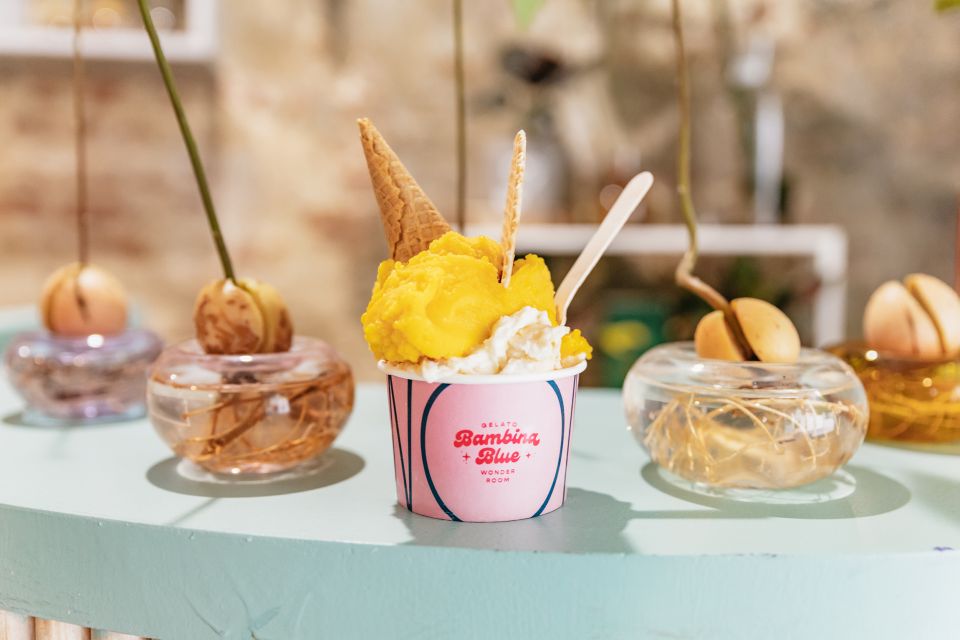
You meet your guide in front of La Bella Ferrara, 108 Mulberry St, which is an excellent anchor point. You’re stepping right into the atmosphere of Little Italy before you even get your first taste.
From there, the tour typically begins with a classic Ferrara-style treat—Italian Rainbow cookies. It’s not just dessert; it’s a smart opener. Rainbow cookies set the theme of Italian-American pastry culture: careful layering, clean flavors, and a sense that these sweets have been serving locals for ages.
If you want quick wins early, this is it. You’ll feel oriented fast, and the sweet start makes the rest of the tastings feel like a planned meal rather than a series of random bites.
Di Palo’s and the mozzarella story you can taste
One of the stops that brings the neighborhood’s Italian roots into focus is Di Palo’s, an Italian specialty store operating since 1925. The standout detail here is the emphasis on cheese-making as a family tradition, not just a product.
The tastings are where it gets real. You’ll sample things like fresh mozzarella, along with prosciutto and parmesan. The point isn’t to do a scientific seminar on cheese. It’s to show how everyday staples became community glue—how families built their identities through food, and how New York’s immigrants turned “home cooking” into something you could get on a busy city street.
Watch for how the guide explains the ingredients and the traditions around them. Even if you already love mozzarella, you’ll likely pick up practical cues—how freshness changes texture, and how cured meats and hard cheese each play a different role on the plate.
Nolita Pizza and the cheese-focused approach to pizza
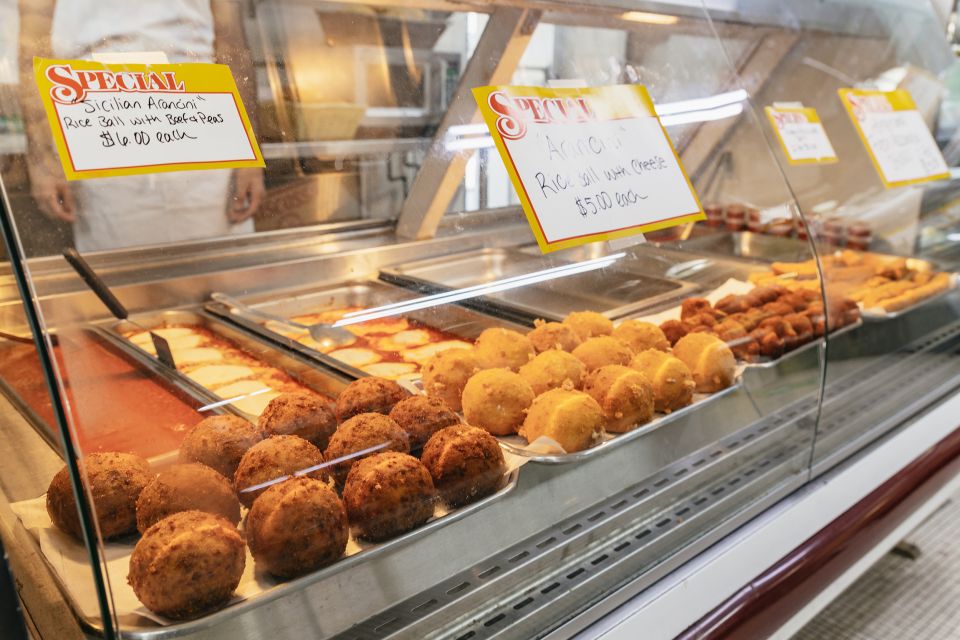
Next up is Nolita Pizza, and the angle here is quality and service, not just hype. Pizza on this tour isn’t presented as a generic slice grab. You’re getting a taste that’s meant to represent how Italian cheese choices can shape the entire pie experience.
Pizza works well on a walking tour because it’s easy to eat, but it can still teach you something. When a guide ties the flavors to specific cheese choices, you start noticing differences you’d miss if you were ordering on autopilot.
If you’re comparing this stop to other pizza you’ll try in the city, keep one question in mind: Is the pizza tasting balanced, or is it just filling? The tour’s pizza stop is designed to land on the balanced side.
Ferrara Bakery and pastries with real movie-set energy nearby
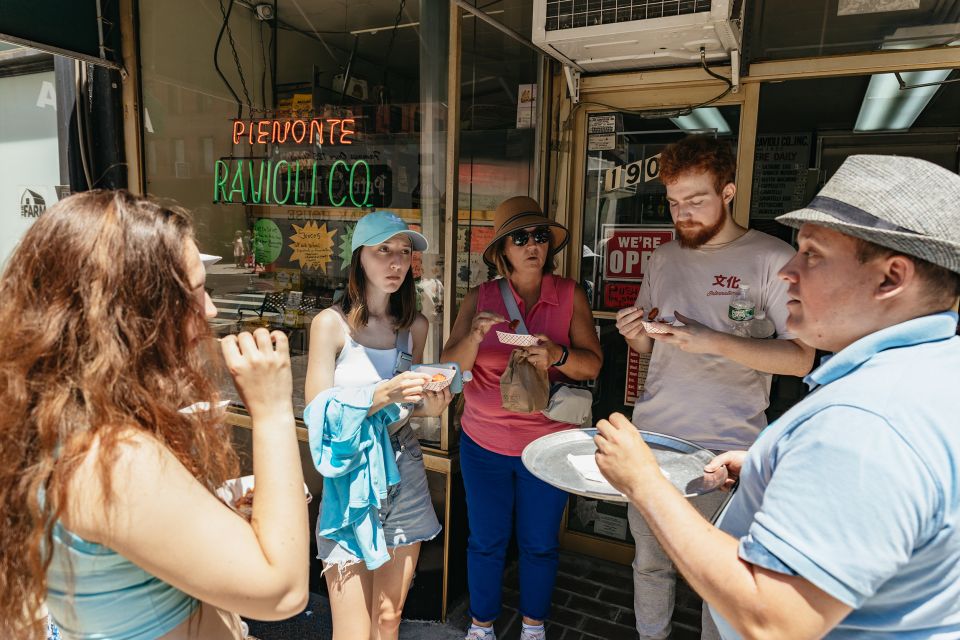
As you move along, the guide points out movie locations on the route. Expect mentions of major films such as The Godfather, Donnie Brasco, Mean Streets, and Sex and the City. These aren’t random credits trivia. They help you imagine what the neighborhood streets looked like on screen and why filmmakers keep returning to this kind of New York block-by-block feel.
Along the way, you also pass through Ferrara Bakery, where pastry culture stays front and center. Tastings here fit the pattern of the tour: small enough to sample multiple places, but substantial enough that you’re not just nibbling.
This part of the tour is where I like the most: the guide makes the neighborhood feel like it has layers. Food is the headline, but the surrounding streets become the supporting cast.
You can also read our reviews of more tours and experiences in New York City

Immigration history, food culture, and why the stories matter
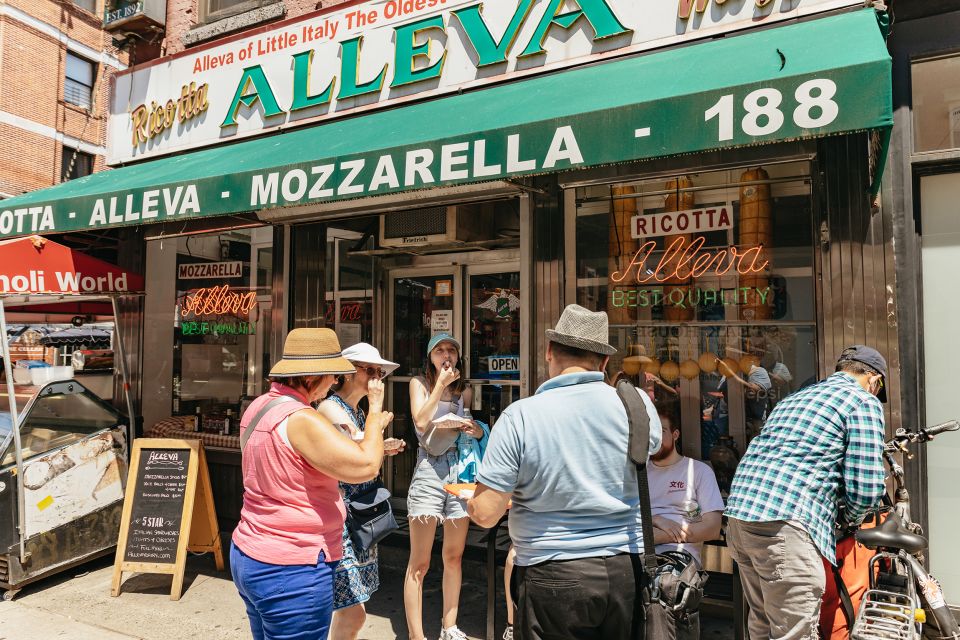
Little Italy’s food culture doesn’t float in a vacuum. The tour connects the neighborhood to immigration in the early 20th century, with the food shops operating as community hubs where newcomers could find familiarity and keep traditions alive.
That historical thread is one of the most valuable pieces because it turns “I’m eating great food” into “I understand why this neighborhood looks and tastes the way it does.” Food history is easier to remember than textbook history. You’ll likely find yourself linking specific tastings to the guide’s stories about the community forming around shops, bakeries, and specialty stores.
This is also where the guide personality makes a difference. Many guides in the past have been described as fun and story-driven, with a clear focus on both history and practical food choices. If you care about context, you’ll want a guide who doesn’t treat the stops like a checklist.
Curb Exchange: Prohibition bootlegging and the detective-named square
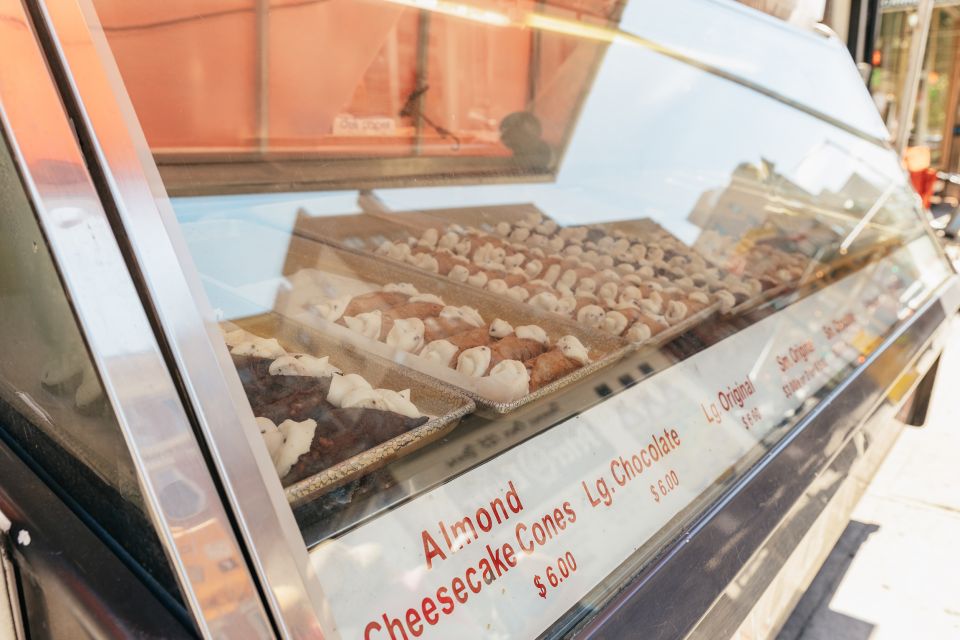
The tour’s “wait, what is that?” moment often comes at Curb Exchange, tied to Prohibition-era bootlegging history. Instead of just saying Prohibition happened, the tour frames the neighborhood as a place where people had to adapt—and where illegal supply chains left an imprint on the local story.
This kind of stop adds texture. In a food tour, it’s easy to stay only in flavors. Here, you’re learning how the city’s laws, crime, and entrepreneurial hustle shaped everyday life, including what people could access and where.
You’ll also see a square named after New York’s first Italian detective. That detail is small, but it signals something bigger: the neighborhood wasn’t only defined by immigration and poverty or by the romance of film sets. It also produced people who shaped civic life and earned their place in the city’s official memory.
A peek inside St. Patrick’s Cathedral: seeing the neighborhood beyond food
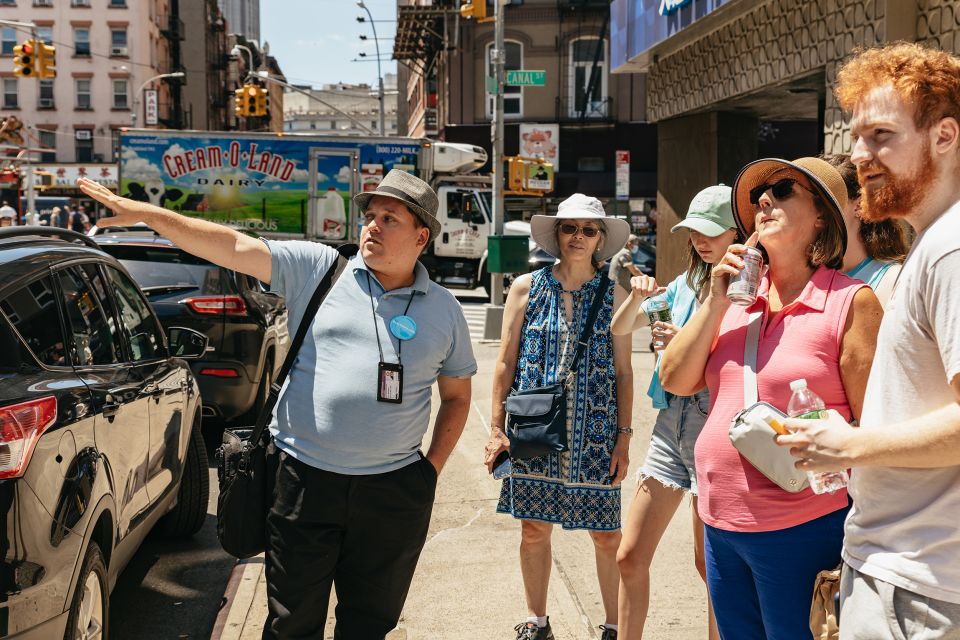
Right near the end, the tour includes a peek inside St. Patrick’s Cathedral. This is a smart counterbalance. You started in a tight Italian-American food zone, full of storefronts and street stories. Ending with a major landmark gives you a sense of how different New York identities intersect at the same city center.
For many people, cathedral interiors change the pace. Your feet still move, but your brain shifts from neighborhood lore to city scale. It’s also a nice reset if you’ve spent most of the tour standing close to counter windows and tasting stations.
Skip-the-line access and the licensed guide: small details that save time
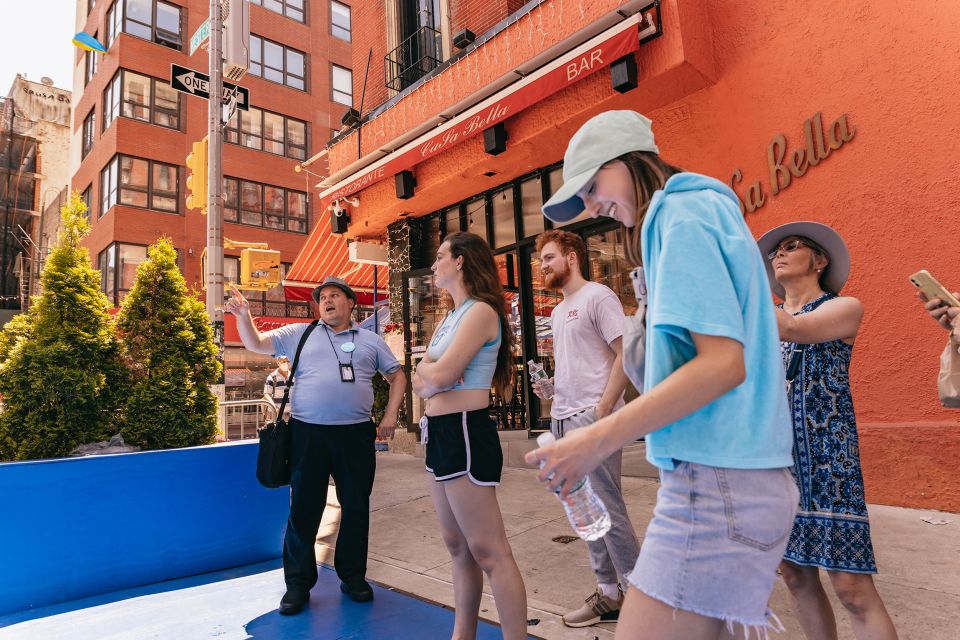
The tour includes a professional licensed guide and skip-the-line access. In practice, that means you’re less likely to waste time waiting, especially at popular counters. On a short tour, saved minutes add up fast.
You’ll also notice the guide keeps things organized with a group in motion. This matters because tasting tours are easy to derail if everyone is wandering off or lingering too long. The tour’s design keeps the flow tight: taste, story, next stop.
Also, bring a working plan for communication. If you book, make sure you have an active telephone number associated with your reservation so your guide can reach you if needed.
Languages and group size: what it feels like in real life
The tour is offered with live guides in French, Spanish, English, Italian, and Chinese. That’s a real quality-of-experience factor. When you can follow the history and the food explanations clearly, the tastings land better.
Group style can be private or small, which is ideal if you don’t want the “too many people, too many interruptions” vibe. Even in small groups, you’ll still want to be patient. You’re stopping frequently and sharing tasting moments, so conversation beats rushing.
One more note: the tour may require a minimum number of participants (if fewer than 5 sign up, it can be canceled with a refund or option to book another date). That’s worth keeping in mind if you’re traveling over a low-demand week.
Price and value: is $90 worth it for a 2-hour lunch walk?
$90 isn’t bargain-bin pricing, so you’re right to ask value. Here’s how I’d judge it.
First, the tastings are described as equivalent to a 4-course lunch, across 4 different venues. That’s not just one pastry plus a coupon-slice. It’s multiple stops, including cheese and pizza, plus sweets.
Second, you’re paying for context, not only food. The tour ties tastings to immigration history, Prohibition bootlegging, film locations, and a civic landmark peek. That kind of framing turns “eating in Little Italy” into an experience that helps you remember the neighborhood.
Third, you save time with skip-the-line access and a guided route that’s designed to finish on schedule. In New York, time is money in disguise.
Where the price might feel high is simple: a few people have wanted “more food” for the cost. If you’re the type who thinks a tasting tour should mean big portions, you might leave slightly hungry. But if you enjoy variety and like learning why the food matters, the tour’s structure is built for that sweet spot.
Who should book this tour—and who should skip it
This is a strong fit if you want:
- Italian food samples across multiple classic places in a short window
- a guide who adds history and film-location storytelling
- a walking tour that feels like a planned lunch rather than a snack crawl
It may not be the best fit if:
- you have food allergies or dietary restrictions (the tour isn’t suitable for those needs)
- you dislike walking and standing for tastings
- you expect large portions at every stop
If you’re a mobility device user, there’s been an “almost completely wheelchair/mobility vehicle accessible” note from a past participant. Still, do your homework on your own comfort level with sidewalks and standing at counters.
Should you book the Little Italy Italian Food Tasting Tour?
If you want Italian food plus real context, I think this tour is a smart choice. The route hits classic storefront energy—starting at La Bella Ferrara, moving through Di Palo’s for mozzarella tradition, then Nolita Pizza and Ferrara Bakery tastings, before finishing with Prohibition and landmark stops. For $90, the value hinges on one thing: you’re buying stories and variety as much as you’re buying food.
If your main goal is quantity—big plates, heavy portions, and a full meal you could easily replicate elsewhere—then you might be happier with a sit-down lunch and a separate dessert plan. But if you want to leave feeling like Little Italy makes sense—where it came from, what it’s been through, and how it tastes now—this is exactly the kind of two-hour plan that pays off.
FAQ
Where do I meet my guide?
Meet your guide in front of La Bella Ferrara at 108 Mulberry St, New York, NY 10013.
How long is the tour?
The tour lasts 2 hours.
How many stops and tastings are included?
You’ll visit 4 different venues, and the tastings are described as the equivalent of a 4-course lunch.
Are skip-the-line passes included?
Yes, skip-the-line access is included.
What languages are available for the guide?
Guides are available in French, Spanish, English, Italian, and Chinese.
Is the tour suitable for people with food allergies or dietary restrictions?
No. This experience is not suitable for travelers with food allergies or dietary restrictions.
Does the tour run in bad weather?
Yes, it operates rain or shine.
What if there aren’t enough participants?
If the tour does not have 5 participants, your activity may be canceled. If that happens, you’ll receive a refund or the option to book another date.
Are pets allowed?
No, pets are not allowed on this tour.