REVIEW · NEW YORK CITY
NYC: Upper West Side Hands-On Bagel Baking Class
Book on Viator →Operated by NYC Bagel Tours · Bookable on Viator
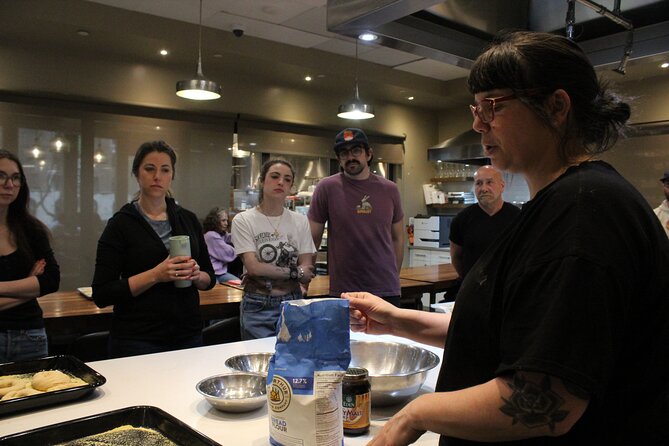
Roll your way into NYC comfort food. This hands-on Upper West Side bagel class at Fairway Market’s 74th Street Café teaches you the rope-and-loop technique and how bagels actually get their classic chew. I especially like that you’re not just watching—you’re rolling your own dough, then you’ll bake it and take it home with a recipe.
The second big win for me is the added story time while things are cooking: you’ll hear how bagels trace back to Polish roots and pick up NYC legends like the Bagel Bakers Union and other quirky chapters. The only drawback to weigh is price: at $150 for about two hours, you’ll want to be the kind of person who enjoys making food, not just tasting it.
In This Review
- Key Things You’ll Care About Before You Go
- Fairway’s 74th Street Café Makes This Class Feel Local
- Your 2-Hour Game Plan: Roll, Boil, Seed, Bake
- Learning the Rope-and-Loop Method (and Getting Real Results)
- The Boil + Seed + Bake Steps That Give Bagels Their Bite
- Gourmet Spreads and Smoked Fish: Eating Matters Here
- The Bagel Stories: Polish Origins to NYC Legends
- Take-Home Bagels, a Recipe, and Real Storage Tips
- Price and Value: What $150 Buys You
- Who This Upper West Side Bagel Workshop Is For
- Should You Book This Bagel Baking Class?
- FAQ
- Where does the class meet?
- What time does it start?
- How long is the bagel baking class?
- How much does it cost?
- What language is the class taught in?
- How big are the groups?
- Do I get to take bagels home?
- Does the class include a recipe?
- What kind of food is included?
- What’s the cancellation policy?
Key Things You’ll Care About Before You Go
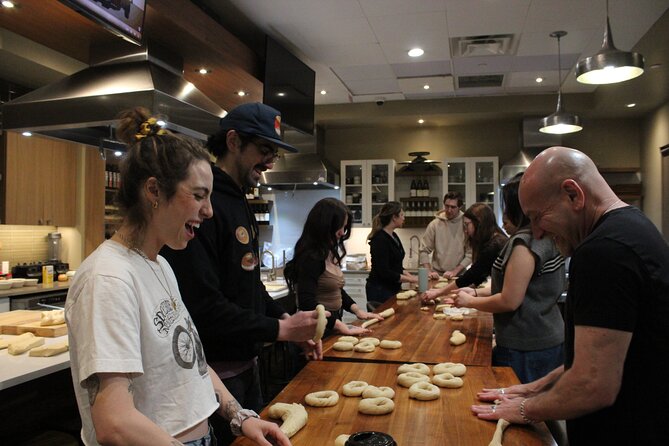
- Rope-and-loop hands-on rolling: You learn the exact motion that shapes a proper bagel ring.
- Boil, seed, bake process: You get the full workflow, not just the fun part at the end.
- You leave with your own bagels: Take-home bagels are part of the deal, not a bonus.
- History + stories while you wait: Polish origins, plus NYC bagel lore and oddball tales like the Bagel Wedding.
- Practical how-to for keeping bagels: Storage, freezing, and reheat tips help your batch last.
- Small-ish group size: Maximum 24 travelers means you’re less likely to get lost in the crowd.
Fairway’s 74th Street Café Makes This Class Feel Local
If you want your NYC food experience to feel like you’re in the neighborhood, this is a smart pick. The meeting point is Fairway 74th Street Café at 2131 Broadway on the Upper West Side, a place that already feels like part pantry and part community stop. Starting your day here makes the workshop feel grounded, not like a tourist set-piece.
One more thing I appreciate: the activity is built for morning energy. You’re done fast—about two hours—so you still have the rest of the day for walking, browsing, or another meal.
And because the class is in English with a mobile ticket, it’s easier to plan than some workshop-style tours that require extra coordination. With a maximum of 24 people, you’ll also notice the pace stays workable. Bagel dough is forgiving, but the process still needs attention.
You can also read our reviews of more cooking classes in New York City



Your 2-Hour Game Plan: Roll, Boil, Seed, Bake
The whole experience moves around the bagel-making workflow. You start with dough handling and learn the rope-and-loop shaping method so you can form rings that cook evenly. Then you’ll go through the next steps: boil, seed, and bake.
Here’s the practical part: bagels are not just bread. The boil stage is what sets up that signature chew, and knowing when it happens (and why) makes the final result feel less mysterious. Even if you’ve never baked before, the structure helps you follow along without needing a kitchen background.
Timing matters in a workshop like this. While bagels bake, you’ll get the storytelling component—history of the bagel from Polish origins to its rise as a New York icon. That’s a nice use of the waiting time, and it prevents the class from feeling like a long lesson followed by a small snack.
When the bake finishes, you’ll enjoy your bagels with gourmet spreads and classic accompaniments. Then you’ll wrap up with a light-hearted bagel trivia quiz, so the lesson lands in your brain as something you can remember later.
Learning the Rope-and-Loop Method (and Getting Real Results)
The rope-and-loop technique is the core skill here, and it’s exactly the kind of skill you’ll actually reuse. Once you know how to roll the dough into a rope and form a loop that holds its shape, bagel making stops being intimidating.
What I like about teaching this method in a real workshop setting is that it forces you to pay attention to consistency. Your dough needs to be handled in a way that supports both shape and texture. That’s hard to “get” from a video alone, but much easier when an expert is guiding your hands and you’re practicing right there.
Also, shaping your own bagels is the moment where the experience stops feeling like a show. The class turns into something you can brag about at brunch later, because you’ll know you did the work behind the chew.
If you’re a keen baker, you’ll probably leave with confidence for the next batch. If you’re not, you’ll still walk away with a repeatable process—because the class is designed for beginners, too.
The Boil + Seed + Bake Steps That Give Bagels Their Bite
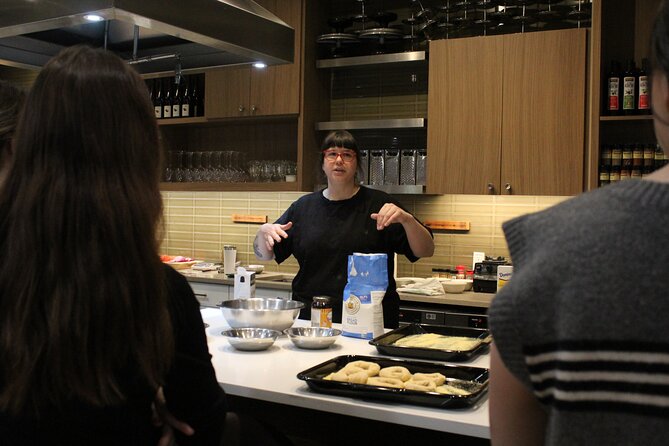
A lot of baking experiences skip the crucial technical steps. This one doesn’t. You learn how to boil, then seed (when applicable), then bake your bagels.
Boiling is where bagels get their structure. It’s also why “bagel” bread behaves differently from regular bread. When you understand that, you’ll be less tempted to treat bagels like any other dough project at home. You’ll follow the recipe because you’ll know what each stage is trying to accomplish.
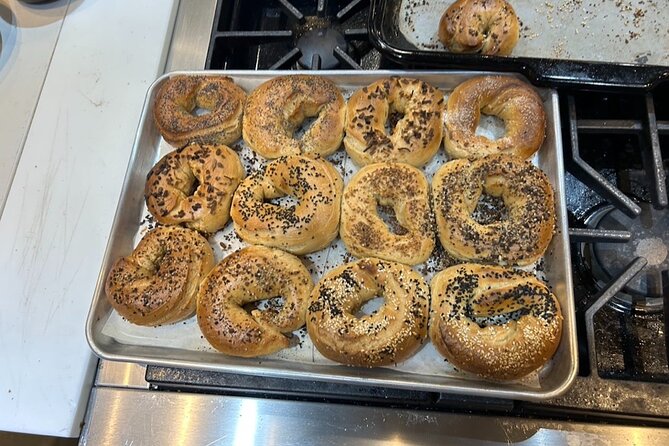
Seeding is also more than decoration. It gives you an extra texture layer, and it helps your final bagel look properly New York. And since you’re doing it yourself, you won’t end up with the classic home-baker problem of ending with dough that tastes fine but looks oddly unfinished.
Then baking ties it together. When you can point to the steps you did—roll, boil, seed, bake—you’re not just eating a result. You’re understanding a system.
Gourmet Spreads and Smoked Fish: Eating Matters Here
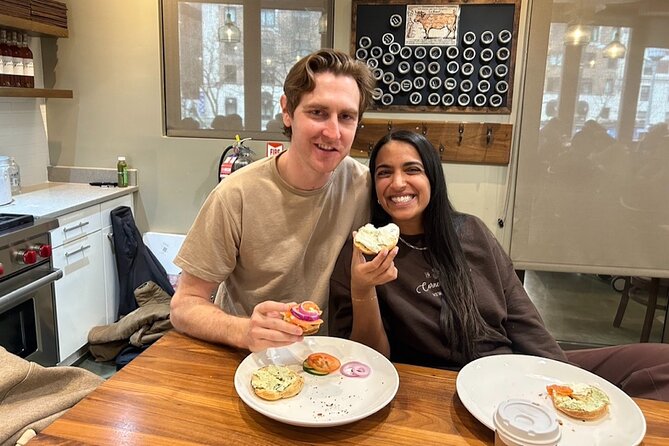
The class doesn’t end with a sad paper cup. You’ll enjoy the bagels you made with gourmet spreads. The sample menu includes cream cheese and smoked fish, plus classic accompaniments.
Even if you’re not a big eater during workshops, this part is worth paying attention to. Spreads are the reality-check: bagels are built for holding flavor. You’ll get a feel for how a plain bagel becomes a full meal with toppings, and that helps you recreate a better version at home.
Also, you can use this tasting time to spot what you like. If you’re the type who stores a recipe but changes toppings, you’ll appreciate the menu cues. You’ll be able to match your future bagel cravings to the flavor profile you tried here.
You can also read our reviews of more tours and experiences in New York City



The Bagel Stories: Polish Origins to NYC Legends
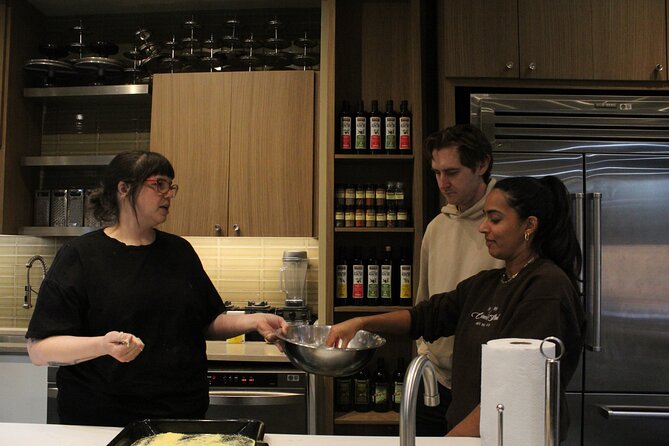
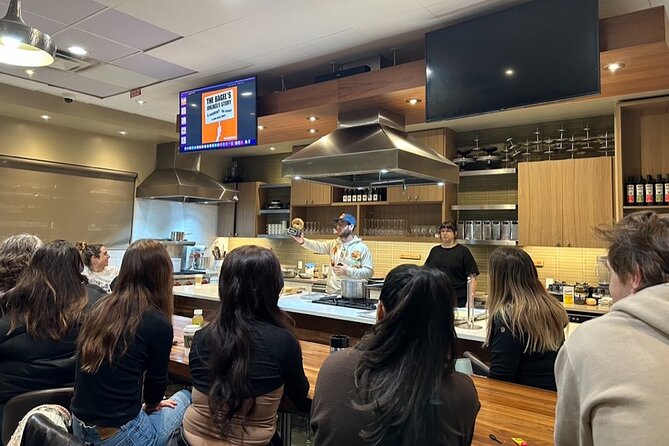
While the bagels bake, you’ll hear about how the bagel story travels from Polish origins to becoming a New York City icon. This portion keeps the class from becoming purely technical.
You’ll also get to hear about bagel lore, including the Bagel Bakers Union and the invention of the bagel machine. There’s even a mention of a Bagel Wedding story, listed with a playful question mark—because yes, sometimes the culture around food is as entertaining as the food itself.
For me, this history piece is valuable because it gives context to why the process is so specific. Bagels have a reputation for consistency and style, and the stories help you see that it wasn’t accidental. It’s tradition + technique + a city that turned it into everyday ritual.
And since you’ll finish with a trivia quiz, you get a fun way to lock in facts—useful if you like knowing what you’re eating beyond the obvious.
Take-Home Bagels, a Recipe, and Real Storage Tips
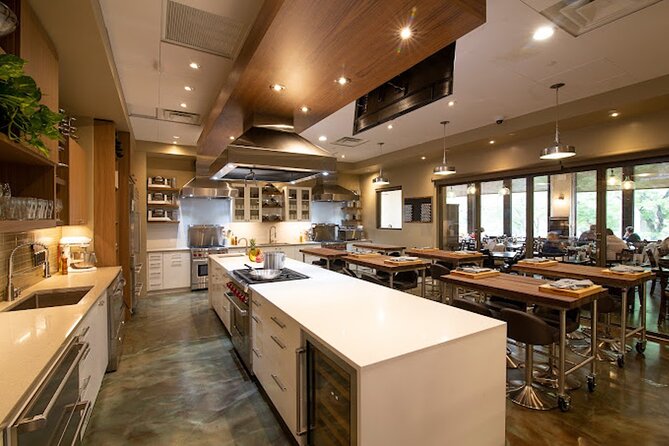
You’ll take home the bagels you made yourself, along with skills, knowledge, and a recipe to make them again. That’s a huge part of the value.
The best workshops don’t just teach a process; they set you up to repeat it. Here, the recipe plus your firsthand experience with rolling and boiling makes at-home success more likely. You won’t be staring at ingredients thinking, where do I even start?
One practical detail I’m glad is included: how to store, freeze, and reheat your bagels. Bagels can dry out if you handle them like regular bread, and freezing can rescue them if you do it right. Having those tips from the class means your bagels stay worth the effort.
If you love baking, take the recipe seriously. Make one batch, practice the method, then adjust your shaping and timing based on what you see the first time.
Price and Value: What $150 Buys You
At $150 per person for about two hours, this isn’t a bargain class. But it also isn’t a generic demo. You’re paying for instruction, hands-on shaping time, and the full process: boil, seed, bake, plus a meal-style tasting.
Here’s how I judge the value. If you’re the type who learns by doing, this can be worth it because the payoff is tangible: take-home bagels, a repeatable recipe, and a technique you can use again. The included gourmet spreads also help the workshop feel like a real experience rather than just a lesson.
If you’re mainly there to eat and you’re not interested in baking, it may feel expensive. In that case, you’d likely get a better deal from a bagel crawl plus a single workshop-like tasting somewhere.
But for keen bakers and curious beginners alike, the combination of skill + food you produce yourself makes the price easier to justify.
Who This Upper West Side Bagel Workshop Is For
This is a strong match if you:
- want a morning activity that gives you something more than a photo
- enjoy cooking enough to practice a technique, not just observe
- like food history but prefer it paired with an actual hands-on task
- want a class that ends with take-home results
It’s also ideal if you’re the sort of traveler who appreciates small-group instruction. Maximum 24 people helps keep the vibe from turning into a rush.
If you’re traveling as a couple or a small group, it’s also a fun shared project—you can compare how your shaping looked and swap topping preferences afterward.
Should You Book This Bagel Baking Class?
Yes, you should book it if you want a truly hands-on NYC food experience that ends with edible proof of your work. I’d choose it especially for early-day plans because it starts at 10:00 am and gets you back to the same meeting point while you’re still fresh enough to explore more of the Upper West Side.
Skip it if you’re hoping for a cheap foodie sampler. This class is about learning a process and bringing it home. The $150 price only makes sense when you’ll use the recipe, the technique, and the storage know-how.
If that sounds like you, you’ll probably love how the skills click fast—and how your kitchen memories start with the first rope you roll.
FAQ
Where does the class meet?
It meets at Fairway 74th Street Café, 2131 Broadway, New York, NY 10023.
What time does it start?
The start time is 10:00 am.
How long is the bagel baking class?
It runs for about 2 hours.
How much does it cost?
It costs $150.00 per person.
What language is the class taught in?
The workshop is offered in English.
How big are the groups?
The class has a maximum of 24 travelers.
Do I get to take bagels home?
Yes. You’ll take home the bagels you made during the workshop.
Does the class include a recipe?
Yes. You’ll receive a recipe to make bagels again later.
What kind of food is included?
You’ll enjoy your freshly baked bagels with gourmet spreads. The sample includes cream cheese and smoked fish, along with classic accompaniments.
What’s the cancellation policy?
You can cancel for a full refund up to 24 hours before the experience’s start time. After that window, the amount paid is not refunded.